
With apologies to Carlos Gardel, the famous Argentine singer, 30 years is not nothing. I’ve just celebrated three decades anchoring Noticiero Univision, the network’s nightly newscast, and my past few days have been filled with gratitude and reflection.
Reflections on 30 Years in TV
"If these last 30 years have taught me anything, it’s that the most vital component of journalism is credibility. People have to tune in to you knowing that you will give them the truth. Without this trust, no journalistic career can last."

Jorge Ramos
Imagen Univision.com
If these last 30 years have taught me anything, it’s that the most vital component of journalism is credibility. People have to tune in to you knowing that you will give them the truth. Without this trust, no journalistic career can last.
On Nov. 3, 1986, at the age of 28, I was tapped by Univision executives to be an anchor. It was certainly a different era. Back then, there were only 15 million Latinos living in the United States; now we number more than 55 million. Thirty years ago, few people were interested in what the Hispanic community had to say; today, politicians cannot win elections without our support. Since the 1980s, Spanish-language television has transformed itself from a media curiosity into a leader in ratings in cities like Los Angeles, Miami, Chicago and New York.
I would have liked to stay and work in Mexico, where I was born, but that wasn’t an option. Media censorship and repression were rampant in the 1980s, and I rightly estimated that a true democratic shift in Mexico would take too long to be realized. This calculation made me an immigrant. I arrived in Los Angeles first, and I eventually settled in Miami, where my children, Nicolás and Paola, were born. They’ve taught me about the things that really matter and about the joys of living in the present.
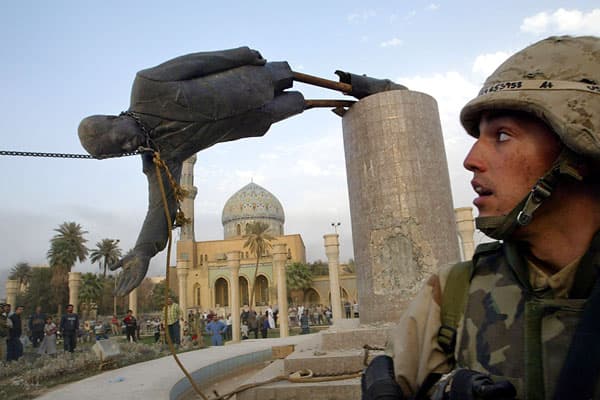
Despite a near universal desire for an end to Venezuela’s manmade disaster, sending in U.S forces to take out the Maduro regime would be counter-productive. It should be categorically rejected by interim president Juan Guaidó, not to mention the Trump administration.
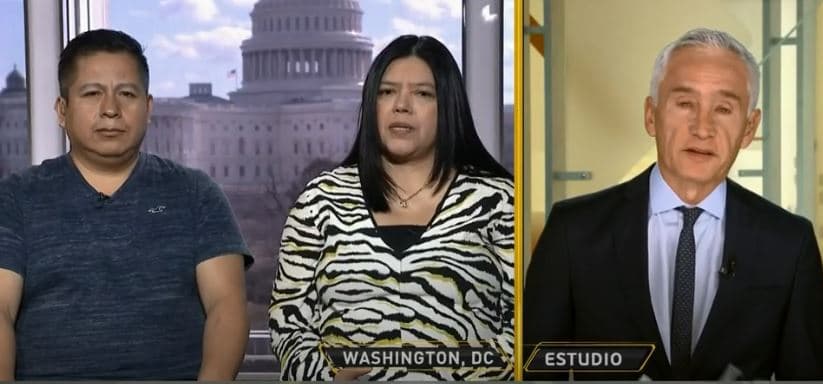
The firing of undocumented workers at Trump's golf clubs just shows how the practice of employing immigrants without legal work papers is much more common than we might imagine. Such is life in the United States.
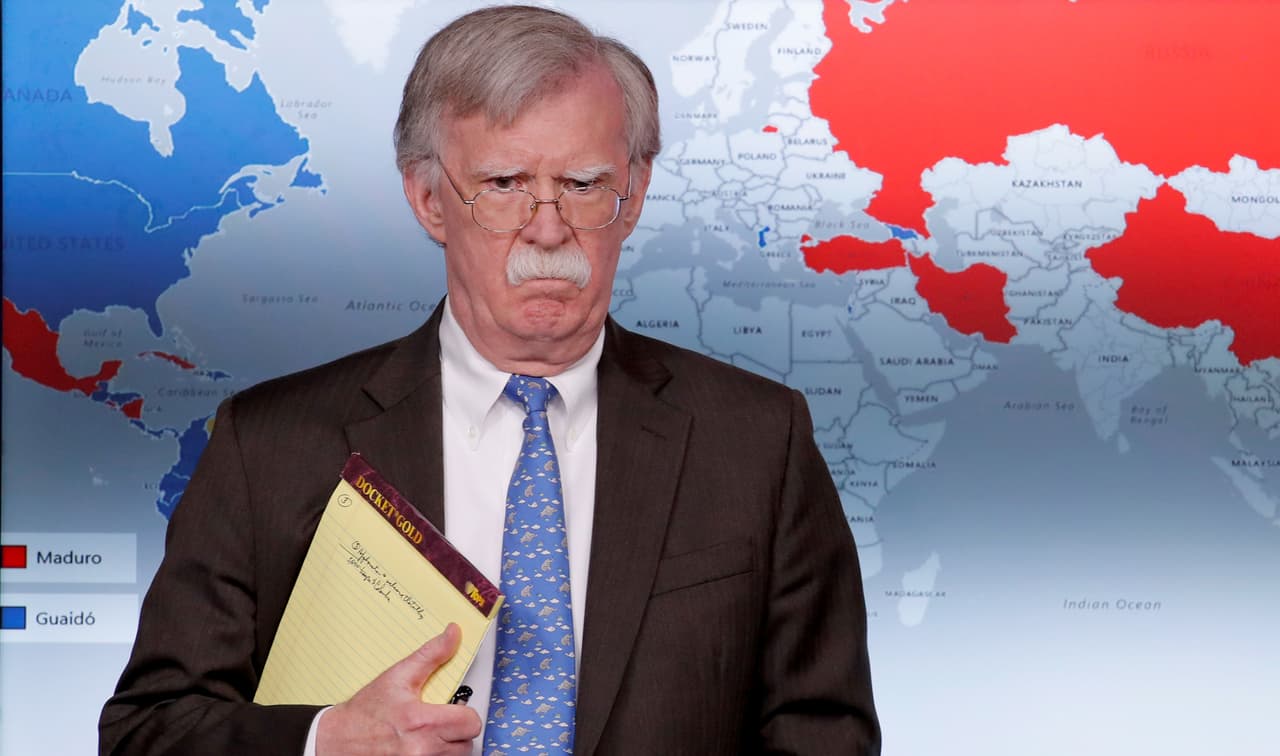
The Trump administration should be wary of fueling fake news predictions about an imminent American invasion which unrealistically raises expectations about Maduro's removal.
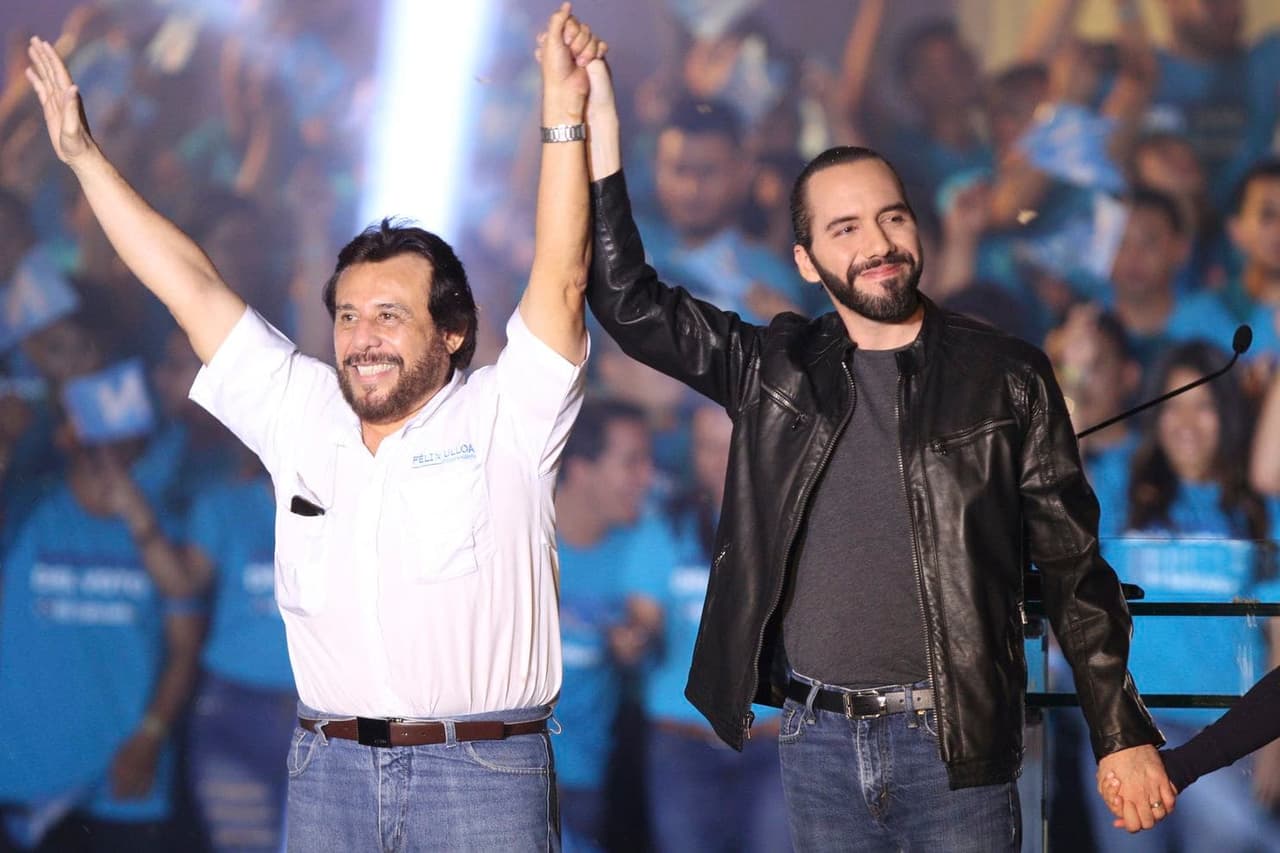

At some point we will have to accept the fact that the border between Mexico and the United States is nothing more than an invention.

The United States has had a major role in the evolving drama of the fight for democracy in Venezuela and Nicaragua. And so far, it’s been surprisingly coordinated, a veritable model of multilateralism.
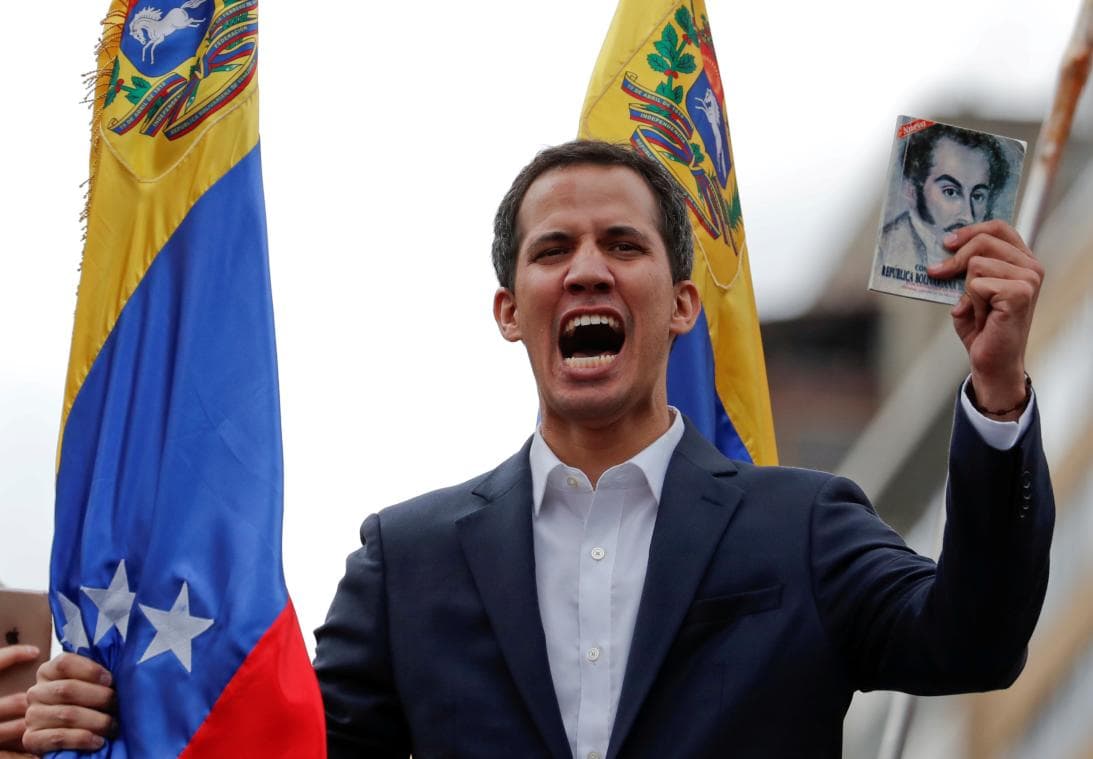
Has the Maduro regime reached breaking point? It remains hard to say, but tomorrow is another - more hopeful - day for the restoration of democracy in the South American nation.
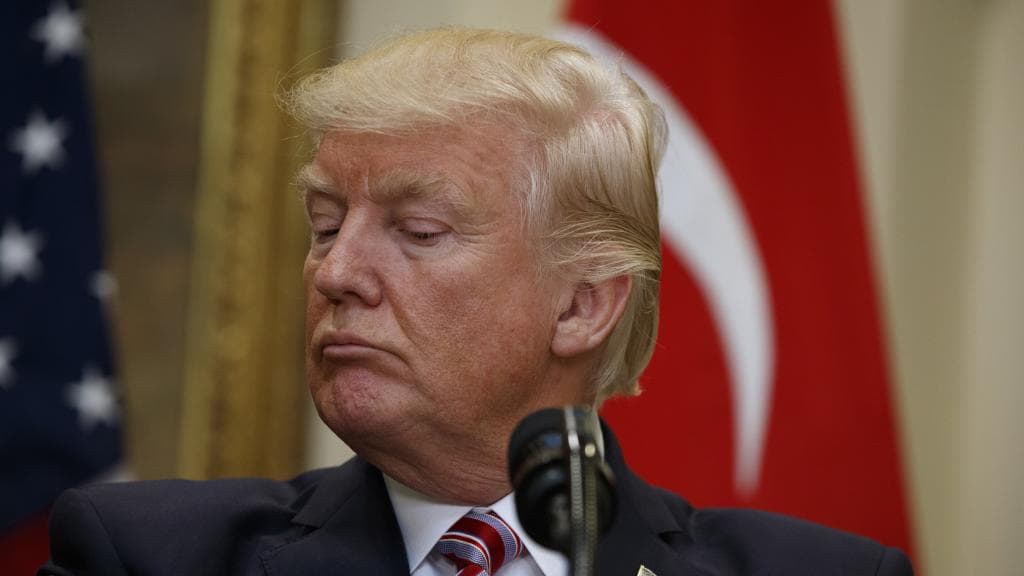
It’s impossible to get into Trump’s head but what comes out of his mouth are racist remarks. But, saddest of all are the millions who tolerate his views, cheer him on and emulate his behavior.
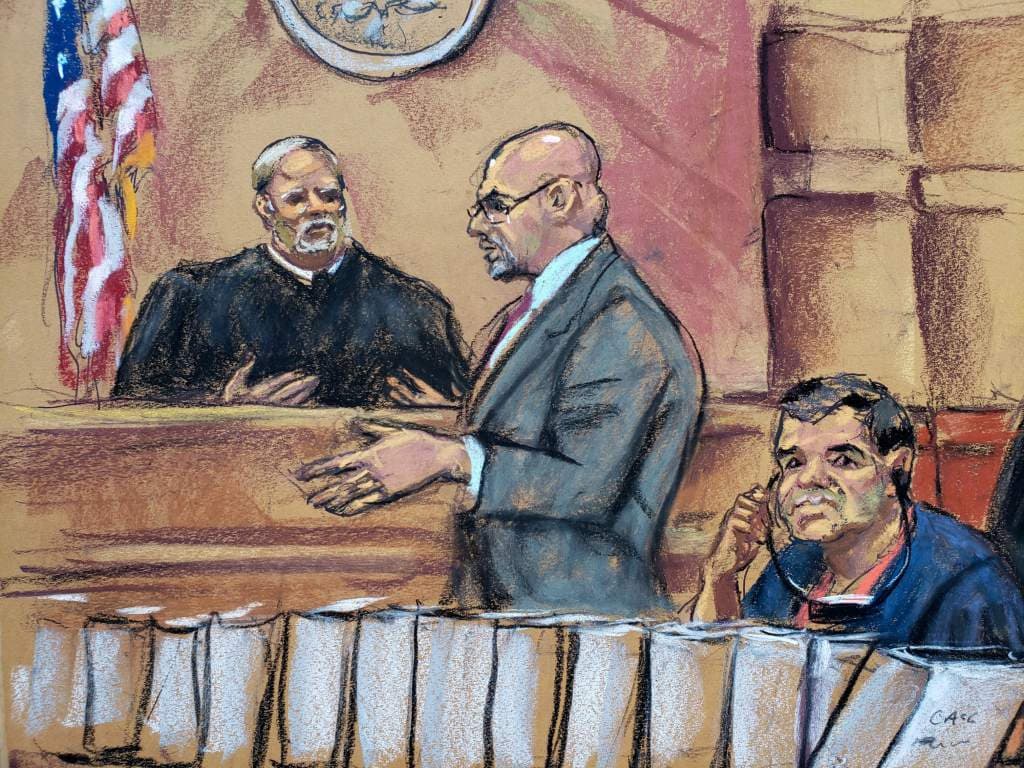
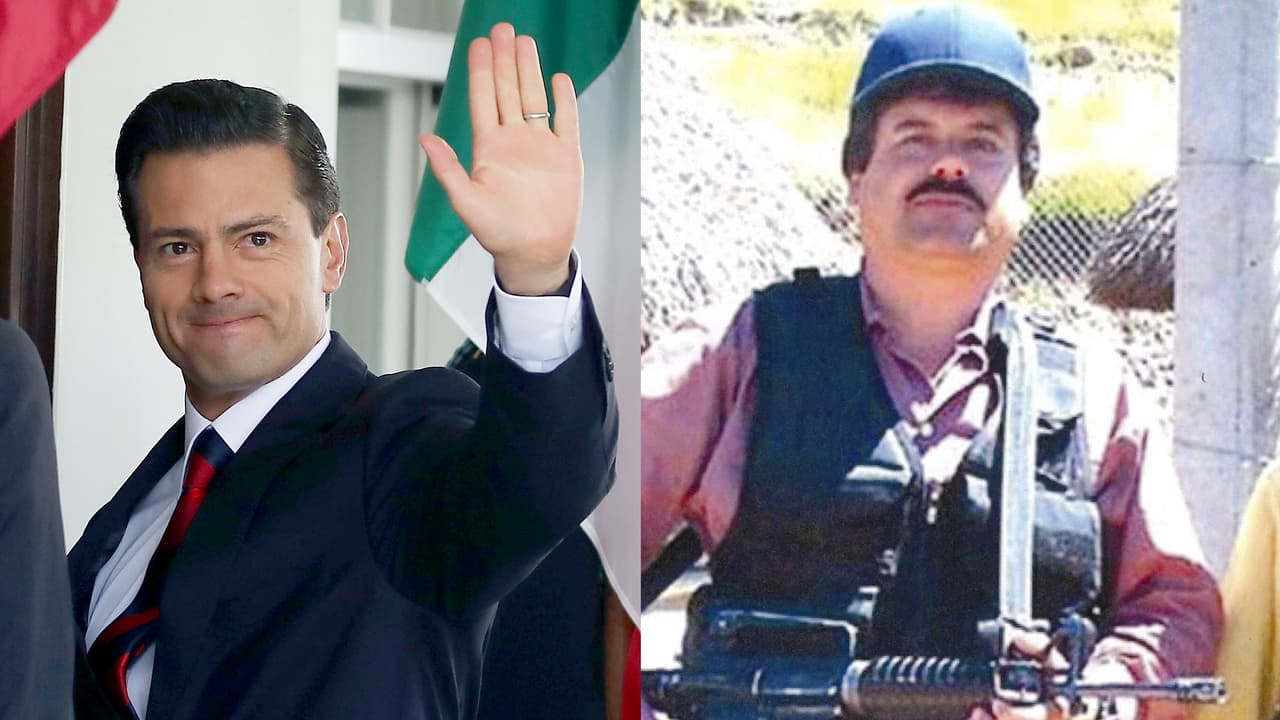
The time is well past due for the U.S. government to conduct a thorough review of leaders and their senior colleagues before they leave office to determine if they merit visas.
Nobody chooses to be an immigrant — circumstances force you to leave everything and everyone you know behind. And doing so leaves an everlasting mark. In my case, I still fear that I will lose everything in an instant, which is a common feeling among immigrants. I’ve also learned to coexist with my nostalgia for the scents, flavors and scenery of my former home. But the U.S. has offered me opportunities that Mexico couldn’t. These days I live with my arms outstretched, embracing both countries as I hop frequently between them, with two passports and the ability to vote in each.
Journalism, my wonderful trade, has been my ticket to the wider world. At Univision and Fusion, the planet is our newsroom. I’ve flown millions of miles during my career, and my one rule for packing hasn’t changed: I never check luggage. I only take what I can carry myself. That’s how I’ve traveled as both a war correspondent and a tourist. Nonetheless, I have one confession to make: I’m afraid of flying. I simply feel more comfortable on the ground.
I’ve learned my best lessons about journalism while reporting from the street. That’s where I’ve been able to gather the stories of the voiceless members of society, and where I’ve learned to pose tough questions to those in power. I can’t say it’s been easy, but I sleep peacefully every night.
At Univision, I found an adoptive family. My co-workers realize that journalism is not a career for normal people. Over the years, I’ve missed birthdays, anniversaries and family parties. In return, my co-workers have shown me extraordinary kindness and demonstrated never-ending solidarity. Over these 30 years, I’ve shared the anchor desk at Univision with Teresa Rodriguez, Andrea Kutyas and Maria Elena Salinas. I want them to know how grateful I am for their infinite patience — truly, thanks is in order for putting up with me.
I’ve learned how incredibly artificial television can be, which is why the most successful people in the industry are those who can act most naturally in front of the cameras. It’s sometimes easy for people to flip their priorities and consider producing TV to be more important than real life. It’s not. Real life doesn’t happen in front of a camera. When I forget that fact, I have to recall my mantra: “It’s only television!”
I know that I chose the right career. My father wanted me to become a lawyer, a doctor or an engineer — if not an architect like him. When I confessed that I wanted to study communication in college, he asked: “What are you going to do with that?” I don’t know, I replied. What I did know was that I didn’t want to spend my life doing something that I didn’t love. And that’s how I launched myself into this journey, being inspired by the work of journalists like Elena Poniatowska and Oriana Fallaci, among others.
I’ve learned that while actors can live several lives through their characters, journalists cannot. We only have one life, but it’s full of excitement. Today I’m sure that I couldn’t have chosen a better way to spend the last 30 years.
Relacionados: