There are two things I dont understand about Daniel Ortega, Nicaraguas president. The first is why he so wants to be like Anastasio Somoza Debayle, the tyrant he tirelessly fought to overthrow decades ago during the countrys civil war; the second is why he lives in a house that isnt his.
Nicaragua awakens
If something has been made clear amid the unrest in Nicaragua, it is that the country's future has no place for the Ortega regime. A new generation has emerged and is ready to lead.
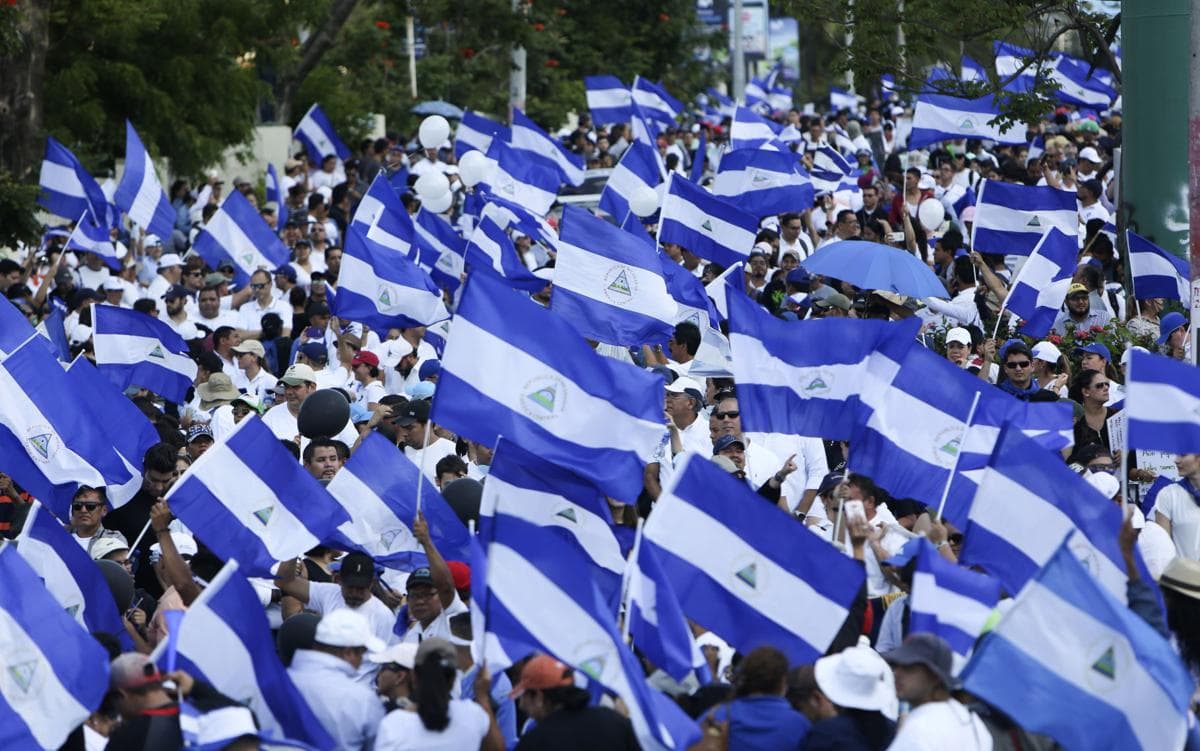
Flag-waving protesters in Managua, April 23, 2018
Imagen AP/Alfredo Zuniga
A bit more on the house later, but let me begin with the recent unrest in Nicaragua. What started as demonstrations against changes to social programs quickly turned into a revolt against Ortega and Rosario Murillo, his wife and the vice president. The regime has a strong grip on the country, and Ortega has now ruled for 23 years from 1979 to 1990, and from 2006 to the present.
Government repression against protesters, who are mostly young people and students, has been brutal. The death toll has surpassed 40 in the last month, according to the Nicaraguan Human Rights Center.
Among the dead was the journalist Ángel Gahona, who was killed while reporting on the protests in Bluefields, Nicaragua, last month. His wife, Migueliuth Sandoval, who was watching Gahona on Facebook Live, saw his killing. It was the work of a sniper, Sandoval said. He was shot right at the temple. (Listen to my interview with Gahonas wife and son on my podcast)
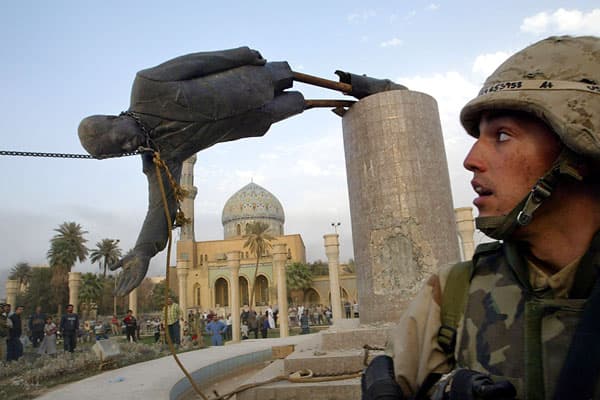
Despite a near universal desire for an end to Venezuela’s manmade disaster, sending in U.S forces to take out the Maduro regime would be counter-productive. It should be categorically rejected by interim president Juan Guaidó, not to mention the Trump administration.
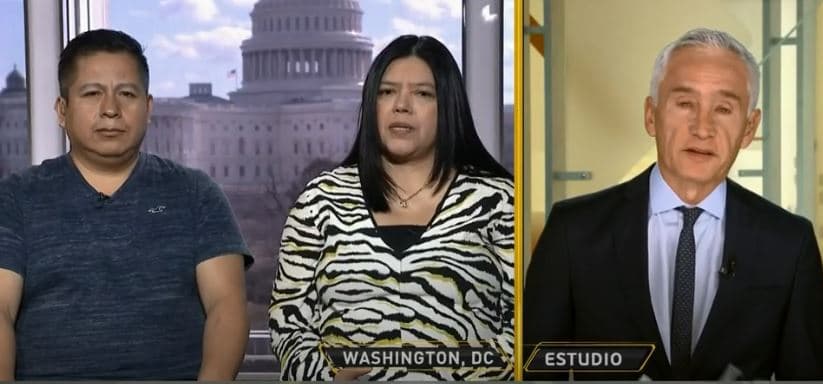
The firing of undocumented workers at Trump's golf clubs just shows how the practice of employing immigrants without legal work papers is much more common than we might imagine. Such is life in the United States.
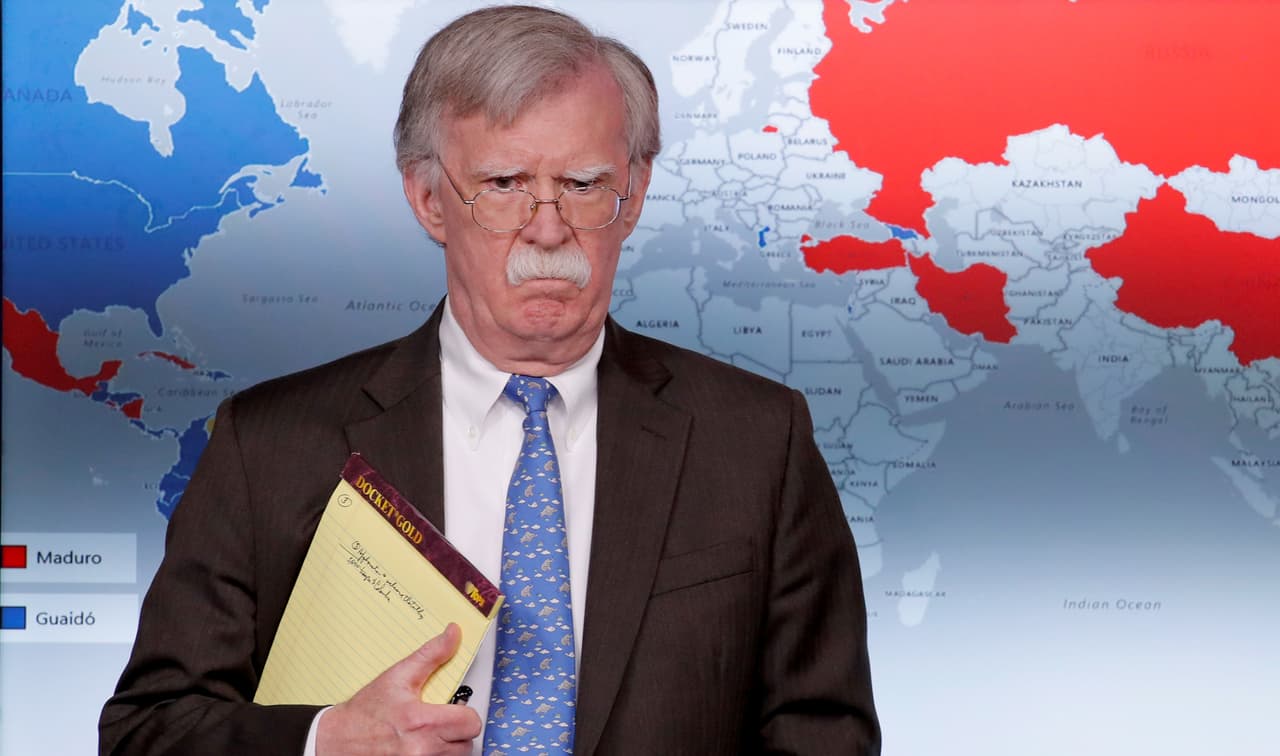
The Trump administration should be wary of fueling fake news predictions about an imminent American invasion which unrealistically raises expectations about Maduro's removal.
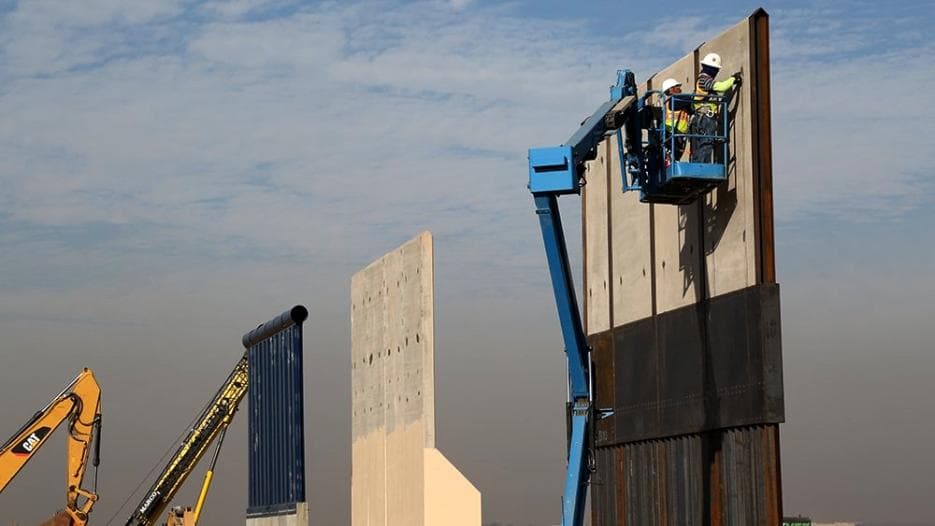
At some point we will have to accept the fact that the border between Mexico and the United States is nothing more than an invention.

The United States has had a major role in the evolving drama of the fight for democracy in Venezuela and Nicaragua. And so far, it’s been surprisingly coordinated, a veritable model of multilateralism.
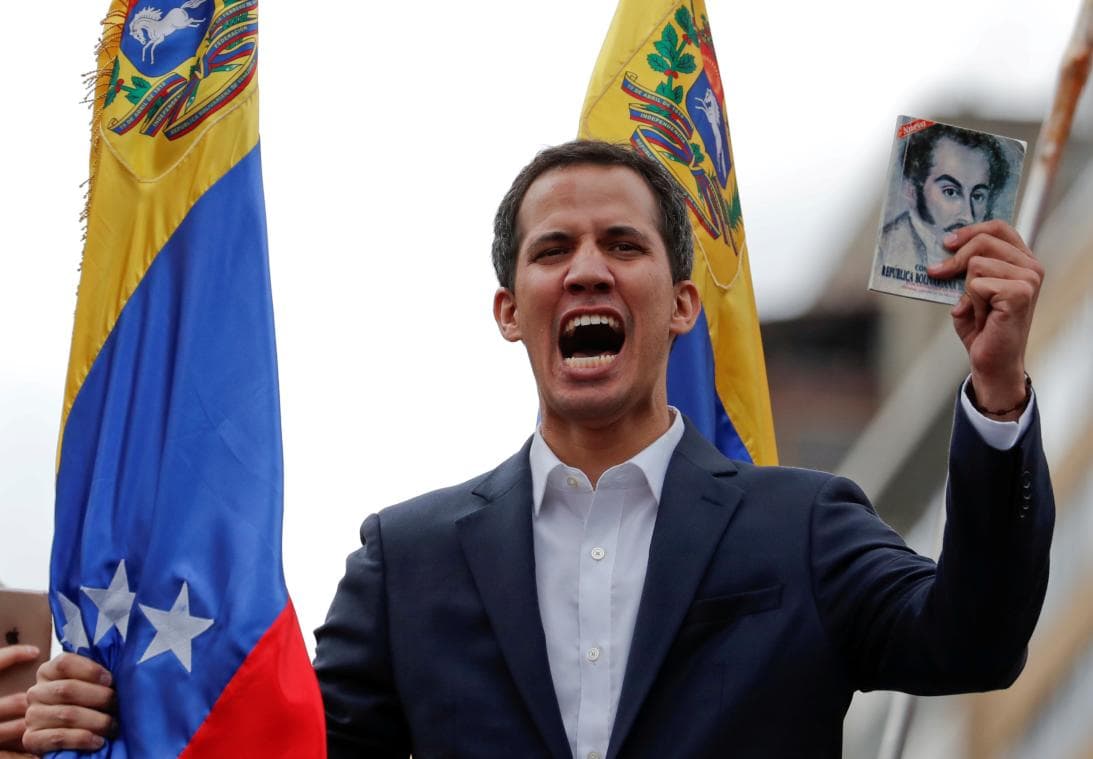
Has the Maduro regime reached breaking point? It remains hard to say, but tomorrow is another - more hopeful - day for the restoration of democracy in the South American nation.
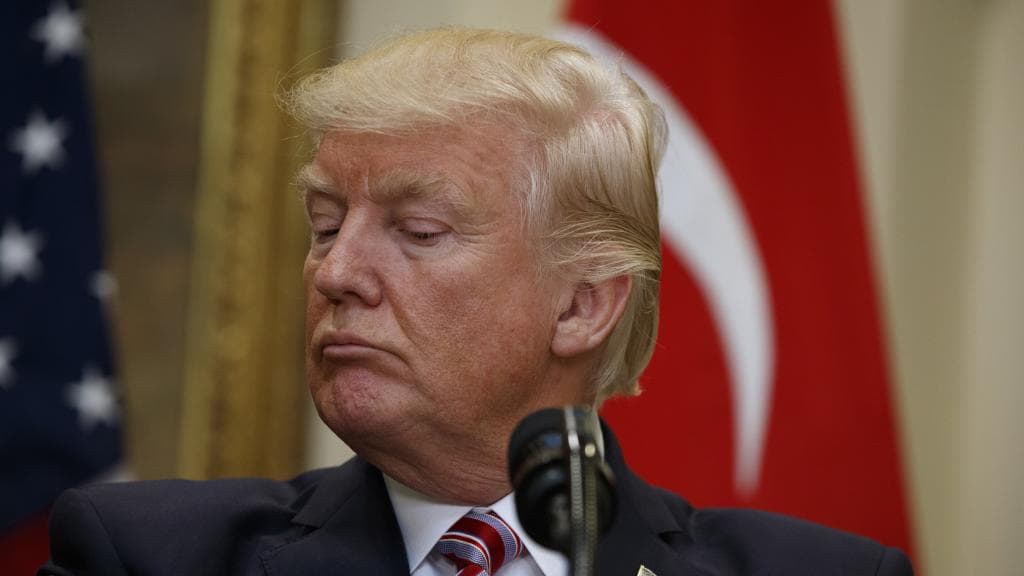
It’s impossible to get into Trump’s head but what comes out of his mouth are racist remarks. But, saddest of all are the millions who tolerate his views, cheer him on and emulate his behavior.
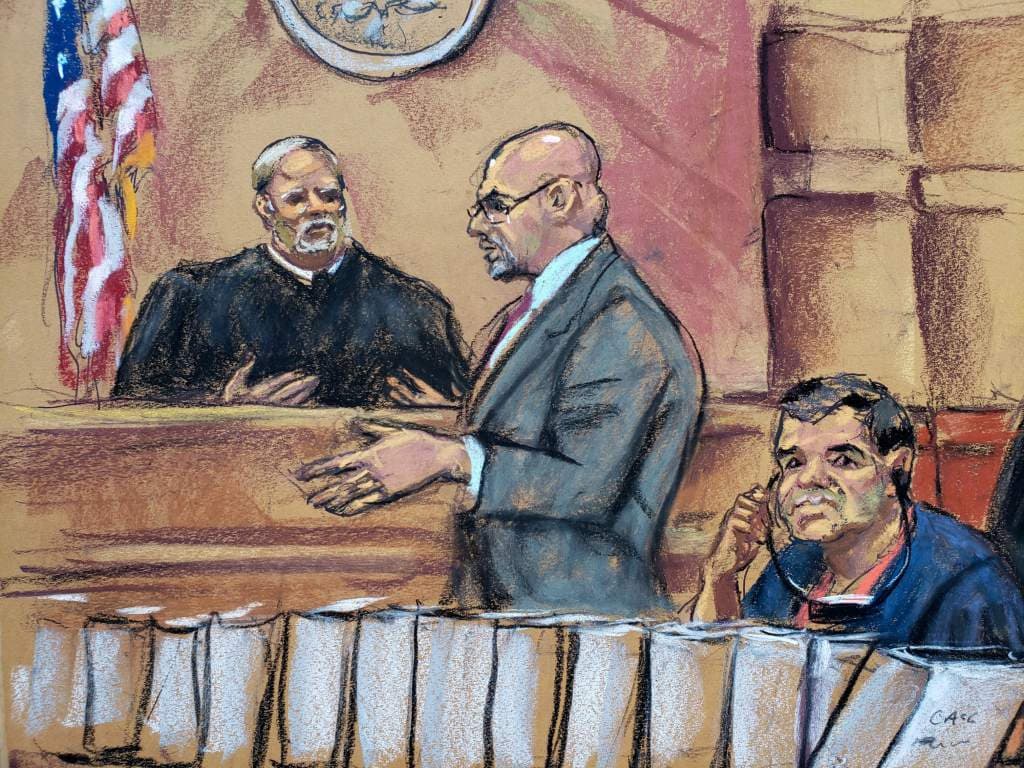
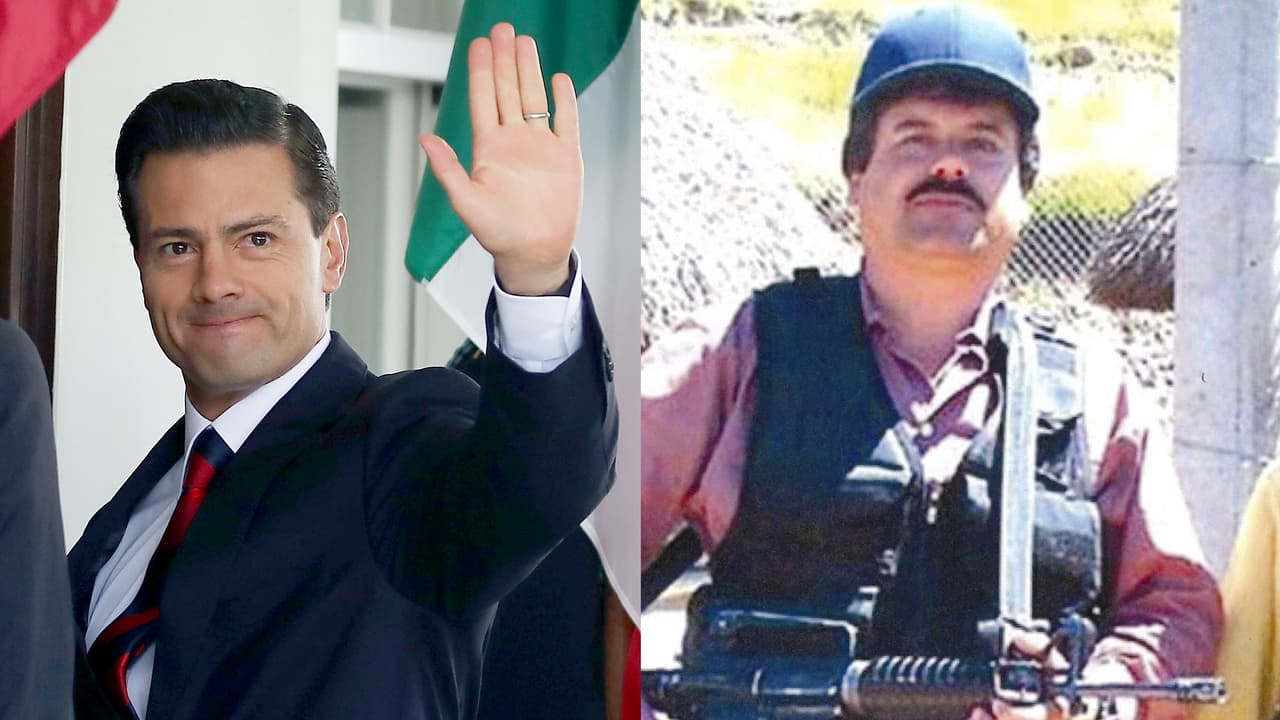
The time is well past due for the U.S. government to conduct a thorough review of leaders and their senior colleagues before they leave office to determine if they merit visas.
And who ordered the crackdown? "The absent ruler and his ubiquitous vice president not only tried to discredit the protests," wrote the Nicaraguan journalist Carlos Fernando Chamorro in the magazine Confidencial, "but also ordered the crackdown to intensify repression to the point where they actually caused a massacre." This has been, according to Chamorro, the worst bloodshed in the history of Nicaragua during the postwar years."
Ortega, once a Sandinista revolutionary, is now emulating the methods of the dictatorship he helped overthrow. And he has taken on the same sense of impunity. There is no hope of putting the masterminds of this carnage behind bars.
The revolt against Ortega and his regime was born in Nicaragua itself. It's not an international conspiracy intended to "disrupt" the country, as Cuba's dictators have recently suggested. These are students and teenagers who are sick of censorship and murder and are tired of living under an authoritarian government.
These young Nicaraguans remind me a lot of the 'Dreamers' and the survivors of the Parkland High School massacre in Florida. Change in Nicaragua is in the hands of the next generation, and they must know that they are not alone. Official censorship is largely evaded through social media, so we have been able to hear and see whats happening to them. Tyrants cannot hide the truth. Images of repression in Nicaragua will remain on the internet forever.
If something has been made clear amid this unrest, it is that the future of Nicaragua has no place for the Ortega regime. The country has gone through many decades of dictatorship, and the current regimes 23-year rule has been more than long enough. As we have seen in the streets, a new generation has emerged and is ready to lead the country.
Now, about that house where Ortega and Murillo live. It's not theirs. They took the estate from the Morales Carazo family, who were outside the country during the Sandinista Revolution in 1979. Jaime Morales, the former owner, told me some time ago that it was illegally seized. Morales, who later made peace with Ortega (and even became his vice president), estimated that when it was seized from him, the house and its contents were worth $1 million to $2 million.
I spoke with Ortega in 1996, and he actually couldn't tell me how much he paid for the house. "It was a very small amount, because everything was undervalued at the time," he said, without elaborating further. "I have hung onto the house; its a symbol."
Thats right. The house is a symbol and a reward. We should've known: If Ortega and Murillo didnt have any problems hanging on to a house that wasn't theirs, obviously they wouldn't have any problems hanging on to a country that wasn't theirs either.
It's time to move out.
Nicaragua has woken up, and the perpetrators of this massacre must be investigated. And Ortega and Murillo should start looking for a new house.
Relacionados: