
This spring, two fugitive state governors were arrested in a joint operation by Interpol and the Mexican police. Javier Duarte, who was captured in Guatemala, served six years as governor of the state of Veracruz, during which he allegedly misappropriated 233m pesos (US$12m) of public funds. Tomás Yarrington, onetime governor of the state of Tamaulipas, was arrested in Italy; he stands accused of co-operating with an extremely dangerous drug gang known as the Gulf Cartel. Both men are former members of the Institutional Revolutionary Party, now led by Mexico’s president, Enrique Peña Nieto.
Mexico's corruption problems are still among the world's deepest
Mexico has struggled with corruption for a long, long time, but recent events indicate that the situation is now at a truly intolerable pitch.

The former governor of Veracruz, Javier Duarte, was arrested April 15 in a luxury hotel on Lake Atitlán, en Guatemala.
Imagen Getty Images
This is not a novelty. Back in 1987, Gabriel Zaid’s book La economía presidencial put it as bluntly as could be: “Corruption is not a disagreeable characteristic of the Mexican political system: it is the system.”
Corruption has its roots not in any particular culture or history, but in human nature. It is present in some form in every community and every country. But where corruption pervades all levels of the state, as it does in Mexico, it creates an environment in which other forms of crime can thrive.
This is particularly true when it comes to organised crime, which if left unchecked can start a cycle of bribery and impunity. The sheer magnitude of illicit funds that major criminal organisations accrue allows them to readily bribe susceptible public authorities; this, in turn, gives them near-free reign for criminal activities such as drug trafficking, pimping and extortion, all of which raise more money.
This cycle can become almost impossible to break, and as honest citizens fall victim to violent crimes and watch their governments do nothing to stop them, they start to lose faith in their society’s institutions.
The cycle continues
Despite a near universal desire for an end to Venezuela’s manmade disaster, sending in U.S forces to take out the Maduro regime would be counter-productive. It should be categorically rejected by interim president Juan Guaidó, not to mention the Trump administration.
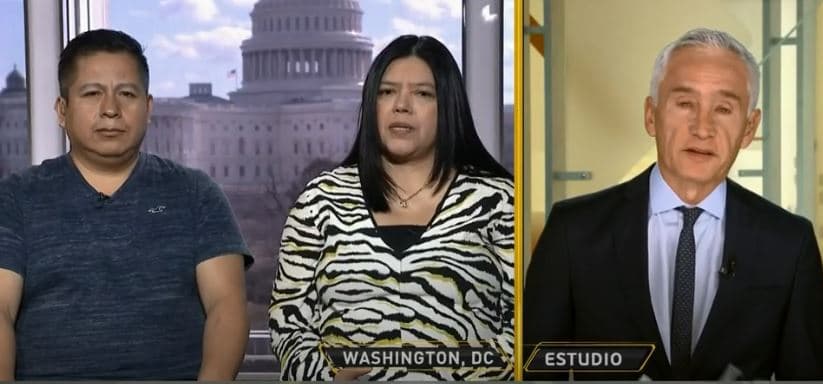
The firing of undocumented workers at Trump's golf clubs just shows how the practice of employing immigrants without legal work papers is much more common than we might imagine. Such is life in the United States.
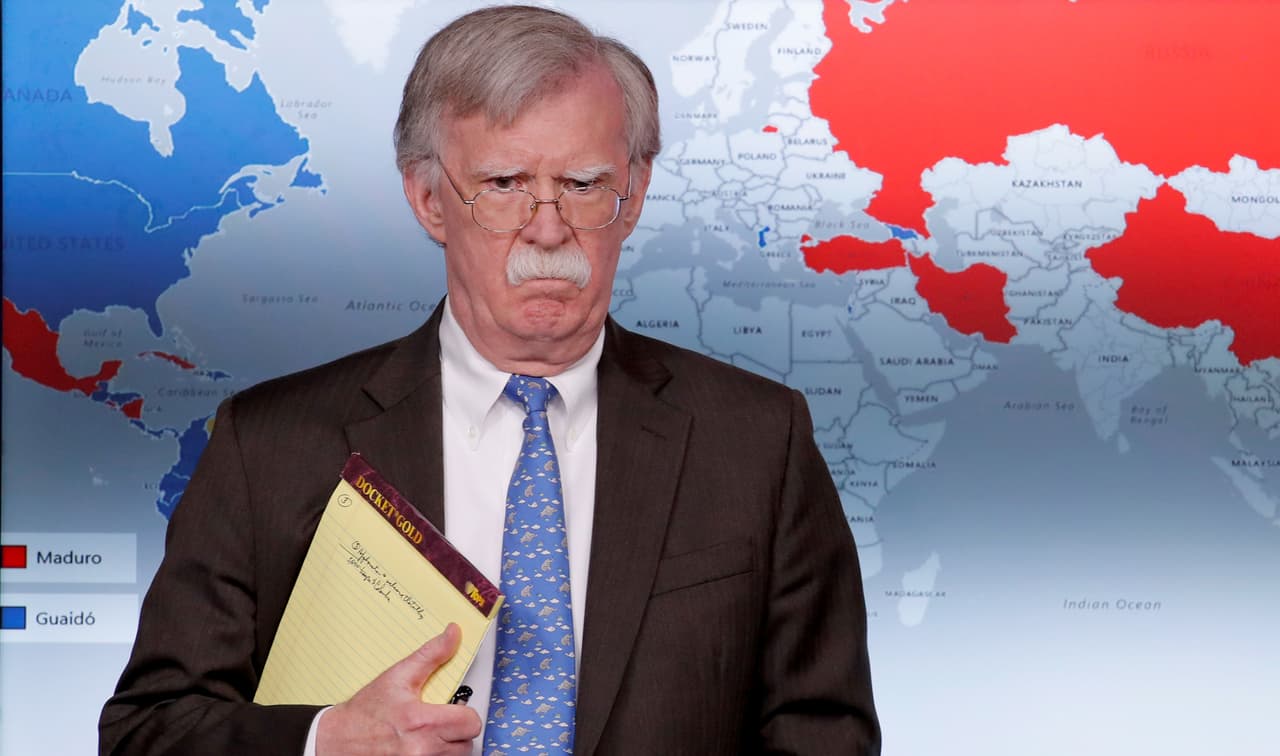
The Trump administration should be wary of fueling fake news predictions about an imminent American invasion which unrealistically raises expectations about Maduro's removal.

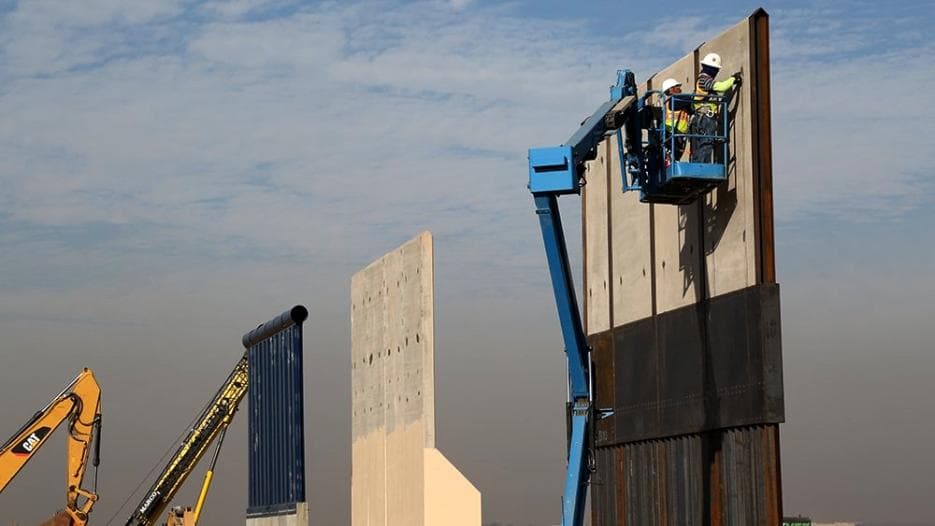
At some point we will have to accept the fact that the border between Mexico and the United States is nothing more than an invention.

The United States has had a major role in the evolving drama of the fight for democracy in Venezuela and Nicaragua. And so far, it’s been surprisingly coordinated, a veritable model of multilateralism.
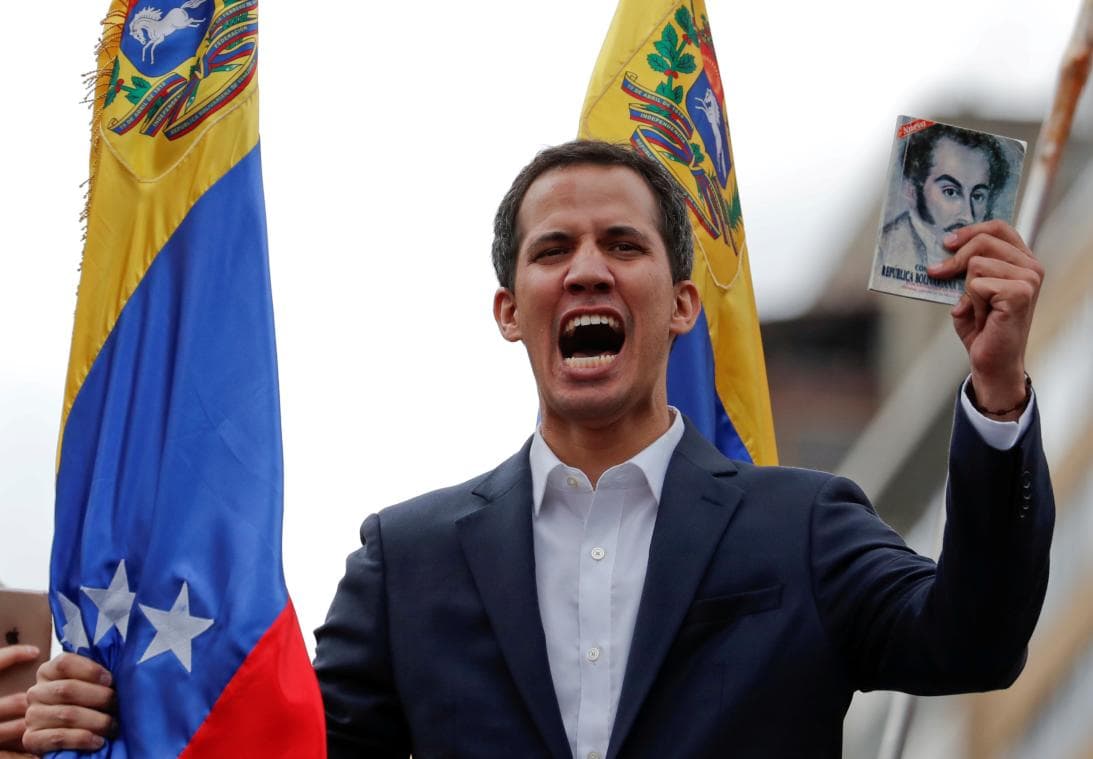
Has the Maduro regime reached breaking point? It remains hard to say, but tomorrow is another - more hopeful - day for the restoration of democracy in the South American nation.
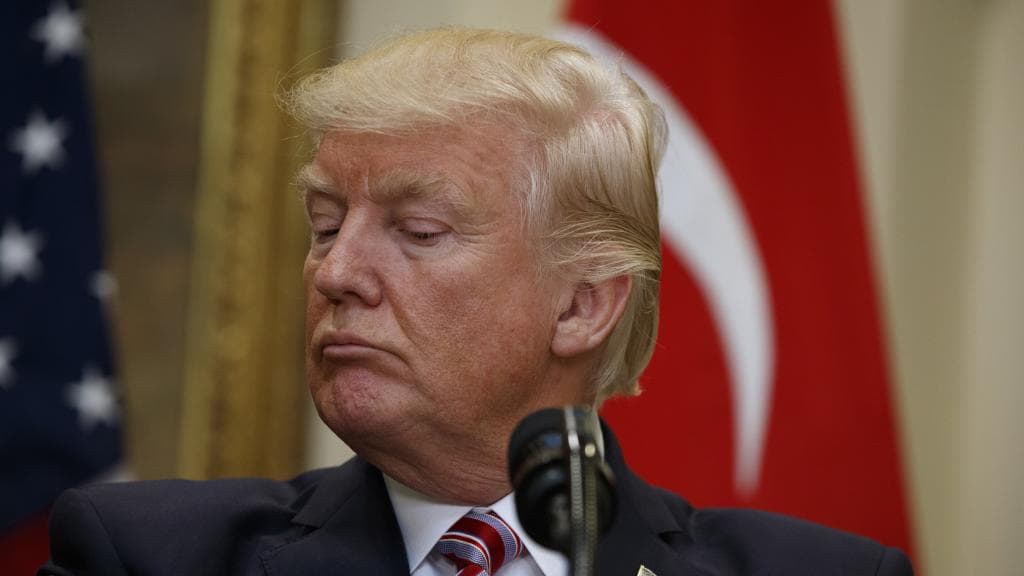
It’s impossible to get into Trump’s head but what comes out of his mouth are racist remarks. But, saddest of all are the millions who tolerate his views, cheer him on and emulate his behavior.

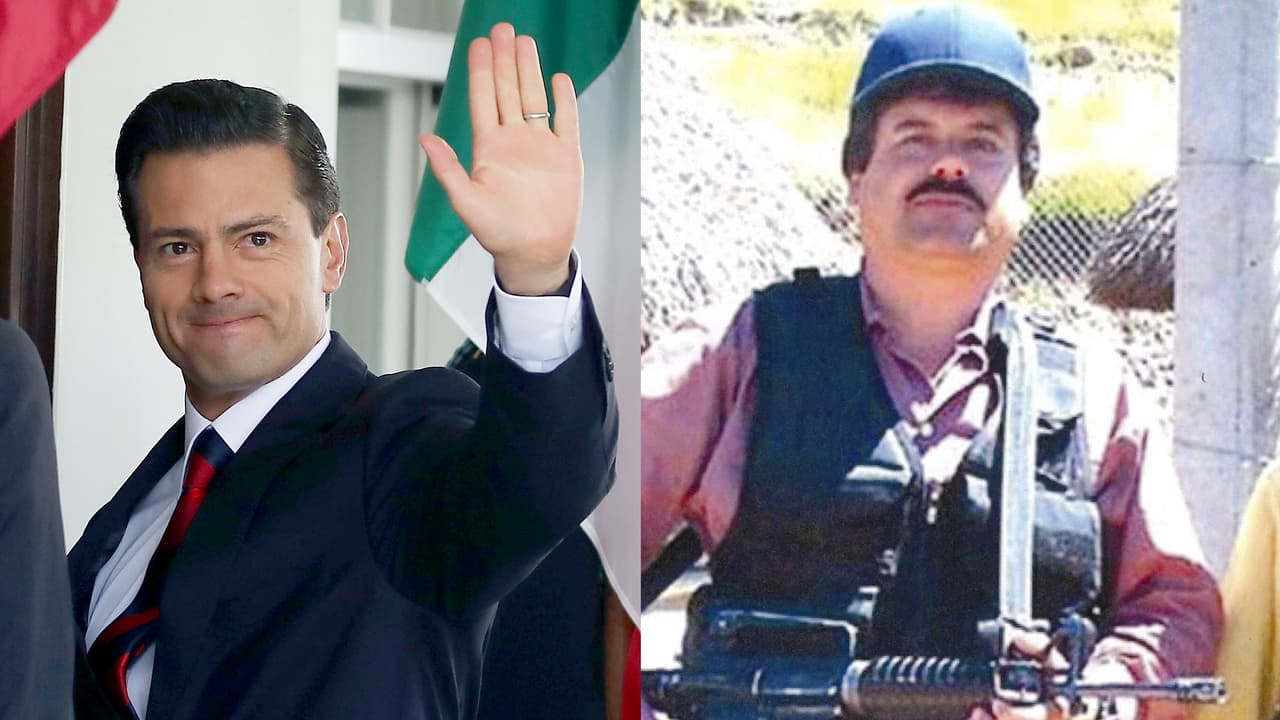
The time is well past due for the U.S. government to conduct a thorough review of leaders and their senior colleagues before they leave office to determine if they merit visas.
This is what’s happened in much of Mexico, which was ranked 123rd among 176 countries in the 2016 Corruption Perceptions Index. On a scale of zero (highly corrupt) to 100 (very clean), it came in at a poor 30. Some use the term narco-state to describe the open corruption between the Mexican political system and drug cartels, especially at the local level.
It’s hard to forget the horrifying 2014 kidnap and presumed murder of 43 students in the state of Guerrero. A goverment-appointed panel found that the students, who may well have been targeted for their left-wing activism, were brutally attacked and abducted by local police officers in league with members of the criminal organisation known as Guerreros Unidos.
Then there’s now-extradited drug lord Joaquín Guzmán, also known as El Chapo, who made various escapes from what were supposed to be Mexico’s most secure prisons with the help of prison officers. But events of this sort are not uncommon in Mexico: just this spring, Juan Jose Esparragoza Monzon, the son of another Mexican drug lord, escaped from prison with four compatriots.
The effects of systemic corruption extend far beyond these individual cases. The Mexican Institute for Competitiveness calculated that each year corruption costs the country between 2% and 10% of its GDP, reduces foreign investment by 5%, and wipes out 480,000 jobs from small and medium-sized businesses. It frustrates any sense of meritocracy, resulting in a serious brain drain that severely depletes Mexico’s skilled labour force.
Above all, corruption eats into the security of human rights, whether civil, political, economic, social and cultural. And its criminal perpetrators use the most brutal of methods to escape scrutiny: 62% of journalists murdered in Mexico since 1992 had investigated cases of corruption, political or otherwise, and 86% of these homicides have gone unpunished.
The long haul
The reasons for this sad state of affairs are many and complex. High up the list is the historical weakness of the central Mexican state, which dates back to its very founding. The lawless space it left allowed the spread of banditry and normalised the practice of graft among public officials. Such customs then evolved in modern Mexico’s informal economy, a sphere of unregulated, untaxed, uncontrolled and downright illegal business practices.
Once this sort of systemic corruption passes a certain threshold, it becomes almost impossible to eradicate – and yet, some aspects of the Mexican experience have a glimmer of hope about them.
For all that corruption seems to be tightly woven into Mexico’s national fabric, Mexicans themselves are still fighting it, and hard. That much was made clear by thousands of protestors. And in July 2016, under mounting pressure from the international community, the Mexican government at last enacted new anti-corruption measures. Even in a country whose national political system is widely considered deeply corrupt, anti-corruption reforms are not out of the question.
 Still, it pays to be realistic. Systemic corruption cannot be beaten merely through the enactment of some legislative instruments. What is needed is a dramatic change in political culture, as well constant political and social efforts – all of which in turn require vast reserves of time, resilience, and resolve.
Costantino Grasso, Lecturer in Business Management and Law, University of East London
This article was originally published on The Conversation. Read the original article.
Notas Relacionadas

Relacionados: