
In the U.S. today, a single immigration case takes an average of 677 days simply to get to the initial scheduling hearing. 
Is the US immigration court system broken?
Since 2002, funding for immigration enforcement has more than quadrupled. During the same time period, resources for immigration courts have increased by much less – 74 percent. A backlog of cases has arisen largely because of an increase in the number of Central American women and children seeking asylum. More judges and asylum officers are needed.
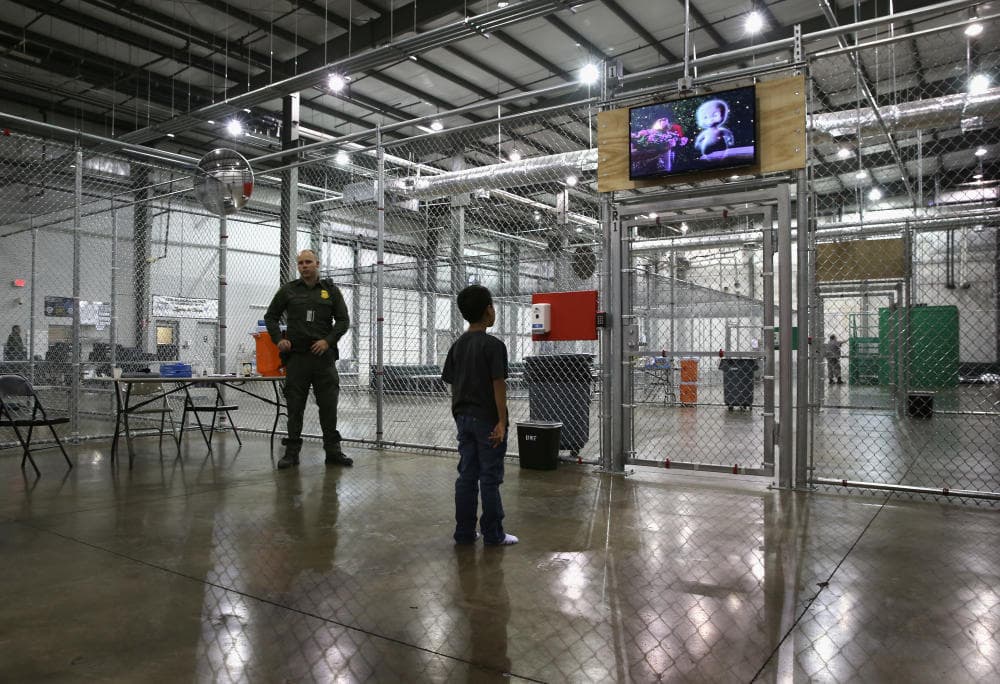
Texas immigration detention center
Imagen Getty Images
There are more than half a million cases in the system, and just over 300 judges working on them. The Trump administration’s push to aggressively enforce immigration laws will make this backlog worse.
Since 2002, funding for immigration enforcement has more than quadrupled, from US$4.5 billion to $20.1 billion in 2016. During the same time period, resources for immigration courts have increased by much less – 74 percent.
President Donald Trump’s budget for fiscal 2018 and request for supplemental funds for fiscal 2017 indicate he will continue this trend of funding immigration enforcement but not adequately funding immigration courts.
His budget requests would add to the more than $40 billion that the Department of Homeland Security will receive this year. It would include $4.1 billion to start building a border wall and $2.65 billion to increase the number of immigration detention beds. In comparison, the fiscal 2018 budget requests $80 million to add 75 new immigration judges.
As a law professor, I have devoted my career to representing asylum seekers and studying our nation’s immigration courts. I witness the daily effects of the immigration court backlog on the lives of immigrants.
Backlogged immigration courts
The U.S. has 57 immigration courts nationwide. The judges in these courts preside over cases in which an individual is in the U.S. and the U.S. government alleges that they may be removable. This includes immigrants who have recently arrived and are seeking asylum protection, lawful permanent residents rendered potentially removable due to a criminal conviction and undocumented immigrants who may be allowed to stay in the U.S.

Despite a near universal desire for an end to Venezuela’s manmade disaster, sending in U.S forces to take out the Maduro regime would be counter-productive. It should be categorically rejected by interim president Juan Guaidó, not to mention the Trump administration.
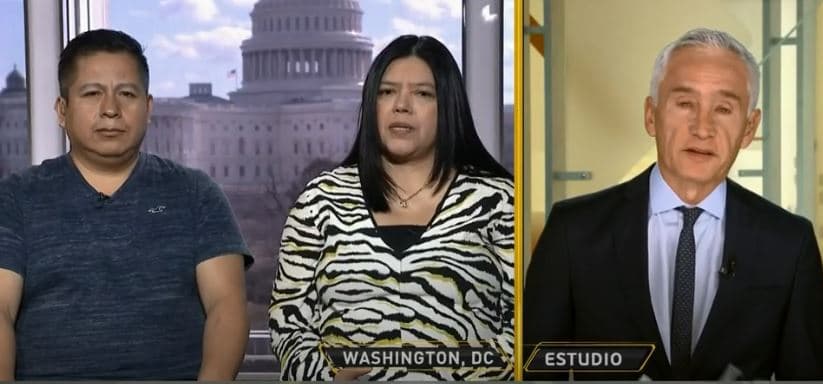
The firing of undocumented workers at Trump's golf clubs just shows how the practice of employing immigrants without legal work papers is much more common than we might imagine. Such is life in the United States.

The Trump administration should be wary of fueling fake news predictions about an imminent American invasion which unrealistically raises expectations about Maduro's removal.
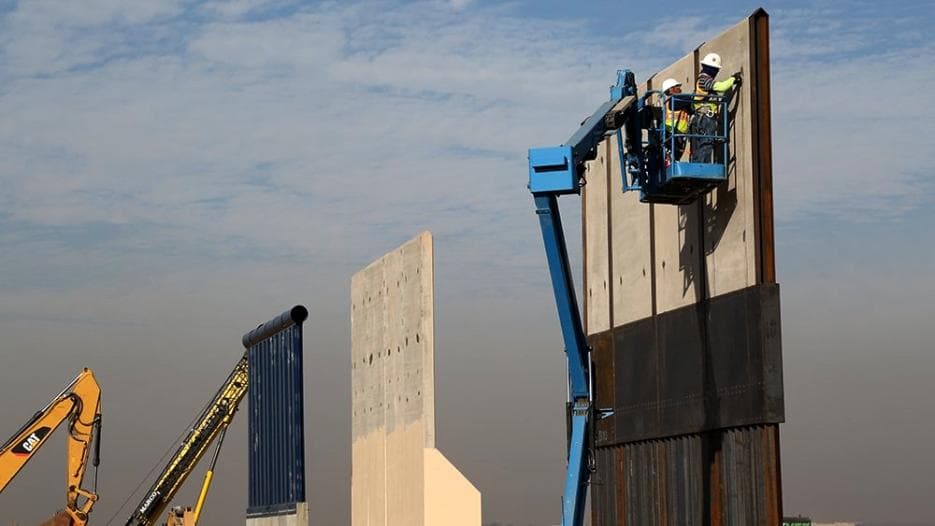
At some point we will have to accept the fact that the border between Mexico and the United States is nothing more than an invention.

The United States has had a major role in the evolving drama of the fight for democracy in Venezuela and Nicaragua. And so far, it’s been surprisingly coordinated, a veritable model of multilateralism.
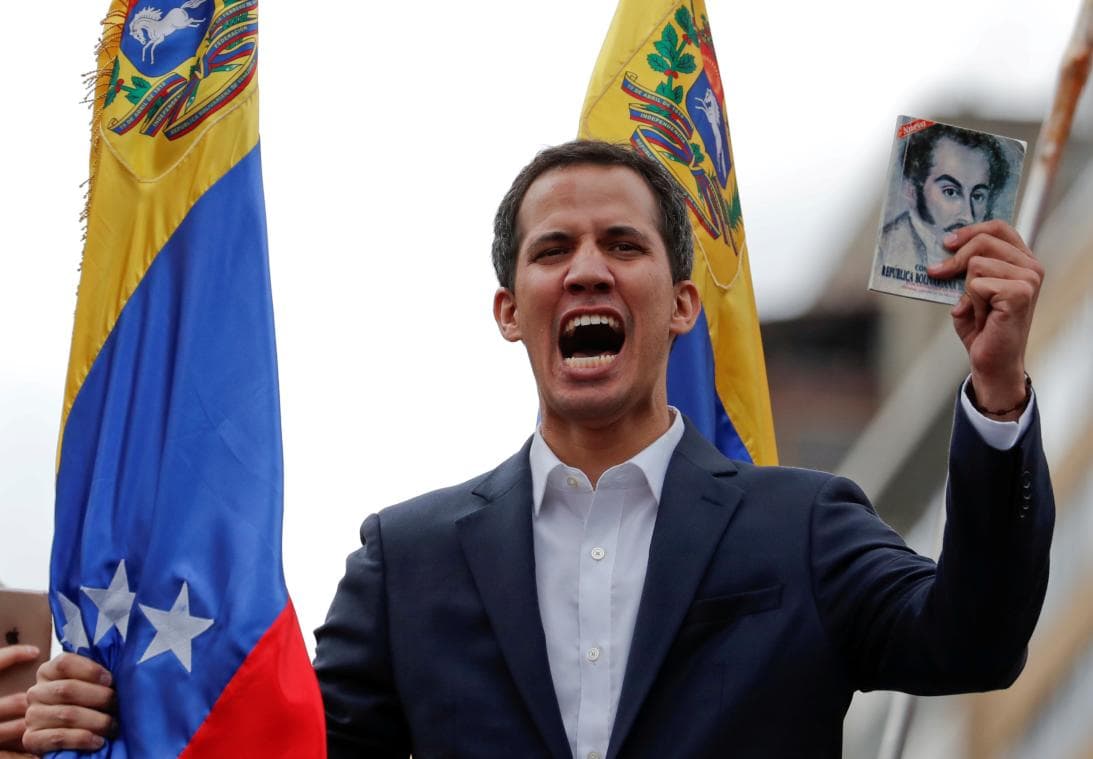
Has the Maduro regime reached breaking point? It remains hard to say, but tomorrow is another - more hopeful - day for the restoration of democracy in the South American nation.
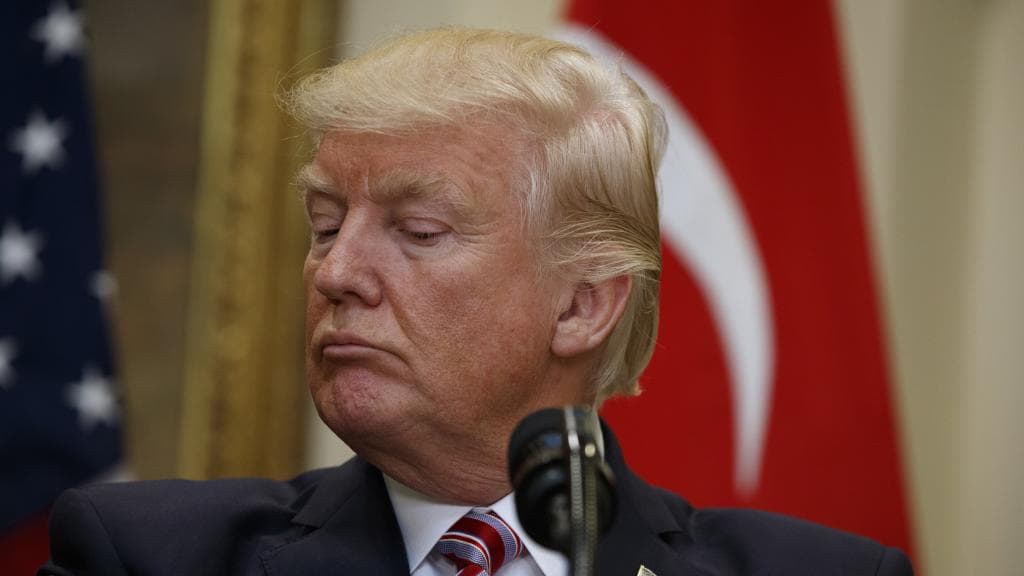
It’s impossible to get into Trump’s head but what comes out of his mouth are racist remarks. But, saddest of all are the millions who tolerate his views, cheer him on and emulate his behavior.


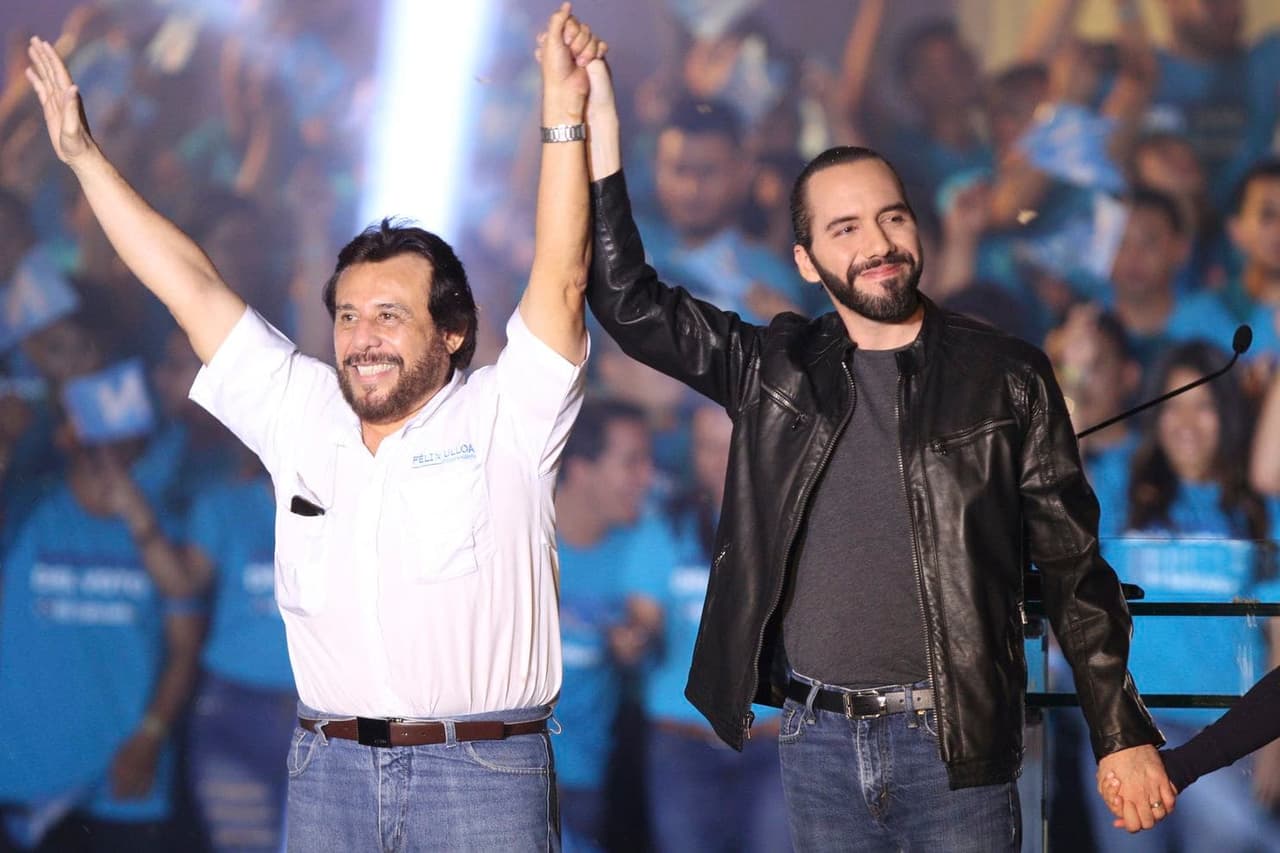
The time is well past due for the U.S. government to conduct a thorough review of leaders and their senior colleagues before they leave office to determine if they merit visas.
In 2015, the TRAC Immigration Project out of Syracuse University estimated that full resolution of cases in the backlog would take from 2 to 6 ½ years. Asylum applicants who are seeking U.S. protection from persecution in their home countries may wait five or more years simply for an interview to assess their claim.
The backlog has arisen largely because of an increase in the number of Central American women and children seeking asylum. Many families without authorization are sent to detention centers to be held while they undergo expedited removal.
The expedited removal process was created to bypass the immigration court system and allow for the swift removal of undocumented immigrants. However, if those immigrants say they’re afraid to return home, the Department of Homeland Security must give them a “credible fear interview” to determine if they are eligible for asylum. These individuals can then take their cases to immigration court.
Asylum officers are sent to detention centers to conduct credible fear interviews. Approximately 85 to 90 percent of families interviewed are granted the right to present their case in immigration court.
Asking asylum seekers to present their cases before both asylum officers and judges is repetitive and time consuming. It would be more efficient to either allow asylum officers to grant asylum after a credible fear interview when they see a strong case, or simply bypass this step and allow all asylum seekers to present their cases in court.
As of February 2017, there were only 527 asylum officers working in the nation’s eight asylum offices, even though the United States Citizenship and Immigration Services has authorized hiring as many as 625. The nonprofit Human Rights First estimates that 272 of those officers are needed just to conduct credible fear interviews.
Effects of the backlog
As I have detailed in my work, delays in processing immigrants cause hardships for asylum seekers.
While an asylum seeker is awaiting a decision in their case, they often face financial instability, difficulty finding employment and prolonged separation from immediate family members. Years of delay also make it more difficult for immigrants to find pro bono legal representation.
Meanwhile, the Department of Homeland Security Secretary John Kelly has cited the “historic backlogs” in immigration courts to justify increasing expedited removals.
There’s evidence that such expedited removals circumvent due process for asylum seekers. In some cases, U.S. border officials have even failed to properly implement safeguards to protect asylum seekers from being returned to harm or death. Recently, the U.S. government did not attend a hearing before the Inter-American Commission on Human Rights regarding Customs and Border Patrol illegally turning asylum seekers away from our southern border.
The nonprofit Human Rights First estimates that the U.S. needs at least 524 judges working to address the immigration court backlog, in addition to more law clerks and administrative support.
More asylum officers are also needed. Human Rights First estimates that with 800 asylum officers on the job, we could get rid of the backlog by 2022.
Solving the problem of our nation’s backlogged immigration courts should be a priority for any administration to ensure that the system functions in a timely and efficient manner.
Lindsay M. Harris, Assistant Professor of Law, University of the District of Columbia
This article was originally published on The Conversation. Read the original article.
Relacionados: