“The mother of all protests” – that’s what Venezuela’s opposition movement called an enormous march last week, in which over a million citizens took to the streets to “defend the homeland” against President Nicolás Maduro’s increasingly authoritarian regime. 
In restless Venezuela, the military will determine how long Maduro's regime can last
Will the current demonstrations end differently than the 2014 protest movement or last year’s failed attempt to remove the president via referendum?
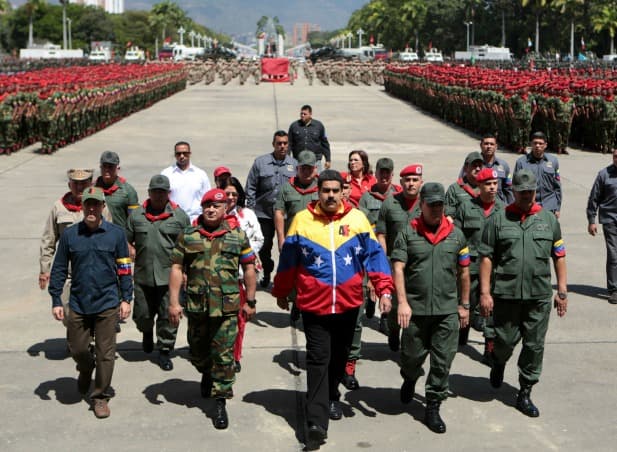
Venezuela's President Nicolas Maduro attends a military parade on February 4, 2015 to commemorate the 23rd anniversary of late President Hugo Chavez’s failed coup attempt in Caracas.
Imagen Miraflores Palace/Handout via Reuters
Protests alone rarely spur regime change. But without them – in Venezuela, as in many countries – political transition is impossible. And it is now evident that the wave of protests that has seized the country in recent weeks has had a significant impact on the evolution of Venezuela’s political situation, even though some might wish to deny this.
The pro-democracy parties and movements that oppose the Maduro government have managed to shift the battleground for their political fight. They have taken it out of state institutions where their only support is in the legislature, which has long been neutered by administration-controlled institutions, such as the Supreme Court, and onto the streets.
The immense public show of anger was unexpected, and it has made for a more symmetrical conflict between the government and its opposition. But will the current demonstrations end differently than the 2014 protest movement or last year’s failed attempt to remove the president via referendum?
The answer to this question largely depends on what position the Venezuelan military now takes.
Loosening grip
For many years, Venezuela’s authoritarian regime had two advantages: Hugo Chávez’s charismatic leadership and abundant oil income, which allowed the government to finance clientelistic relations and foster support with vested interests.
Together, they enabled Chávez’s United Socialist Party of Venezuela to triumph in almost every election from 1998 to 2012. But Maduro, his chosen successor, has neither going for him. And he is now facing the collapse of the Chávez model and the impossibility of reestablishing his government’s legitimacy electorally.
Ever since his party was defeated in legislative elections in December 2015, the president has relied on a complicit Supreme Court and National Election Council to avoid being removed via an opposition-supported recall referendum.
Those government bodies have also enabled him to indefinitely postpone gubernatorial elections that, constitutionally speaking, should have taken place last year (polls indicated that ruling party candidates would roundly lose).
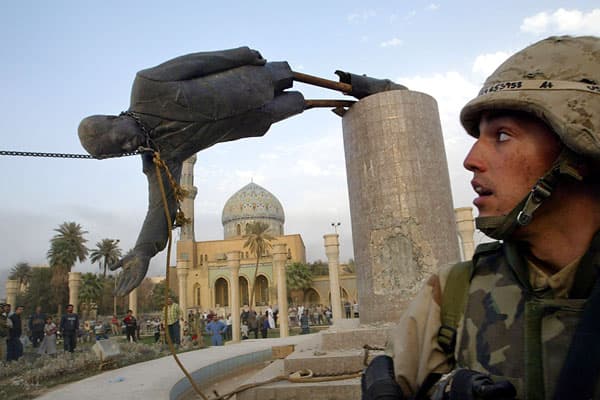
Despite a near universal desire for an end to Venezuela’s manmade disaster, sending in U.S forces to take out the Maduro regime would be counter-productive. It should be categorically rejected by interim president Juan Guaidó, not to mention the Trump administration.
The firing of undocumented workers at Trump's golf clubs just shows how the practice of employing immigrants without legal work papers is much more common than we might imagine. Such is life in the United States.
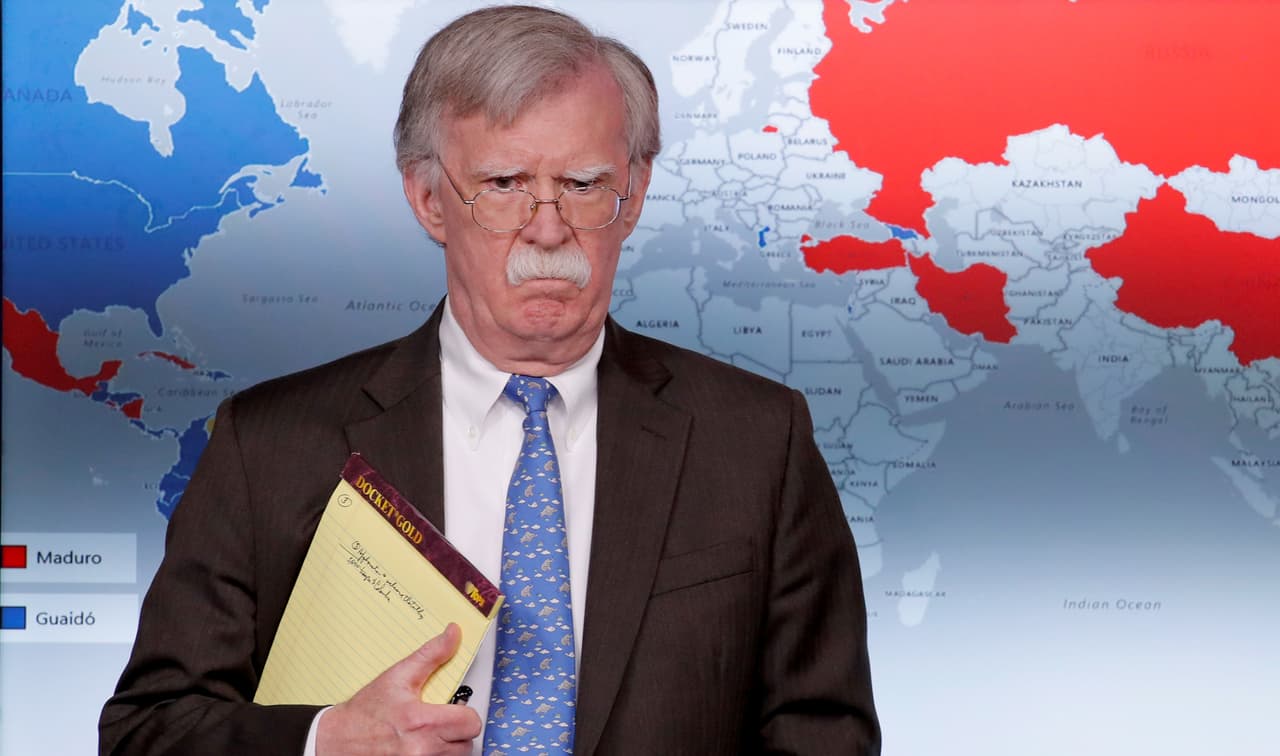
The Trump administration should be wary of fueling fake news predictions about an imminent American invasion which unrealistically raises expectations about Maduro's removal.
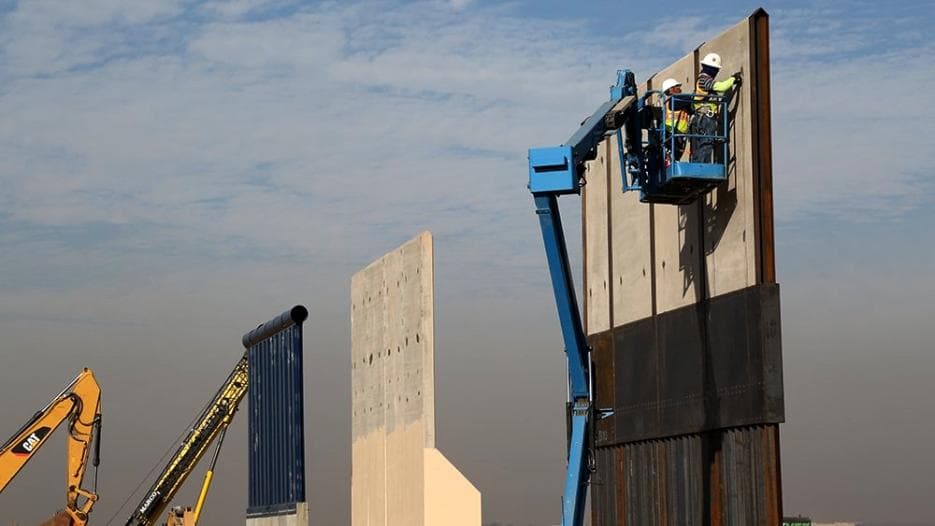
At some point we will have to accept the fact that the border between Mexico and the United States is nothing more than an invention.

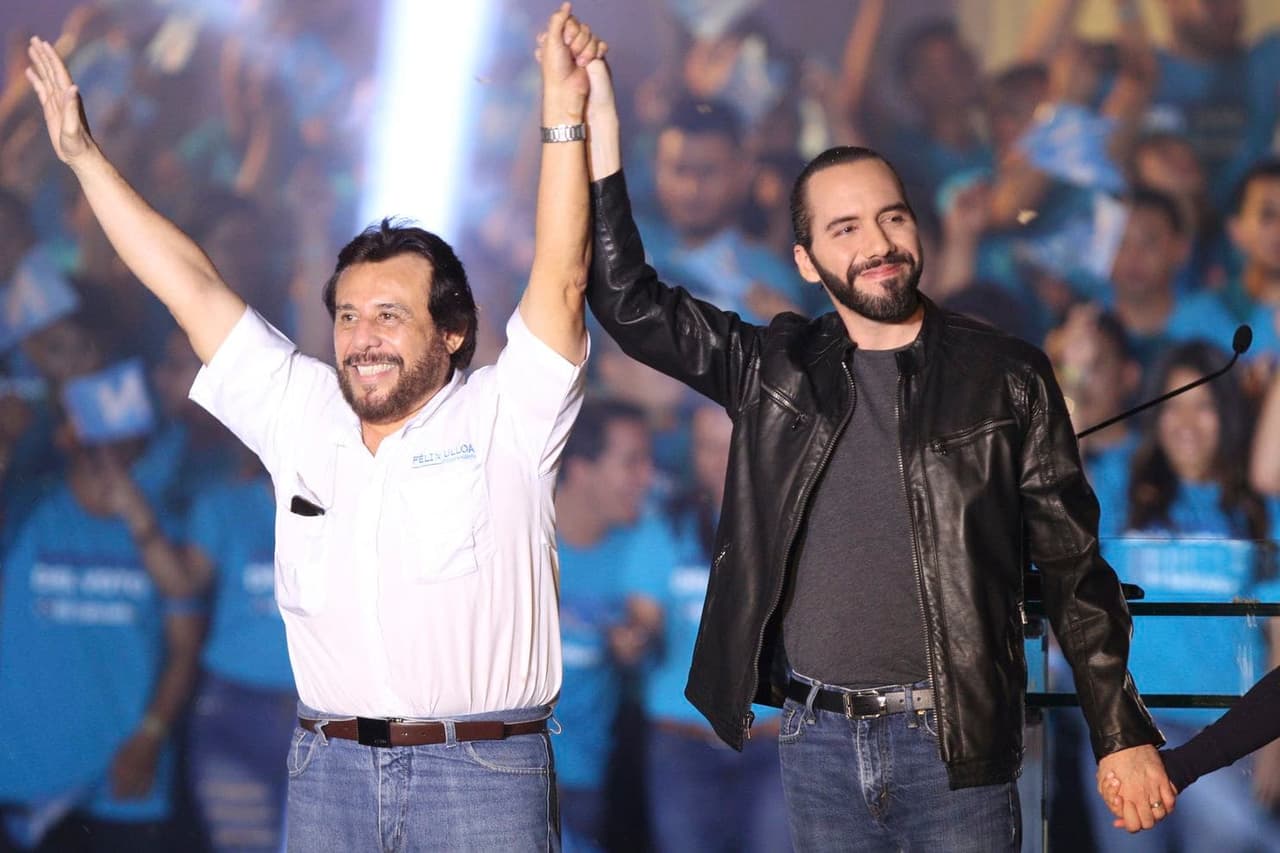
The United States has had a major role in the evolving drama of the fight for democracy in Venezuela and Nicaragua. And so far, it’s been surprisingly coordinated, a veritable model of multilateralism.
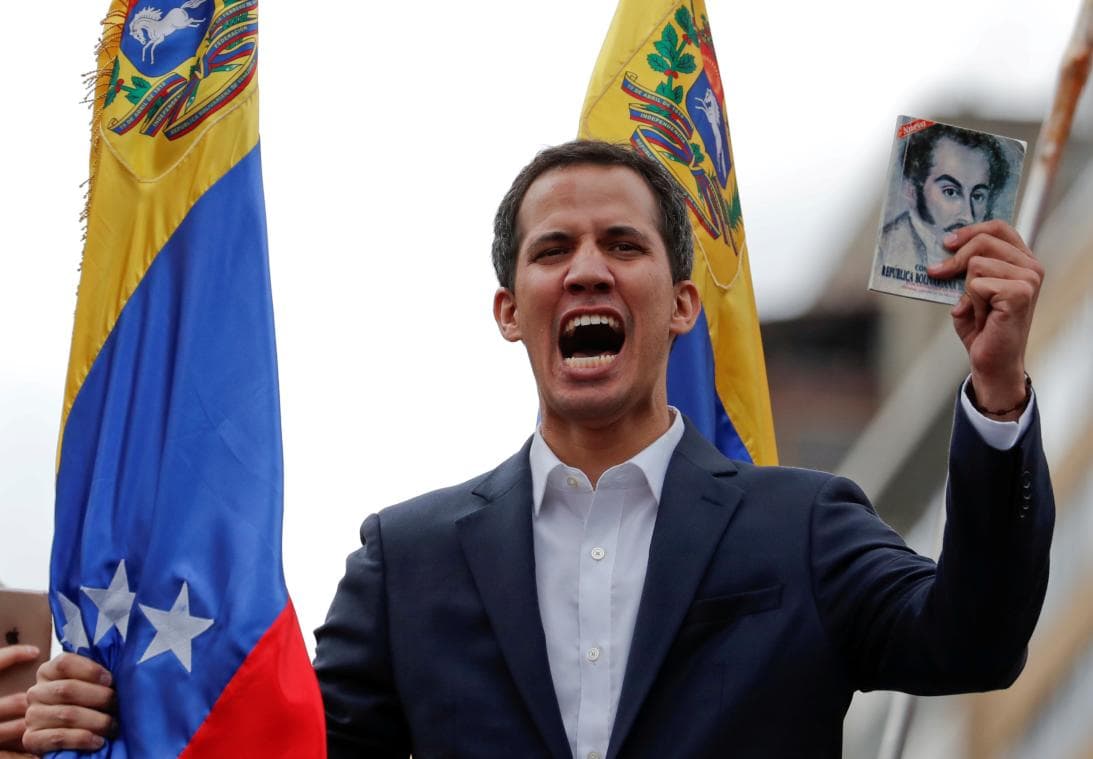
Has the Maduro regime reached breaking point? It remains hard to say, but tomorrow is another - more hopeful - day for the restoration of democracy in the South American nation.
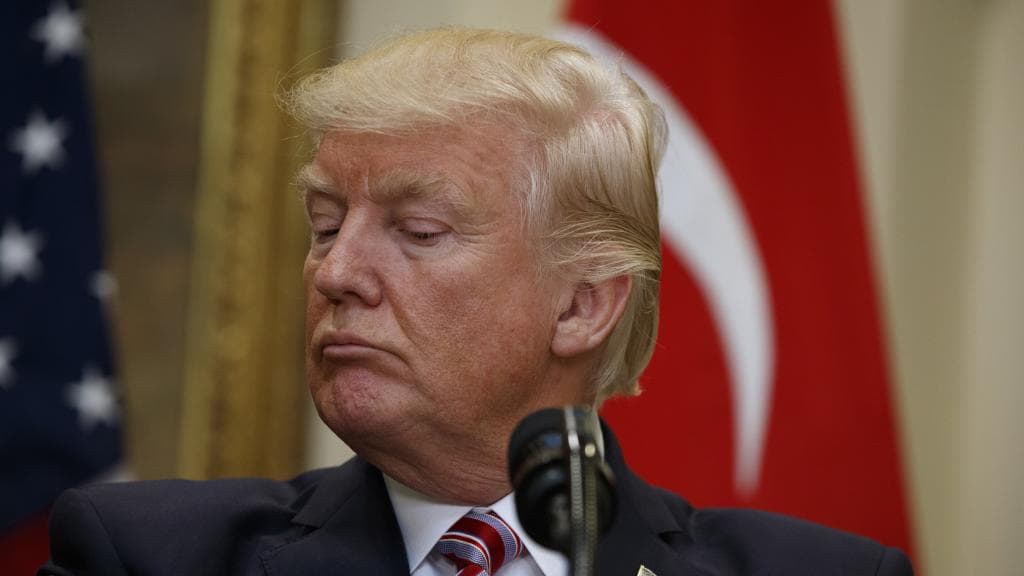
It’s impossible to get into Trump’s head but what comes out of his mouth are racist remarks. But, saddest of all are the millions who tolerate his views, cheer him on and emulate his behavior.
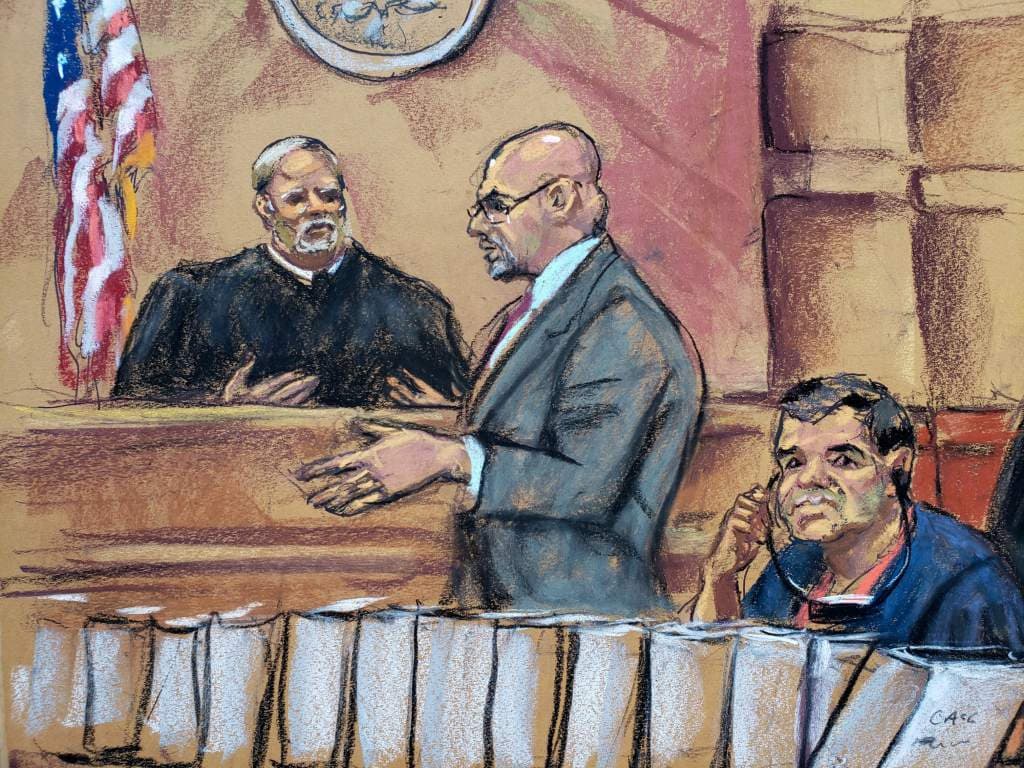
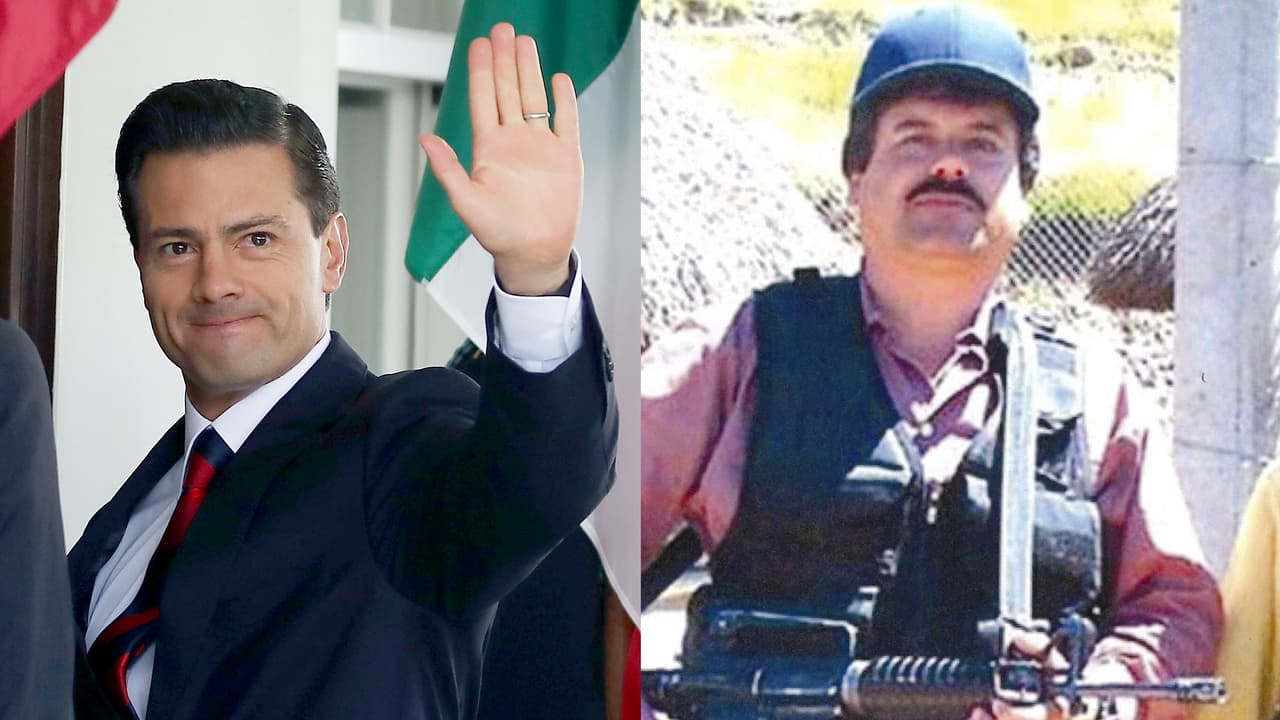
The time is well past due for the U.S. government to conduct a thorough review of leaders and their senior colleagues before they leave office to determine if they merit visas.
Venezuela’s situation is not unprecedented. Eventually, every authoritarian regime that has used elections to maintain power (Mexico’s Partido Revolucionario Institucional is another Latin American example), reaches the point where, having lost political support, it has two choices: try to negotiate the consequences of an electoral defeat or seek to stay in power through the use of brute force.
If it chooses the latter, the government must depend principally on cooperation from the military. And this is the uncomfortable position in which Maduro now finds himself.
The generals in their labyrinth
But Venezuela’s armed forces are facing their own dilemma: either maintain a neutral institutional role or support the regime in repressing its own people.
Authoritarian regimes that stay in power using violence are well aware of their dependency on the military, so they try to find ways to gain its commitment, including by incorporating the military into the government itself.
The practice of appointing generals into positions of power existed under Chávez, but it has increased markedly since Maduro’s dubious election in 2013, which called into question the legitimacy of his government. And it’s now difficult to distinguish between government and the military as a significant number of Maduro’s cabinet members are active in the armed forces.
The military’s commitment to its government can also be facilitated by incentivising or planning confrontations in which soldiers become personally responsible for violating the human rights of citizens. This tactic turns the army into a hostage of the status quo.
This quandary is the greatest asset of those who seek regime change in Venezuela today. The ongoing mass protests have actually shifted the balance of power toward the opposition, at least temporarily, because continuing to repress demonstrators will have an increasingly high cost for both the government and the military.
Protests aren’t cost-free for the opposition, of course. Since this wave of demonstrations began in late March, 29 people have been killed, along with a large (but undefined) number who have been wounded and arrested.
The main worry is not that this wave of protests will flicker out without producing yearned-for political change. It’s that if it does fail, it will leave the battlefield negatively balanced, setting the opposition back and again reinforcing Maduro’s power.
The challenge for Venezuela’s generals at this point is to find a way out of this labyrinth that allows them to protect both their personal and professional interests, which do not always overlap.
Soldiers are accustomed to obeying orders but there’s no guarantee that they will help implement illegitimate decisions, such as cracking down ever harder on protesters. And if commanders and troops refuse to pay the price for human rights violations by personally and absolutely implicating themselves in the status quo, then the military’s bottom-heavy pyramid structure may well collapse along with the government.
At this point, following orders could prove costlier than disobedience for those in the army.
Playing with time
All this means continued demonstrations could actually spur political change in Venezuela.
Generally speaking, time works against protest movements. But repression works against governments because it creates a vicious cycle. When the government uses force against protesters it loses credibility. And the more credibility it loses, the more it relies on the use of force, which, in turn, spurs protesters to keep on marching.
The fact is that the Maduro regime’s survival depends almost exclusively on whether the armed forces are willing to violently repress the Venezuelan people. And that decision depends on the cost-benefit analysis up and down the military chain of command as generals and soldiers alike weigh the pros and cons of their current dilemma.
They have to decide whether to maintain the status quo by using force or step back and allow change to happen in a less traumatic way. That is, after all, how democracy works.
Benigno Alarcón, Director of the Centre for Political Studies, Andres Bello Catholic University (UCAB)
This article was originally published on The Conversation. Read the original article.
Relacionados: