
It may seem hard to remember these days, but there was once a time when the United States was viewed by some as a model for liberal democracy in the hemisphere.
How Trump is becoming a model of excellence for banana republic autocrats
Some say Trump's latest moves have made the United States resemble Nicaragua, led by strongman Daniel Ortega.
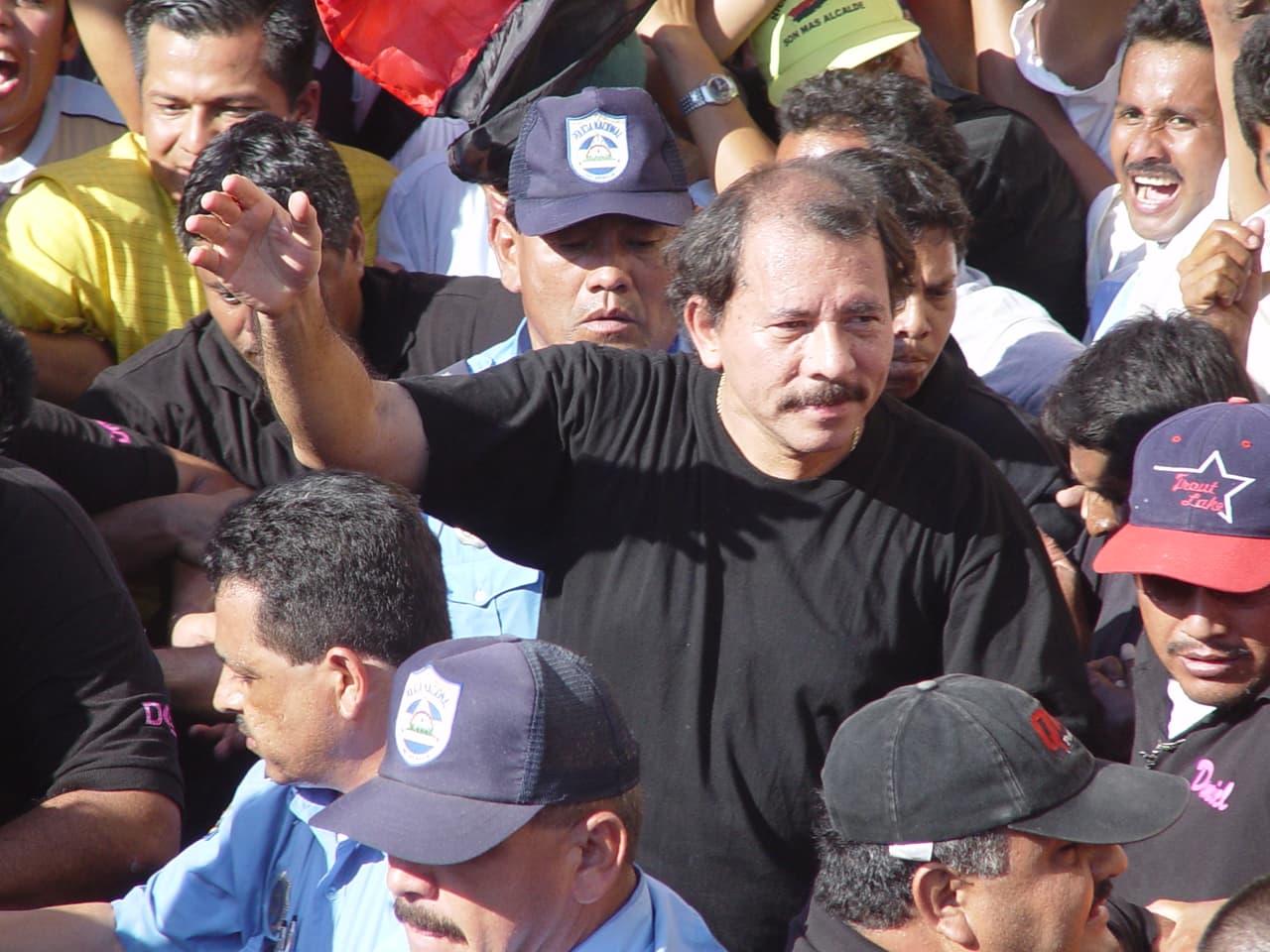
Nicaragua's President Daniel Ortega among the masses.
Imagen Tim Rogers
Back in the ante-Trumpian days, many people in Latin America—a region that has experienced more than its fair share of authoritarianism, revolution, and tumult—looked to the U.S. as a pillar of stability, liberty, and rule of law. Sure the U.S. had a nasty penchant for interventionism and economic expansionism, but its 200-plus year run with representative democracy was a streak worthy of admiration.
Then Trump came along and flipped the script.
After more than 100 days of insulting the press, threatening political opponents, bullying union leaders, attacking judges, banning immigrants, signing decrees like a king, and sacking top judicial officials who were investigating his ties to Russia, Trump is looking like a banana republic autocrat without the epaulettes or dark aviator sunglasses.
"The U.S. under Trump is showing increasing signs of illiberal democracy, and autocrats may well feel empowered by a sense that the U.S. simply does not care about protecting safeguards," says Michael Shifter, president of the Washington, D.C.-based Inter-American Dialogue.
Shifter says many people in Latin America never actually looked up to the U.S. as a model for democracy, rather as a "hypocritical" and "paternalistic power up North." Still, he adds, under Trump "the U.S. is losing whatever credibility it had on the democracy question."
Tio Sam's image suffered another serious blow on Tuesday, when Trump suddenly axed FBI Director James Comey—a move that former CIA chief Mike Hayden says makes the United States look like Nicaragua, where President Daniel Ortega returned to power democratically in 2007 and then spent the next decade systematically dismantling the country's constitutional democracy and consolidating power in a family rule. "With three high profile firings in quick succession, it's beginning to feel a little bit like Nicaragua around here," Hayden penned in an op-ed for The Hill.
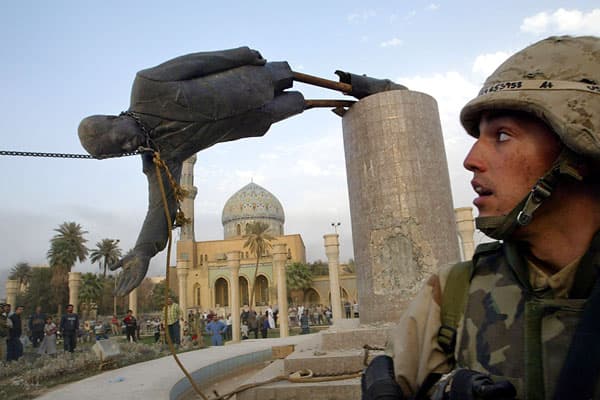
Despite a near universal desire for an end to Venezuela’s manmade disaster, sending in U.S forces to take out the Maduro regime would be counter-productive. It should be categorically rejected by interim president Juan Guaidó, not to mention the Trump administration.
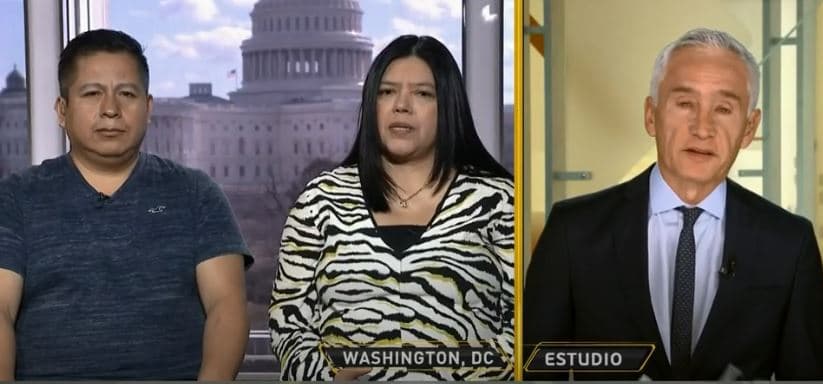
The firing of undocumented workers at Trump's golf clubs just shows how the practice of employing immigrants without legal work papers is much more common than we might imagine. Such is life in the United States.
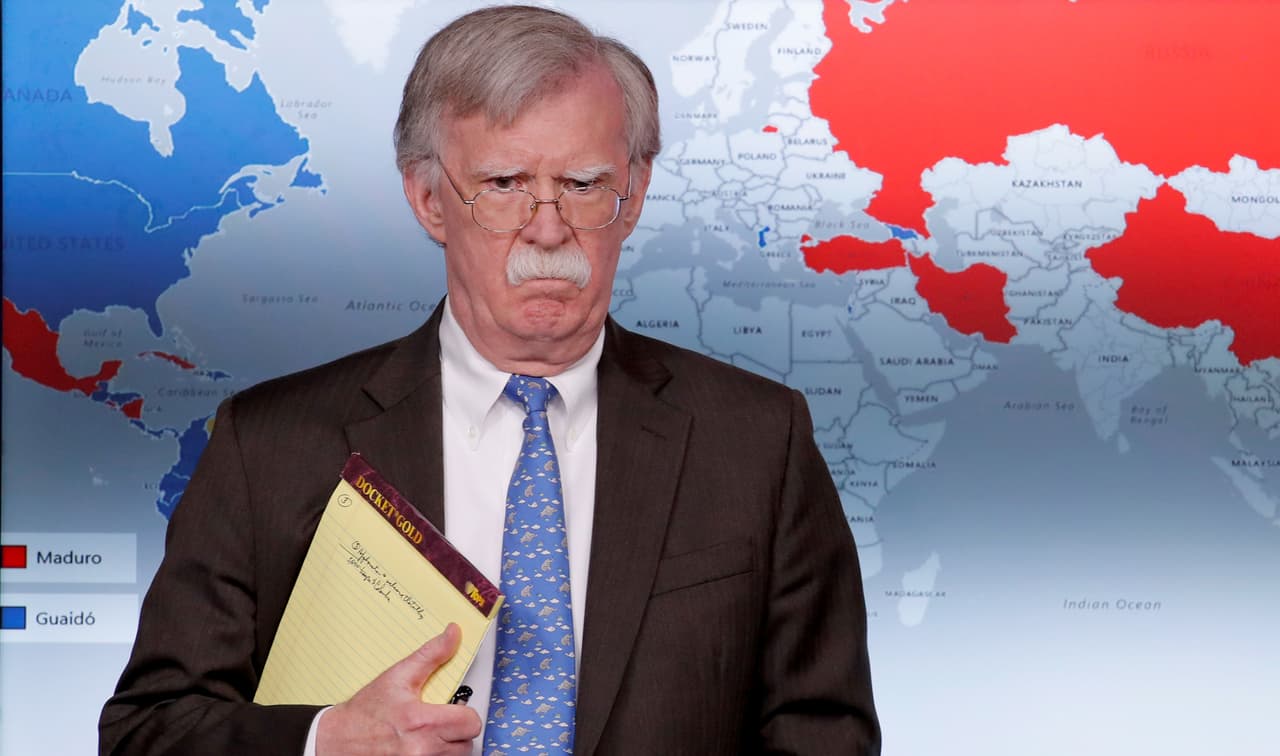
The Trump administration should be wary of fueling fake news predictions about an imminent American invasion which unrealistically raises expectations about Maduro's removal.
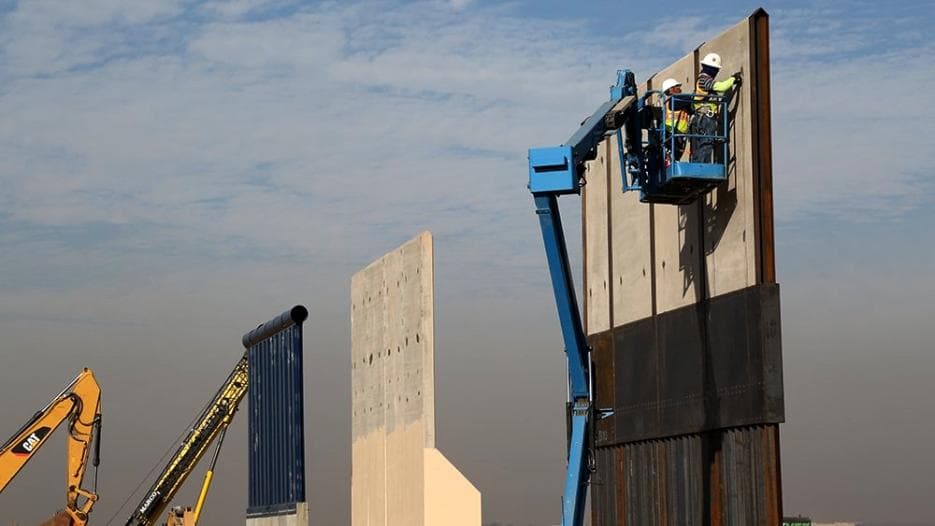
At some point we will have to accept the fact that the border between Mexico and the United States is nothing more than an invention.

The United States has had a major role in the evolving drama of the fight for democracy in Venezuela and Nicaragua. And so far, it’s been surprisingly coordinated, a veritable model of multilateralism.
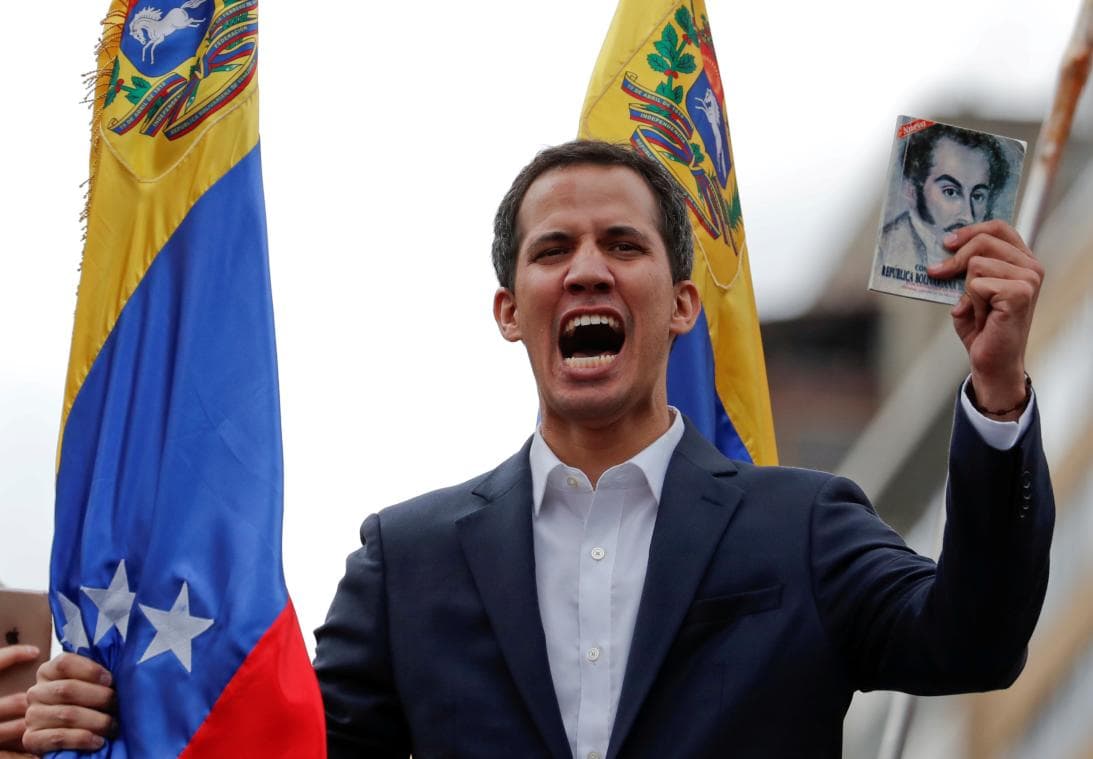
Has the Maduro regime reached breaking point? It remains hard to say, but tomorrow is another - more hopeful - day for the restoration of democracy in the South American nation.
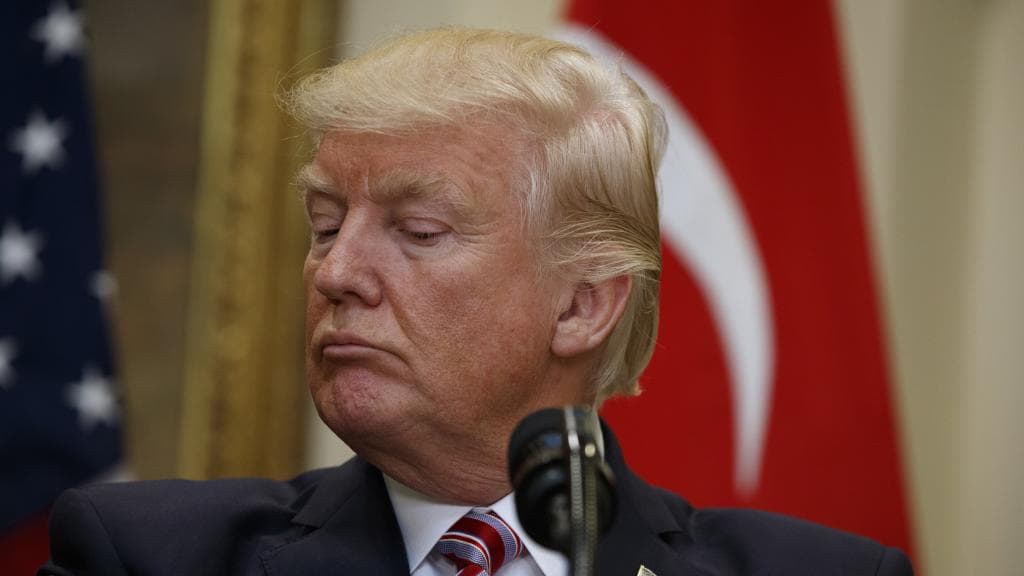
It’s impossible to get into Trump’s head but what comes out of his mouth are racist remarks. But, saddest of all are the millions who tolerate his views, cheer him on and emulate his behavior.
The time is well past due for the U.S. government to conduct a thorough review of leaders and their senior colleagues before they leave office to determine if they merit visas.
Some Nicaraguans say that's something the U.S. probably wants to avoid—for everyone's sake.
"Trump's vision of power isn't just a problem for U.S. democracy, it could lead countries like Nicaragua to adopt worst practices," says Gabriel Alvarez, a Nicaraguan professor of constitutional law at American University in Managua.
Alvarez says that anti-democratic leaders like Ortega are watching Trump from afar and thinking: ‘If the U.S. president can get away with that, why not me?’
Not that Ortega needs much encouragement. He's been doing the strongman thing much longer than Trump, and he's way better at it. But thanks to Trump, anti-democratic leaders are now in important company.
"Trump is a problem for countries with a deficiency in democracy," Alvarez says. "Heads of state are looking at United States and thinking that their own governments are no longer looking as dictatorial as the critics say."
The lesson from Trump, he says, is that "a dictator can do whatever he wants within the framework of an alleged democracy."
There is, however, one big difference, Alvarez says. The U.S. has much stronger institutions and a separation of powers that will prevent Trump from consolidating control like a Latin American strongman.
"Trump still can't do what Ortega has done in Nicaragua," Alvarez says. "But it won't be from a lack of trying."
Yet not all Nicaraguans think the former CIA boss' comparison is accurate.
"It's not comparable—the situation in Nicaragua is far worse," says former Nicaraguan Attorney General Alberto Novoa.
Novoa would be in a position to know. He was appointed by former President Enrique Bolaños to lead to high-profile corruption probe in the early aughts, but similar to Comey, he got fired by the president when it looked like his investigation was starting to bear fruit.
Yet despite knowing how Comey felt when he woke up this morning, Novoa says the United States still has "a long ways to go" to catch up to Nicaragua.
"You haven't even started yet!" Novoa told me with a laugh.
Then again, neither has Trump.
Relacionados: