One of the hardest things to do — anywhere — is remove a president from office.
How to remove a president
It’s tough to unseat someone who wields almost all the power, but not impossible when the people speak out. Compare the examples of the United States, Mexico and Venezuela.
Trump and Maduro
Imagen Univision
When a president assumes power, he inherits a complex system that’s in place mainly to protect him, physically and legally. Once in office, he has an army, spies, lawyers, bureaucrats and a lot of resources to defend him.
This is why ousting the beleaguered leaders of countries like the United States, Mexico and Venezuela is so complicated.
Dumping a president starts with proving he did something illegal. Personal scandals, bad management and plummeting approval ratings aren’t enough to reverse the will of the electorate (assuming, of course, that the president was democratically elected). You need evidence that a crime has been committed.
In the U.S., the search is on. Last week, former FBI director James Comey testified before a U.S. Senate committee that President Trump urged him to back off from an investigation into possible links between Russia and Michael Flynn, the president’s former national security adviser.
Comey also testified that Trump asked for his “loyalty” — and, failing to secure it, fired him last month. “I was fired because of the Russia investigation,” Comey told the committee. If it turns out that Trump was attempting to obstruct justice, he could face impeachment.
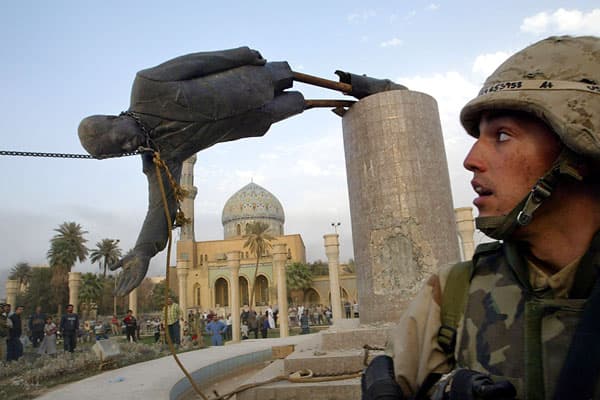
Despite a near universal desire for an end to Venezuela’s manmade disaster, sending in U.S forces to take out the Maduro regime would be counter-productive. It should be categorically rejected by interim president Juan Guaidó, not to mention the Trump administration.
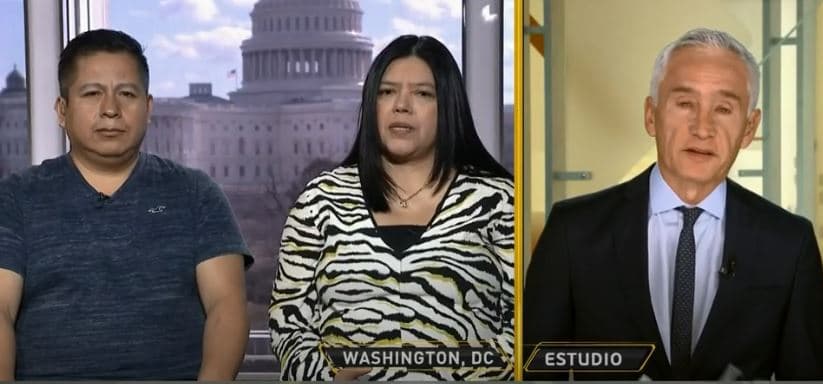
The firing of undocumented workers at Trump's golf clubs just shows how the practice of employing immigrants without legal work papers is much more common than we might imagine. Such is life in the United States.
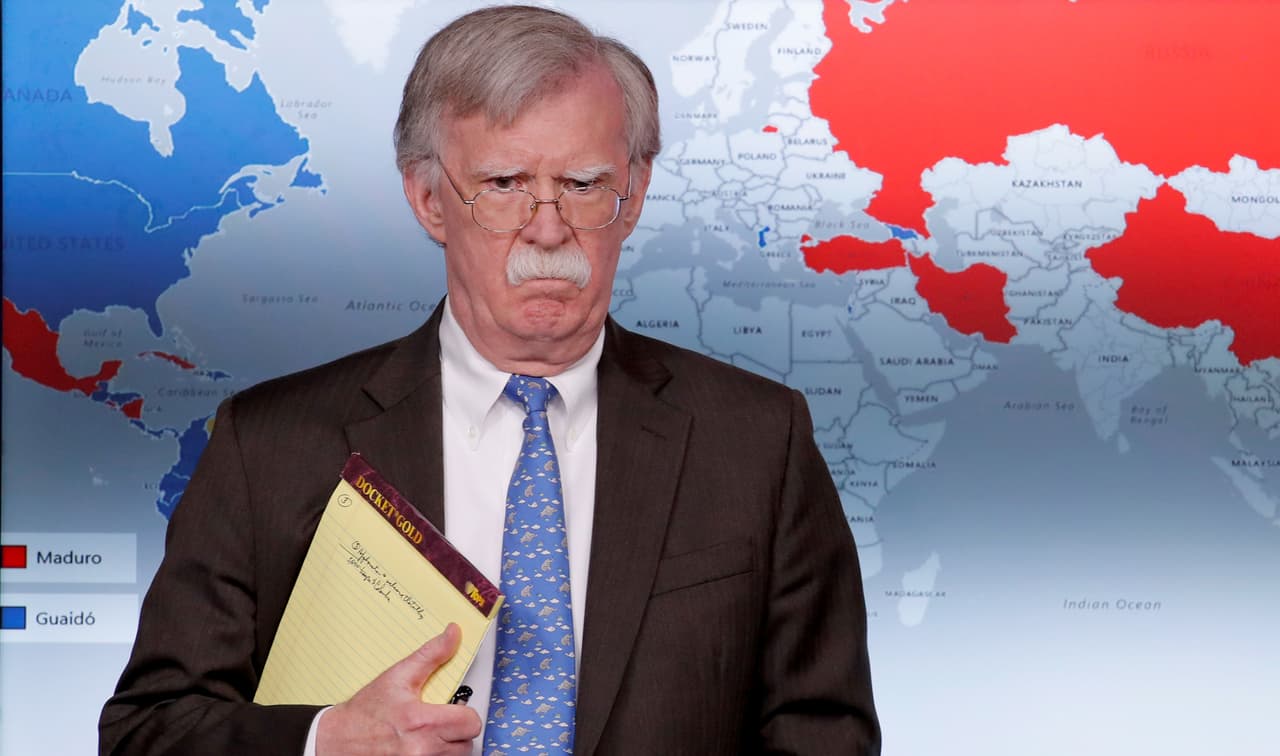
The Trump administration should be wary of fueling fake news predictions about an imminent American invasion which unrealistically raises expectations about Maduro's removal.
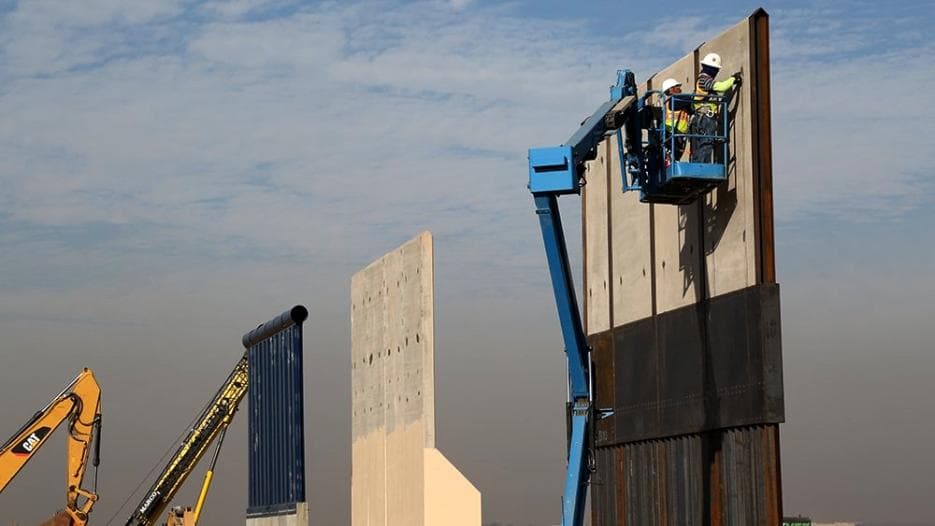
At some point we will have to accept the fact that the border between Mexico and the United States is nothing more than an invention.

The United States has had a major role in the evolving drama of the fight for democracy in Venezuela and Nicaragua. And so far, it’s been surprisingly coordinated, a veritable model of multilateralism.
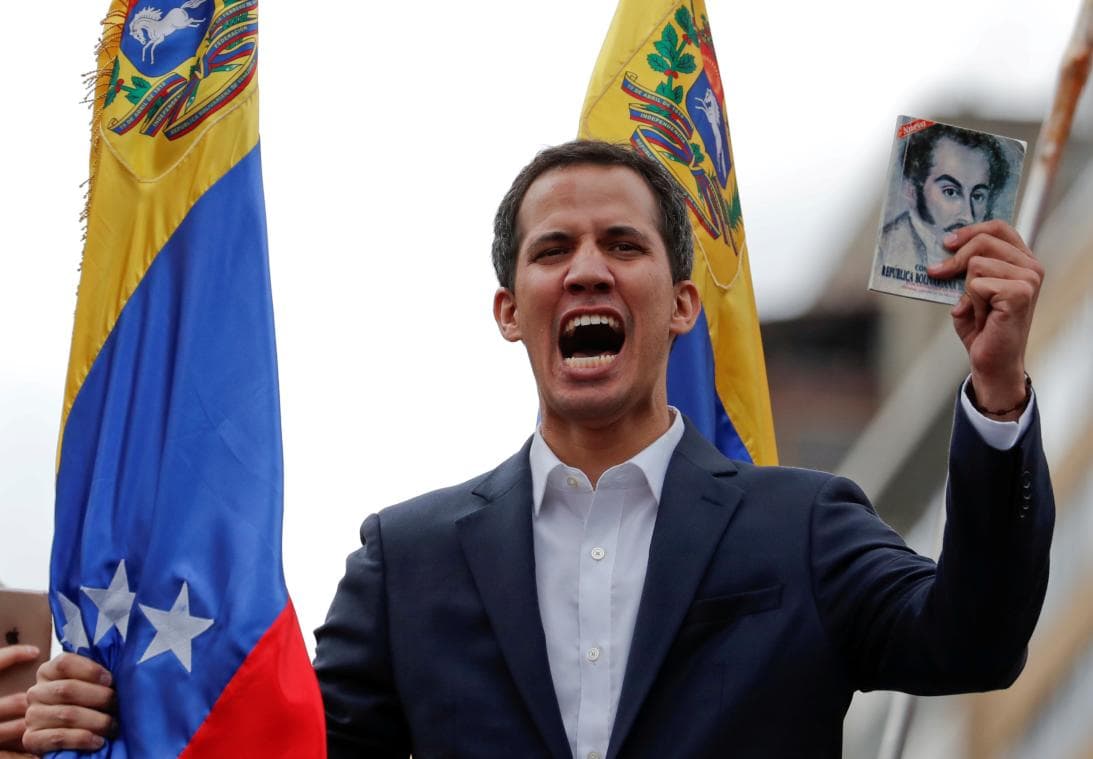
Has the Maduro regime reached breaking point? It remains hard to say, but tomorrow is another - more hopeful - day for the restoration of democracy in the South American nation.
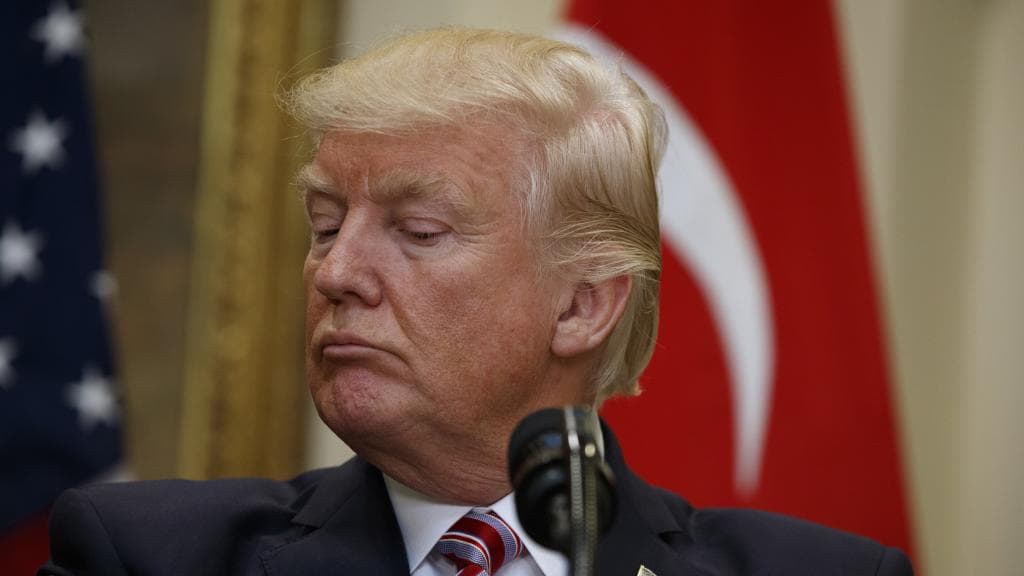
It’s impossible to get into Trump’s head but what comes out of his mouth are racist remarks. But, saddest of all are the millions who tolerate his views, cheer him on and emulate his behavior.
The time is well past due for the U.S. government to conduct a thorough review of leaders and their senior colleagues before they leave office to determine if they merit visas.
But the White House and Trump’s personal lawyer, Marc Kasowitz, insist that Trump never asked Comey to express his “loyalty” — or to kill the Russia investigation.
So this situation comes down to credibility. Someone is lying — is it Comey or Trump? We need to know who’s telling the truth. Meanwhile, the media are investigating too. “What we have to do as journalists is find the evidence,” the celebrated former Washington Post reporter Carl Bernstein recently said on CNN. He and his Post colleague Bob Woodward spearheaded the reporting of the Watergate scandal that led President Richard Nixon to resign.
In Mexico, many people believe that President Enrique Peña Nieto was guilty of a serious conflict of interest a couple of years ago when his wife bought a $7 million house from a government contractor. But rather than launch an independent probe led by the Mexican Congress, the president charged a subordinate, Virgilio Andrade, to investigate him, the first lady, Angelica Rivera, and Luis Videgaray, Mexico’s former finance minister.
Nobody was surprised when Andrade quickly acquitted the three of them and announced that nothing illegal had happened. Removing a Mexican president from office over an alleged act of corruption would have been unprecedented in Mexico’s history. But in this instance the country’s entire political system conspired to protect one of its own, and the investigation went no further.
Now consider Venezuela, where tens of thousands of demonstrators have been thronging the streets and demanding the ouster of President Nicolas Maduro, or at least his dismissal through an early election.
Maduro’s regime has already taken off its democratic mask. He has ordered the dissolution of the Venezuelan assembly, and he wants to write a new constitution that would allow him to cling to power indefinitely.
Maduro also controls almost everything in the country — the army, the courts, the media, the major industries, including oil. He also has firepower.
Venezuela’s Bolivarian Guard has engaged in war tactics against protesters, and the Maduro regime hopes to crush the demonstrations altogether. More than 60 people have died in protests this year, and it seems that
Maduro doesn’t mind if the number of casualties climbs, so long as he regains control of the streets.
Venezuelans — and they alone — must find a way to expose the human rights violations there. And they must get other countries on their side — it’s sad to see how many Latin American governments have refused to denounce Maduro’s abuses.
I’m perfectly aware that the United States, Mexico and Venezuela are quite different in how they practice democracy. Nevertheless, when a leader loses the people’s trust, it’s vital that the population denounce him. And if he does something illegal, he should be thrown out of office.
Yes, it’s tough to unseat someone who wields almost all the power. But note the key word: “almost.”
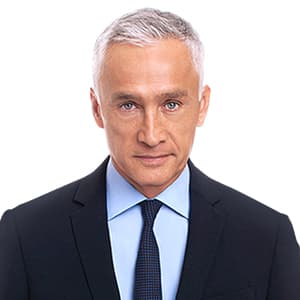
Jorge Ramos, an Emmy Award-winning journalist, is a news anchor on Univision. Originally from Mexico and now based in Florida, Ramos is the author of several best-selling books. His latest is “Take a Stand: Lessons From Rebels.”
Relacionados: