
Like many border towns, Del Rio, Texas and Ciudad Acuña, Mexico are not two separate cities, but one community divided by an international boundary.
How a Texas border hug became an annual ceremony celebrating 'Amistad'
This weekend, the sister-cities of Del Rio and Acuña will celebrate the historic partnership between the people of United States and Mexico during the annual Fiesta de Amistad.

El presidente Richard Nixon y el presidente de México Gustavo Díaz Ordaz se reúnen en Del Rio para celebrar la terminación de la presa Amistad, en septiembre de 1969.
Imagen National Archives
For me, the highlight of the weekend is the Abrazo Ceremony, in which dignitaries from the United States and Mexico meet along a border bridge between the two countries for an abrazo or “hug.” The literal embrace between representatives from both sides of the border is symbolic of the long bilateral relationship between our nations. This is the third year in a row that I have participated in the abrazo, and the origin and significance of the annual tradition is now more important than ever to share with our fellow Americans.
After a flood ravaged Del Rio and the surrounding areas in the mid-1950s, President Eisenhower worked with his Mexican colleagues to develop a flood mitigation plan for this area of the Rio Grande. In 1960, U.S. President Eisenhower and Mexican President Adolfo López Mateos signed a treaty to begin construction of the Amistad Dam. After signing the document, the two presidents hugged each other, creating what is now recognized as the first Abrazo Ceremony.
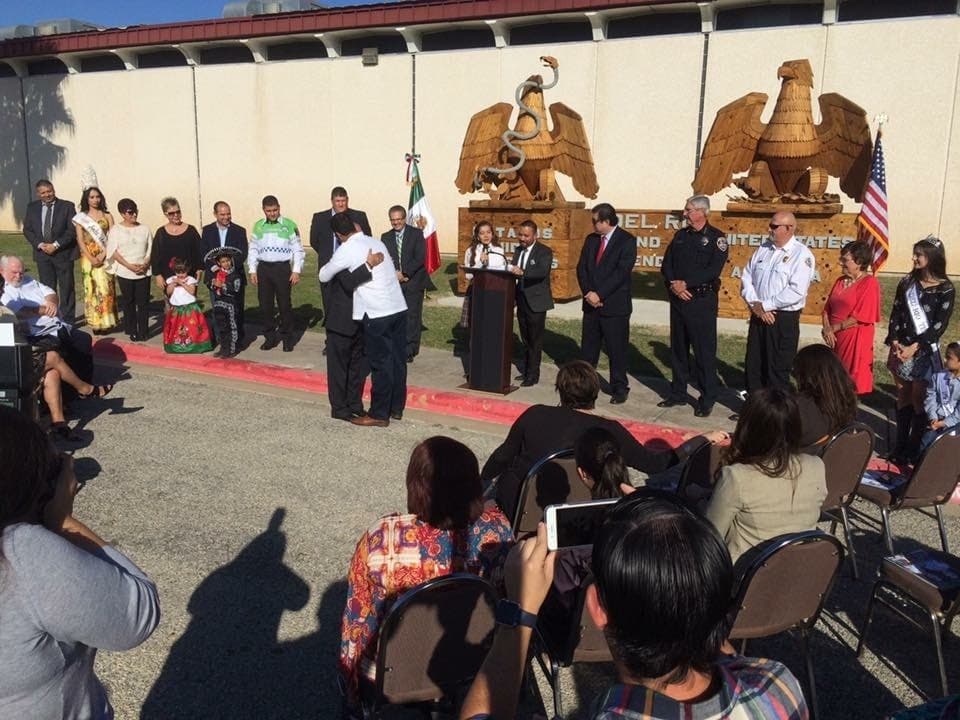
Ceremonia de la amistad en la frontera entre Del Rio, Texas, y Ciudad Acuña, México.
Imagen Photo courtesy of Office of U.S. Rep Will Hurd (TX-23)
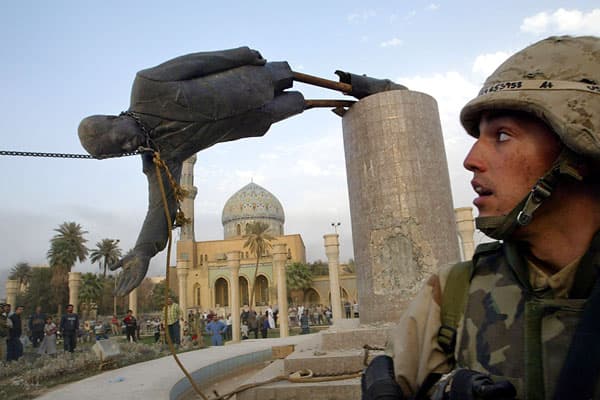
Despite a near universal desire for an end to Venezuela’s manmade disaster, sending in U.S forces to take out the Maduro regime would be counter-productive. It should be categorically rejected by interim president Juan Guaidó, not to mention the Trump administration.
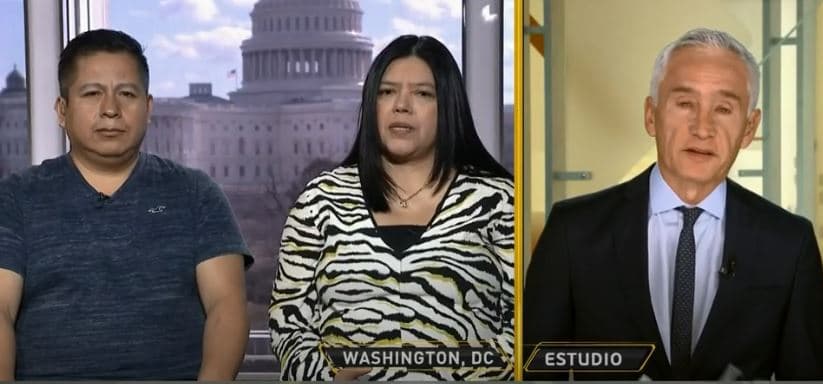
The firing of undocumented workers at Trump's golf clubs just shows how the practice of employing immigrants without legal work papers is much more common than we might imagine. Such is life in the United States.
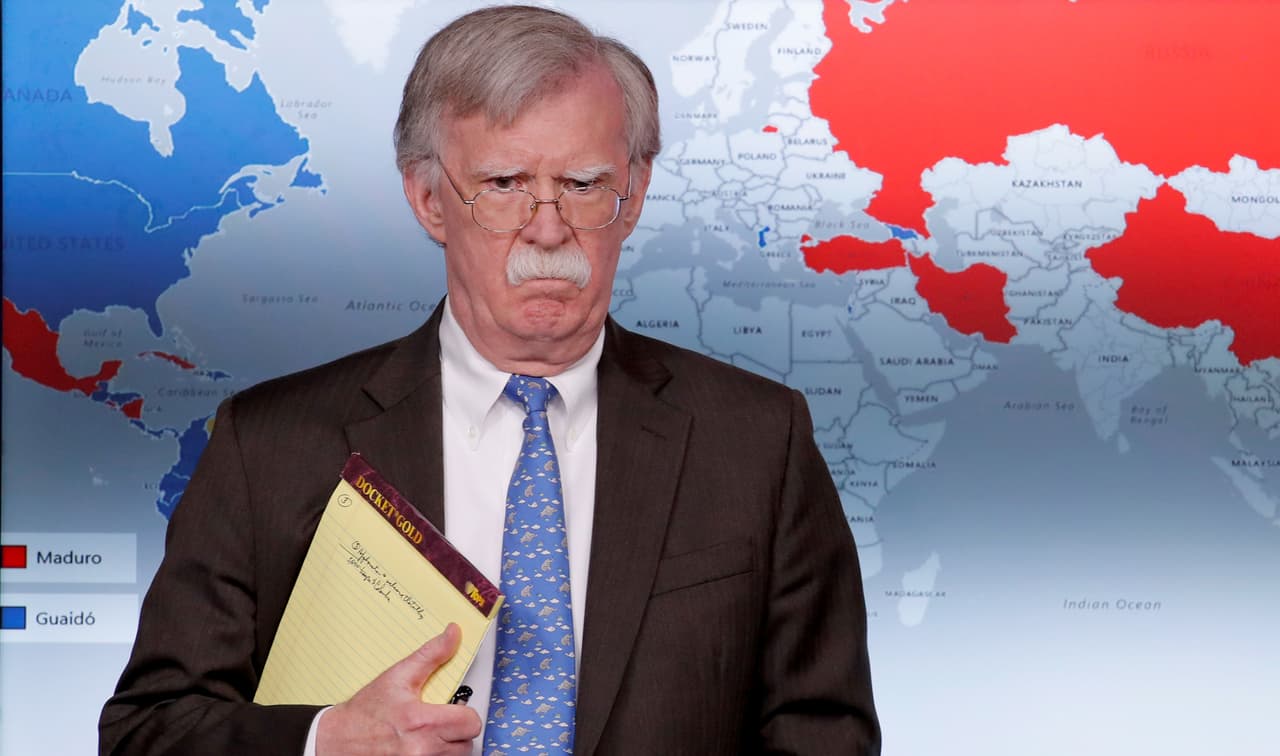
The Trump administration should be wary of fueling fake news predictions about an imminent American invasion which unrealistically raises expectations about Maduro's removal.
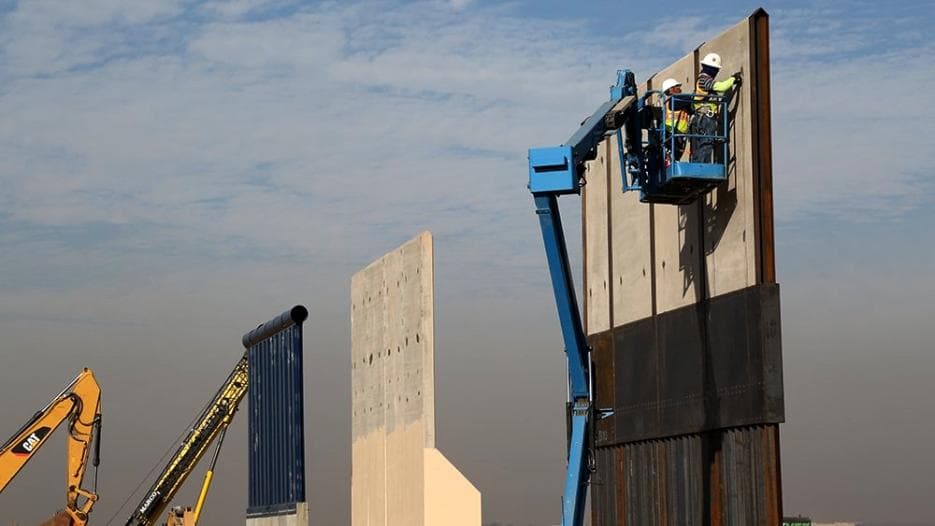
At some point we will have to accept the fact that the border between Mexico and the United States is nothing more than an invention.

The United States has had a major role in the evolving drama of the fight for democracy in Venezuela and Nicaragua. And so far, it’s been surprisingly coordinated, a veritable model of multilateralism.
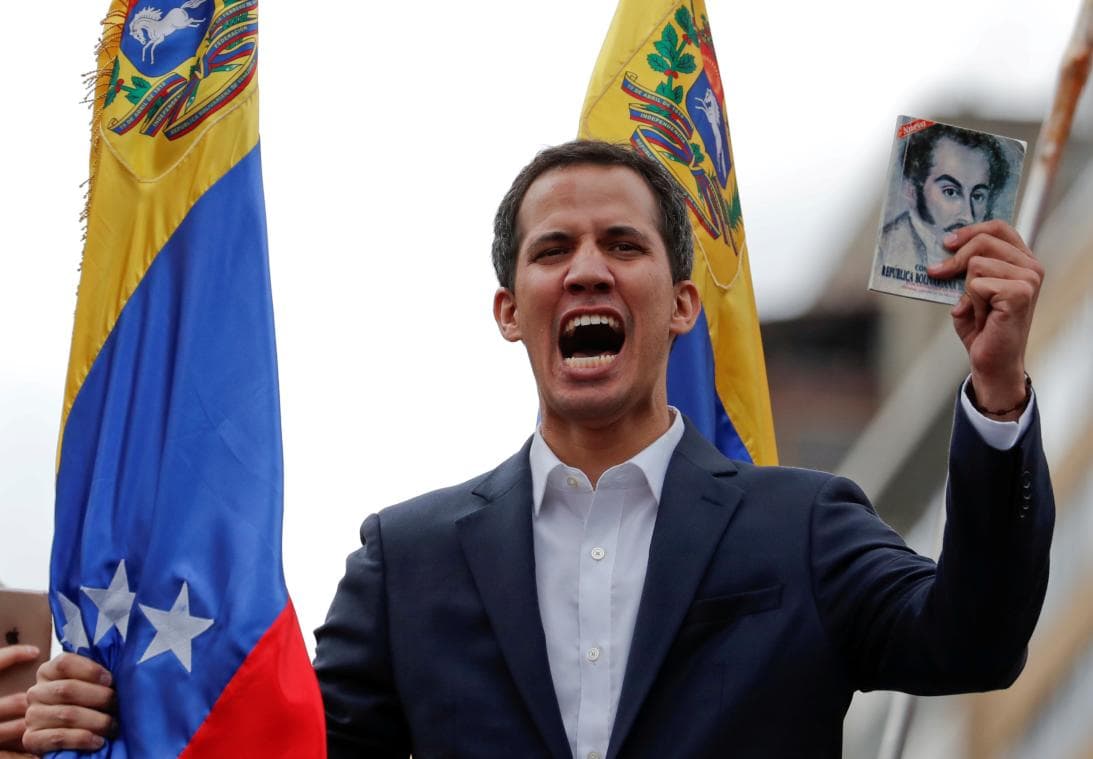
Has the Maduro regime reached breaking point? It remains hard to say, but tomorrow is another - more hopeful - day for the restoration of democracy in the South American nation.
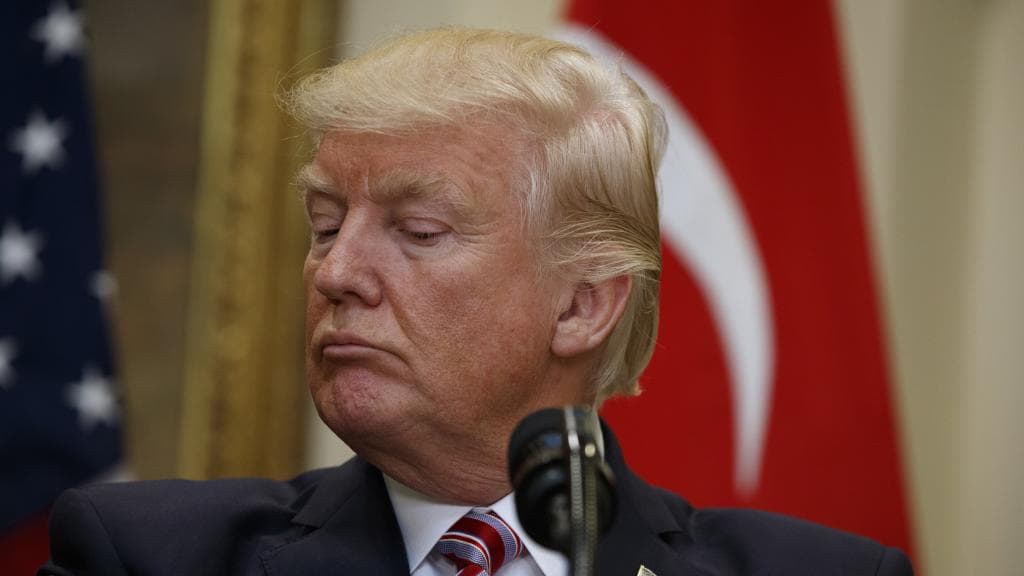
It’s impossible to get into Trump’s head but what comes out of his mouth are racist remarks. But, saddest of all are the millions who tolerate his views, cheer him on and emulate his behavior.
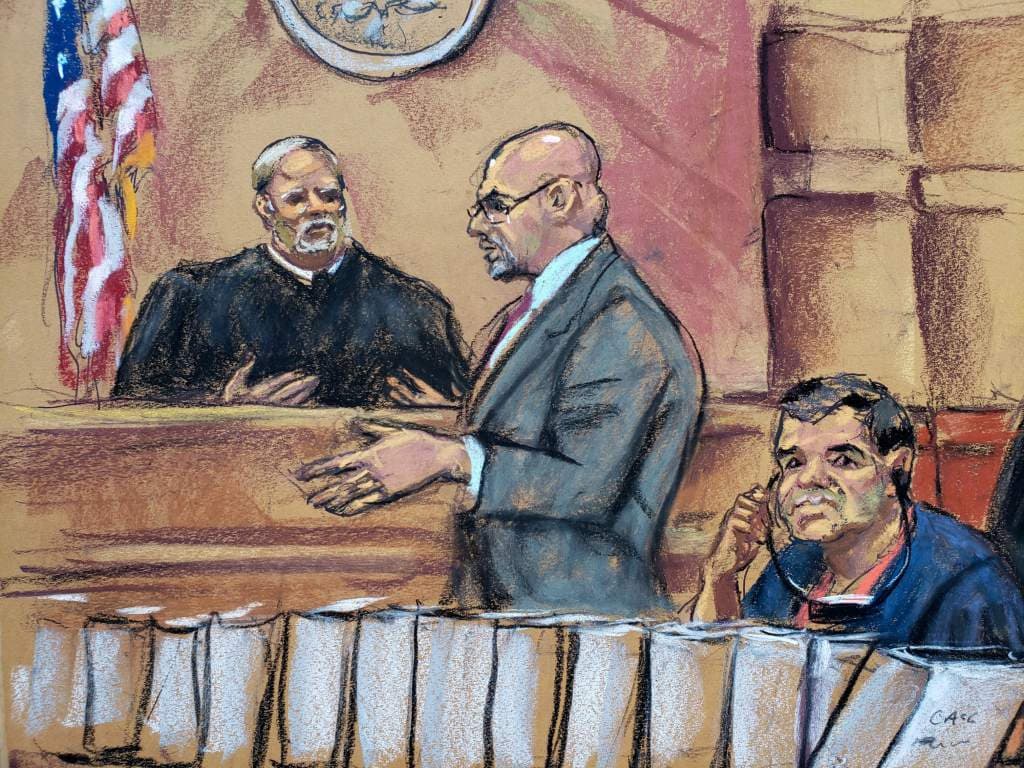
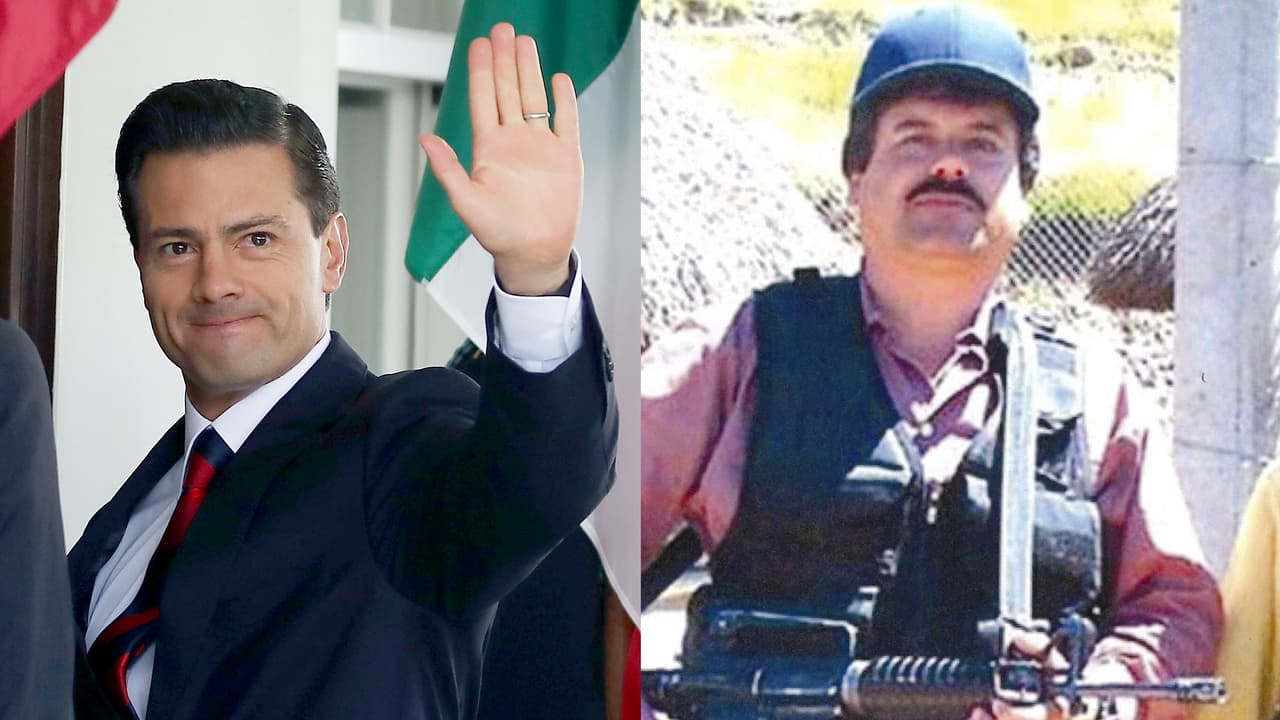
The time is well past due for the U.S. government to conduct a thorough review of leaders and their senior colleagues before they leave office to determine if they merit visas.
Shortly before construction began on the Amistad Dam, the two Presidents met at Camp David to discuss the project. At the time, the dam was to be known as Diablo Dam, but Eisenhower thought this name was far too ominous for a dam. At the suggestion of President López, the name was changed to Amistad, which means “friendship” in Spanish.
After nine years of construction, then-President Richard Nixon and Mexican President Gustavo Díaz Ordaz met in Del Rio to celebrate the completion of the Dam. During their speeches, both leaders emphasized the importance of two sovereign nations, each with its own distinctive challenges and cultures, working together peacefully to not only to tame Mother Nature, all the while, building a tangible monument that honors the partnership of two great nations. As President Díaz Ordaz said, “This dam is not only to hold back the waters of the Rio Bravo or to show that nature can be held back, but it is also a bridge, one more bridge, constructed between our two peoples.”
The tone first struck by Eisenhower and López Mateos during the original Abrazo Ceremony 57 years ago is now more relevant than ever. In Washington, DC, and throughout the United States, the renegotiation of NAFTA, border security and immigration are among the top concerns of Americans. As we look to address these challenges with practical and efficient solutions, we must remember that Mexico is our friend, not our enemy.
Today, the friendship between the United States and Mexico takes many forms. Our two nations still work together maintaining major infrastructure projects like the Amistad Dam and since the signing of NAFTA, our trade and reciprocal investment have increased dramatically. In fact, Mexico is the number one trading partner not only for Texas, but for 37 other states as well.
My hope is that instead of referring to our southern border as a dividing line, we once again view it as a meeting point between two proud cultures and allied nations. There is much more that unites us than divides us.
I look forward to joining my American colleagues and constituents in Del Rio on Friday as we embrace our Mexican counterparts from Ciudad Acuña. While we may not always see eye-to-eye, if we practice mutual respect and look to find common ground, there is no challenge we can’t overcome. And to me, that is the true meaning of amistad.
Relacionados: