In a previous column I cited a study conducted by Barna Research showing that U.S. Hispanics identify education and employment as social concerns on the same level as immigration. In case this comes as a surprise, I want to explain why this is and how the education of Hispanics and other minorities is the key to America’s future.
Hispanic students: the key to America’s future
Hispanic and other minority students represent the single greatest untapped opportunity in America today. They must become our top priority.
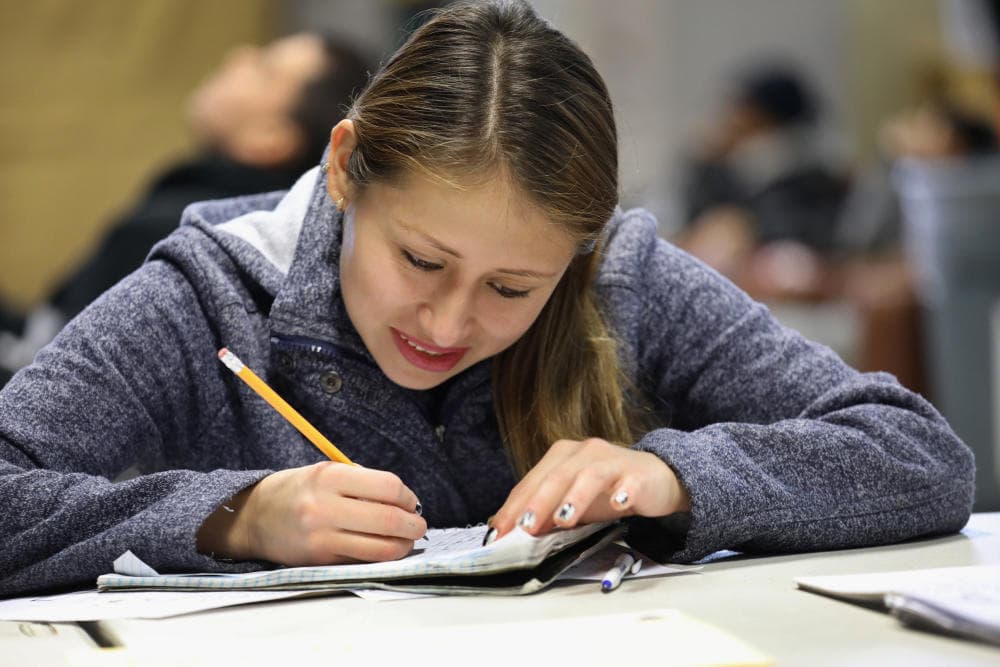
Hispanic students have lower proficency in reading and math.
Imagen Getty Images
First, we must make sure all Americans recognize that as of 2015, 1-in-4 children born in the U.S. is now Hispanic. In fact, according to the Census Bureau’s 2015 population estimates, just over half (50.2 percent) of all U.S. babies younger than 1 year old were of racial or ethnic minorities.
As a community, we need to do a better job of assuming our rightful place in the public square. There are far too few of us raising our voice from Main Street to Wall Street, on the nightly news and in the local newspapers. There are too few of us in state assemblies and in Congress. We have to understand, those who will suffer every time we choose to be silent are our children. That silence is first felt in the classroom.
Second, these demographic trends represent the new normal. Immigration policies from one administration to the next may slow or accelerate these shifts, but as it’s been said, you can’t put the toothpaste back in the tube. In 2016, millions of American youth graduated high school, and one out of five may have been Hispanic. In just seven years, the Hispanic percentage of public school students could soar to one in three.
So why are Latinos, specifically, so concerned about education? I have previously highlighted that proficiency rates among Hispanic children are 23 percent lower in reading and 22 percent lower in math than white students. To make matters worse, according the ACT Annual Report, only 1-in-4 Hispanic students were college ready in 2015. For African-American students, the number is 1-in-10.
And for those of us with children currently in school, we need look no further than our own local school districts. Websites like Greatschools.org break down academic performance by ethnicity and other factors.
Despite a near universal desire for an end to Venezuela’s manmade disaster, sending in U.S forces to take out the Maduro regime would be counter-productive. It should be categorically rejected by interim president Juan Guaidó, not to mention the Trump administration.
The firing of undocumented workers at Trump's golf clubs just shows how the practice of employing immigrants without legal work papers is much more common than we might imagine. Such is life in the United States.
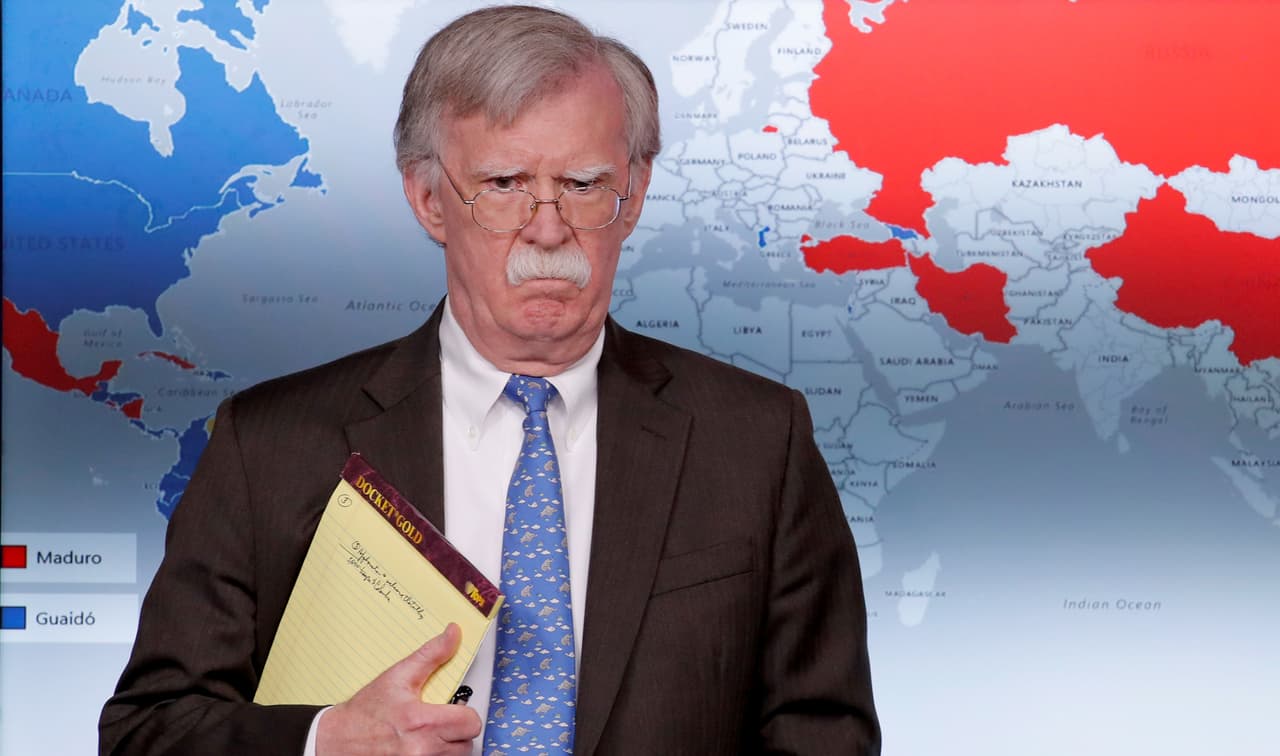
The Trump administration should be wary of fueling fake news predictions about an imminent American invasion which unrealistically raises expectations about Maduro's removal.
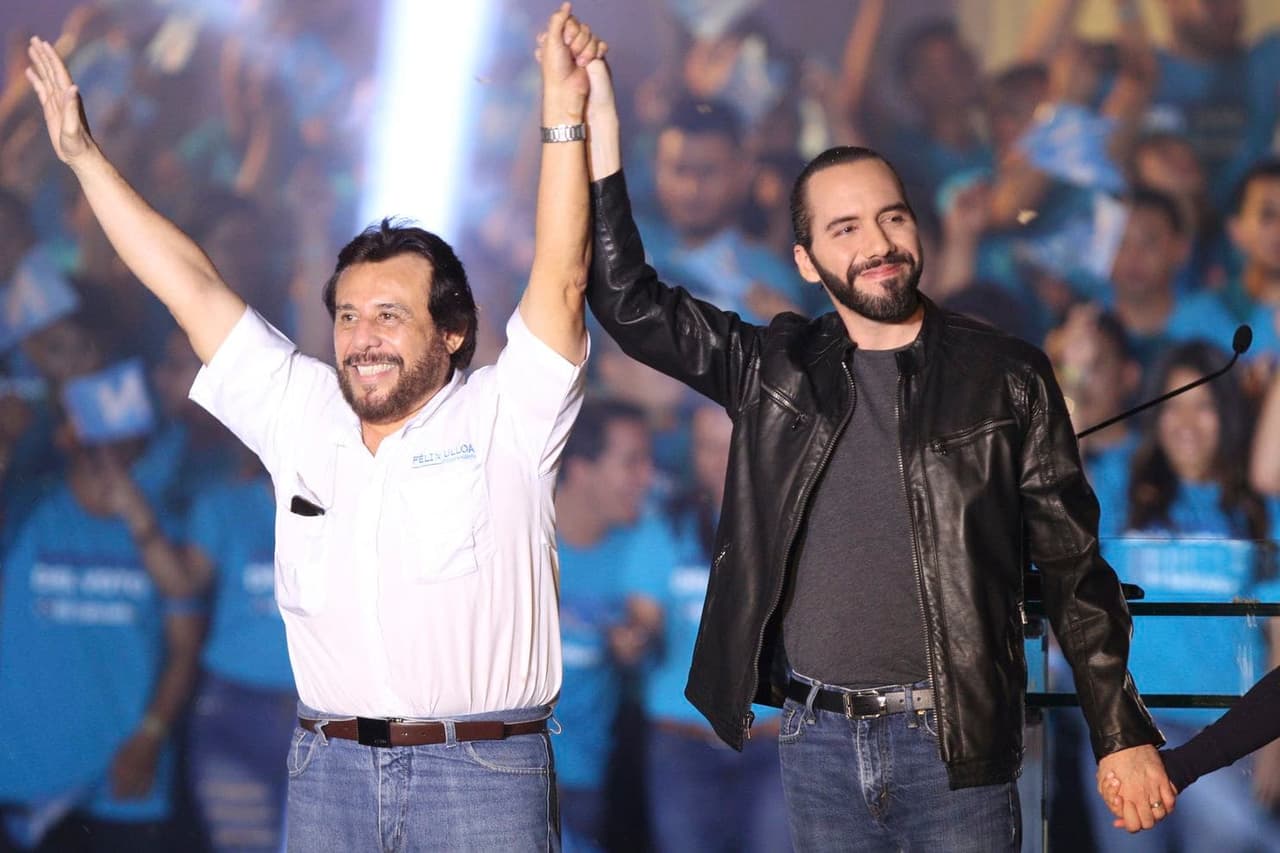
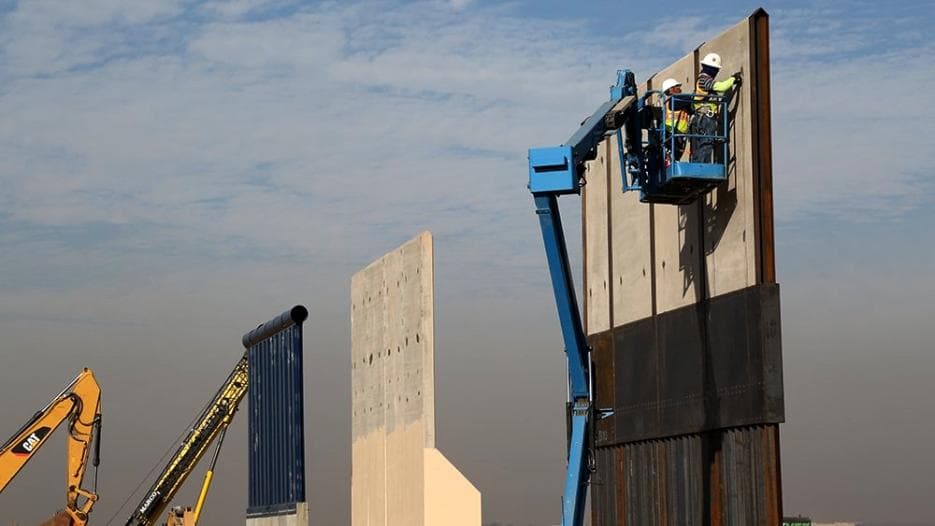
At some point we will have to accept the fact that the border between Mexico and the United States is nothing more than an invention.

The United States has had a major role in the evolving drama of the fight for democracy in Venezuela and Nicaragua. And so far, it’s been surprisingly coordinated, a veritable model of multilateralism.
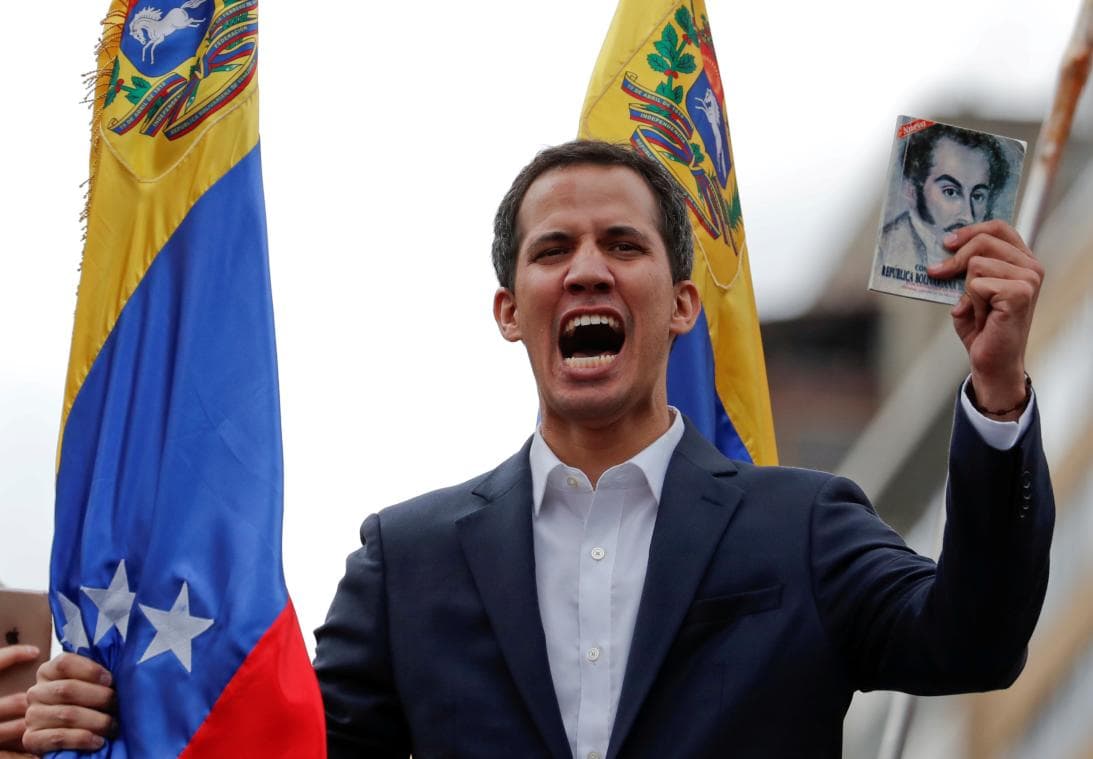
Has the Maduro regime reached breaking point? It remains hard to say, but tomorrow is another - more hopeful - day for the restoration of democracy in the South American nation.
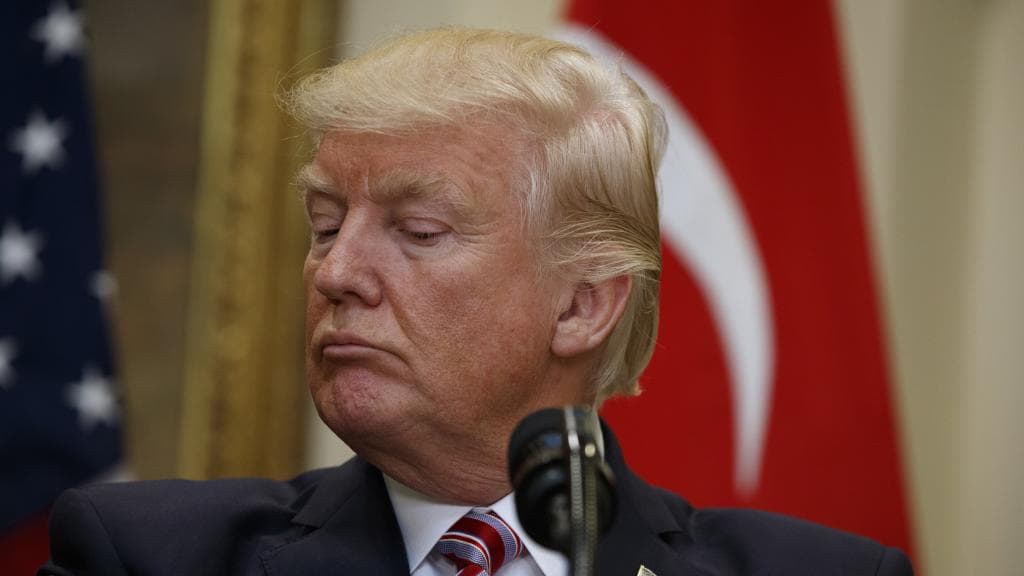
It’s impossible to get into Trump’s head but what comes out of his mouth are racist remarks. But, saddest of all are the millions who tolerate his views, cheer him on and emulate his behavior.
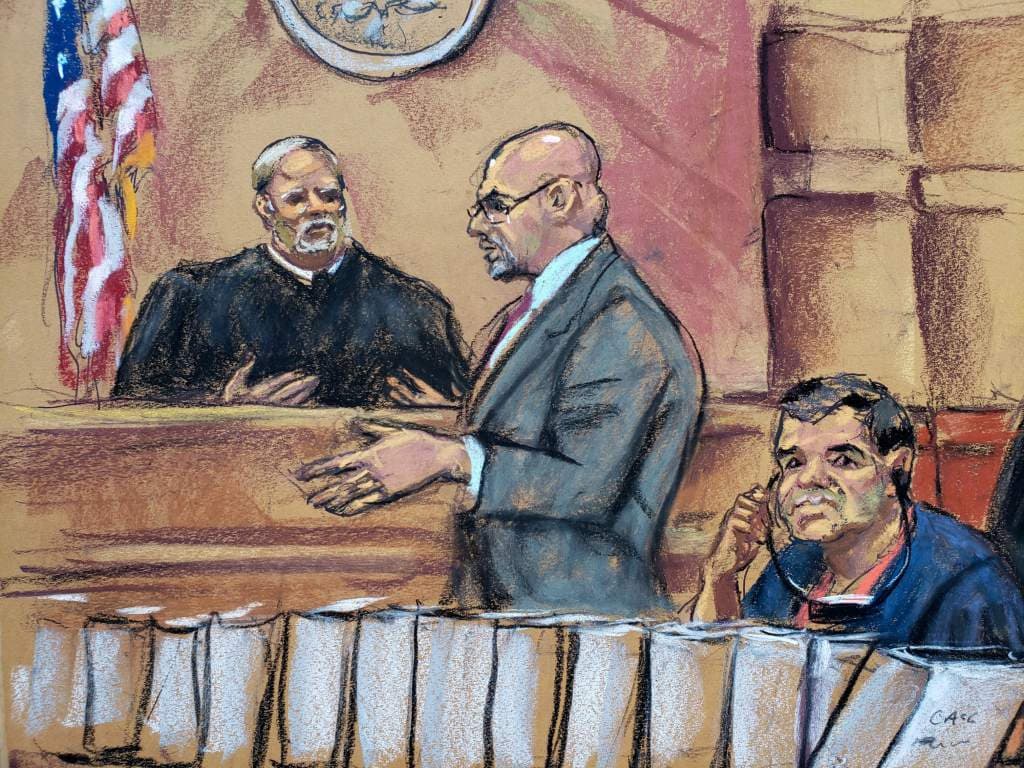
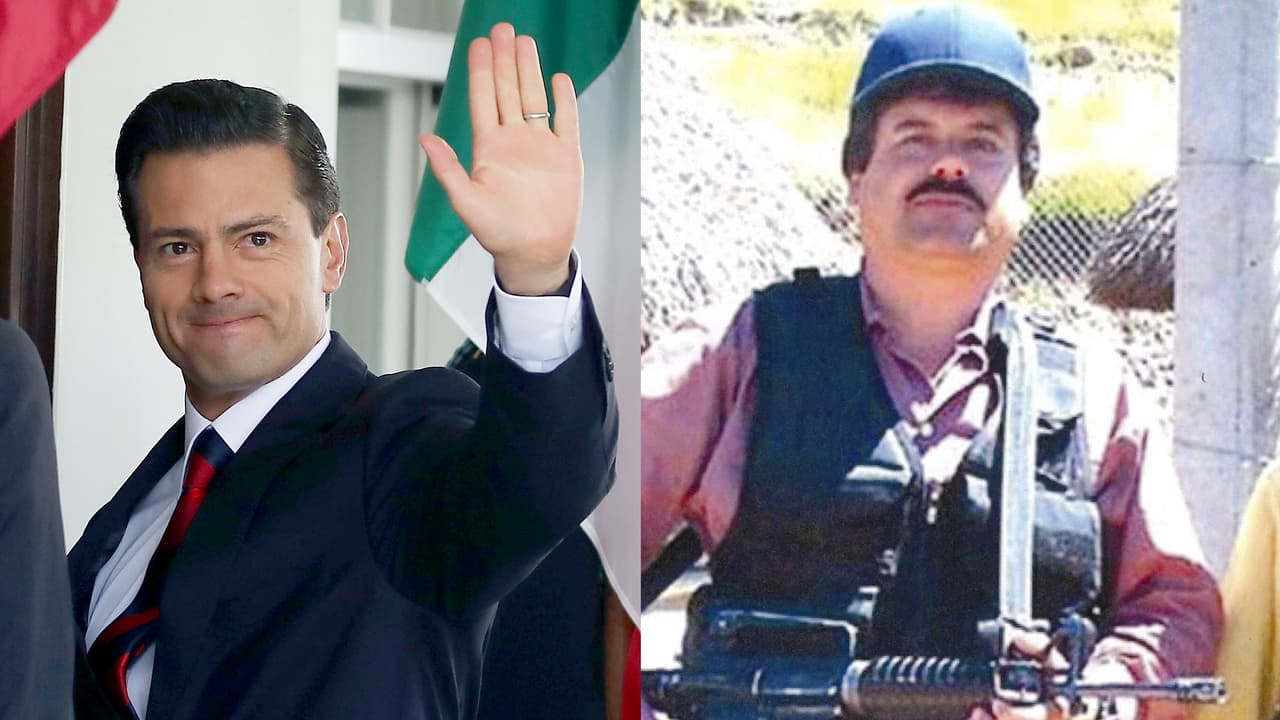
The time is well past due for the U.S. government to conduct a thorough review of leaders and their senior colleagues before they leave office to determine if they merit visas.
In school after school, Hispanic and African American students vastly underperform their white and Asian counterparts, even when they comprise the majority of students enrolled. This isn't because our kids have less aptitude. It is because they often have less opportunity.
There are myriad explanations for why this is the case: socio-economic disadvantages; cultural norms that discourage Hispanic children from “questioning” authority and thus engaging with teachers; and of course language barriers for first generation students, are all contributing factors.
These are just some of the reasons why we Hispanics are so concerned about education. But the truth is, all Americans should be concerned.
There are costs involved in solving these problems in a country as diverse as America—some financial and some social—but these are also investments.
While every new wave of immigration has forced the country to adjust and evolve, these new arrivals have time and again reinvigorated the prospect of the American idea, providing the energy, innovation and ingenuity that continue to propel our nation forward. And the same will be true of Hispanics and other recent immigrants too—if we fight to safeguard their futures.
But before we’re able to successfully address how we can overcome the challenges of education inequality, we as Americans must fully get behind the idea that we must:
- respect the God-given dignity and value of every child.
- value high and comparable academic standards for all students.
- fight to ensure every student, regardless of their race, income or zip code, is provided with a quality education.
- make great strides, because there’s no telling what contributions these young minds might make to the beauty, vitality and, yes, greatness of America for years and generations to come.
So to our politicians, school boards, administrators, teachers and The Department of Education, I say this: The facts are in. Hispanic and other minority students represent the single greatest untapped opportunity in America today. They must become our top priority.
To our community, let me be clear: if we don't raise our voice we have nothing to complain about. We need to speak so loud and so often we cannot be ignored. For our children's sake ...
Rev. Samuel Rodriguez is president of the National Hispanic Christian Leadership Conference. He has been named by CNN and Fox News as “the leader of the Hispanic Evangelical movement” and TIME Magazine nominated him among the 100 most influential leaders in America.
Faith and Education Coalition is an initiative of the National Hispanic Christian Leaders Conference (NHCLC). With 2,568 members representing almost 3,000 local churches in 44 states, the Faith and Education Coalition advocates for high-quality education options for all of America’s children.
Relacionados: