If 'fake news' played a role in Donald Trump’s unexpected presidential victory in 2016, many are asking whether “noticias falsas” will help determine the winner of what many expect will be a close and hard-fought race this July in Mexico.
From Russia with Love: Mexico on alert for spread of fake news
Facebook has taken out full page ads in local newspapers offering the public ten tips on how to detect fake news. But Moscow may not be the only purveyor of fake news as other purely Mexican actors may seek to influence the election.
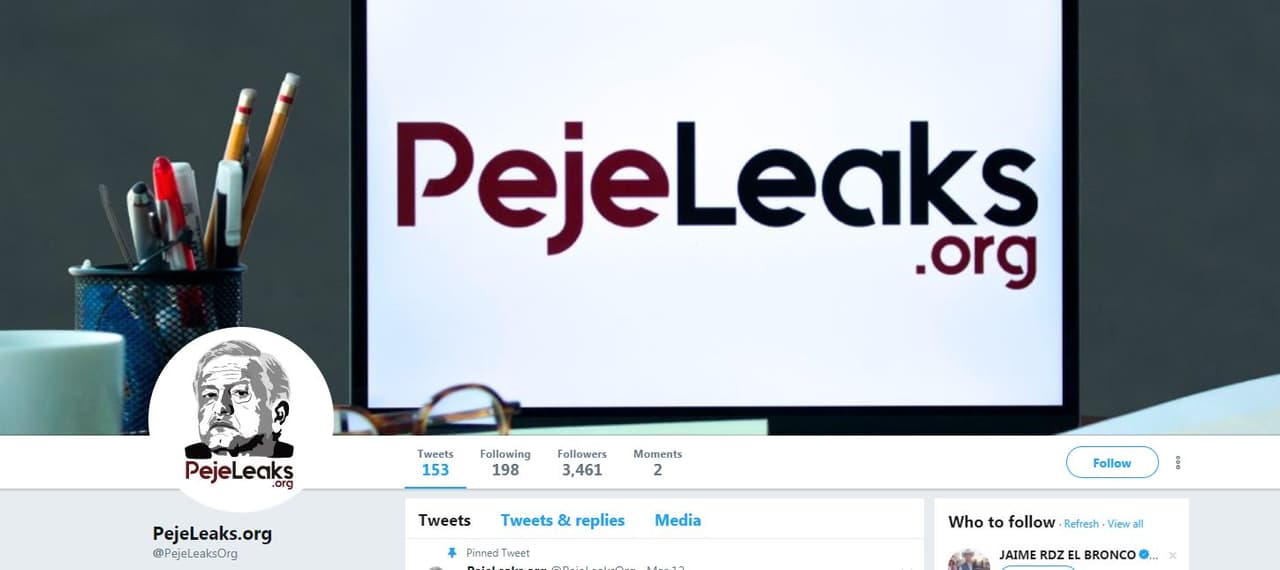
PejeLeaks.org twitter page
Imagen David Adams
Judging by recent history, the answer, unfortunately, is yes.
In January, national security adviser Gen. H.R. McMaster, who will leave his post in April, said that Russia had mounted a “sophisticated” campaign to influence Mexico’s election as a way of stirring up trouble for the U.S. on its southern border. But in Mexico’s case, Moscow may not be the chief purveyor of fake news as other purely Mexican actors may seek to influence the election where leftist populist Andres Manuel Lopez Obrador is leading the polls in his third attempt at the presidency.
Lopez Obrador made fun of the alleged “Russian connection” by posting a video on his Facebook page in which he called himself “Andres Manuelovich.”
Despite a near universal desire for an end to Venezuela’s manmade disaster, sending in U.S forces to take out the Maduro regime would be counter-productive. It should be categorically rejected by interim president Juan Guaidó, not to mention the Trump administration.
The firing of undocumented workers at Trump's golf clubs just shows how the practice of employing immigrants without legal work papers is much more common than we might imagine. Such is life in the United States.
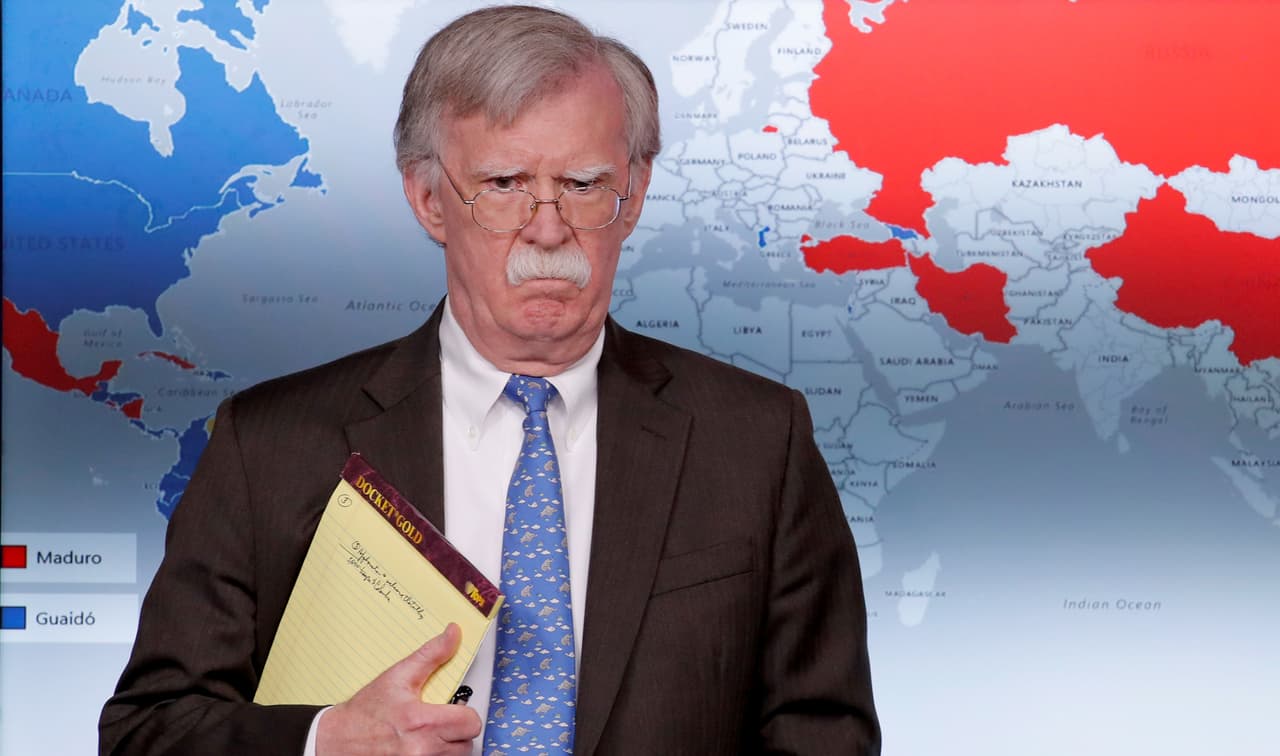
The Trump administration should be wary of fueling fake news predictions about an imminent American invasion which unrealistically raises expectations about Maduro's removal.
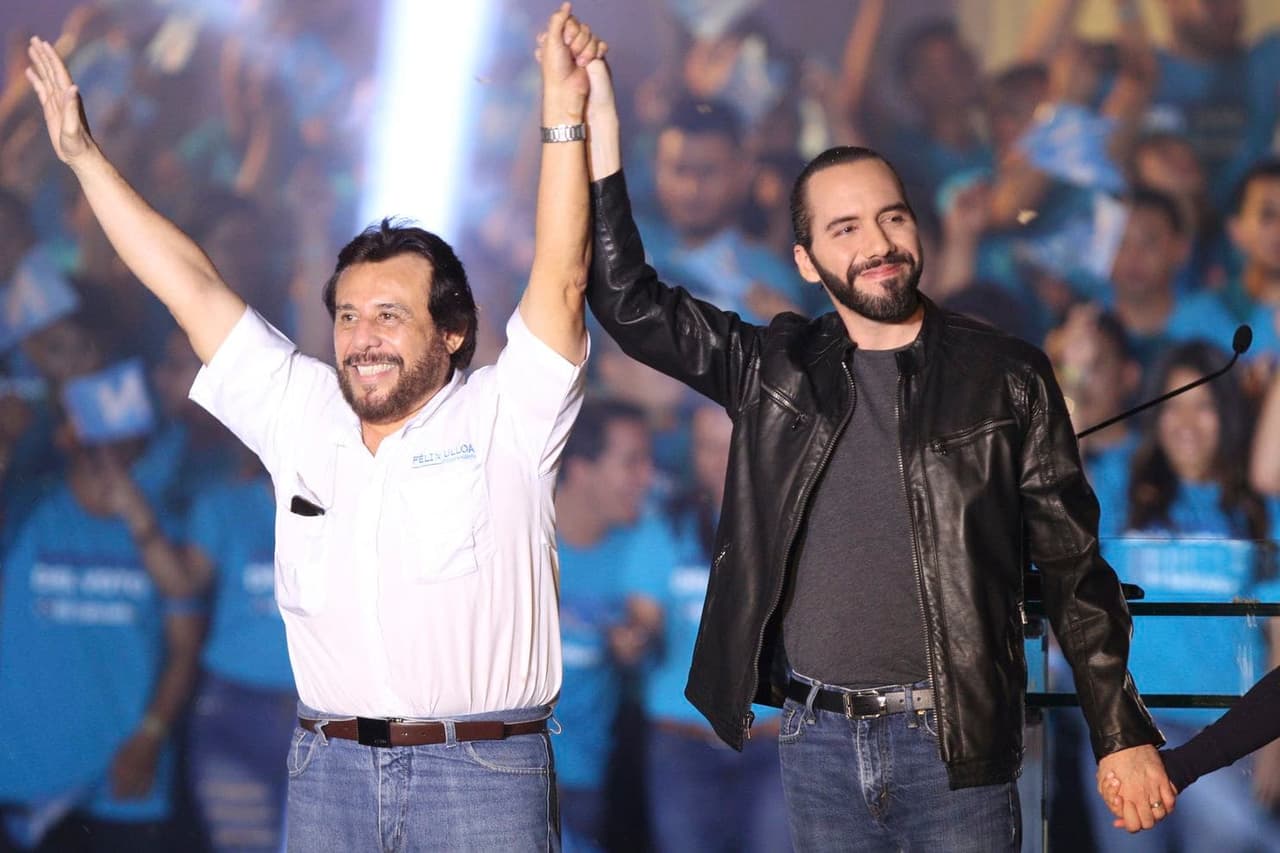
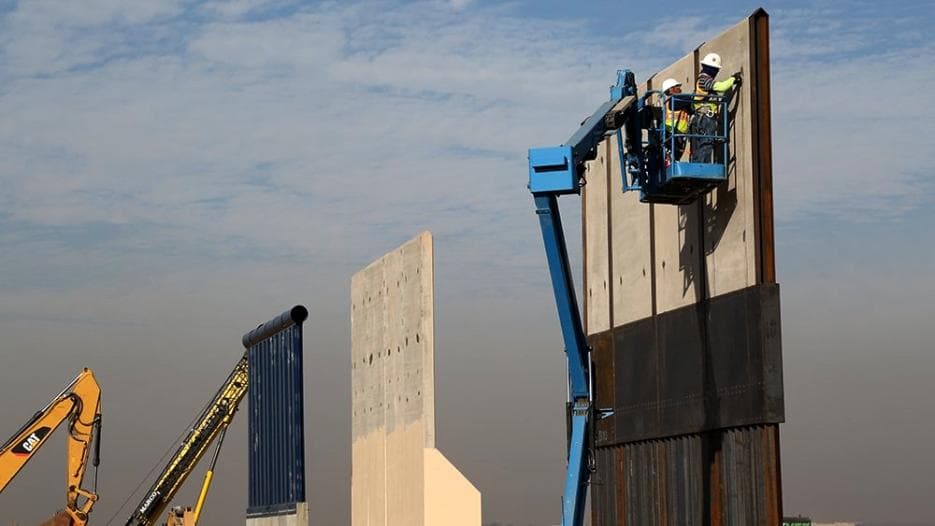
At some point we will have to accept the fact that the border between Mexico and the United States is nothing more than an invention.

The United States has had a major role in the evolving drama of the fight for democracy in Venezuela and Nicaragua. And so far, it’s been surprisingly coordinated, a veritable model of multilateralism.
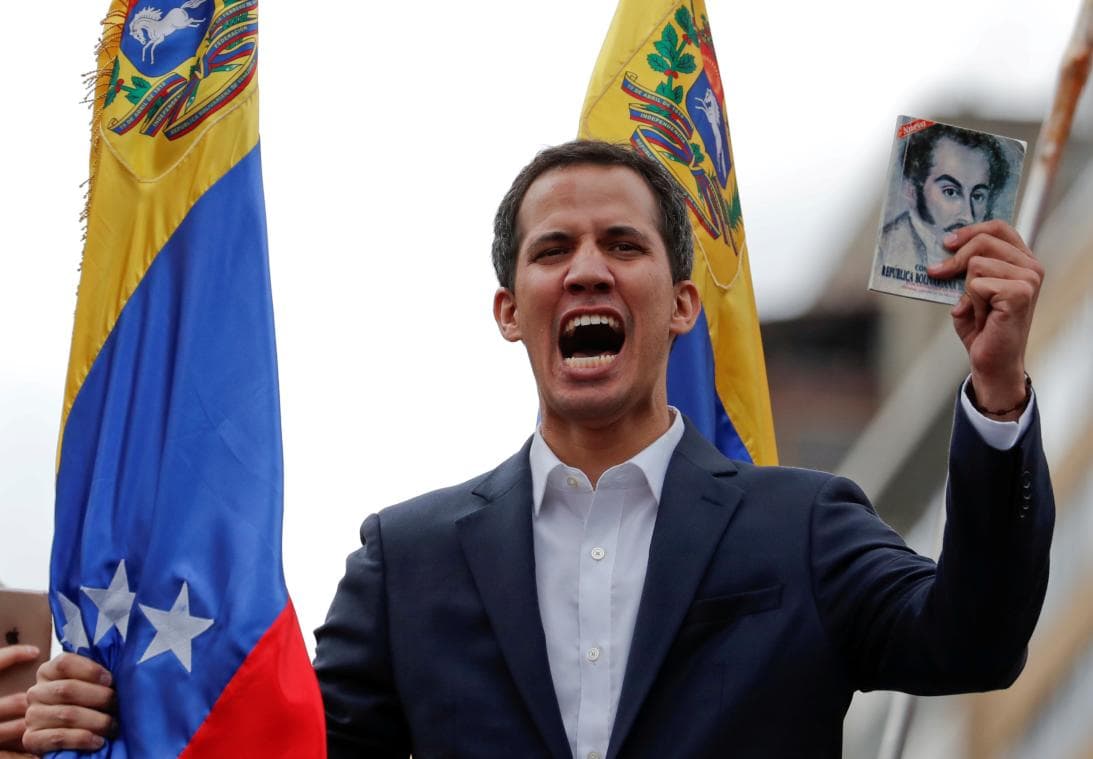
Has the Maduro regime reached breaking point? It remains hard to say, but tomorrow is another - more hopeful - day for the restoration of democracy in the South American nation.
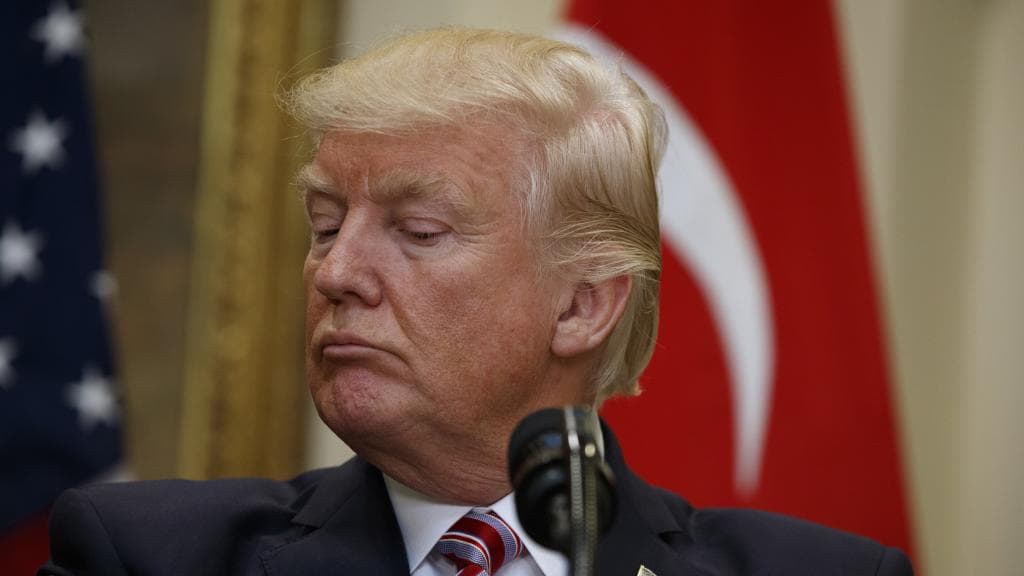
It’s impossible to get into Trump’s head but what comes out of his mouth are racist remarks. But, saddest of all are the millions who tolerate his views, cheer him on and emulate his behavior.
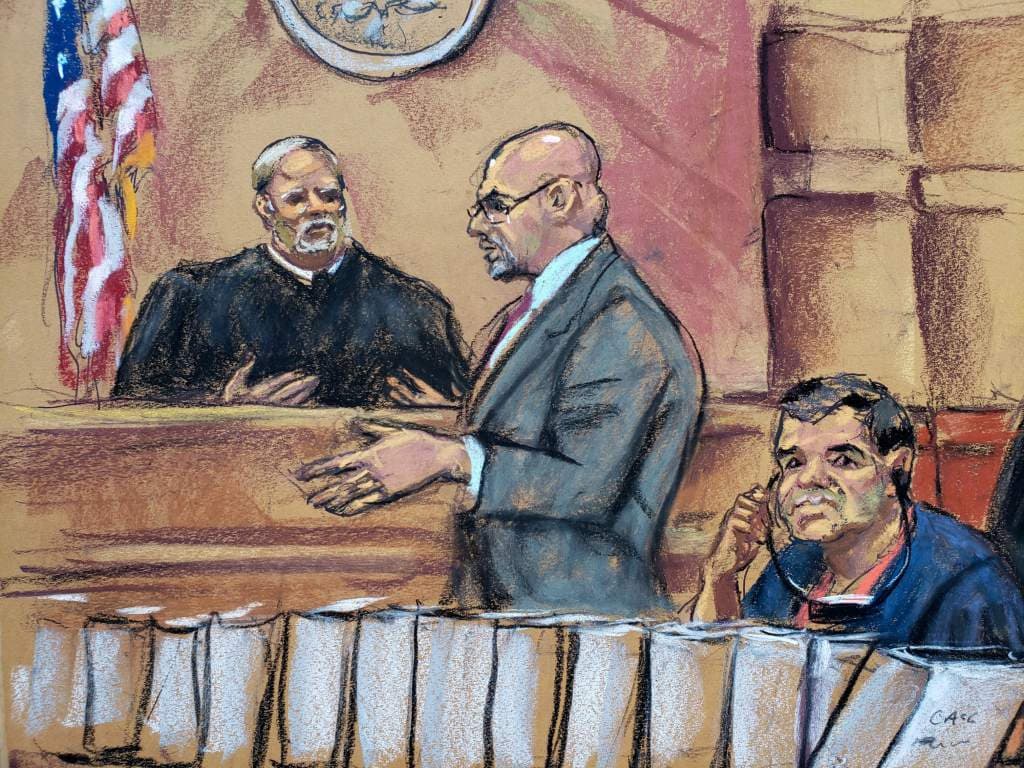
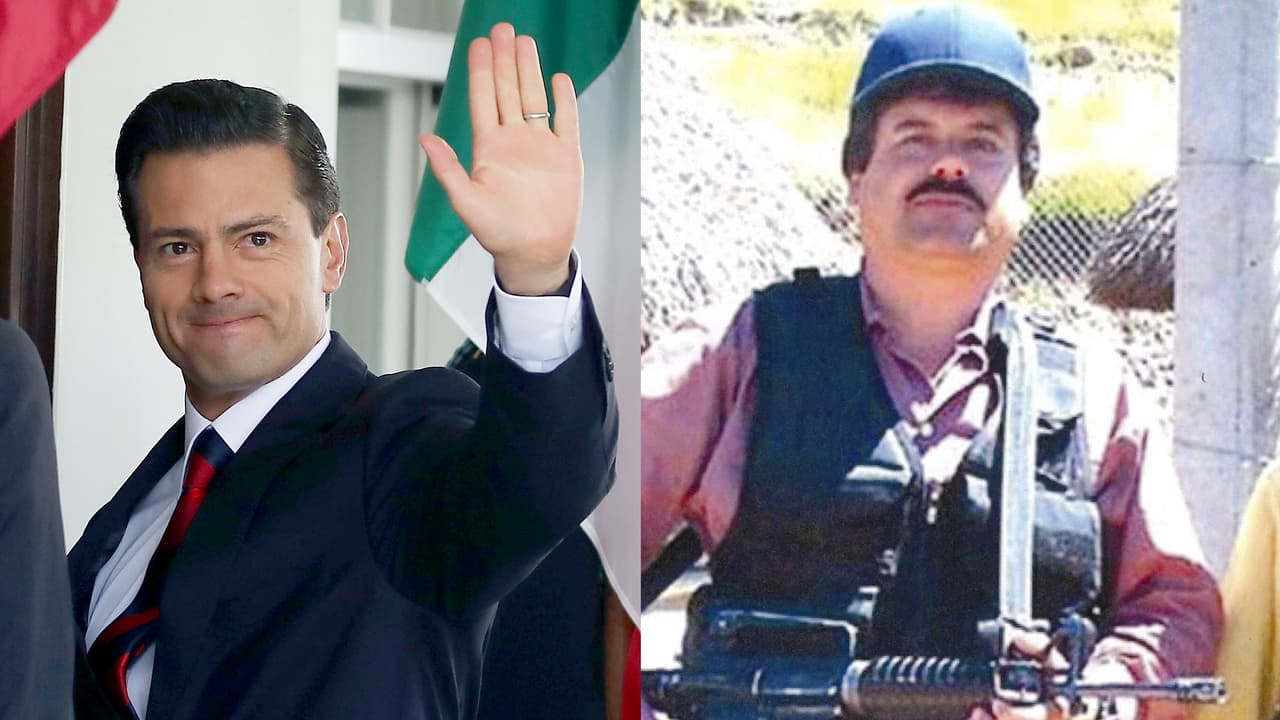
The time is well past due for the U.S. government to conduct a thorough review of leaders and their senior colleagues before they leave office to determine if they merit visas.
Lopez Obrador, who is feared by many in México’s business class as a potential demagogue and populist, is trailed by Ricardo Anaya, the candidate of an awkward alliance of right and left wing parties. In third place is Jose Antonio Meade, a technocratic former finance minister who is the candidate of the corruption and scandal-tainted ruling Institutional Revolutionary Party.
The issue of “fake news” has taken greater urgency in Mexico since the revelation last weekend by the New York Times and other media that Cambridge Analytica, a data firm which worked for the Trump campaign had improperly gotten access to data from 50 million Facebook users.
In Mexico, Facebook took out full page advertisements in local newspapers earlier this month giving the public ten tips on how to detect fake news. Among them: “Doubt headlines,” “Pay Attention to Photos,” and “Is the story a fake or a joke?”
And Bloomberg reported that a Latin American app, Pig.gi, which has 1.2 million users in Mexico and Colombia had cut ties with Cambridge Analytica, which had hoped to use data mined by the company in Mexico’s upcoming presidential elections.
The intention of fake news is to induce biases in the reader or audience and to shape a pattern of beliefs that can influence voting for one candidate instead of other or to prefer one political party to another. Fake news use plain propaganda models that falsely propose an idea, accuse a candidate, promote or discredit a movement, a party, or a group using effective messaging construction and constant repetition. And worse, the medium, which is social media, especially Twitter and Facebook are powerful disseminators to thousands if not millions of voters who would have difficult time to verify the credibility and veracity of the information.
This may already be happening in Mexico. For instance, PejeLeaks is one website that is promising investigative journalism to reveal the unknown side of AMLO, also known by the nickname 'Peje,' a fish from his native Tabasco. But, it is unclear who is behind the website, no names of the reporters or editors are provided, and thus the veracity of its reports is highly dubious.
While fake news has been an age old problem in politics and in the news media, the 2016 US election has given it new importance. Since Trump’s unexpected triumph, scholars, journalists, politicians, electoral officials, intelligence analysts, and the general public are pondering what exactly is fake news and their consequences. Everyday there is new information about the investigation conducted by U.S. authorities into Russia's role in the elections. Last month, Robert Mueller, the Special Counsel investigating the Russia connection, filed an indictment that detailed a Russian “information warfare” operation to sow dissent and confusion among American voters to the benefit of Trump and the detriment of his Democratic opponent, Hillary Clinton.
Mueller is investigating if the Russian information warfare operated in collusion with the Trump campaign.
Before the dominance of social media, it was difficult to disseminate false or fake news because the main sources of information: radio, TV, and newspapers were staffed by professional journalists acting as filters to make sure reporting was fair, balanced and accurate, the three media essentials for all publishable reports. It was difficult for information that was fake to get through when there were overseers, filters, and gatekeepers. With the arrival of social media, everything changed. Twitter, Facebook, Instagram, Pinterest, and the openness of the Internet provided an open field that allows information dissemination with no filters and fact checkers.
Another model is to create websites (as PejeLeaks) to disseminate fake news, which can be exploited by sympathizers who redistribute that information to their circle of influence. The powerful impact of fake news is that many people cannot see the difference between information, distortion and opinion, let alone false versus real information. The most serious challenge that many countries face is that the public does not spend enough time to dissect information and to determine what is true and what is fake. And worse, in social media, there is no filter to alert the public.
Will fake news play a role in Mexico’s election as it did in the U.S? Stay tuned.
Relacionados: