
“ With heart and compassion” were the words President Donald Trump used to describe how his administration intended to resolve the issue of Deferred Action for Childhood Arrivals (DACA) when he abruptly rescinded the program in early September. He added that this would be “a gradual process, not a sudden phase out.” But for about 22,000 DACA recipients who were unable to renew their DACA because they did not meet an arbitrary deadline, it was anything but compassionate or gradual.
Congress must act now to protect Dreamers
When President Donald Trump and Congressional leaders meet on Tuesday at the White House to discuss unresolved issues before Congress goes home for the holidays, the need for a permanent legislative solution for Dreamers must be a top priority.

Dreamers protesting in Washington outside the Capitol in October 2017.
Imagen Efe
All 22,000 DACA recipients will lose their protections by March 5, 2018, which means each day the Congress fails to act, an average of 122 of them will lose their status and become vulnerable to detention and deportation. Already today more than 10,000 of these young people are estimated to have lost DACA. In the face of this urgency and against calls made by his members of his own caucus, Speaker Paul Ryan has suggested DACA is not an end-of-the-year legislative priority.
When President Trump and Congressional Leaders meet on Tuesday at the White House to discuss the many issues yet to be resolved before members go home for the holidays, the need for a permanent legislative solution for Dreamers must be a top priority. We urge them to act without hesitation because every day counts.
About 800,000 young people who were brought to the United States as children have benefited from DACA since it was created in 2012. More than 6,800 DACA recipients call my state of New Mexico home.
DACA offered these young people, who came to the country more than ten years ago and who frequently know no country but our own, protection from detention and deportation. It gave them an opportunity to work lawfully, apply for a driver’s license, and pursue their career goals and educational aspirations. But President Trump’s decision to take away DACA and pass the buck to Congress immediately placed these thriving members of our communities in the crosshairs of a mass deportation machine that spares no one.

Despite a near universal desire for an end to Venezuela’s manmade disaster, sending in U.S forces to take out the Maduro regime would be counter-productive. It should be categorically rejected by interim president Juan Guaidó, not to mention the Trump administration.
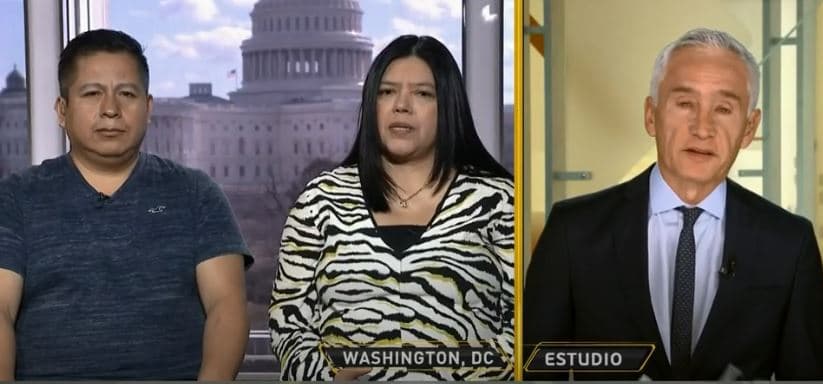
The firing of undocumented workers at Trump's golf clubs just shows how the practice of employing immigrants without legal work papers is much more common than we might imagine. Such is life in the United States.
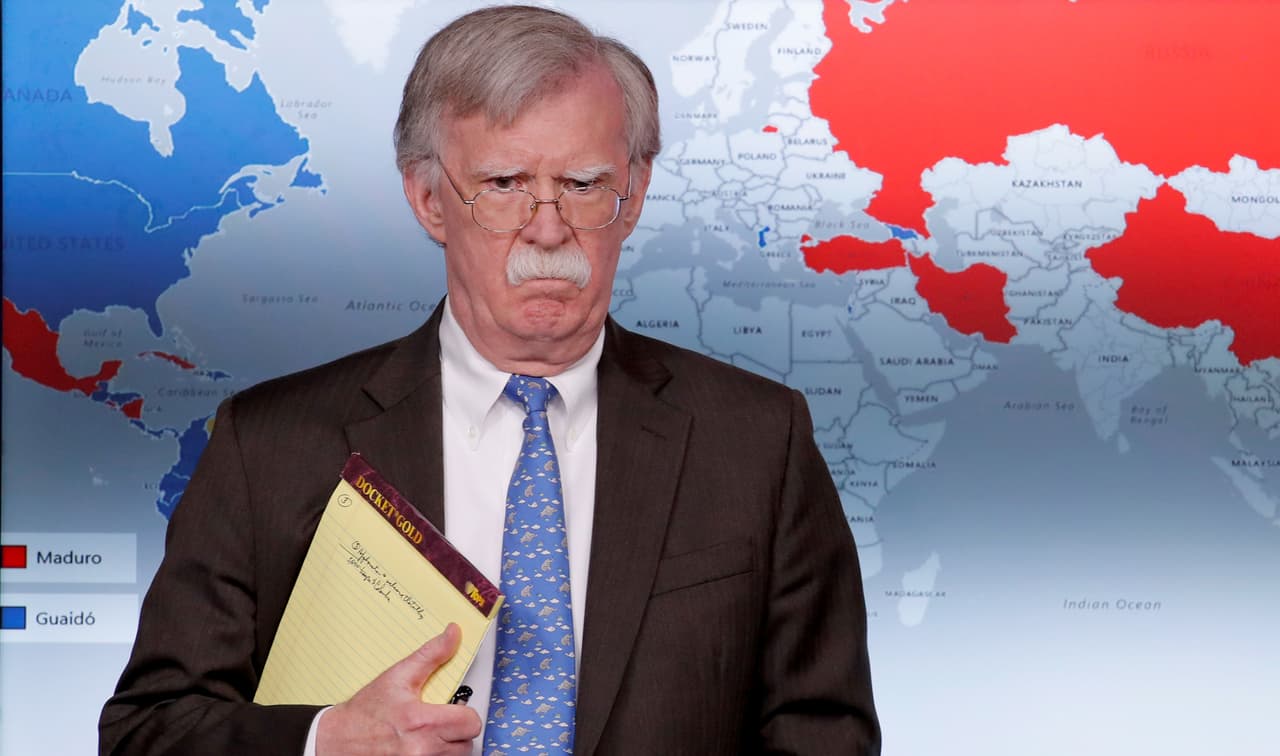
The Trump administration should be wary of fueling fake news predictions about an imminent American invasion which unrealistically raises expectations about Maduro's removal.
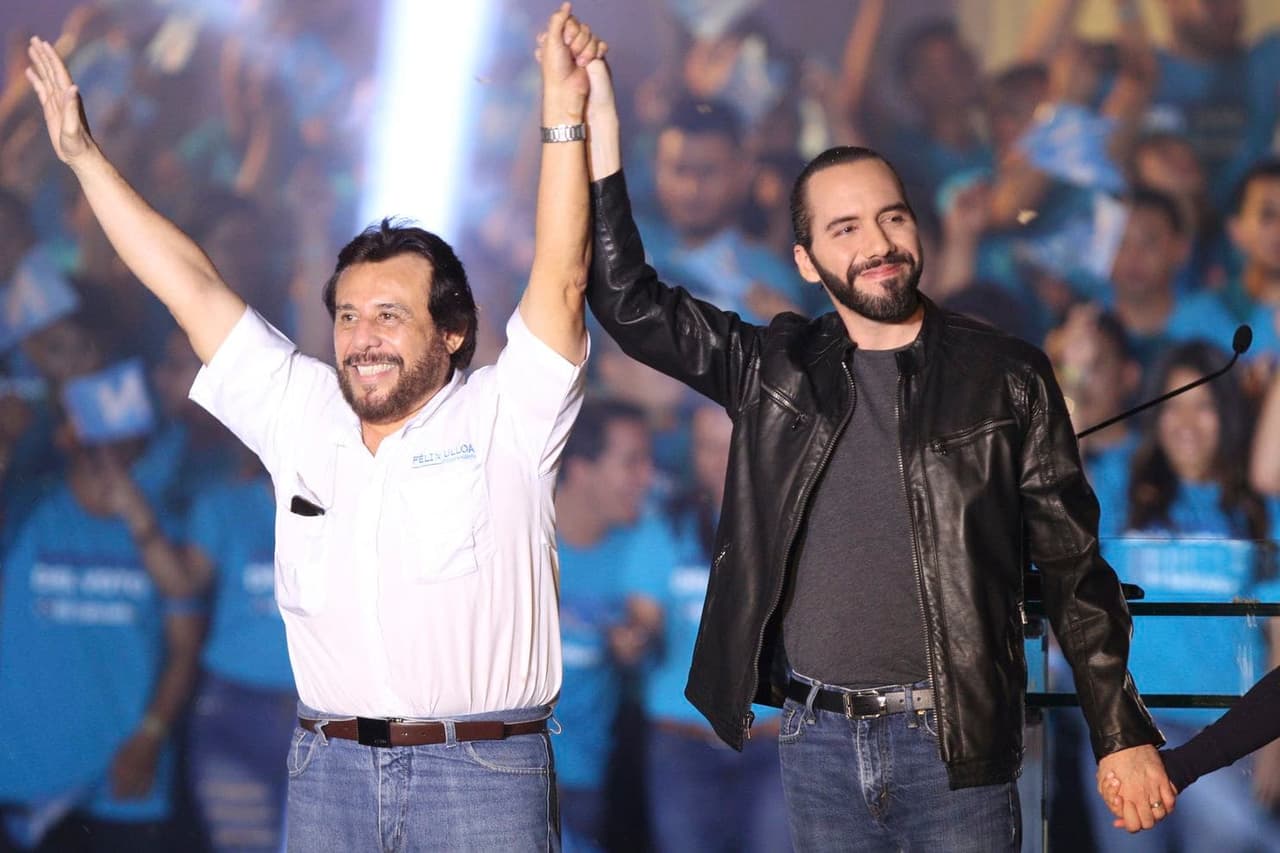
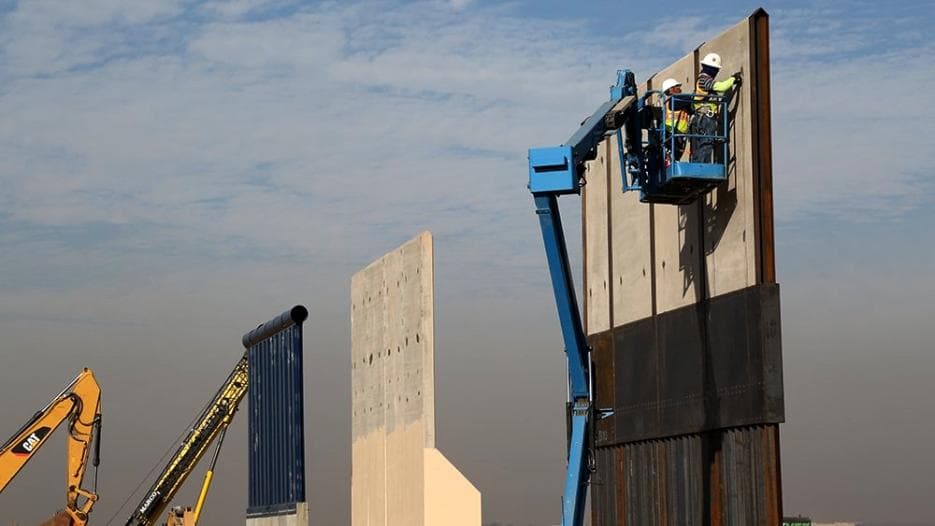
At some point we will have to accept the fact that the border between Mexico and the United States is nothing more than an invention.

The United States has had a major role in the evolving drama of the fight for democracy in Venezuela and Nicaragua. And so far, it’s been surprisingly coordinated, a veritable model of multilateralism.
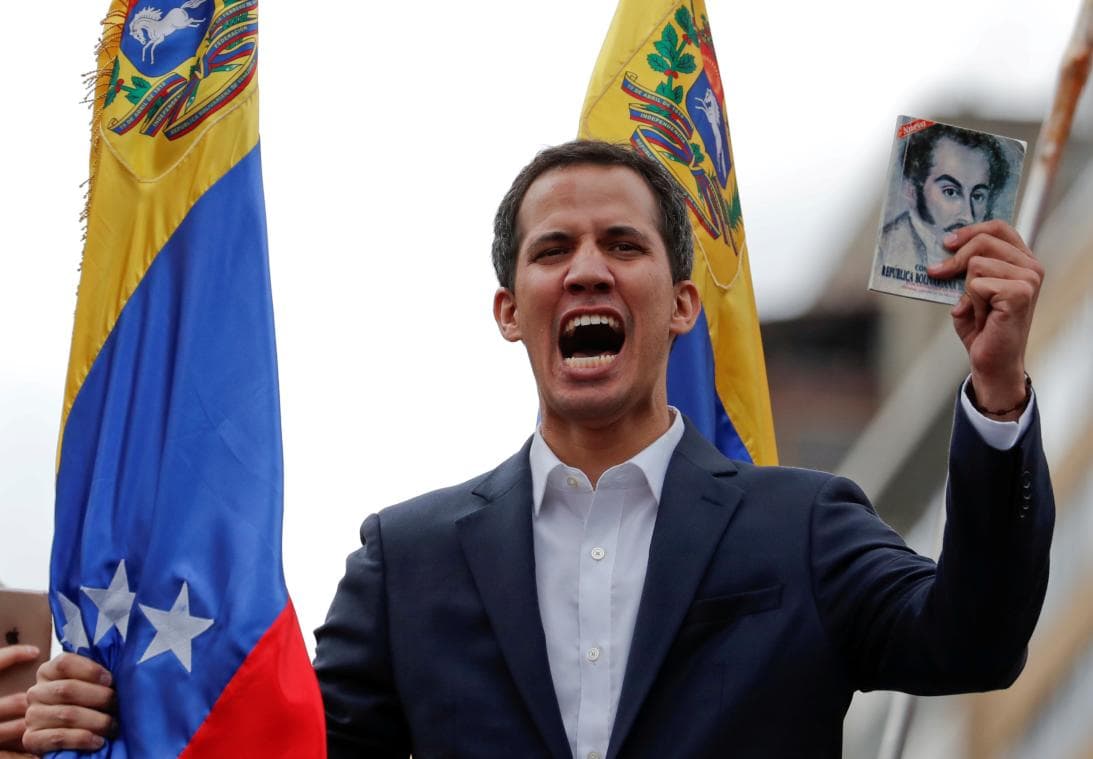
Has the Maduro regime reached breaking point? It remains hard to say, but tomorrow is another - more hopeful - day for the restoration of democracy in the South American nation.
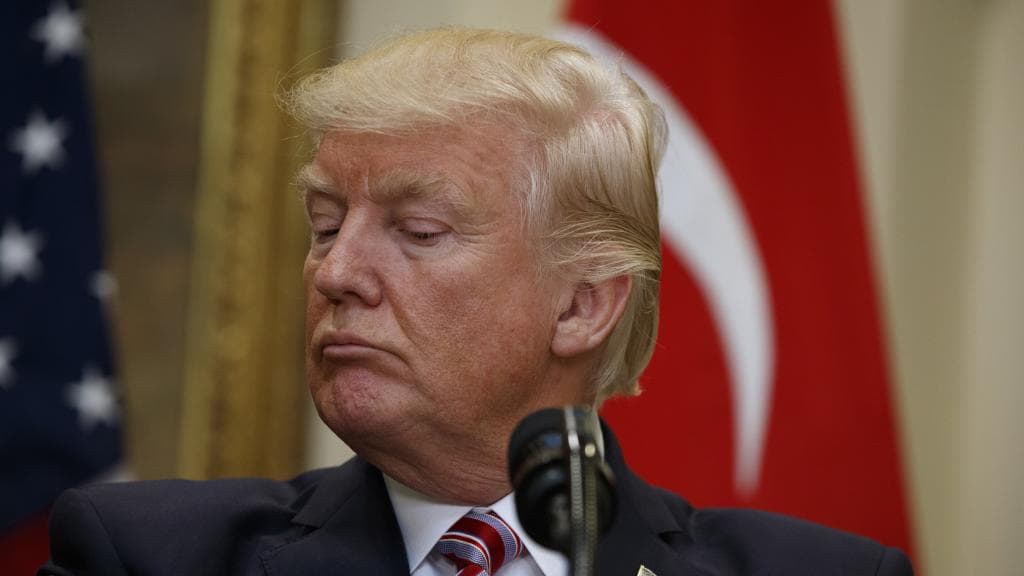
It’s impossible to get into Trump’s head but what comes out of his mouth are racist remarks. But, saddest of all are the millions who tolerate his views, cheer him on and emulate his behavior.
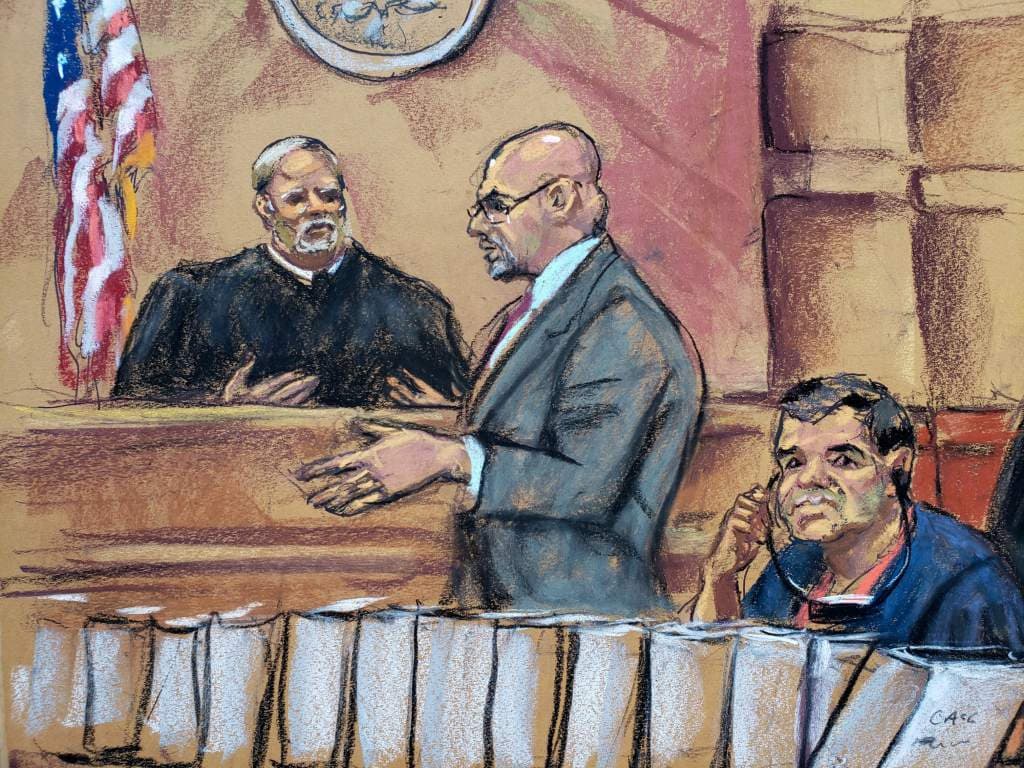
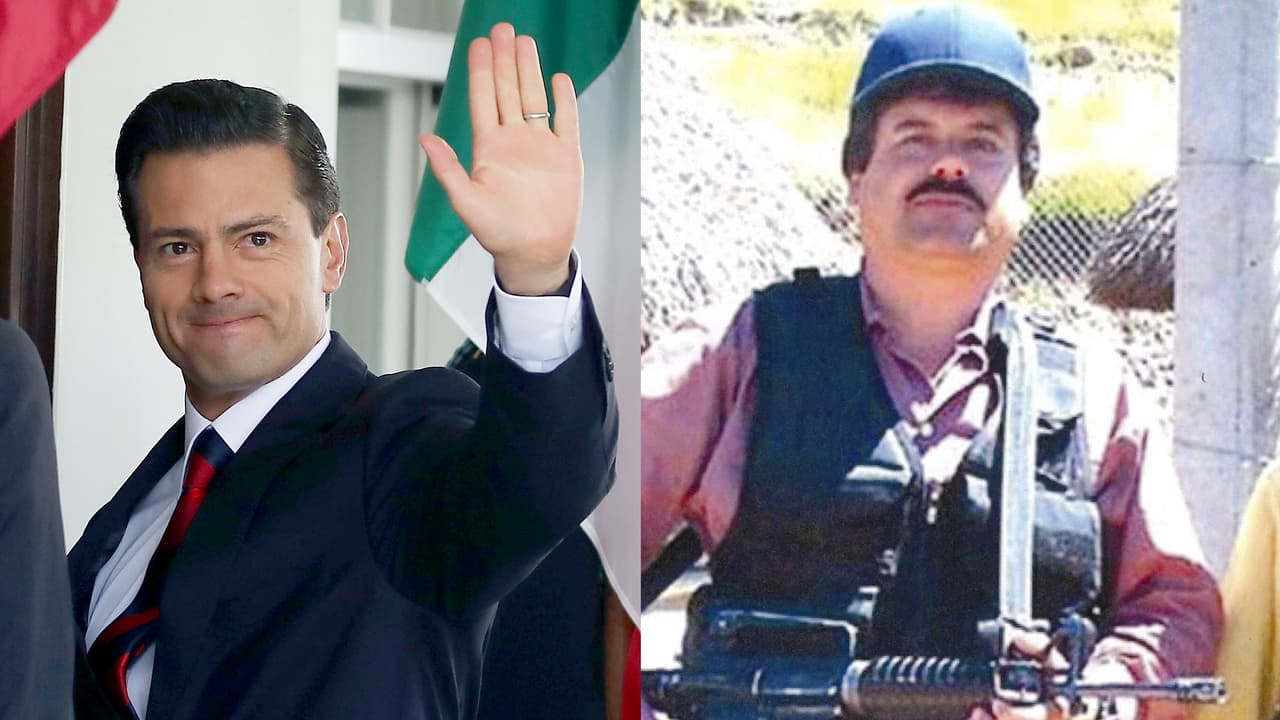
The time is well past due for the U.S. government to conduct a thorough review of leaders and their senior colleagues before they leave office to determine if they merit visas.
Consider Rosa Maria, the 10-year-old girl with cerebral palsy who is a Dreamer and who was recently detained by Border Patrol after she received an emergency surgery. Or Felipe Abonza-Lopez, the young man with DACA who has been detained in South Texas for one month because he was caught driving with his own undocumented family members.
Each DACA recipient has a story to share, and thousands have courageously come forward to tell them in hopes that their fellow Americans would listen. One of the most common sentiments among Dreamers is that
“ America is the only home” they’ve ever known and there is nothing to go back to.
Take Ms. Guzman, who came to the United States when she was 4 years old and only received a chance to meet her full potential because of DACA. By the time DACA ends, she will have graduated with a double major in psychology and political science, but without a work permit, she will be unable to use her degrees like she planned – “to help children like my brother who require speech and occupational therapy services.” This is just one story, and there are hundreds more like this, each as powerful as the next.
Thousands of DACA recipients, like Diana Montelongo, are following their dreams and have become teachers. Diana is a math teacher who discovered that she wanted to be a teacher while pursuing her college degree at University of California, Berkeley. She is an educator for Teach for America and works with seventh grade students from low-income families. For someone who rejoices in watching her students learn math, she does not know if she will teach again after her work permit expires in January 2018.
The only way the fate of Ms. Guzman, Diana, and thousands of other DACA recipients will change is if the Dream Act passes soon. This is a bipartisan issue and most policymakers—and the public—believe that Dreamers should be allowed to live and work peacefully. The Dream Act would be a game changer for these young people, but it would also bring great economic benefits for both the nation and states as beneficiaries will make greater investments in their education and skills. According to the Center for American Progress, if the Dream Act in the Senate or the House were to pass, placing eligible workers on a pathway to citizenship, the U.S. Gross Domestic Product (GDP) would increase anywhere from $281 billion to $1 trillion over a decade. With 12,000 Dreamers in the work force, a state like New Mexico could see annual GDP gains from $151 million to $505 million.
Tens of thousands of DACA recipients are losing protection now and hundreds of thousands are living with fear and anxiety, and the problem will only get worse in the months ahead. If a solution is not reached, the number of young people losing their work authorization and protection from deportation will skyrocket, reaching as high as 50,000 per month in March 2019, until there are no more Dreamers.
As members of Congress we have an obligation—and a tremendous opportunity—to come together solve this problem now. The lives and futures of these young people are in our hands and there is no time to lose.
Michelle Lujan Grisham is the Congressional Hispanic Caucus Chair.
Relacionados: