
The dizzying twists and turns of our nation’s debate on immigration last week produced an understandable mix of outrage, confusion and frustration among many Americans across the political spectrum.
“Actually, we do care, Melania”
A bill presented in Congress seeks to refocus U.S. efforts by helping the source countries of Central American migration create the conditions that make their citizens want to stay at home.
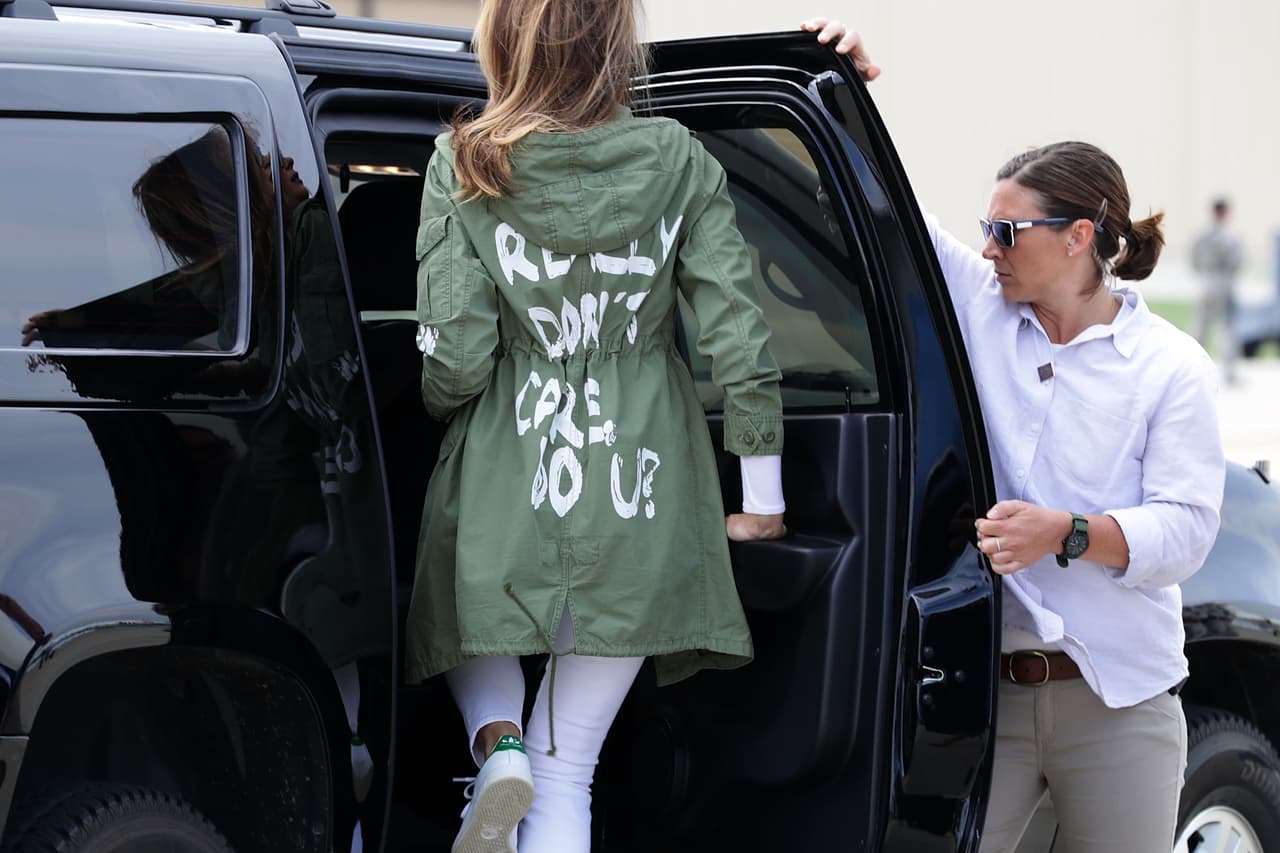
Melania Trump returning from a trip to visit migrant children in shelters wearing a jacket with the words, 'I REALLY DON'T CARE. DO U.'
Imagen Chip Somodevilla / Getty Images
Horrified at seeing small children separated from their asylum-seeking parents on our southern the border, but at the same time insistent that the United States possess the capacity to police its borders and determine through due process of law who we admit, some may have echoed the poorly chosen sartorial slogan of the First Lady and thrown up their hands. “I don’t care. Do U?”
But as former career American diplomats and ambassadors who served in Latin America, we still do care. And we know most Americans do as well, despite the polarization and politicization of the issue.
Fortunately, it appears a few legislators care, too, and are trying to do something beyond barbed tweet baiting or C-SPAN grandstanding.
Last Friday, ranking House Foreign Affairs member Eliot Engel (D-NY), Norma Torres (D-CA), and Adriano Espaillat (D-NY) introduced the Central American Family Reunification and Protection Act. The proposed legislation seeks a better understanding of and capacity to address the root causes of the push factors of migration that have propelled so many Central Americans to seek refugee status in the United States.
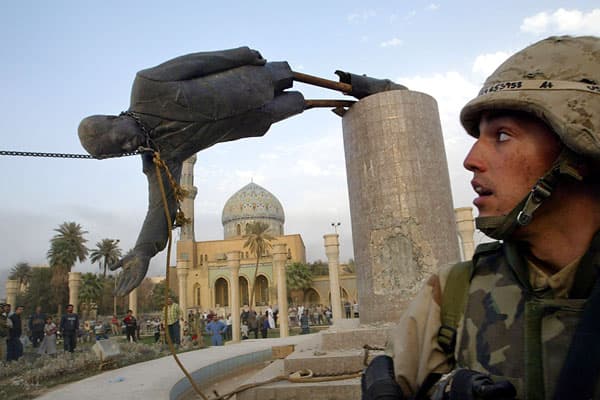
Despite a near universal desire for an end to Venezuela’s manmade disaster, sending in U.S forces to take out the Maduro regime would be counter-productive. It should be categorically rejected by interim president Juan Guaidó, not to mention the Trump administration.
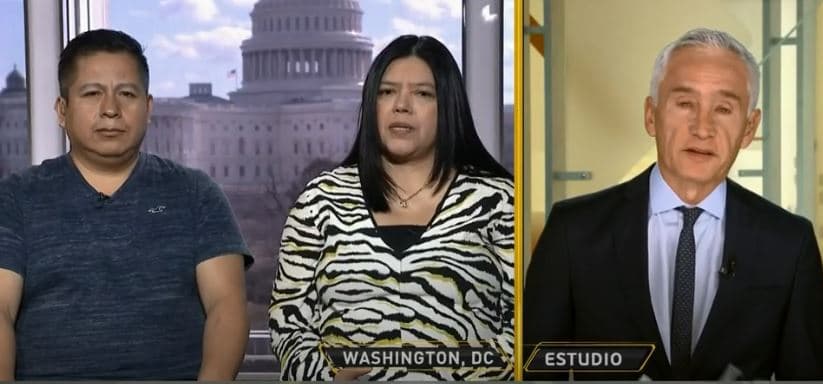
The firing of undocumented workers at Trump's golf clubs just shows how the practice of employing immigrants without legal work papers is much more common than we might imagine. Such is life in the United States.
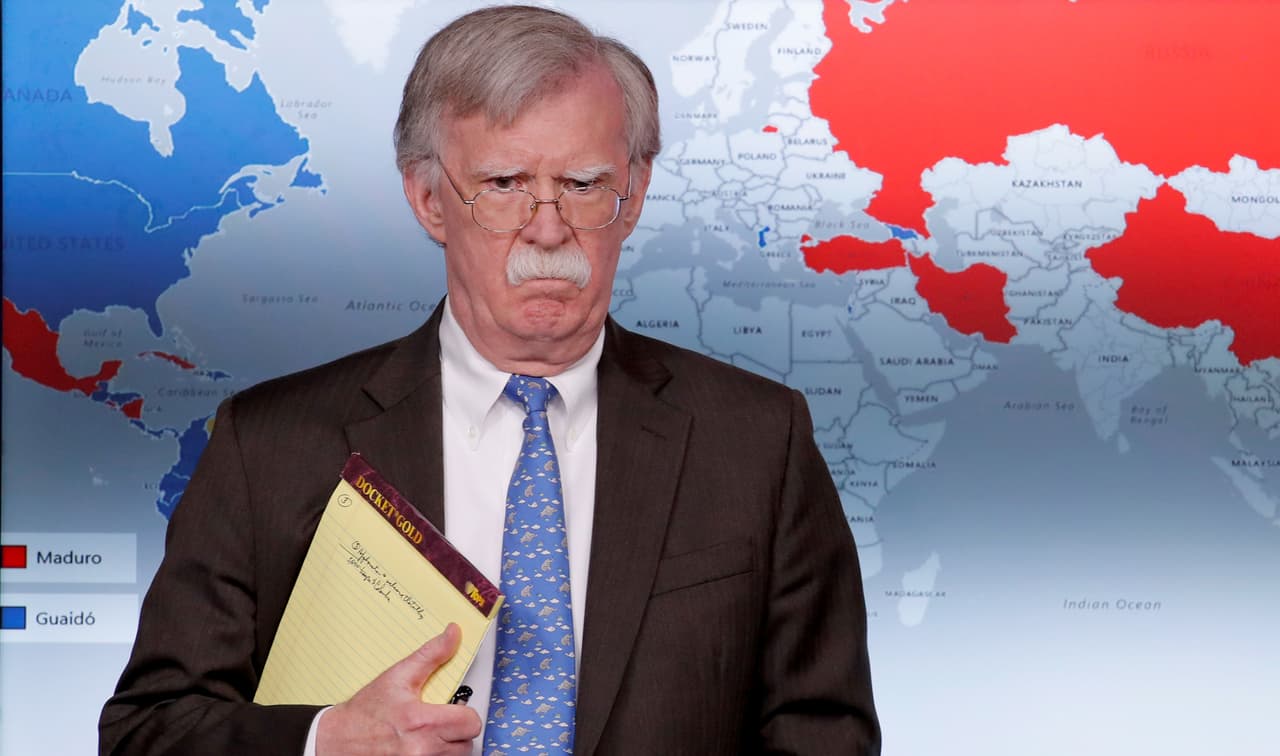
The Trump administration should be wary of fueling fake news predictions about an imminent American invasion which unrealistically raises expectations about Maduro's removal.
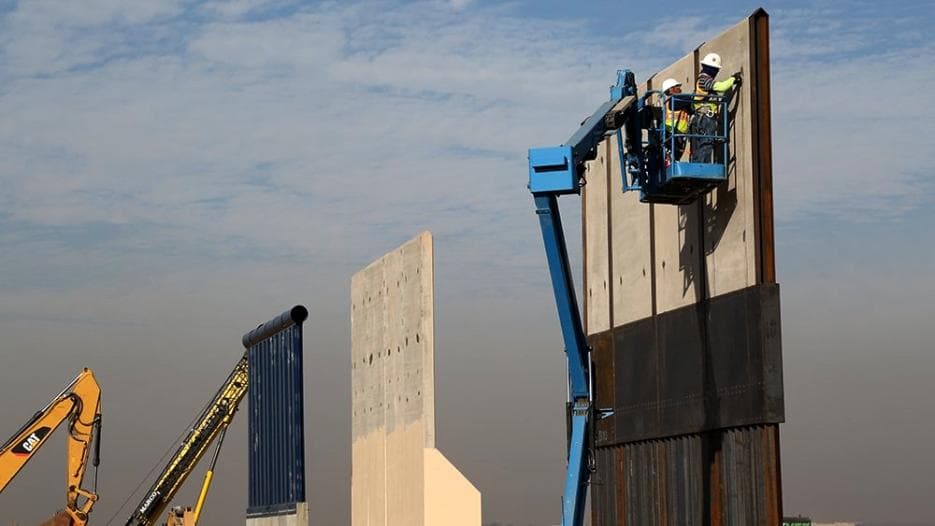
At some point we will have to accept the fact that the border between Mexico and the United States is nothing more than an invention.

The United States has had a major role in the evolving drama of the fight for democracy in Venezuela and Nicaragua. And so far, it’s been surprisingly coordinated, a veritable model of multilateralism.
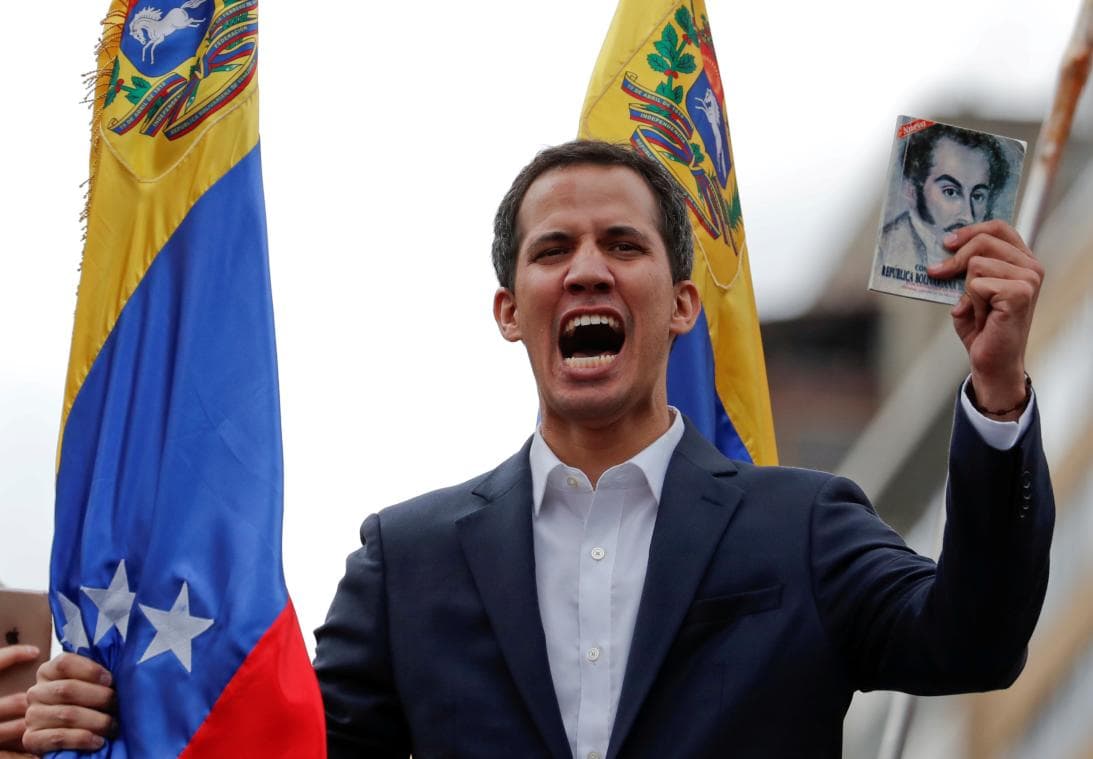
Has the Maduro regime reached breaking point? It remains hard to say, but tomorrow is another - more hopeful - day for the restoration of democracy in the South American nation.
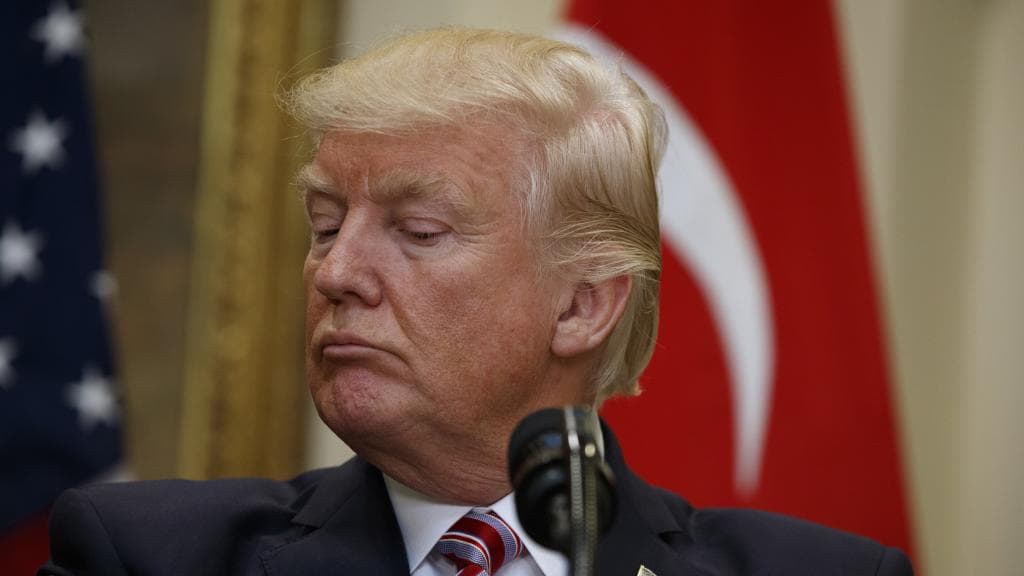
It’s impossible to get into Trump’s head but what comes out of his mouth are racist remarks. But, saddest of all are the millions who tolerate his views, cheer him on and emulate his behavior.
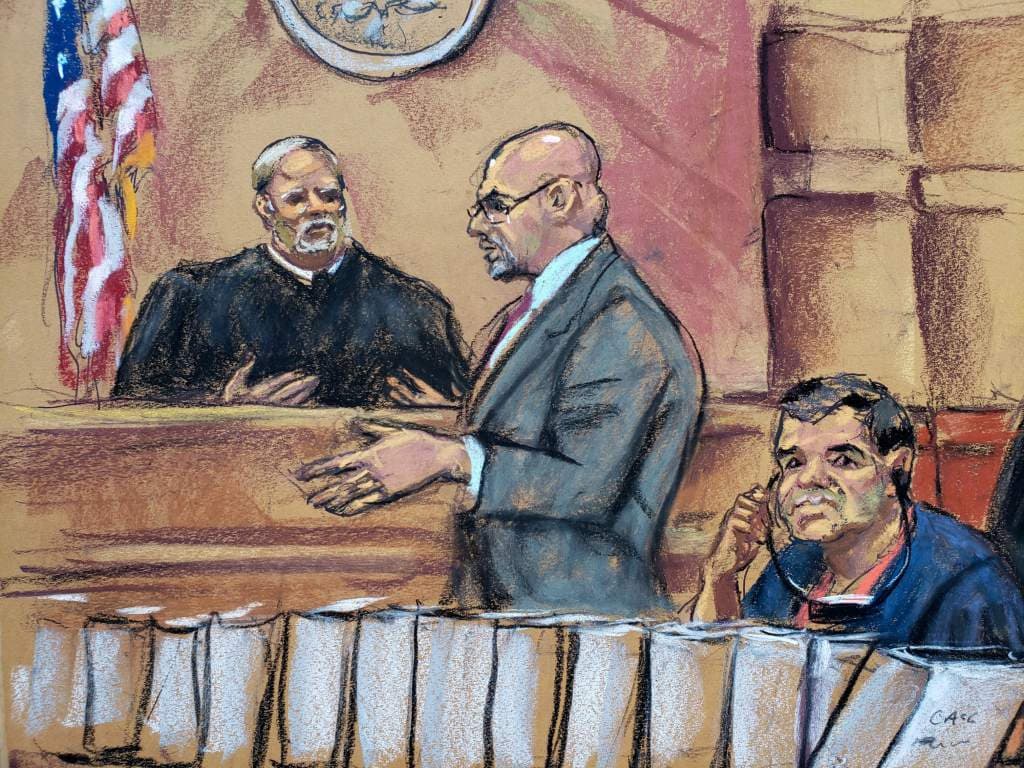
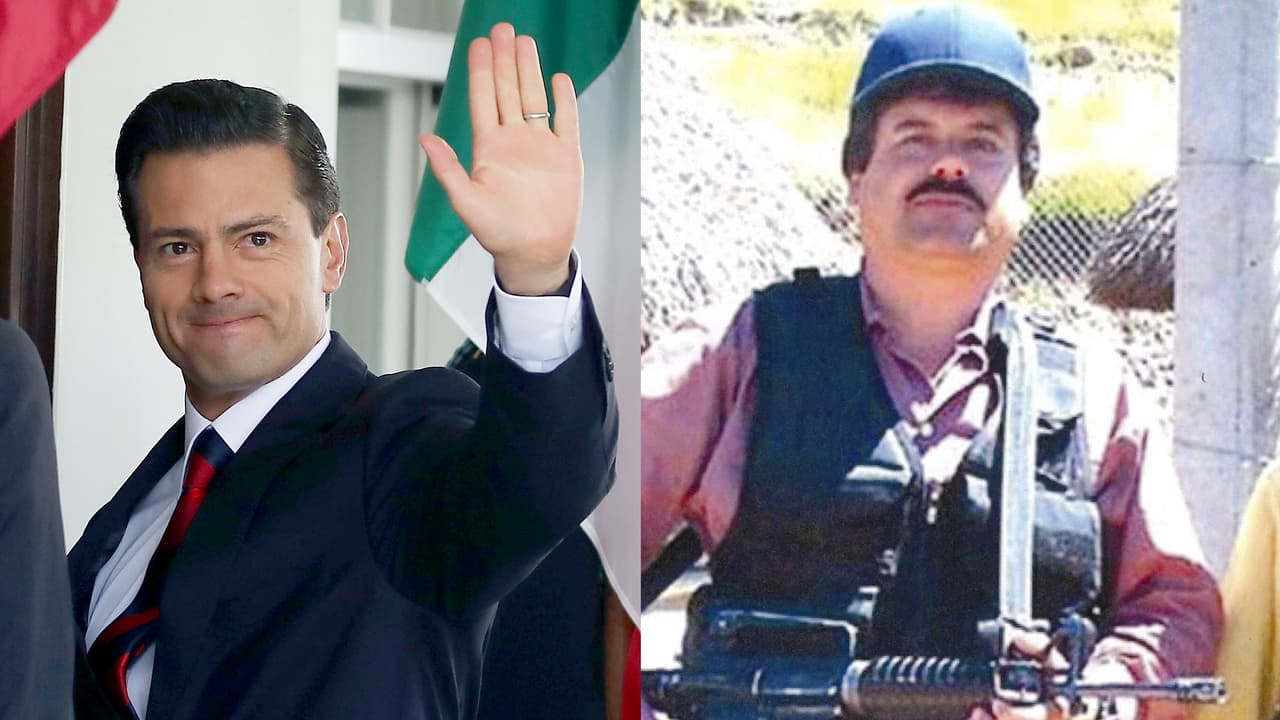
The time is well past due for the U.S. government to conduct a thorough review of leaders and their senior colleagues before they leave office to determine if they merit visas.
The bill would put the Department of State back in the policy saddle, a welcome endorsement after former Secretary Tillerson all but unilaterally sidelined our diplomats and embassies from the discussion. It charges them with investigating and reporting on conditions of gang violence, gender violence and domestic abuse, judicial impunity, and the rule of law in the migrant sending nations of the Northern Triangle. This is not “FAKE NEWS,” but the professional, in-depth and unbiased type of information gathering and analysis that professional diplomats are uniquely qualified to perform.
The draft legislation also charges the Secretary of State to work in coordination with Congress, the US Agency for International Development (USAID), and the independent InterAmerican Foundation to devise strategies to help Guatemala, Honduras and El Salvador reduce all types of violence, strengthen the state’s response to it, and deal with the very real psychological trauma of returned children who have been doubly abused, first by the violence and poverty of their home countries, and then subsequently through the experience of being separated and isolated from their parents in the United States.
The bill does not advocate for open borders. It does not seek an amnesty for the undocumented aliens currently living in the United States. It does not address a path to citizenship deal or the status of the Dreamers. All these contentious issues have yet to be wrestled with at some point.
But for those who do care, and want to fix our immigration quandary, this legislation is an excellent initiative that seeks to apply an ounce of prevention, instead of shouting across the aisle that we are not morally obliged to pay for the pound of cure with U.S. tax dollars. Let’s face it. As long as per capita GDP in the United States is more than twenty times that of Honduras, the pull factors of migration will remain.
So how do we change the dynamic and stop playing defense every day on our own one-yard line?
These Congressmen (two of them foreign born, by the way) get it – by helping the source countries of migration create the conditions such that their citizens see their future at home and not in the United States. They understand that the confusion and rhetorical chaos created by the Administration's ad hoc immigration policy only feeds instability in Central America and imperils the significant progress that has been made there over the past several years in addressing these push factors. This legislation represents an important step forward in re-focusing our efforts where they make the most sense.
One important consideration the bill does not address (and cannot, as it originates in an authorizing committee), but which must be taken up by Appropriations Committees, is the funding to staff this embassy-based exercise in going after the root causes of undocumented Central American migration.
Embassies already struggle under the significant weight of Congressionally-mandated reporting requirements. Few issues, however, have the immediacy and direct relevance to U.S. well-being on Main Street as does the undocumented migration issue. This issue is different. This issue has to do with the very soul and ethos of the United States as a nation founded upon the hard working, risk-taking, entrepreneurial generations of migrants searching for and contributing to the American Dream.
So we urge Congess, as it considers this important bill, to also consider a small investment in reversing former Secretary Tillerson’s counter-productive freeze on hiring and training new diplomats at the State Department. Give Secretary Pompeo the adequate personnel and resource tools he will need to contribute to practical, pragmatic and non-partisan solutions to the immigration mess we’re in.
After all, we’re Americans. We simply must care if we want to live up to our enviable historical inheritance as a strong but compassionate nation, grounded in the rule of law.
( John Feeley was U.S. Ambassador to Panama from 2016-18 and is currently a political consultant with Univision and a board member of the Immigration Partnership and Coalition. James Nealon was U.S. Ambassador to Honduras from 2014 to 2017 and is now a Wilson Center Global Fellow.)
Relacionados: