
It’s incredible that, almost 30 years after the presidential election of 1988, many “Priistas” (or members of the ruling Revolutionary Institutional Party, or PRI) in Mexico still won’t acknowledge the electoral fraud that occurred that year.
A Fraud Foretold in Mexico
Mexico's 1988 presidential election has resurfaced, thanks to "some confusing and fanciful statements that Manuel Bartlett, the former secretary of the interior, has given in recent interviews," writes Jorge Ramos.
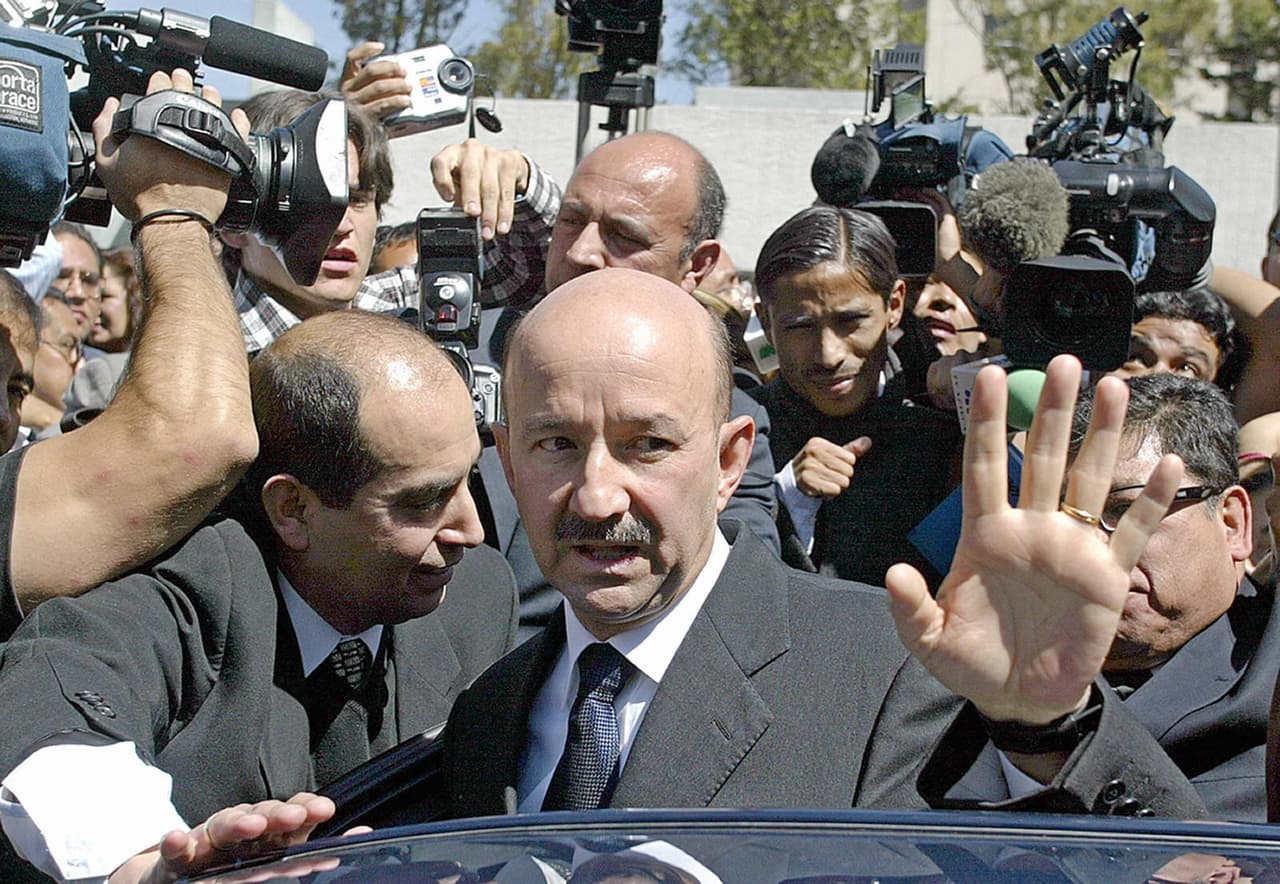
Carlos Salinas de Gortari won the presidency in 1988 amid massive allegations of fraud.
Actually, the PRI refuses to recognize that fraud has occurred in every presidential election from 1929 to 1994 — the era of the hand-picked successor, in which the current president essentially designated the next one.
But the 1988 election has resurfaced, thanks to some confusing and fanciful statements that Manuel Bartlett, the former secretary of the interior, has given in recent interviews. Apparently, Bartlett doesn’t seem to recall what happened in Mexico back in 1988, so let me try and refresh his memory.
The initial vote tally from the July 6, 1988 election gave a clear lead to Cuauhtemoc Cardenas, the candidate from the Party of the Democratic Revolution. But the vote count was suddenly halted — officials later would blame a “system crash” — and days later, when the final tally was tabulated, the winner just happened to be Carlos Salinas de Gortari, from the PRI.
I’ve talked with Salinas de Gortari about this issue twice. The first time was in October 2000, in Mexico City.
“Would it be safe to say that an electoral fraud put you in the presidency?” I asked him.
“Of course not,” Salinas de Gortari told me. “There was no fraud.”
“The system crashed,” I responded. “It took six days to release the final results. In 1,762 polling stations, the PRI got 100% of the vote — very Soviet-style … then in 1992 all the ballots were destroyed. Yet there was no fraud?”
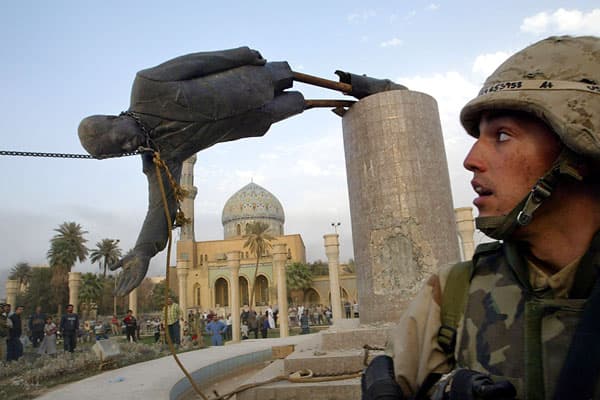
Despite a near universal desire for an end to Venezuela’s manmade disaster, sending in U.S forces to take out the Maduro regime would be counter-productive. It should be categorically rejected by interim president Juan Guaidó, not to mention the Trump administration.
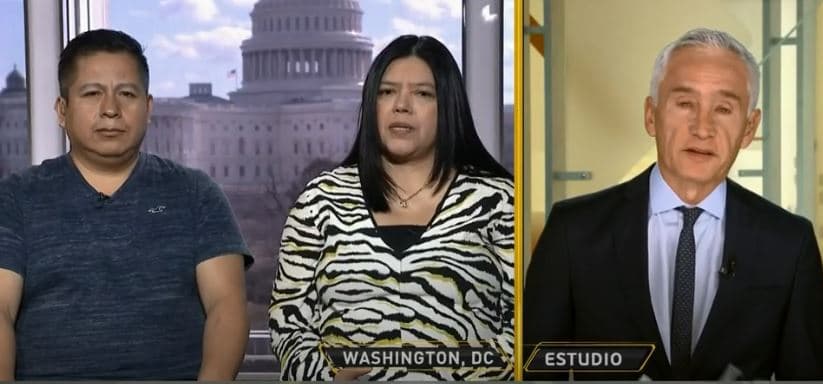
The firing of undocumented workers at Trump's golf clubs just shows how the practice of employing immigrants without legal work papers is much more common than we might imagine. Such is life in the United States.
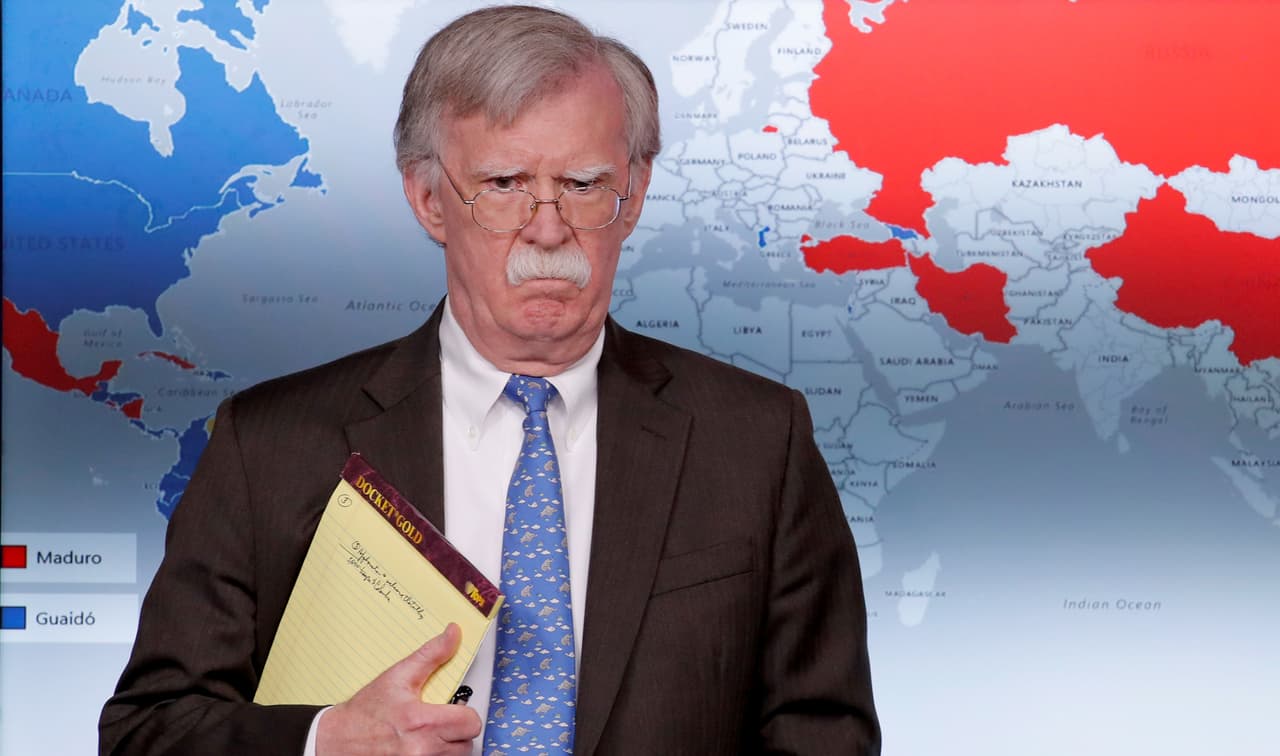
The Trump administration should be wary of fueling fake news predictions about an imminent American invasion which unrealistically raises expectations about Maduro's removal.

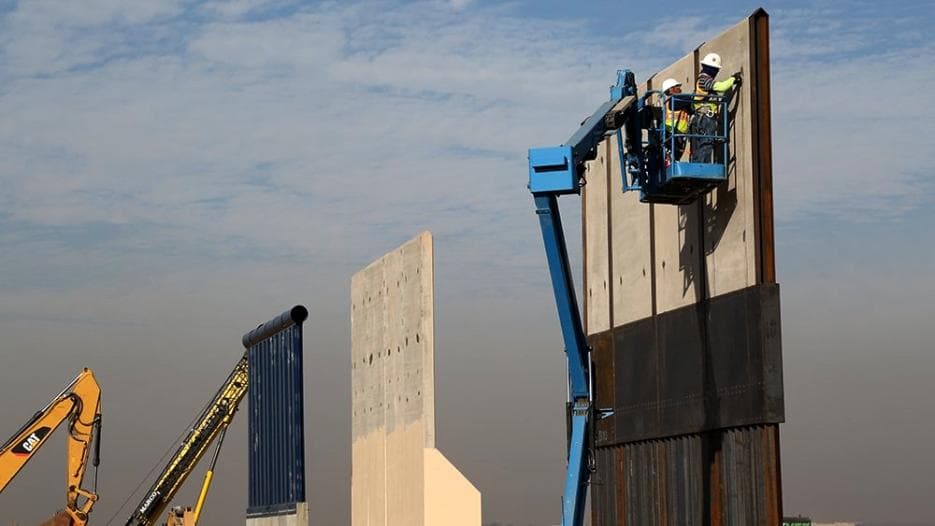
At some point we will have to accept the fact that the border between Mexico and the United States is nothing more than an invention.

The United States has had a major role in the evolving drama of the fight for democracy in Venezuela and Nicaragua. And so far, it’s been surprisingly coordinated, a veritable model of multilateralism.
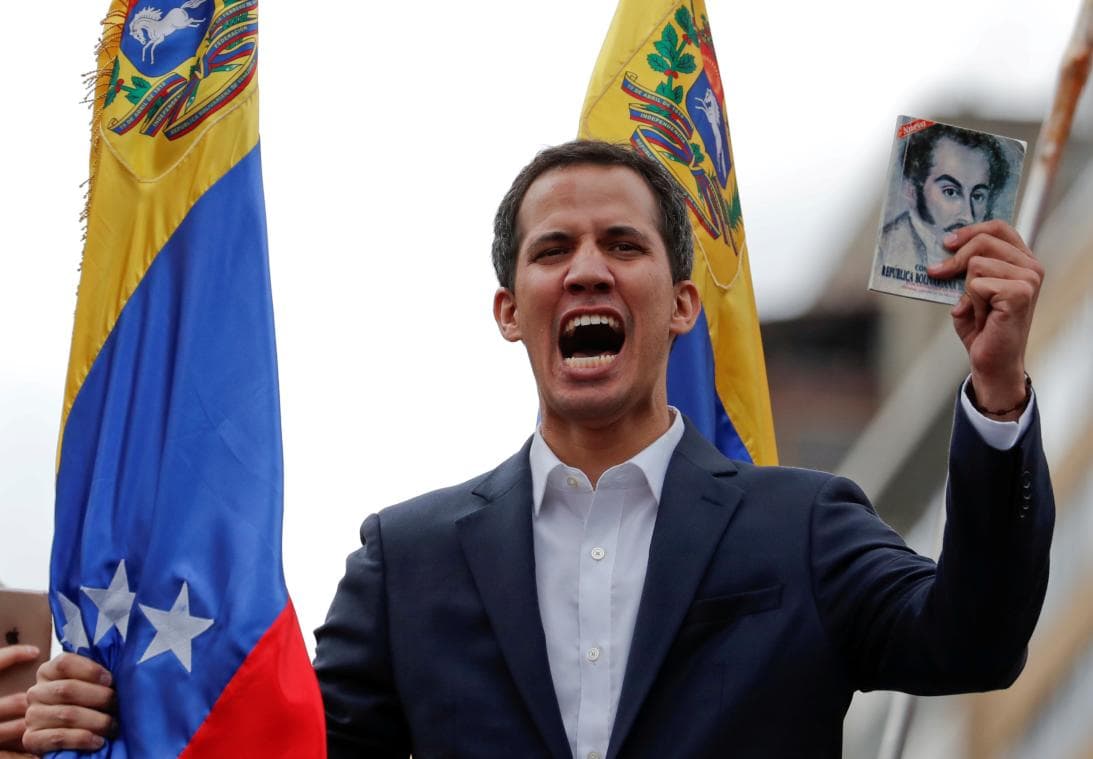
Has the Maduro regime reached breaking point? It remains hard to say, but tomorrow is another - more hopeful - day for the restoration of democracy in the South American nation.
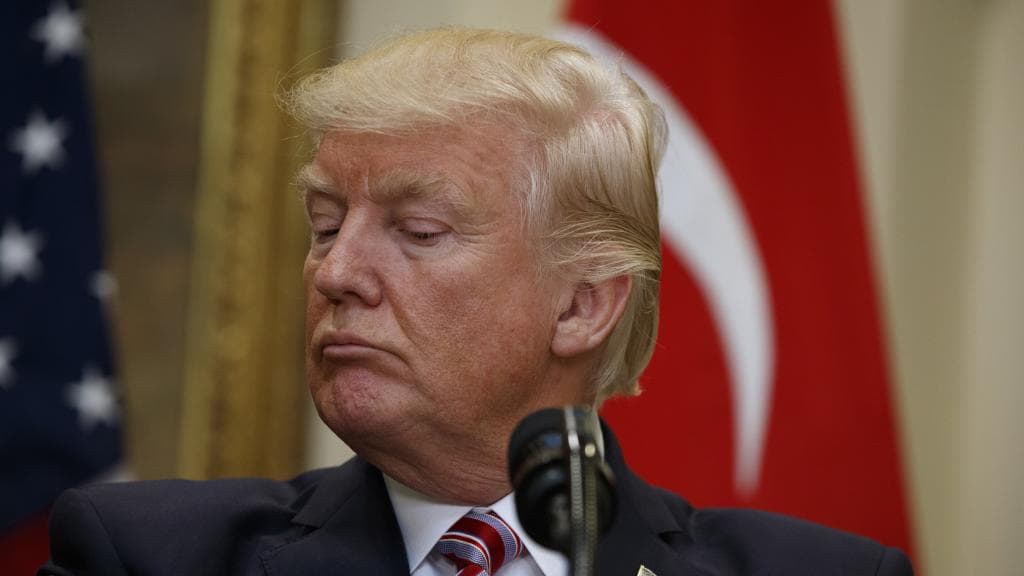
It’s impossible to get into Trump’s head but what comes out of his mouth are racist remarks. But, saddest of all are the millions who tolerate his views, cheer him on and emulate his behavior.
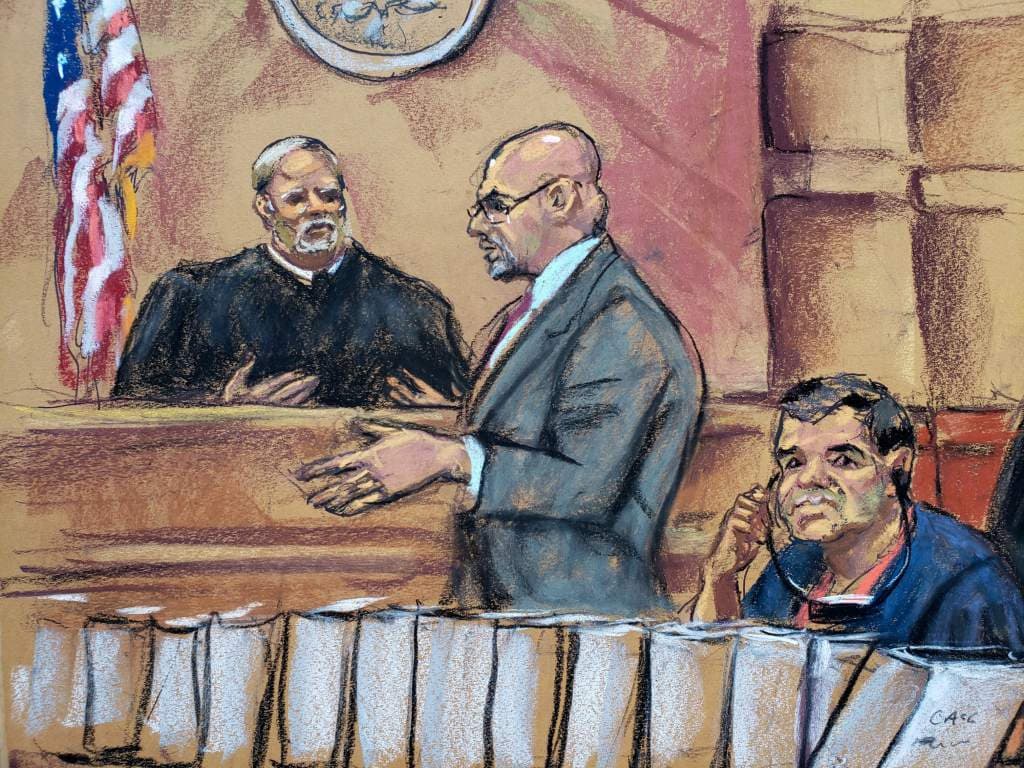
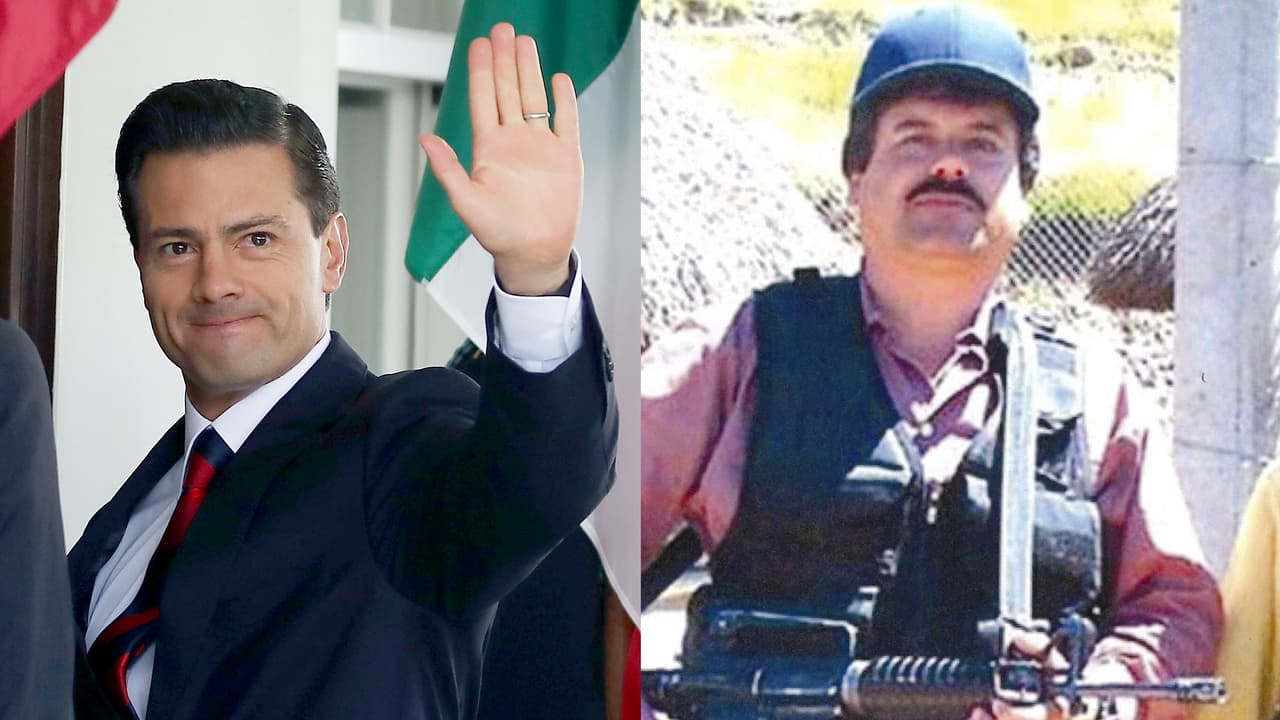
The time is well past due for the U.S. government to conduct a thorough review of leaders and their senior colleagues before they leave office to determine if they merit visas.
“There wasn’t enough documentation,” Salinas de Gortari said.
“Cuauhtemoc Cardenas keeps saying there was fraud,” I told him. “And many Mexicans reckon there was fraud.”
“Well, why wouldn’t they, if that idea has been pushed all these years with a misinformation campaign?” Salinas de Gortari said.
“That’s the image that’s prevailed. It wasn’t the vote count that crashed, but the computers. Who had the idea of setting up a computer system that wasn’t operational? Fifty-five thousand records with the signatures of the [political party] representatives are stored — it’s the best documented election in the nation’s general archive.”
But that isn’t true. The signed vote certifications exist, but the actual ballots — the ones that gave Cardenas the victory — were burned in 1992, by an order of Congress. The goal was to make it impossible for anybody to ever count them and prove voter fraud.
I mentioned this to Salinas de Gortari in another conversation, this time in May 2008 in Washington.
“There can’t be a recount because the ballots were burned,” I said.
“No, sir,” Salinas de Gortari responded. “The records are at the nation’s general archive.”
“The records, not the ballots,” I said.
“But there are the records signed by the parties’ representatives in each of the 55,000 voting stations,” he said.
“Cuautemoc Cardenas told me during an interview that, and I quote, ‘We are convinced, along with 99% of Mexicans, that there was electoral fraud in 1988,'” I said.
“Well, I don’t know what kind of polls he conducted, because the polls conducted days before the election confirmed what the records ultimately showed,” Salinas de Gortari said.
But the fact is that there was indeed an electoral fraud in 1988. It was accomplished by suspending the vote, altering the results, forging records, then burning the actual ballots to destroy any evidence. Nobody doubts Salinas de Gortari’s intelligence and shrewdness, but he’ll go down in history as a man who won the presidency in a rigged election.
It would be very healthy for Mexico’s democracy to come to terms with this fact at last. Unfortunately, Mexico has an ugly habit of burying the facts that hurt the most.
The worst part is that, decades later, cheating and fraud are still acceptable within the political class. The 2012 presidential election demonstrated that Mexico’s political elites were willing to make a mockery of the electoral system in order to impose Enrique Peña Nieto as president. And many people think nothing will keep them from doing it again in 2018. This is a fraud foretold.
Mexicans need to learn the lessons of the past and say, finally: ¡Basta!
Relacionados: