Not long ago on Univision, we interviewed Ángela Parrilla, a 103-year-old woman from Puerto Rico who told us that Maria was actually worse than Hurricane San Ciprian, which ravaged the island in 1932. The devastation after Maria hit in late September was unprecedented, so everyone understandably expected the U.S. government to rise to the occasion. It didn’t.
A battered island
Puerto Rico was hit twice this year: First by Hurricane Maria, then by President Donald Trump. His tardy visit to the island only reinforced the perception that he was not treating the 3.5 million American citizens there the same way he had treated the victims of Hurricane Harvey, in Texas, and Hurricane Irma, in Florida, earlier this year.

President Donald Trump tosses paper towels into a crowd as he hands out supplies at Calvary Chapel in Guaynabo, Puerto Rico, on Oct. 3, 2017.
Imagen Evan Vucci/AP Images
The slow response of officials was at first totally incomprehensible. When Trump was confronted about it, the only thing he could do was remind us that Puerto Rico was “an island sitting in the middle of an ocean, and it’s a very big ocean.”
Later, facing a lot of pressure, he visited Puerto Rico, but his presence only reinforced the perception that he was not treating the 3.5 million American citizens there the same way he had treated the victims of Hurricane Harvey, in Texas, and Hurricane Irma, in Florida, earlier this year.
Then, in San Juan, Trump tossed paper towels into a crowd of hurricane victims like he was taking jump shots. That was an evident lack of respect for Puerto Ricans; I highly doubt the president would have considered doing the same thing in Houston or Miami.
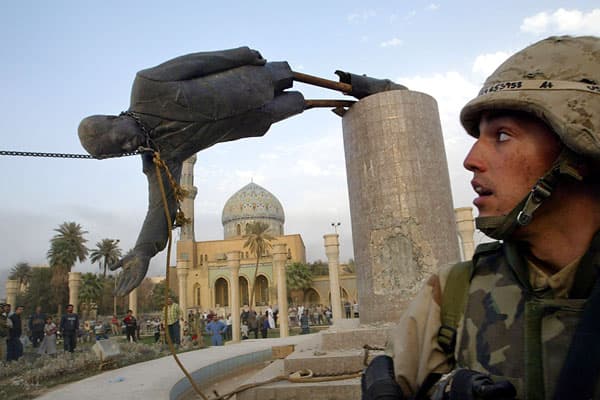
Despite a near universal desire for an end to Venezuela’s manmade disaster, sending in U.S forces to take out the Maduro regime would be counter-productive. It should be categorically rejected by interim president Juan Guaidó, not to mention the Trump administration.
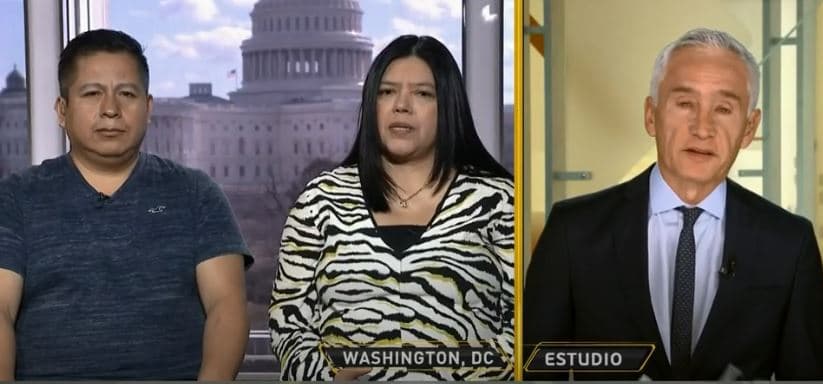
The firing of undocumented workers at Trump's golf clubs just shows how the practice of employing immigrants without legal work papers is much more common than we might imagine. Such is life in the United States.
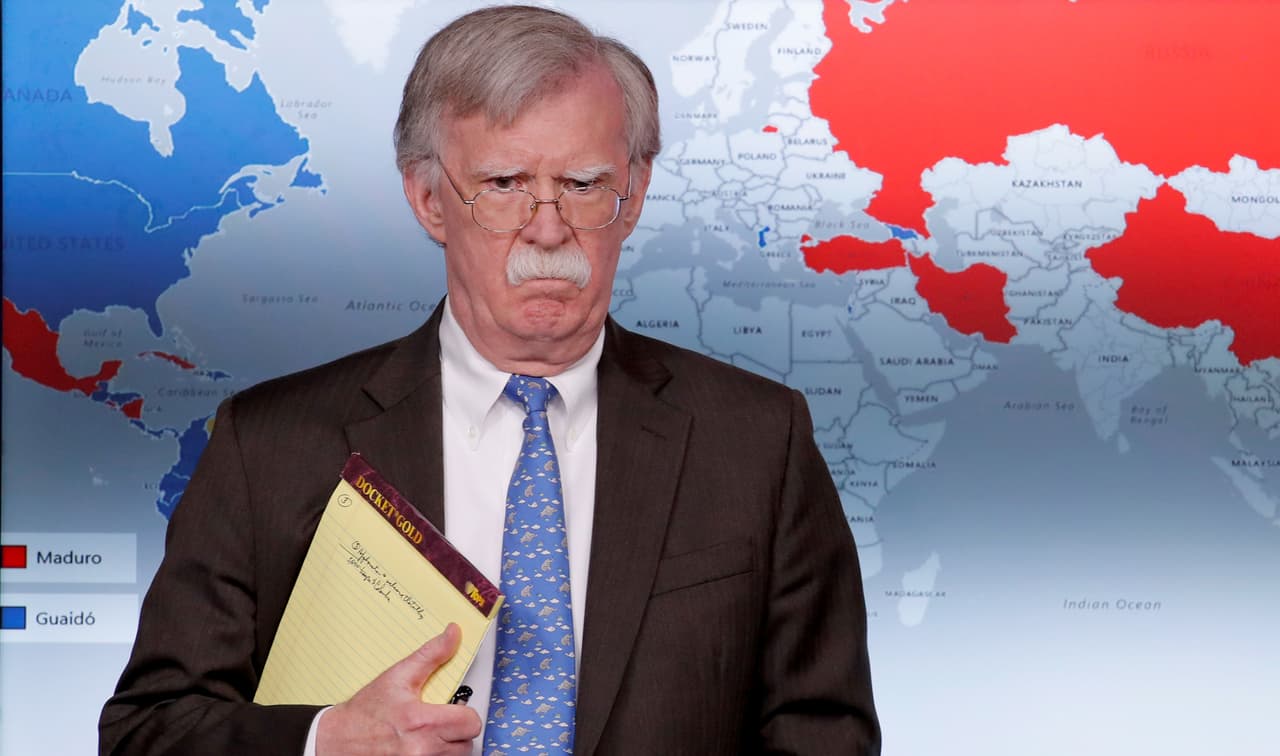
The Trump administration should be wary of fueling fake news predictions about an imminent American invasion which unrealistically raises expectations about Maduro's removal.
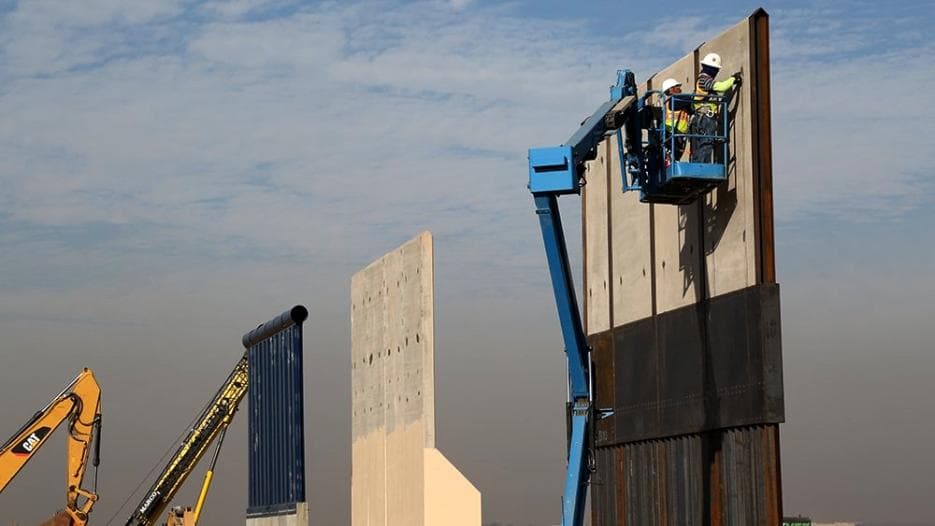
At some point we will have to accept the fact that the border between Mexico and the United States is nothing more than an invention.

The United States has had a major role in the evolving drama of the fight for democracy in Venezuela and Nicaragua. And so far, it’s been surprisingly coordinated, a veritable model of multilateralism.
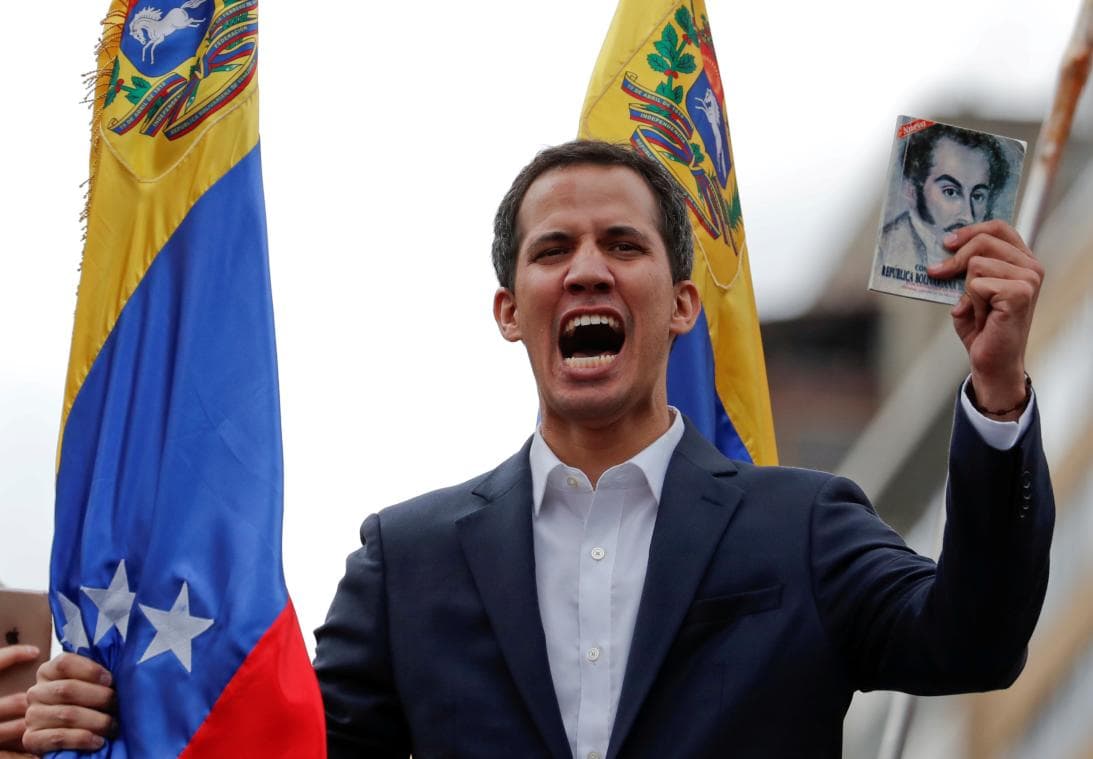
Has the Maduro regime reached breaking point? It remains hard to say, but tomorrow is another - more hopeful - day for the restoration of democracy in the South American nation.
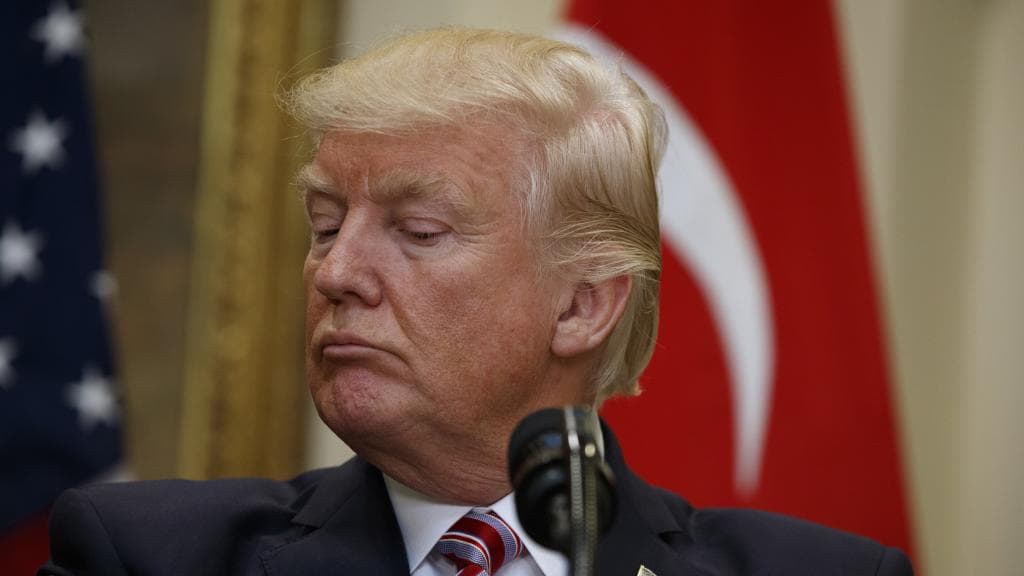
It’s impossible to get into Trump’s head but what comes out of his mouth are racist remarks. But, saddest of all are the millions who tolerate his views, cheer him on and emulate his behavior.
The time is well past due for the U.S. government to conduct a thorough review of leaders and their senior colleagues before they leave office to determine if they merit visas.
Discrimination against Puerto Ricans was obvious on the president’s Twitter account. “We cannot keep FEMA, the military & the First Responders ... in P.R. forever,” he wrote on Oct. 12. In the aftermath of Hurricane Harvey, however, his tweets were quite different: “TEXAS: We are with you today, we are with you tomorrow, and we will be with you EVERY SINGLE DAY AFTER, to restore, recover and REBUILD!” Trump wrote on Sept. 2.
Such statements about Puerto Rico, along with the lack of water, food and medicine in the first days after the tragedy, provoked strong criticism of Trump. “He is showing off that he’s just racist,” Alejandro García Padilla, a former governor of Puerto Rico, said on MSNBC.
Carmen Yulín Cruz, the mayor of San Juan, told me in an interview that there were people who wanted to “change the narrative and hide the failure” of the response to the disaster, but for her it was a matter of “life or death.” Trump didn’t like Cruz’s critiques and accused her of being “nasty.” Her response: “What is truly nasty is to turn your back on the Puerto Rican people.”
Trump, of course, thinks his administration is doing “a really good job,” and scored the response in Puerto Rico a “10 out of 10.” For many, this was a failure that Trump just couldn’t seem to recognize.
According to recent CNN polls, after Hurricanes Harvey and Irma, 64% of Americans approved of Trump’s response, but that approval fell to 44% after the slow, inefficient response to Maria, and Trump’s seemingly negative attitude toward Puerto Rico.
This perception would not matter so much if assistance to the island had arrived on time and the scenario was more optimistic. But it isn’t. More than 80% of the power grid is not working, 28% of Puerto Ricans don’t have running water and 40% don’t have a cellphone signal, according to a recent article by David Leonhardt in The New York Times.
While Trump is patting himself on the back, the island is facing a heartbreaking future. It will take years to recover, and the terrible financial situation in this American territory doesn’t bode well for new investment or the creation of new jobs. If similar conditions were present in Texas or Florida, it would be a nationwide scandal.
To make matters worse, Puerto Ricans who live on the island cannot vote for president, though Puerto Ricans living in Florida and other states can. At present, a real exodus to Florida is occurring, and I wonder how these Puerto Ricans will vote when Trump is running for re-election in 2020. Will they remember the paper towels?
Some hurricanes last for years.
Relacionados: