
The advent of the Trump presidency leaves Mexico with little choice but to hope for the best and plan for the worst. At least one would think so. In reality, Mexico doesn’t seem to be doing much of either—they can see the storm approaching, but haven’t done enough to prepare.
8 concrete steps Mexico needs to take to prepare for Trump’s deportations
Mexico does have some leverage, especially when it comes to security cooperation and immigration from Central America. But overall the country doesn’t seem ready to play hardball with Trump

8 concrete steps Mexico needs to take to prepare for Trump’s deportations
Imagen Elena Scott/Fusion
With just 10 days to go before Trump’s inauguration, Mexico appears unready to deal with a new U.S. president who built his campaign by railing against their country and people. For many Mexicans, that lack of strategy is unsettling.
Trump has promised to impose trade tariffs on Mexican exports, renegotiate NAFTA, build a border wall, and deport millions of undocumented immigrants. His intentions aren’t a secret. But all Mexico has really done to prep itself is appoint a new foreign affairs minister who has ties to Trump’s inner circle.
Former foreign affairs minister Jorge G. Castañeda is urging Mexico to make efforts to slow the U.S. deportation process by asking U.S. authorities for documented proof that everyone they try to remove to Mexico are in fact Mexican citizens. There are also calls for Mexico to defend international protocols that supposedly limit Trump’s administration to 60,000 deportations per year—a far cry from the millions the next U.S. president wants to oust “immediately.”
Mexico does have some leverage, especially when it comes to binational security cooperation and restricting the flow of northbound immigrants from Central America.
But overall the country doesn’t seem ready to play hardball with Trump. The weakened administration of President Enrique Peña Nieto will be at a major disadvantage when it comes to dealing with a hawkish White House and a Republican Congress, which will seek to strengthen the conservative’s grip on the federal court system that oversees immigration cases.
Here are eight things that Mexico needs to get working on now.
Debunk false narratives
Mexico needs to state the facts by clarifying that a many of the undocumented immigrants who would potentially be removed from the U.S. are not hardened criminals, despite being labeled by the U.S. government as “criminal aliens.”
Many deportees are guilty of minor traffic infractions or violating immigration laws. Stigmatizing them as criminals is about rallying public support for hardline immigration policies in the U.S., but Mexico shouldn’t buy into that hype.
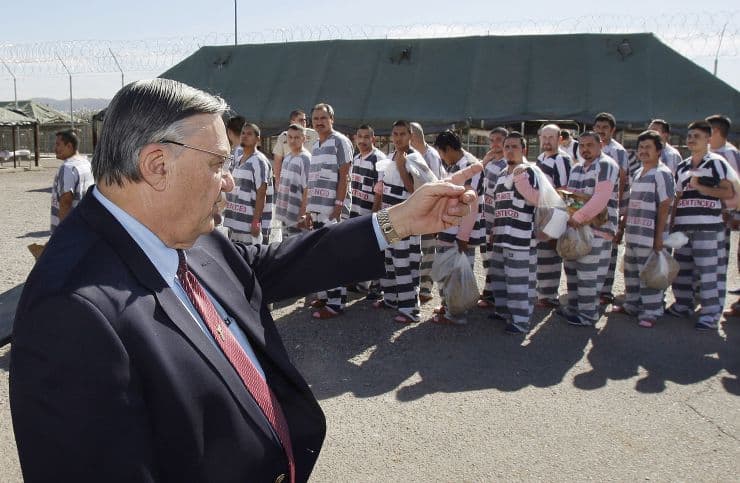
Exsheriff del condado Maricopa, Joe Arpaio, con un grupo de presos en la desmantelada cárcel de las carpas.
Imagen Univision
The negative generalizations only reinforce the marginalization of deportees who are trying to restart their lives in their native country. In Mexican border cities like Tijuana and Ciudad Juárez returned immigrants have often been treated like second-class citizens.
The government should work to change that narrative and prepare an environment that is more accepting of repatriated Mexicans. It needs to insist the large majority are hard-working people that have the best of both U.S. and Mexican values.
Challenge Trump’s Math
Mexico needs to challenge Trump’s baseless claim that his government will immediately deport 2-3 million undocumented criminal immigrants from the United States.
The truth is, nobody knows where Trump got that number.
In a 2013 Homeland Security report the government estimated that there were 1.9 million removable “criminal aliens” living in the United States, but other reports offer different numbers. The Migration Policy Institute estimated in 2015 there were only 820,000 undocumented immigrants with criminal convictions in the U.S.
A 2016 Congressional Research Service report acknowledges that “inconsistencies in data quality, collection and definitions prevent a precise enumeration of the total criminal aliens and key subgroups such as criminal aliens convicted of removals offenses and aggravated felonies.”
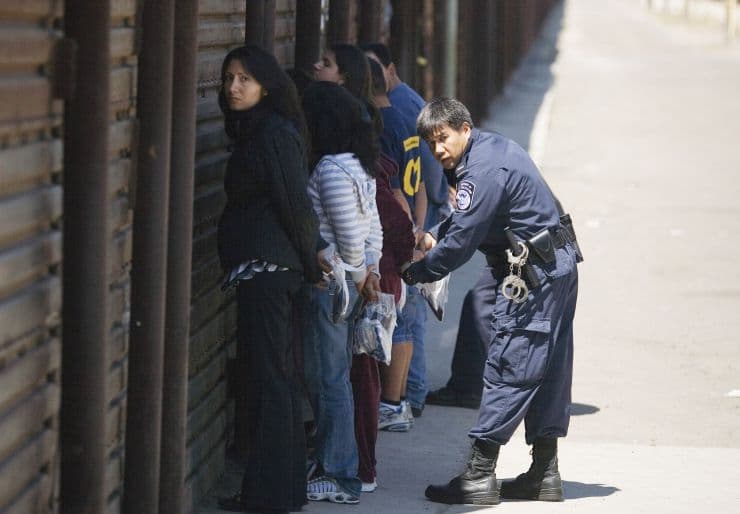
Border arrests
Imagen AP
In short, Trump appears to be playing it fast and loose with statistics, as he’s done before.
“We don’t know where [Trump’s] two to three million number came from,” Doris Meissner, former commissioner of the U.S. and Naturalization Service (INS) and Migration Policy Institute Senior Fellow, told me.
In any event, she says, “It will be very difficult to increase deportations from what the Obama administration was doing a couple of years ago.” Even if Trump discovers millions of undocumented immigrants with criminal records, U.S. enforcement agencies simply don’t have the resources or the detention capacity to carry out such massive roundup and removal effort, Meissner says.
“You can’t just say from one day to the next go up to two million,” she said. “The infrastructure is not there to do that.”
Fund legal defense programs to fight deportations
L.A. Mayor Eric Garcetti recently announced that his government is going to create a $10 million legal defense fund to help immigrants in removal proceedings. Chicago has similar plans to create a $1.3 million legal protection fund, while New York City already has one in place. Other progressive cities such as San Francisco are likely to follow suit.
Mexico should also lend a hand. It can ramp up its own funding efforts to hire U.S. based-lawyers to assist its citizens in immigration courts.
The Mexican government already provides legal assistance through its 50 U.S. consulates, but resources are scarce and staff lawyers are often overworked, underpaid and underprepared to navigate the U.S. immigration system.
“Consulates already have a fund and program to hire external lawyers called PALE,” says Javier Montano, a Miami-based immigration lawyer who works pro bono with Mexicans and Central Americans. But he says funds are very limited and the program often depends on an attorney’s good will to charge less.
“In reality it’s not enough. It only works for cases that become a priority for the consulates, such as when a person is detained and makes headlines,” he said.

Despite a near universal desire for an end to Venezuela’s manmade disaster, sending in U.S forces to take out the Maduro regime would be counter-productive. It should be categorically rejected by interim president Juan Guaidó, not to mention the Trump administration.
The firing of undocumented workers at Trump's golf clubs just shows how the practice of employing immigrants without legal work papers is much more common than we might imagine. Such is life in the United States.
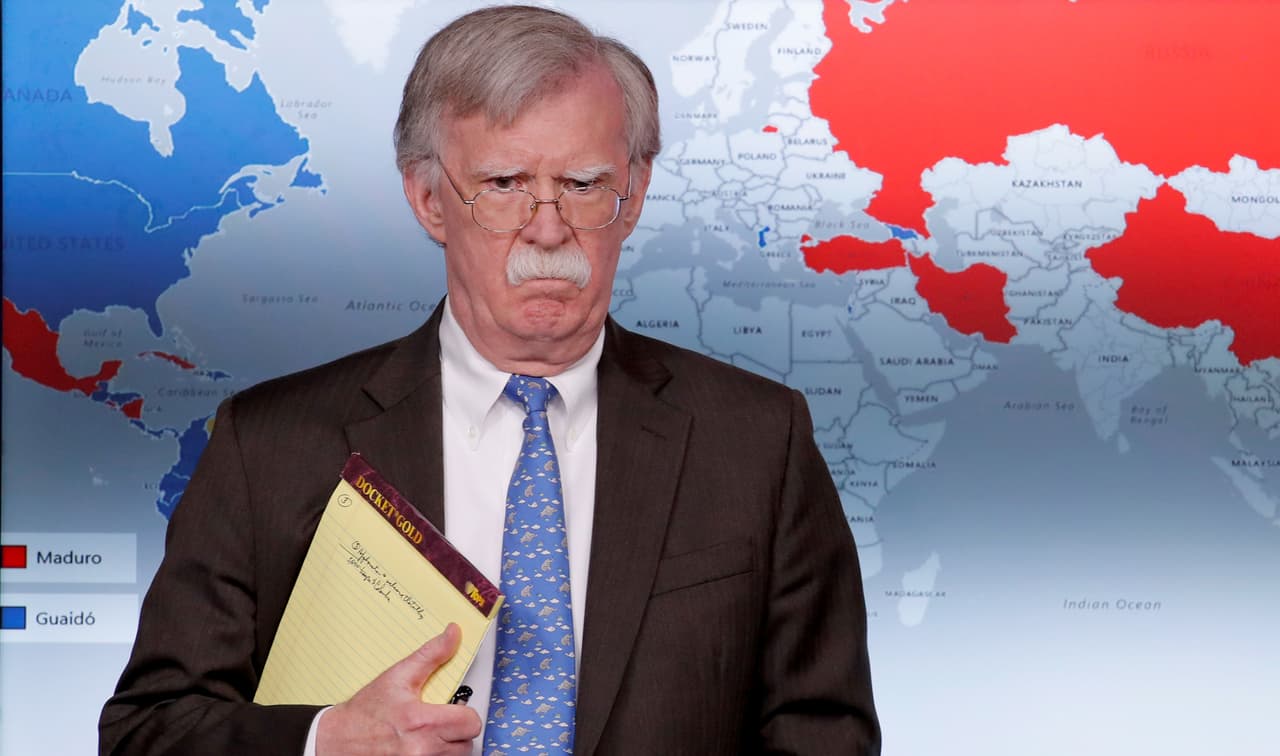
The Trump administration should be wary of fueling fake news predictions about an imminent American invasion which unrealistically raises expectations about Maduro's removal.
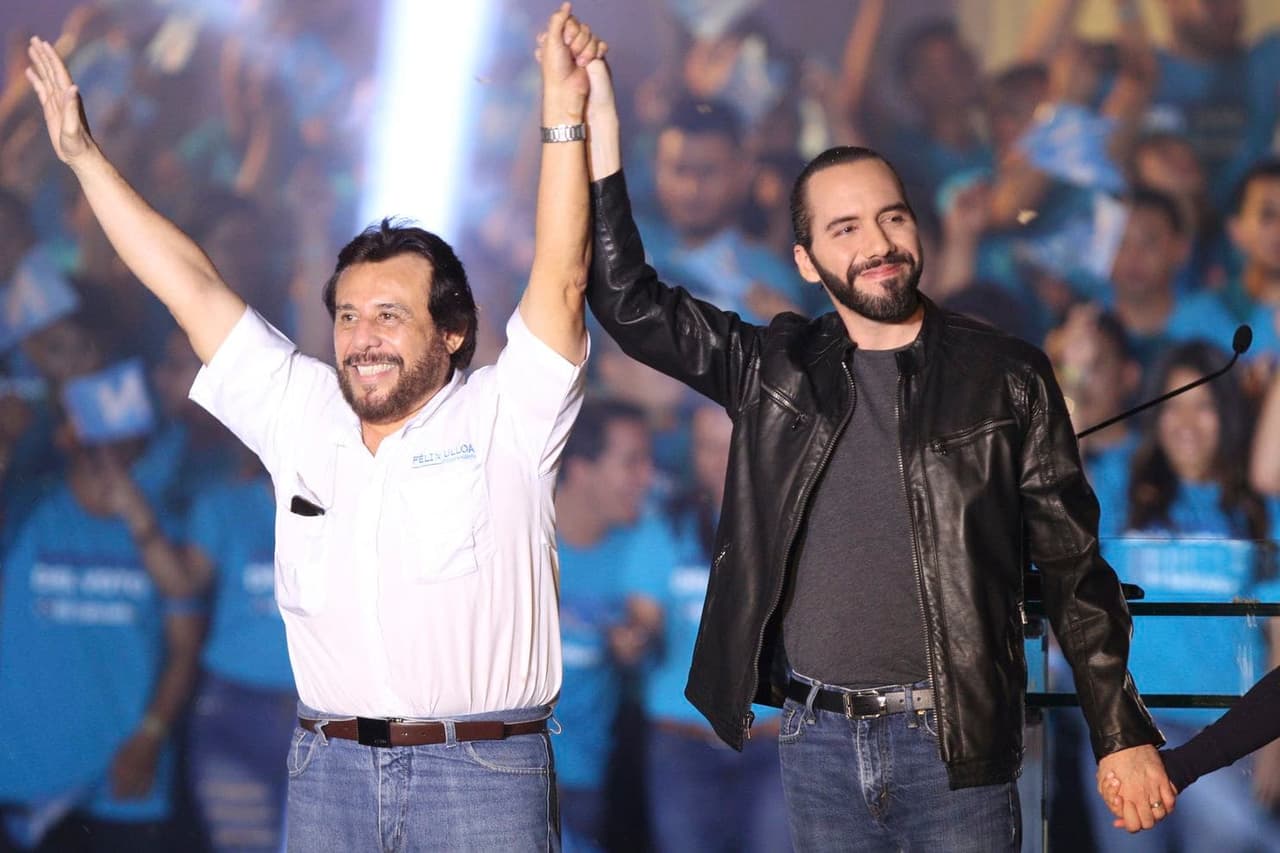

At some point we will have to accept the fact that the border between Mexico and the United States is nothing more than an invention.

The United States has had a major role in the evolving drama of the fight for democracy in Venezuela and Nicaragua. And so far, it’s been surprisingly coordinated, a veritable model of multilateralism.
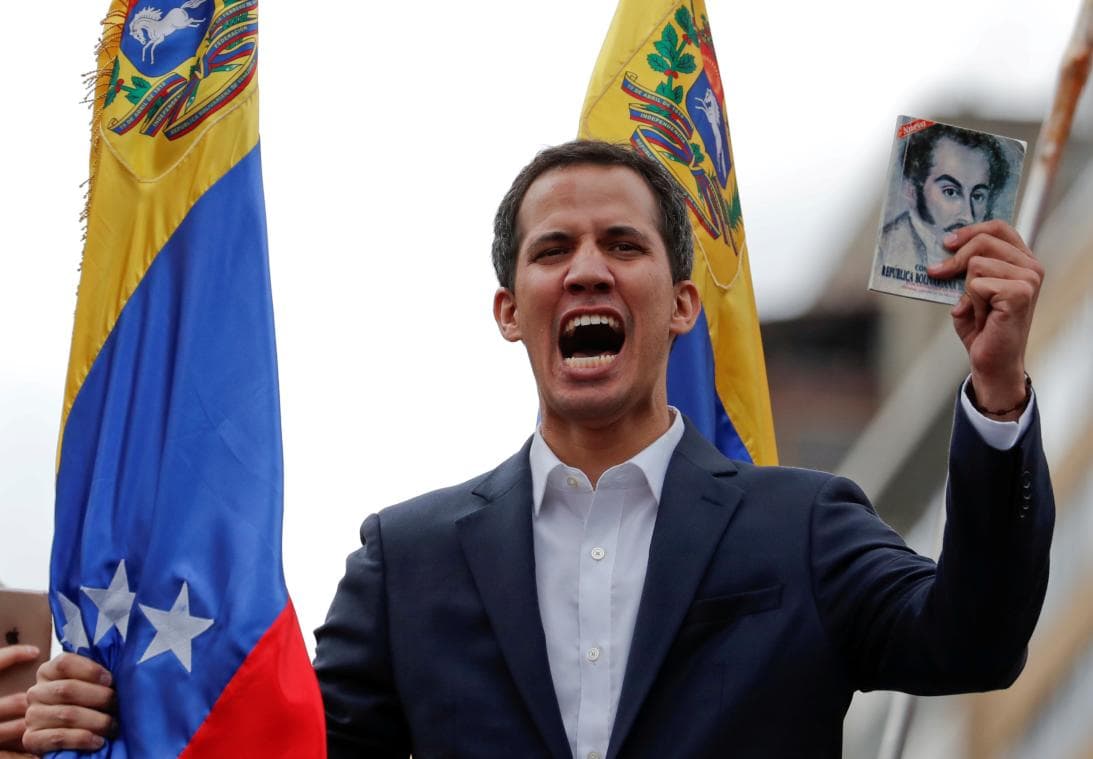
Has the Maduro regime reached breaking point? It remains hard to say, but tomorrow is another - more hopeful - day for the restoration of democracy in the South American nation.
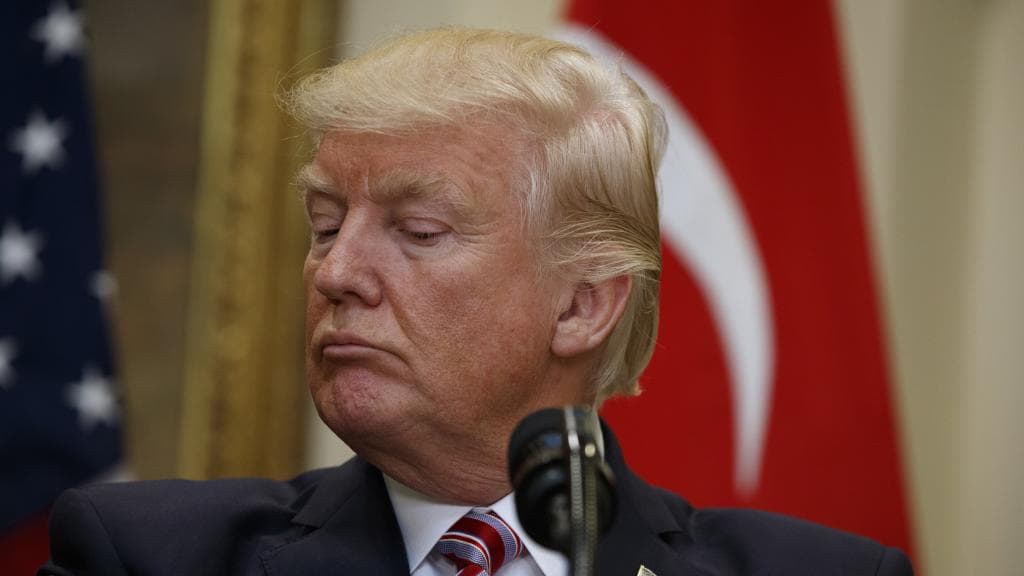
It’s impossible to get into Trump’s head but what comes out of his mouth are racist remarks. But, saddest of all are the millions who tolerate his views, cheer him on and emulate his behavior.

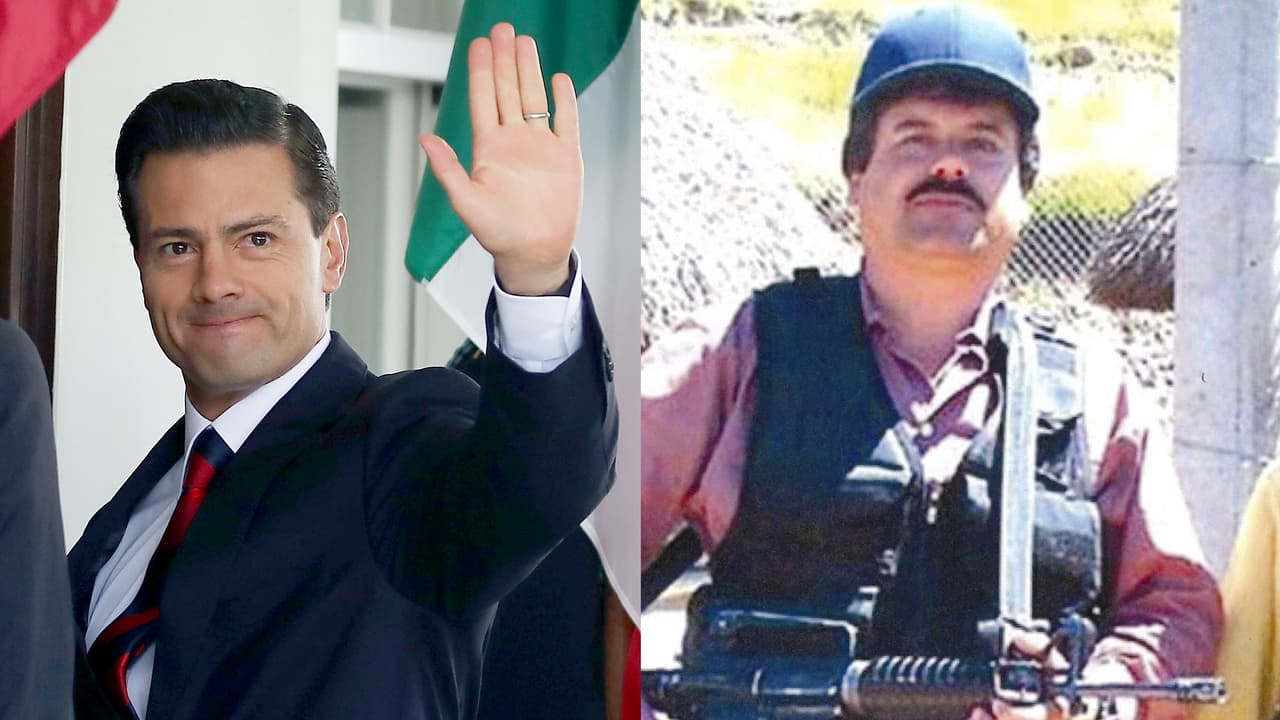
The time is well past due for the U.S. government to conduct a thorough review of leaders and their senior colleagues before they leave office to determine if they merit visas.
The Mexican government could create tax incentives for Mexican companies to fund legal assistance programs, similar to the tax breaks the government already gives Mexican corporations to fund arts and charities.
Mexico is better off fighting for immigrants’ rights in the U.S. legal system rather than trying to stop deportations once the removal orders are being executed.
Identify job opportunities
There are no simple answers for creating tens of thousands of jobs for repatriated Mexicans. But some lessons can be learned from border cities like Tijuana, which has dealt with deportations for years.
Many repatriated Mexicans in Tijuana have found jobs at call centers that are actively looking to hire bilingual and bicultural employees to serve in the customer service industry.
President Peña Nieto recently held talks with high profile Mexican businessmen to brainstorm ways to create new jobs for deportees. It’s a start, but more work needs to be done.
“We’ve had meetings in the Mexican Entrepreneur Association (AEM) with Mexican businessman living in the U.S. and U.S. businessmen to address many scenarios,” said Eduardo Bravo, a Mexican businessman who sits on the board of the American-Mexico Public Affairs Committee (AMxPAC) lobby in the U.S.
“There’s a series of productive social projects that will take advantage of the abilities of returning migrants,” he said.
Government and industry leaders could also focus on specific sectors such as tourism-promotion agencies and hotel chains in need of a bilingual and bicultural staff.
But Mexico ultimately needs to figure out a way to screen deportees to determine what type of language abilities and job skills they have. By improving data-gathering methods Mexico can learn more about the needs and abilities of those coming back home, and make better policy to respond to the situation.
In short, Mexico needs to get to know its paisanos better.
Expand education programs
Mexico should prepare for the deportation of young Mexicans working and studying in the U.S. under the deferred action initiative known as DACA.
There are several programs already in place that could be used as blueprints or expanded to accommodate a sudden influx of DREAMers and allow them to continue their studies and find job opportunities.
“We created programs not really thinking about deportations, but they could help under such scenarios,” Rebeca Vargas, CEO of the U.S.-Mexico Foundation, told me.
“Our ‘1,000 Dreamers-1,000 Leaders’ program connects DREAMers with professional mentors for a one-year commitment in a similar area they want to pursue,” Vargas explained. “We also offer online training and networking events were DREAMers meet other DREAMers and they get introduced to mentors.”
“We have a program called ‘Dreamers Without Borders’ where we bring delegations to Mexico so they can reconnect with their country of origin while fostering pride in their Mexican heritage,” she said. “They go to different company headquarters and they realize that if they ever have to come back they could find work here. We open new horizons for them.”
Vargas and others have been actively working with Mexico’s Ministry of Education (SEP) to eliminate obstacles so that courses taken in the U.S. can be validated and people sent back don’t have to repeat subjects.
“Bear in mind that even though they are young, many DREAMers have kids and we want to make sure their children are also taken care of,” she said.
But when it comes to high school and college, she says agreements need to be reached on a case by case basis.
Vargas said she has held talks with some Mexican universities to offer online courses so that undocumented immigrants in the U.S. can afford an education and continue their studies in Mexico if they chose to come back home or are deported.
Making the Mexican education system more flexible could make all the difference.
Help foster a culture of volunteerism
Mexico lacks a thriving culture of volunteerism and philanthropy. That needs to change, and Trump could be the cause that helps rally Mexicans together from all backgrounds to help deportees.
“We have no organizational culture and we are not prepared to receive people,” Yolanda Varona, a Tijuana-based activist and founder of Dreamer Moms, told me.
Varona has been in talks with other organizations like Other Dreamers in Action (ODA) to come up with a programs to aid deportations. “We are trying to get cellphones for new arrivals and get a house so they can live together.”
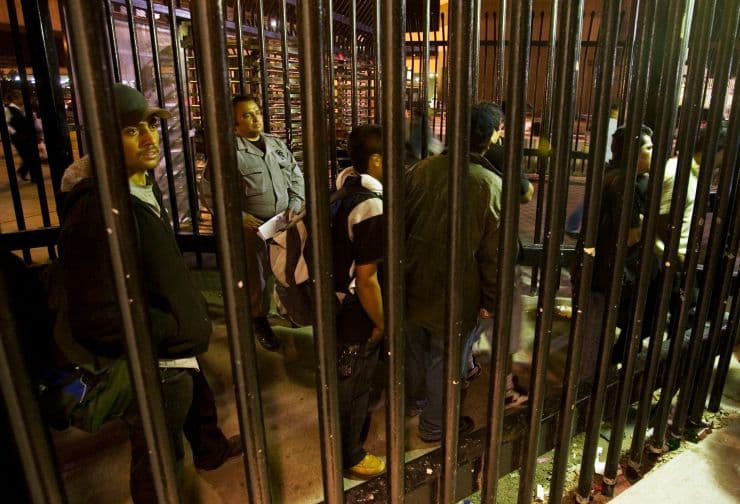
Behind bars
Imagen AP
She’s also led collection drives for basic household items like toothbrushes and towels, but says the community response is oftentimes underwhelming.
“There hasn’t really been a response. There’s no interest. It hurts me to say this as someone who got deported, but we are invisible to these people,” she said. “People who get deported are worthless in the eyes of society. They look at us like delinquents or traitors. Mexicans aren’t prepared mentally or socially to receive them, there’s no social conscience.”
Varona says there needs to be more outreach for people to get to know each other, because “today it happened to us and tomorrow it could happen to them.”
“We need to stop talking about stats and talk about real stories,” she said.
Project Mexico’s soft power
Mexico could improve its image in the world by showing other countries how to effectively deal with deportations.
According to Harvard University Professor Joseph Nye, “soft power” can mean global admiration, tourism and support in international organisms such as the United Nations.
Some experts say there could be some silver linings if Mexico turns a tragedy into a PR opportunity—another win for David against Goliath.
“My suggestion would be for the Mexican government to offer citizenship to two new citizens from two other countries for every returning Mexican,” says Simon Anholt, a government advisor and Good Country Index founder hired by the former administration of President Felipe Calderón.
Mexico could even lead by example by starting to treat Central American refugees with humanity.
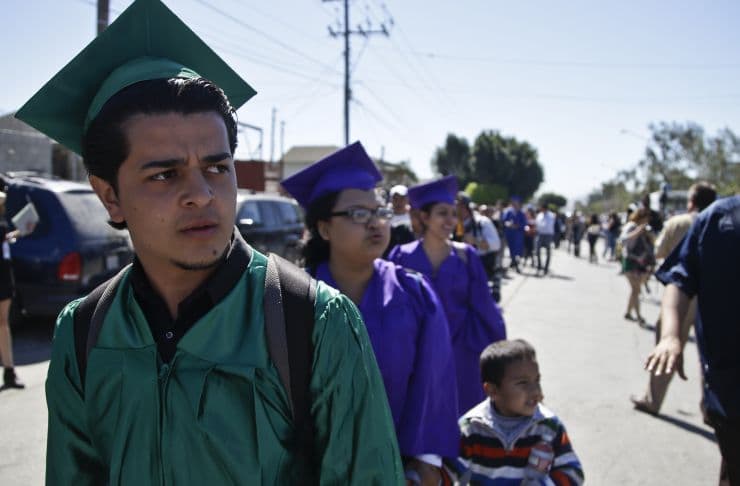
Graduation
Imagen AP
“This will demonstrate that Mexico’s values are diametrically opposed to those of the new U.S. administration, a country that actively encourages and celebrates diversity and the positive side of globalization. If America is turning inwards and backwards, Mexico must turn outwards and forwards,” Anholt told me.
Anholt didn't mention it but Mexico could even lead by example by starting to treat Central American refugees with humanity.
Create a new ‘Pact for Mexico’
When President Peña Nieto took office his administration introduced a so-called “Pact for Mexico,” an agreement between the country’s three main parties to eliminate political gridlock and pass a series of reforms.
The pact was hailed internationally as a lesson in civilized politics and unity. It could also be a blueprint for a new pact that repositions the country’s various factions in a united front against Trump.
Opposition lawmakers have harshly criticized Peña Nieto’s timid response to Trump so far, but they seem hungry to unite under some articulated leadership.
"It’s fundamental that we unite to face the new administration in Washington,” said Armando Rios Piter, a politician for the left-leaning Party of the Democratic Revolution (PRD) who’s leading the charge against Trump in the Mexican Senate.
“But there are no coordinated actions between powers and other actors such as entrepreneurs. There are individual efforts, but not a common front,” he told me.
Rios Piter recently visited California with a group of Mexican senators to launch “Operation Monarch,” a program aimed at raising binational cooperation with U.S. lawmakers to shield Mexican immigrants.
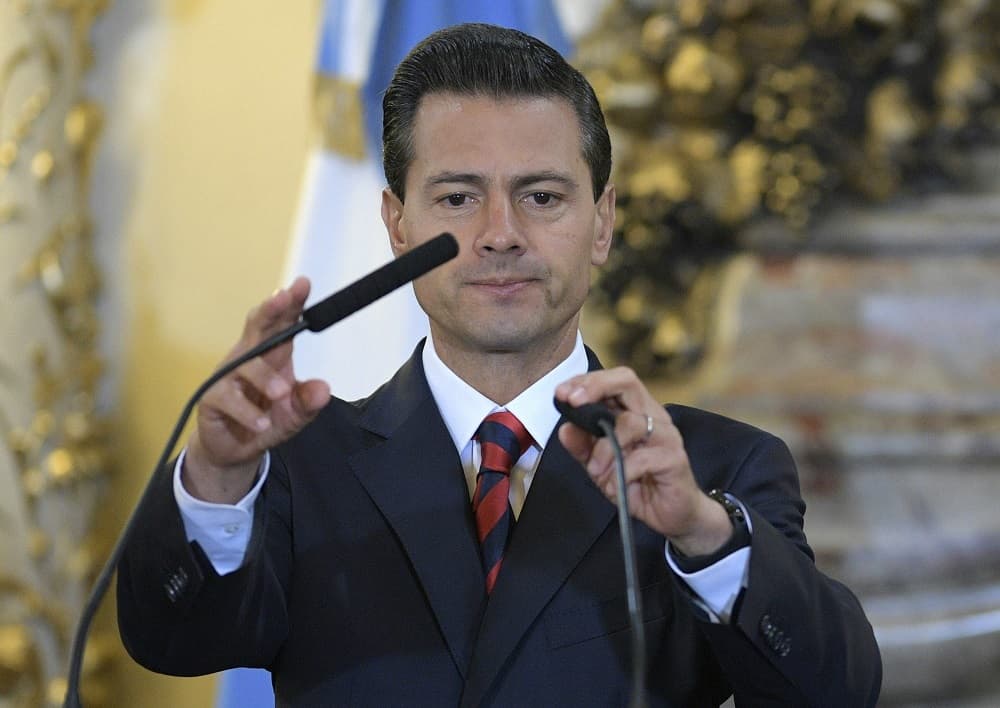
El presidente mexicano Enrique Peña Nieto, en una visita a Argentina en julio de 2016.
Imagen Getty Images
“We want to create a legislative agenda so that families who get deported can assimilate, so that their studies can be validated, we are identifying their needs and looking for institutional responses,” he said.
Rios Piter says he’s also contacted the mayors of Chicago, Phoenix and New York in what could become a strategic alliance between Mexican politicians and U.S. cities opposing the Trump administration.
This story was updated to clarify comments by Simon Anholt.
Relacionados: