We are the last generation that will remember the feeling of holding a physical map and to drive automobiles to a destination they point to; Apple and Google orient us today and drive us tomorrow. Whether or not that will happen to our books has been subject to a long debate since the introduction of Amazon’s Kindle and its opening of a few scattered bookstores that look more like showrooms than shops.
18 books, 18 years
“There is little doubt that the consumption of text is headed in the same direction as analog telephones; our words are increasingly consumed digitally and ephemerally.”

Actress Cynthia Nixon reads from the Dr. Seuss book 'Green Eggs and Ham' at TheatreworksUSA's Free Summer Theater offering at the Lucille Lortel Theatre August 02, 2007 in New York City (arquive)
Imagen Brad Barket/Getty Images
There is little doubt that the consumption of text is headed in the same direction as analog telephones; our words are increasingly consumed digitally and ephemerally. We have learnt to love, hate, and even run for president in 160 characters. We read Tolstoy on the same screen in which Instagram alerts us of a new post. We choose to communicate some words with the very purpose of their self-destruction (Telegram and Snapchat), the very opposite of the act of writing a letter or printing a page that could one day be unburied by our grandchildren. These days a printed newspaper is as rare a sight as a working phone booth and opens one up to as much criticism as inserting a quarter in those urban relics. Even new public libraries abound in screens and are short on volumes, while there are stories of New York interior decorators that trade books by the jacket color to match neatly into libraries from which they will never been taken, only admired from afar.
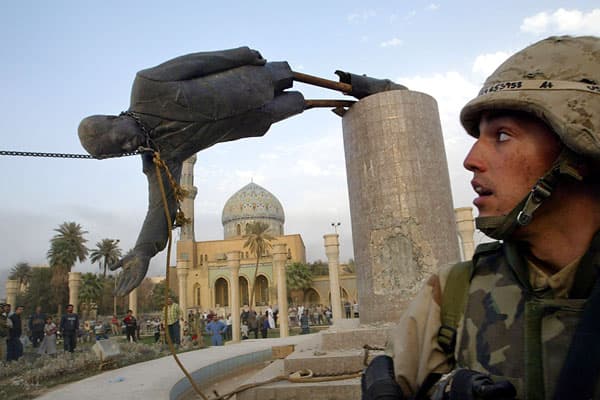
Despite a near universal desire for an end to Venezuela’s manmade disaster, sending in U.S forces to take out the Maduro regime would be counter-productive. It should be categorically rejected by interim president Juan Guaidó, not to mention the Trump administration.
The firing of undocumented workers at Trump's golf clubs just shows how the practice of employing immigrants without legal work papers is much more common than we might imagine. Such is life in the United States.
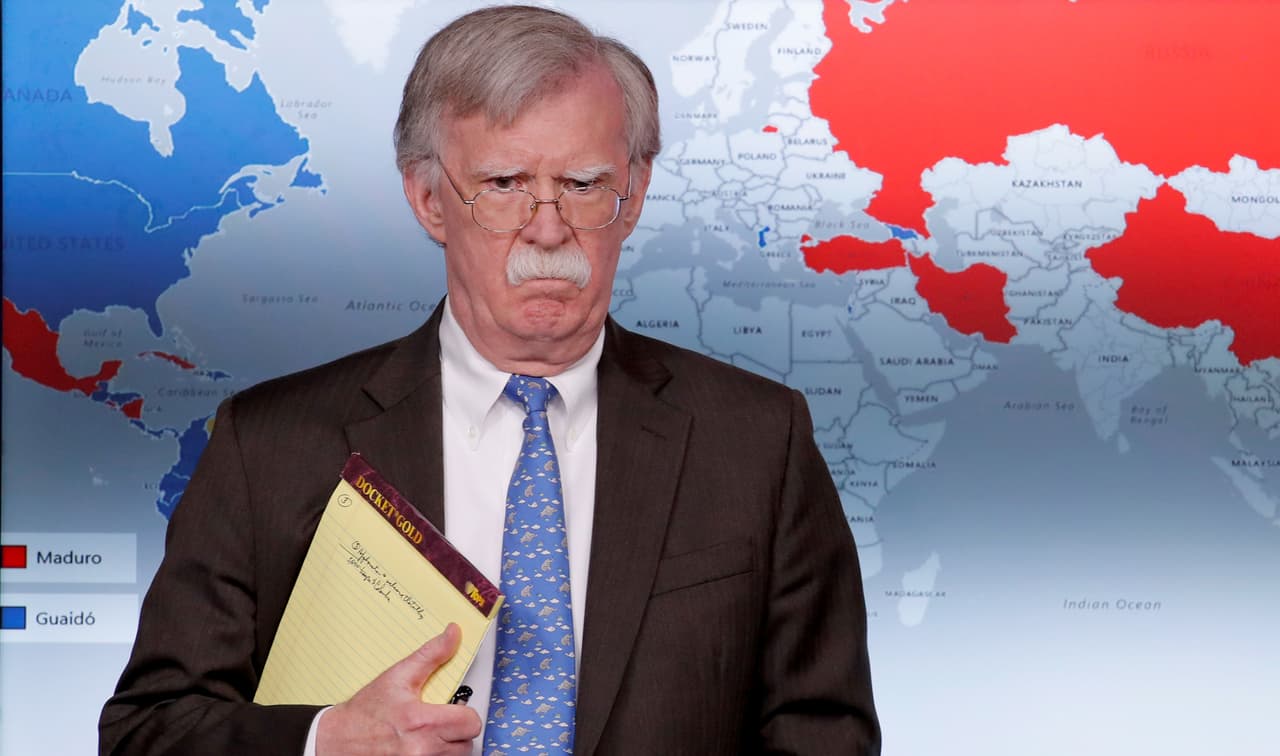
The Trump administration should be wary of fueling fake news predictions about an imminent American invasion which unrealistically raises expectations about Maduro's removal.
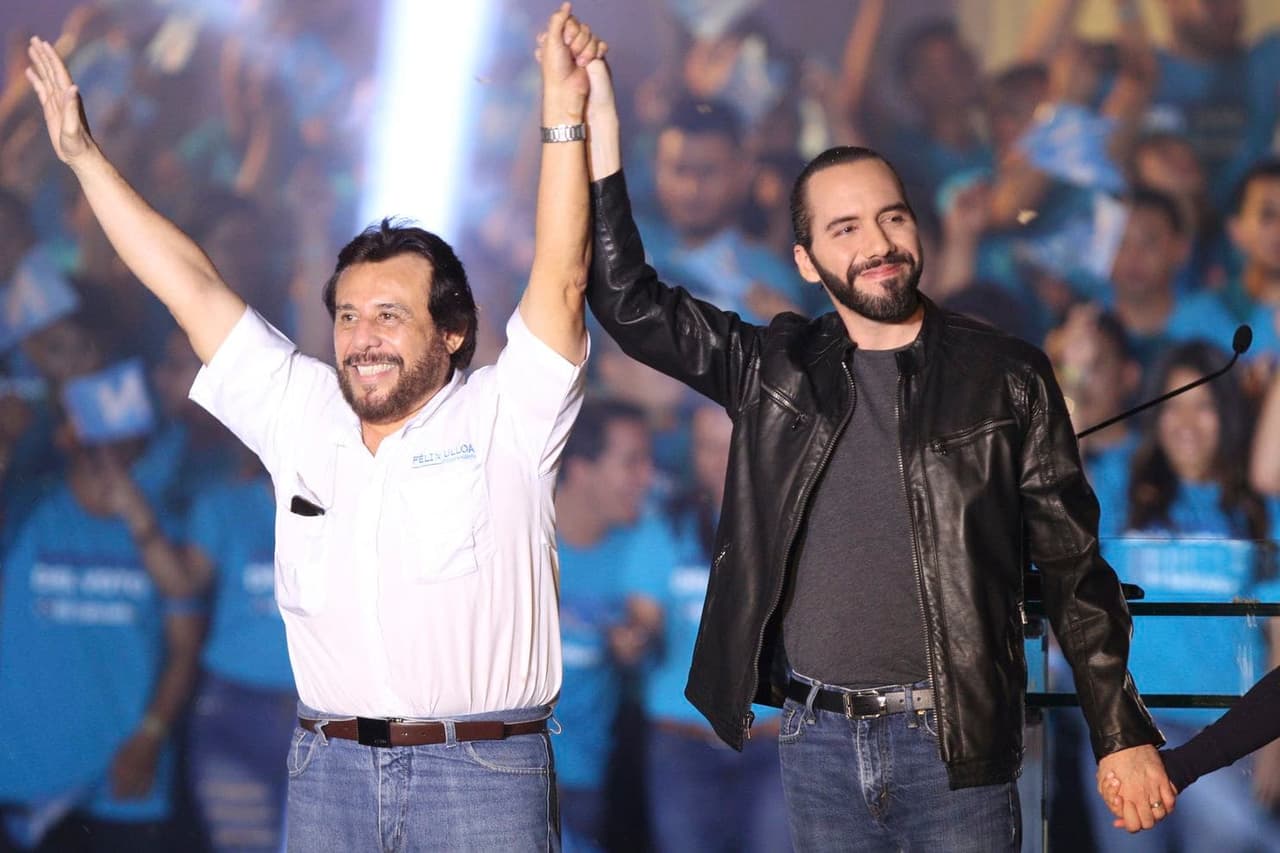

At some point we will have to accept the fact that the border between Mexico and the United States is nothing more than an invention.

The United States has had a major role in the evolving drama of the fight for democracy in Venezuela and Nicaragua. And so far, it’s been surprisingly coordinated, a veritable model of multilateralism.
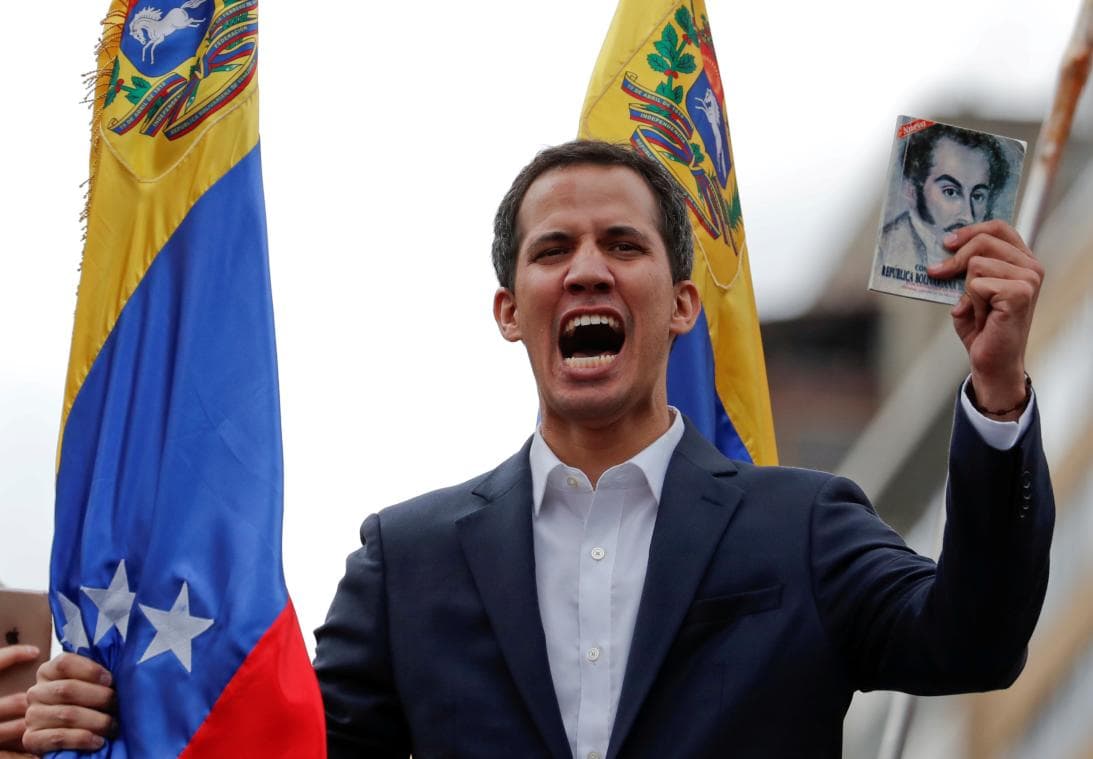
Has the Maduro regime reached breaking point? It remains hard to say, but tomorrow is another - more hopeful - day for the restoration of democracy in the South American nation.
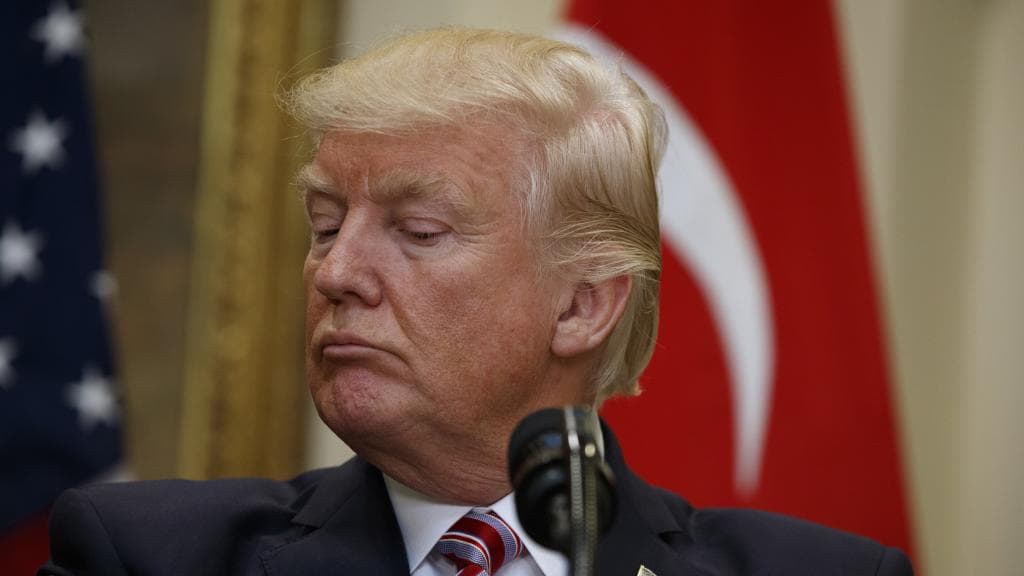
It’s impossible to get into Trump’s head but what comes out of his mouth are racist remarks. But, saddest of all are the millions who tolerate his views, cheer him on and emulate his behavior.
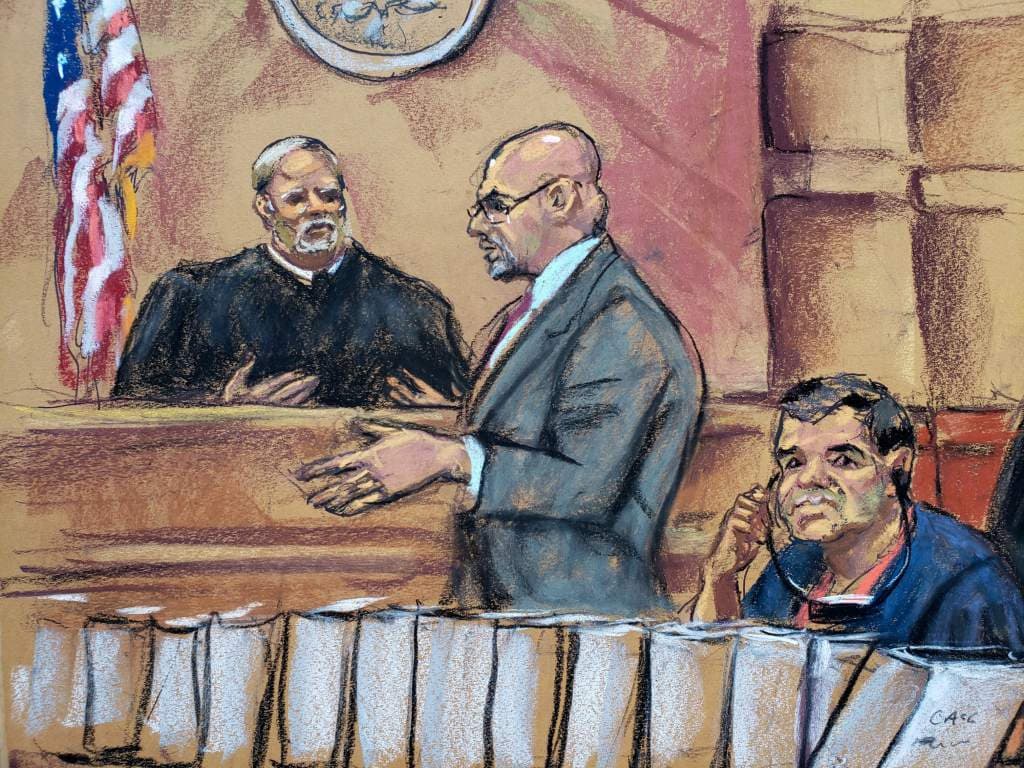
The time is well past due for the U.S. government to conduct a thorough review of leaders and their senior colleagues before they leave office to determine if they merit visas.
What will become of our books and our libraries became an unavoidable question in the event of my godson’s baptism this week, for my gift of choice was eighteen books – one per year until adulthood. By the time he heads to college, he might well blame this madness on the fact that his godfather is a historian. Yet if he is to put up with such anachronism, what should the essential books to come of age be? What deserves to be read in physical paper at the expense of iPad push notifications and dead trees?
The great Borges used to warn lists only make omissions tangible. Liberal arts colleges can fight over what makes up the “Western canon,” if indeed it is legal to talk about “the West” in a couple of decades. And yet, the fact that lists are difficult does not mean we should compile them, but rather that we should debate them. Reading – like eating – is an essential part of upbringing: it is something done to us until we can do it by ourselves. That very passage is part of the process of becoming independent of one’s parents.
So here is a plausible list of books to become a man, one per year, complied with the essential help of others who did not grow up in Spanish:
- I am a Bunny, by Richard Scarry –book to be read, rather than to read.
- Green Eggs and Ham, by Dr. Seuss – a fantastic way to connect images with words, from the incomparable Dr. Seuss.
- Lost and Found, by Oliver Jeffers – a beautiful, relatively new book of illustrations best conveyed on paper rather than on pixels.
- Where the Wild Things Are, by Maurice Sendak – book made to discover what is there, and what our imagination might bring.
- Pippi Longstockings, by Astrid Lindgren – a Swedish series translated into dozens of languages and inspired by the author’s daughter
- Now We are Six, by A.A. Milne – a moving book of poems and short stories that defies its age target.
- Fortunately The Milk, by Neil Gaman – a book about being left – at least temporarily – without one’s mother.
- The Great Brain, by John D. Fitzgerald – turn of the (last) century stories modeled after the author’s experiences in Utah, with classic illustrations from the time.
- Harry Potter and the Sorcerer’s Stone, by JK Rowling – the birth of a literary phenomenon that is still with us, and the entrance to an immersive world of literary magic.
- D’Aulaires’ Book of Greek Myths – the oldest of stories, but often the most essential ones to understand the possibilities and limits of men and women.
- The Little Prince, by Saint Exupery – a magical journey at a time when we begin to remember our travels, physical and otherwise.
- Pinocchio, by Carlo Collodi – a European folk tale that deservedly lives on.
- Catcher in the Rye, by J.D. Salinger – the classic American “coming of age” novel, and for good reason.
- The Great Gatsby, by F. Scott Fitzgerald – a 1920s story that could have been written yesterday, alive in its incisive social criticism as well as its memorable prose.
- One Hundred Years of Solitude, by Gabriel García Márquez – perhaps the finest novel of the century, one that begins with an immortal opening sentence; an intrinsically Latin American bridge between the magical realism of adolescence and adulthood.
- Collected Stories, by Jorge Luis Borges – above all others a personal choice to fit a time of imagination from a master wordsmith: a labyrinth of time and endless possibility.
- A Sentimental Education, by Gustave Flaubert – less of a favorite than Madame Bovary, this is perhaps Flaubert’s most incisive novel, also a foray into the middle classes that remade society in the 19th century amidst industrialization
- The Unbearable Lightness of Being, by Milan Kundera – closing the list is an essentially modern novel from behind the Iron Curtain, a story of the Cold War and the wars (so often not cold) of love.
Disclaimer: We selected this Op-Ed to be published in our opinion section as a contribution to public debate. The views and opinions expressed in this column are those of its author(s) and/or the organization(s) they represent and do not reflect the views or the editorial line of Univision Noticias.
Relacionados: