In photos: the banners and symbols of Nicaragua's protesters
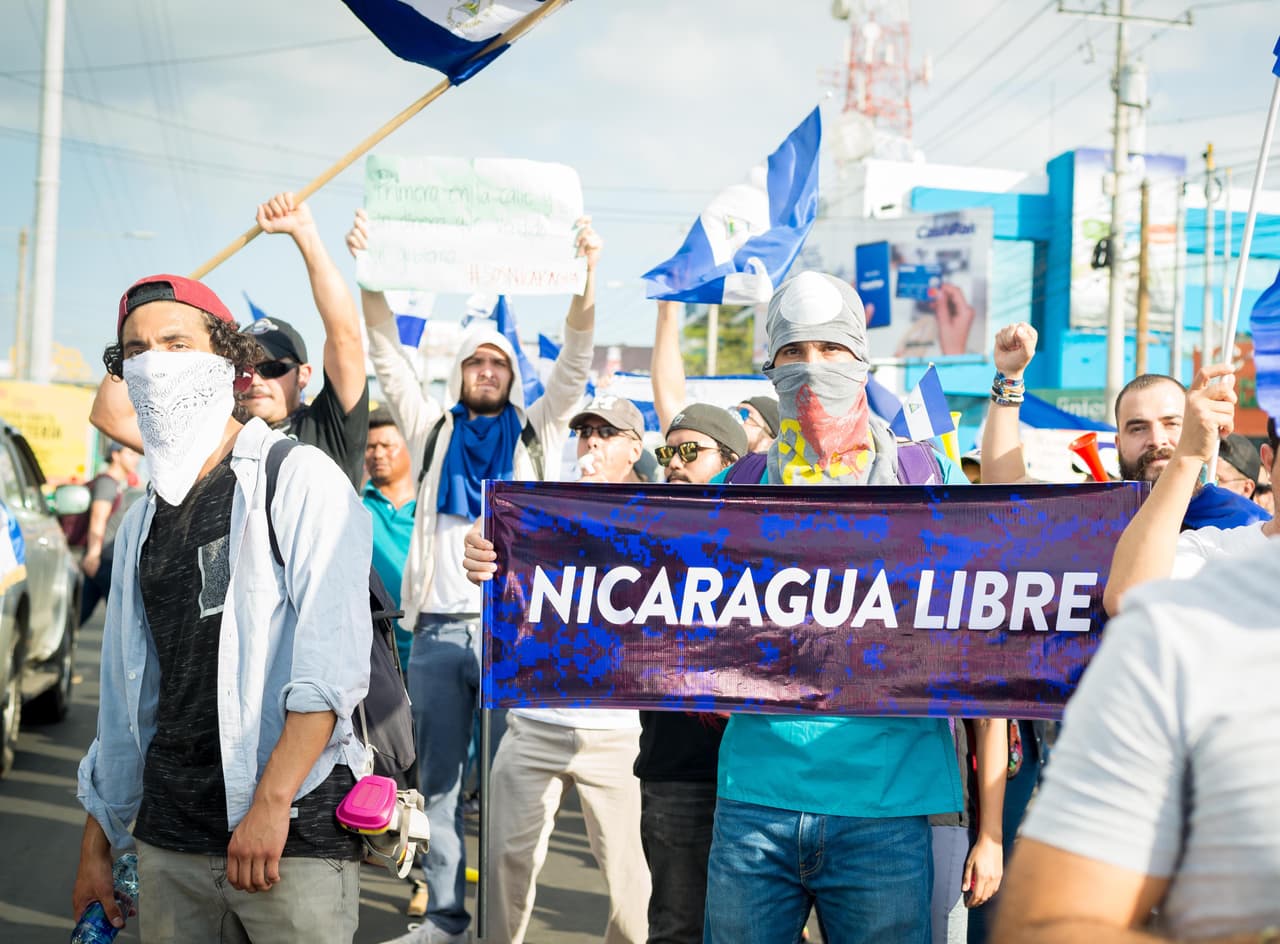
The streets of Nicaragua have witnessed days of mass protests against the government of Daniel Ortega and his wife, Vice President Rosario Murillo. The demands of the demonstrators can be seen through their placards and the symbols they display in the protests. Here are some of them.
What began in Nicaragua as a peaceful protest against a social security tax reform ended in the country's worst slaughter in three decades.
Wilfredo Miranda
PUBLICIDAD
2/20
"Hoot against the INSS (National Social Security Institute)'. The protests were sparked by a social security tax reform and quickly spread to the main cities of the country and clashes with police and Sandinista youth left dozens injured.
Jorge Torres / Efe
PUBLICIDAD
3/20
Among the target of protesters were the 'Trees of Life', huge metal structures with colored lights that Vice President and First Lady Rosario Murillo has decorated the streets of Managua with in recent years.
Wilfredo Miranda
PUBLICIDAD
4/20
Other symbols of the protests are Nicaraguan flags. In some parts of the country, protesters have taken down the Sandinista Front flags of Daniel Ortega's ruling party. The Nicaraguan anthem and songs that appeal to national freedom as 'Nicaragua Nicaragüita', are also usually heard on the marches.
Wilfredo Miranda
PUBLICIDAD
5/20
As the days passed and the number of deaths increased, the protests became even larger After several universities in the country were attacked by police and Sandinista Youth mobs, dozens of students barricaded themselves in the Polytechnic University of Managua (UPOLI).
Lorena Arroyo
PUBLICIDAD
6/20
Protesters in Managua, Nicaragua hold images of fellow students killed in anti-government demonstrations during a march on April 23, 2018.
Tim Rogers/Fusion
PUBLICIDAD
7/20
Anti-government protesters nam a barricade in Managua, Nicaragua, April 21, 2018 Getty Images
PUBLICIDAD
8/20
Students manned barricades and set fire to tires in the streets of Managua.
PUBLICIDAD
9/20
Protestors confronted police in the streets of Managua, April 19, 2018. Oswaldo Rivas/Getty Images
PUBLICIDAD
10/20
'Dictatorship, No; Democracy, Yes.' Many of the Nicaraguans who go out to the streets these days have the feeling that the country has lost its fear and is experiencing a historic moment.
Wilfredo Miranda
PUBLICIDAD
11/20
A masked Upoli student show bullet cartridge from police attack on the csampus on Sunday night. Tim Rogers/Univision
PUBLICIDAD
12/20
'Students, not delincuents.' The government branded the student demontrators "delincuents," further fueling the protests.
Wilfredo Miranda
PUBLICIDAD
13/20
'The dead can't dialogue' . Fernando Sánchez, a communications student from the Central American University (UCA) made a banner with two bullet casings that he picked up last week after the police opened fire on students taking refuge in the cathedral of Managua.
Lorena Arroyo
PUBLICIDAD
14/20
'The last hour of the dictatorship.' On Monday April 23, a massive march flooded Managua shouting "they were not criminals, they were students". Many protesters also demanded the resignation of President Daniel Ortega and his wife and Vice President Rosario Murillo, accusing them of creating a family dictatorship.
Lorena Arroyo
PUBLICIDAD
15/20
Some protesters compare Ortega's government with the dictatorship of Anastasio Somoza, who he helped overthrow in the Sandinista revolution.
Wilfredo Miranda
PUBLICIDAD
16/20
'No to dialogue. We want the murderers out. For our students.' While the catholic Church has offered to mediate a dialogue, some say they don't trust the government and want to see some justice first for those who died.
PUBLICIDAD
17/20
'# students'. Some protesterts tattooed their arms to show their solidarity with the students.
PUBLICIDAD
18/20
Demonstrators wave flags during a protest against police violence and the government of Nicaraguan President Daniel Ortega in Managua, Nicaragua April 23, 2018.
Reuters/Oswaldo Rivas
PUBLICIDAD
19/20
At a vigil for the dead students, Claudia Torres brought flowers with her three children to teach them that "since they are little they can do a lot for their country".
Lorena Arroyo
PUBLICIDAD
20/20
"Journalism is free, or it's a farse.' The government has invited a panel of different sectors to a dialogue which the Catholic Church has offered to mediate. Protesters demand, among other conditions, that the rules of democracy be respected, including freedom of the press. During the protests the government took several independent media stations off the air.

 1/20
1/20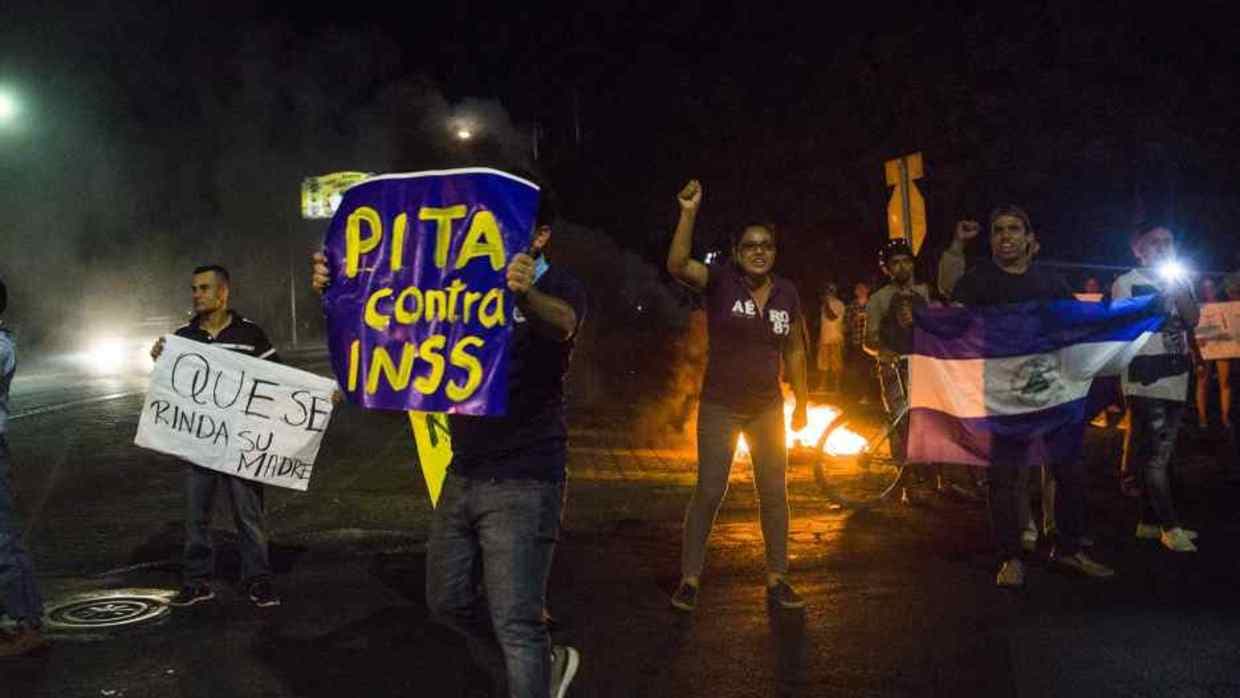 2/20
2/20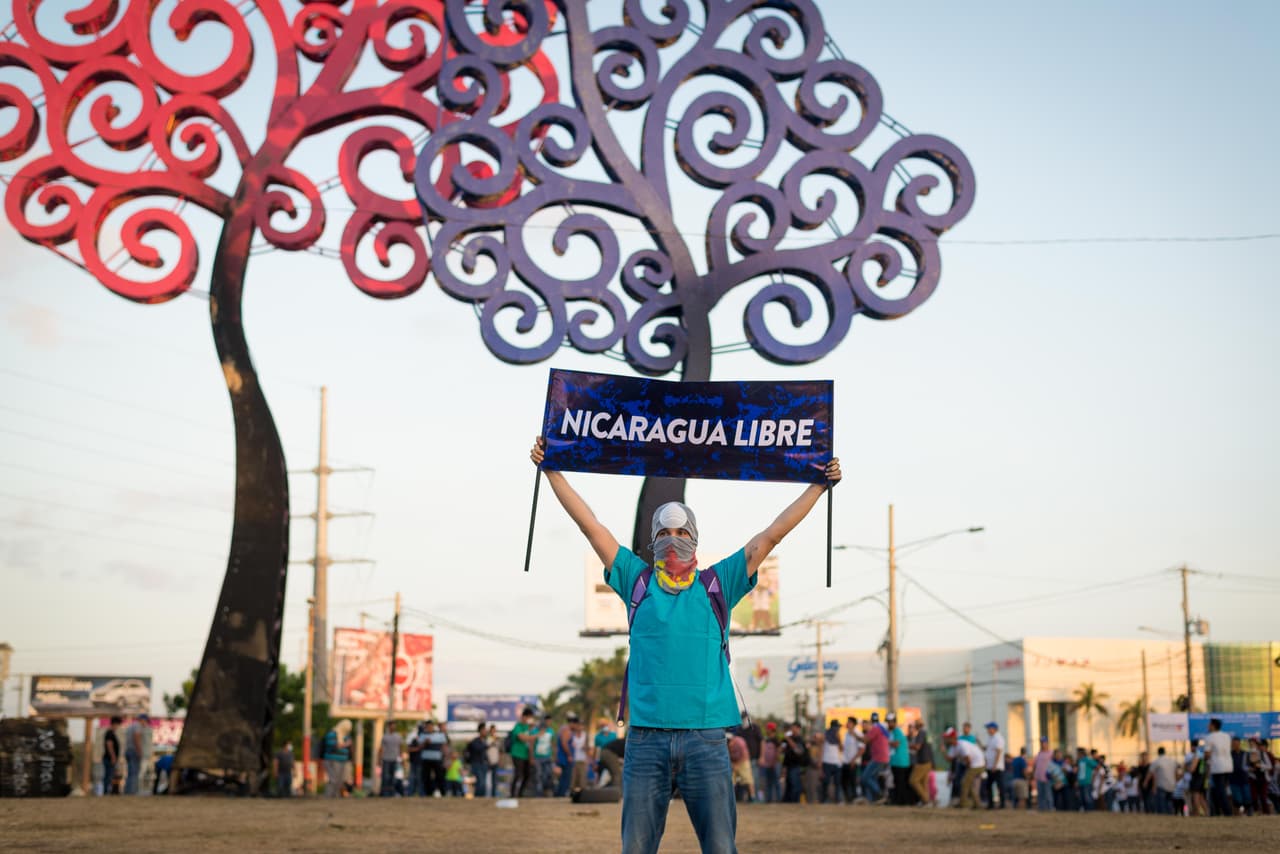 3/20
3/20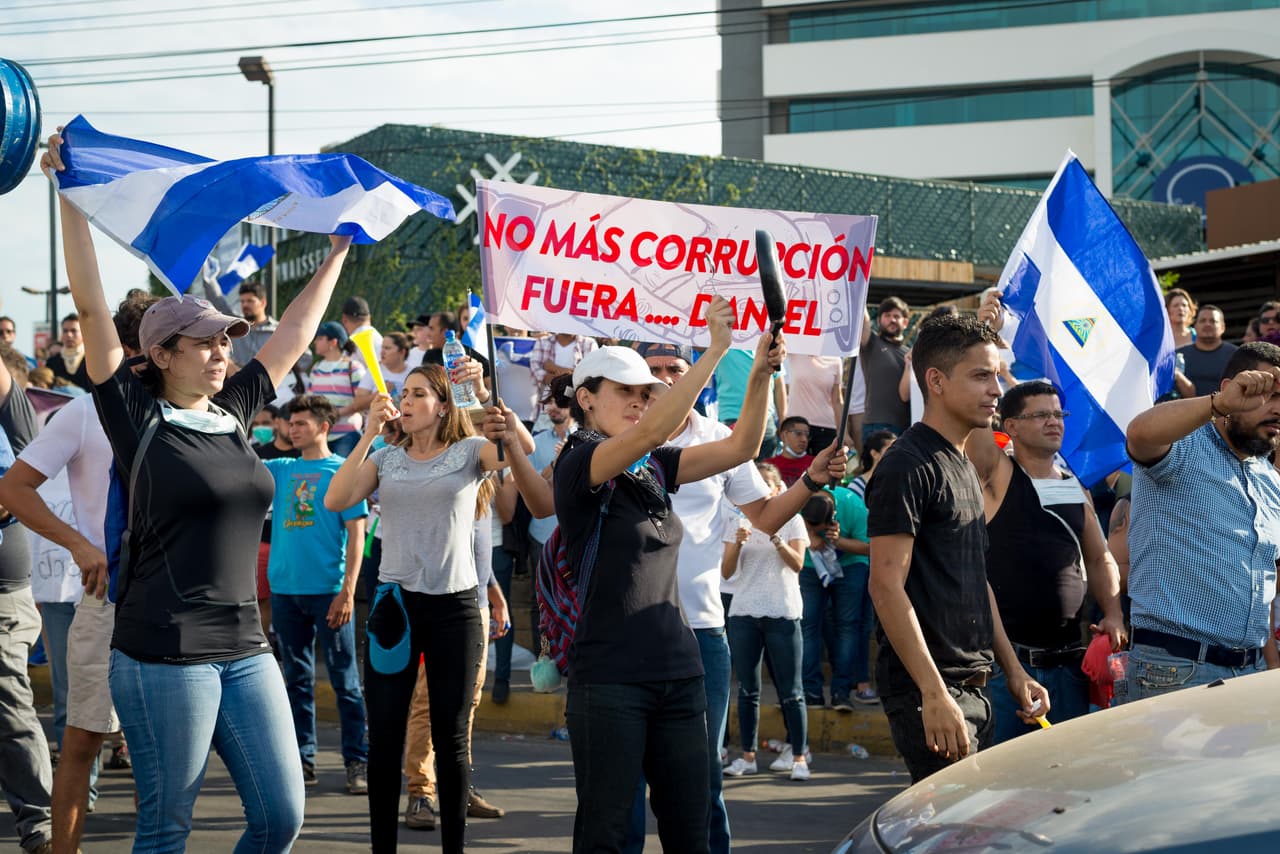 4/20
4/20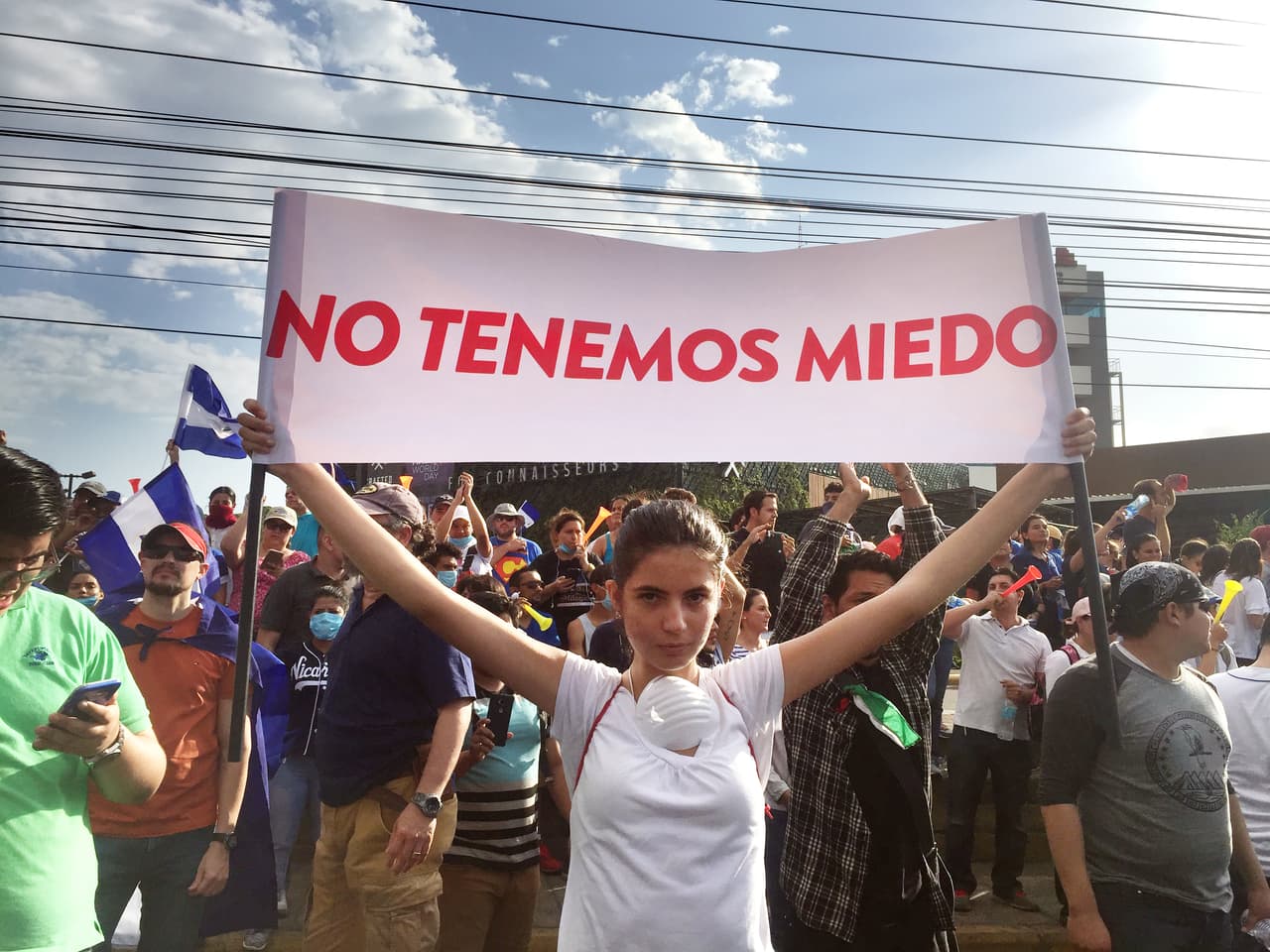 5/20
5/20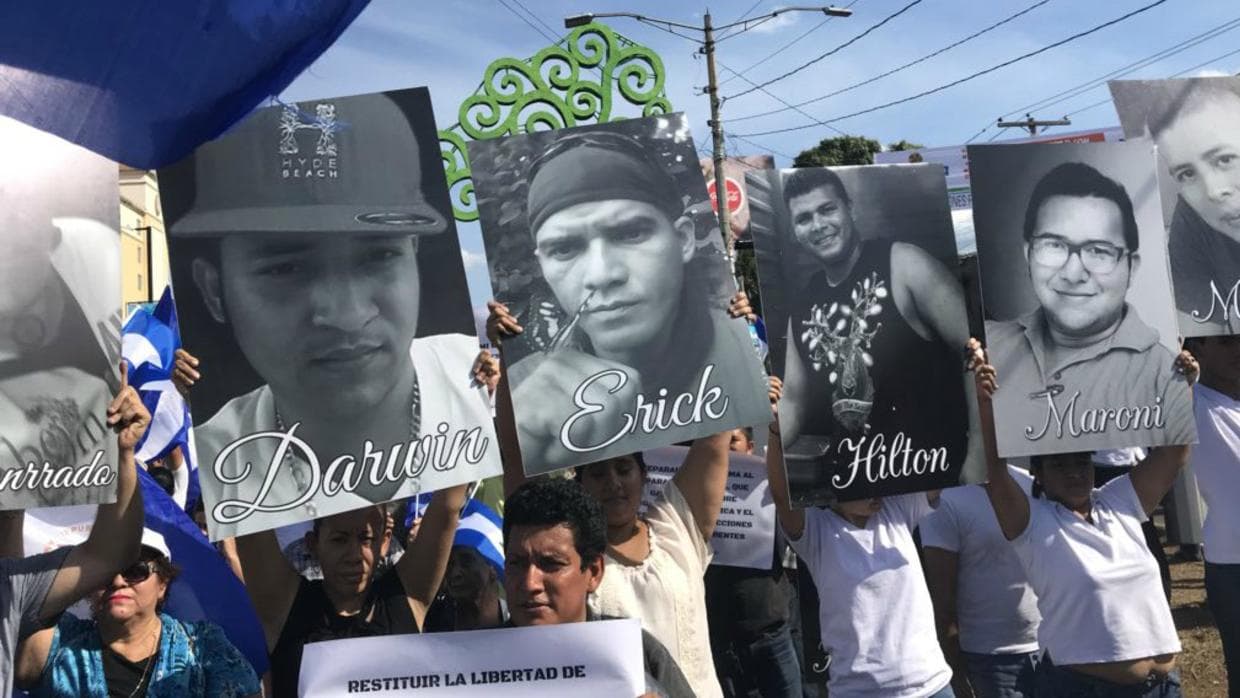 6/20
6/20 7/20
7/20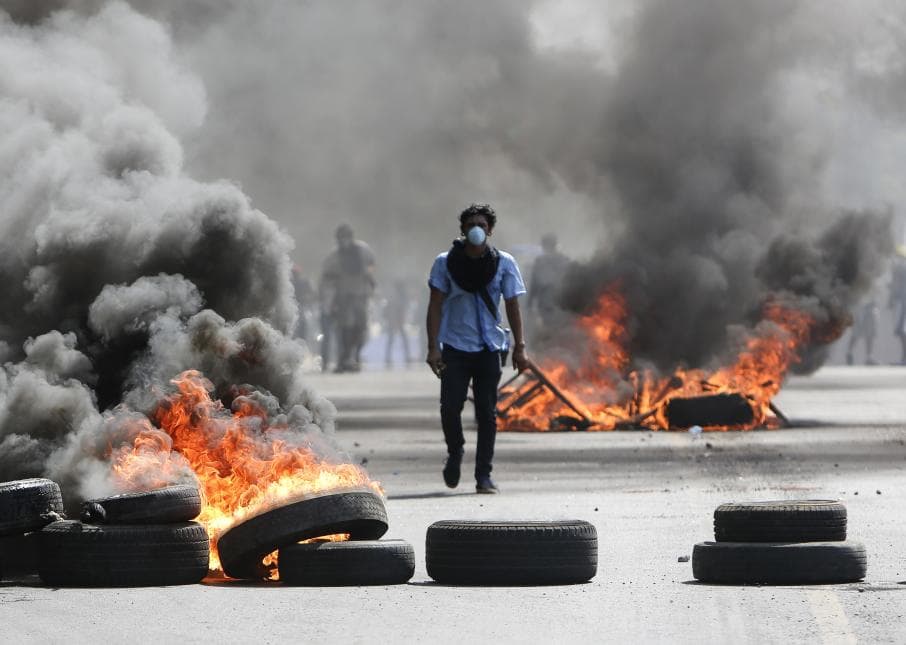 8/20
8/20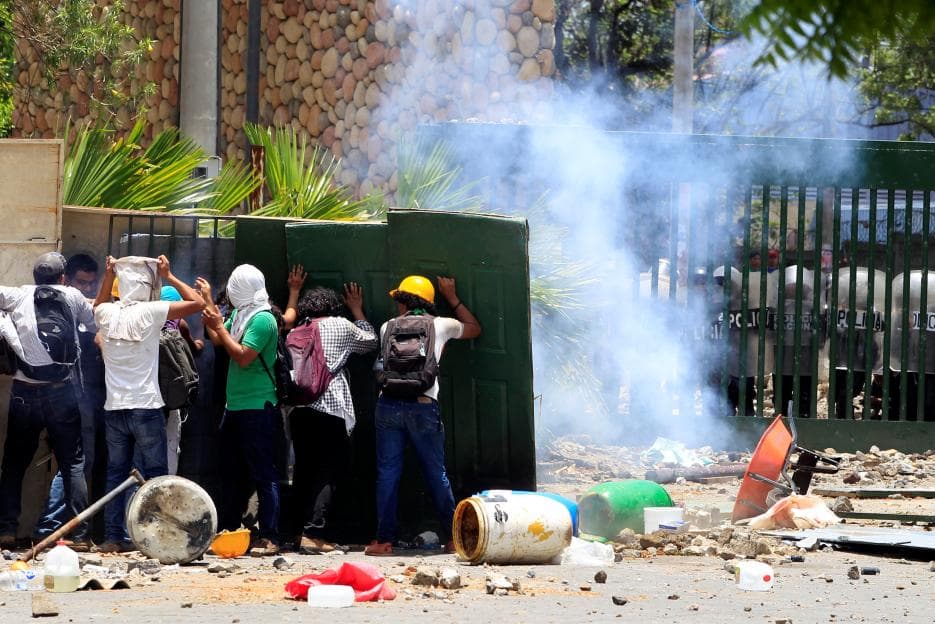 9/20
9/20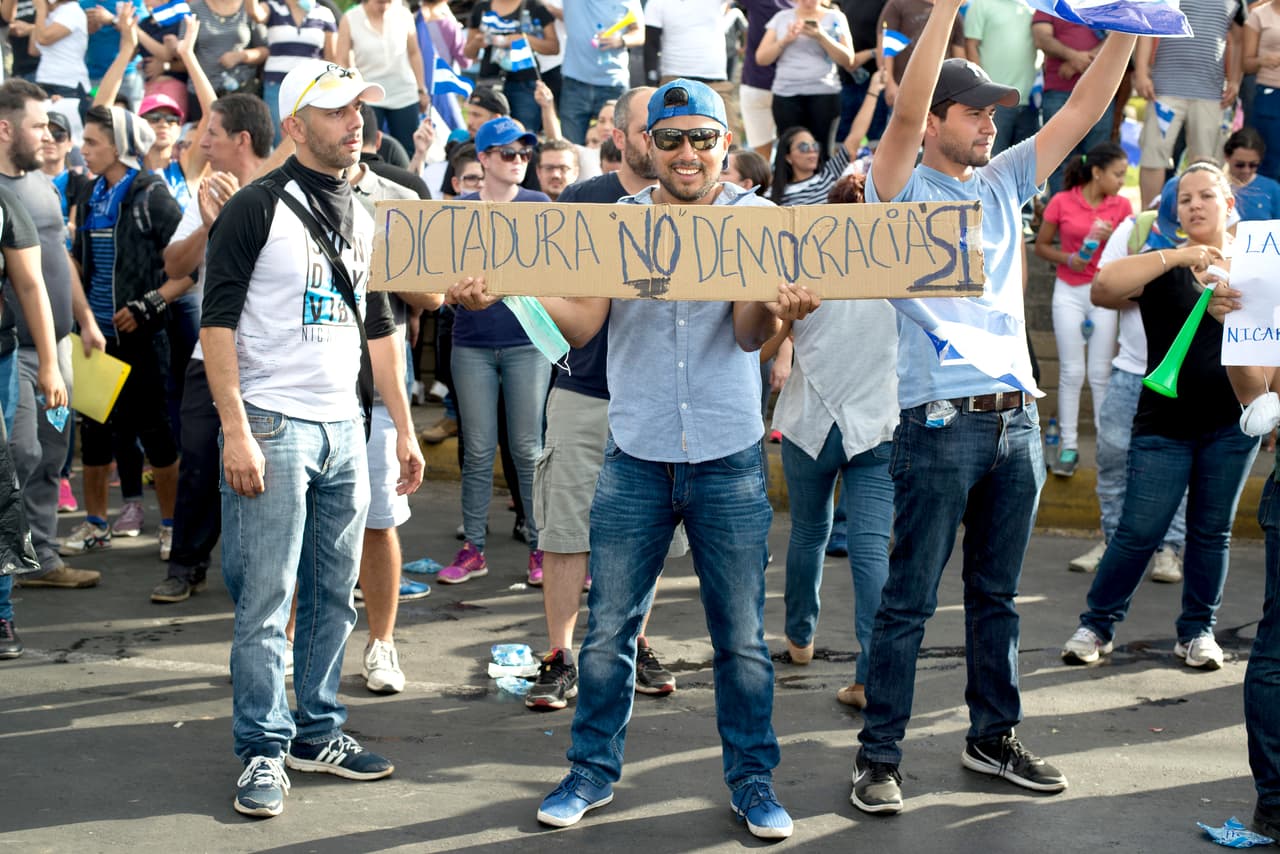 10/20
10/20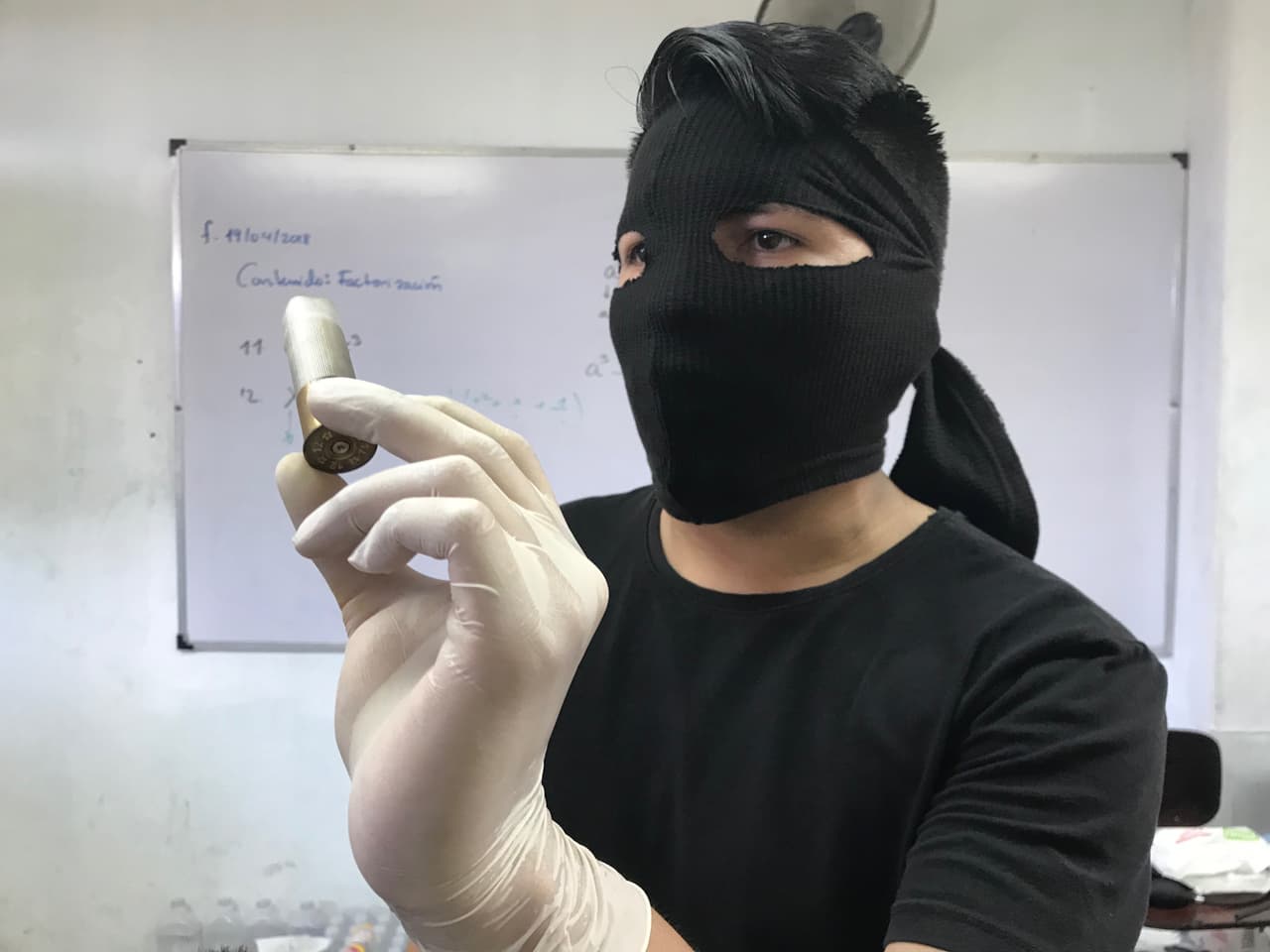 11/20
11/20 12/20
12/20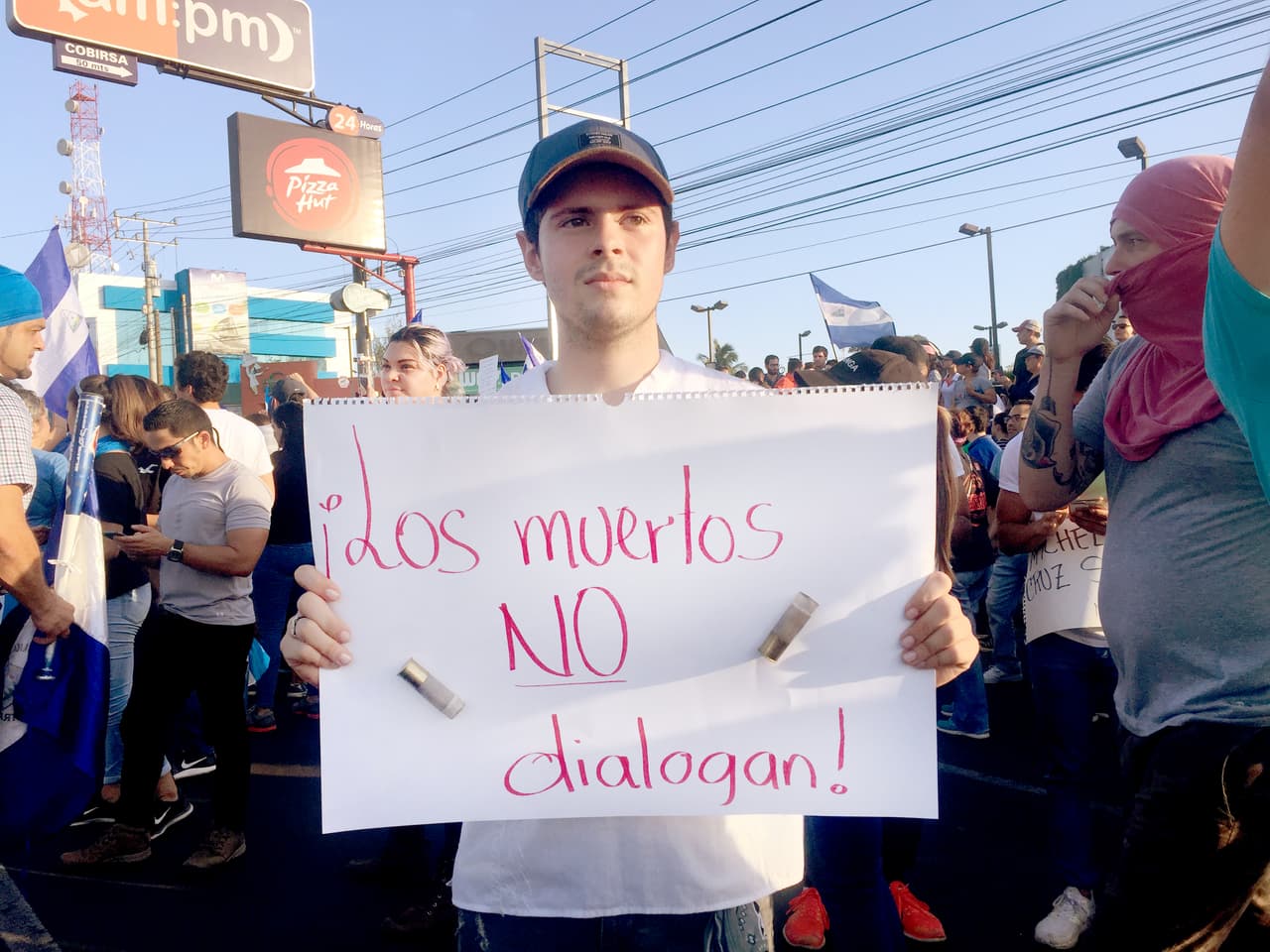 13/20
13/20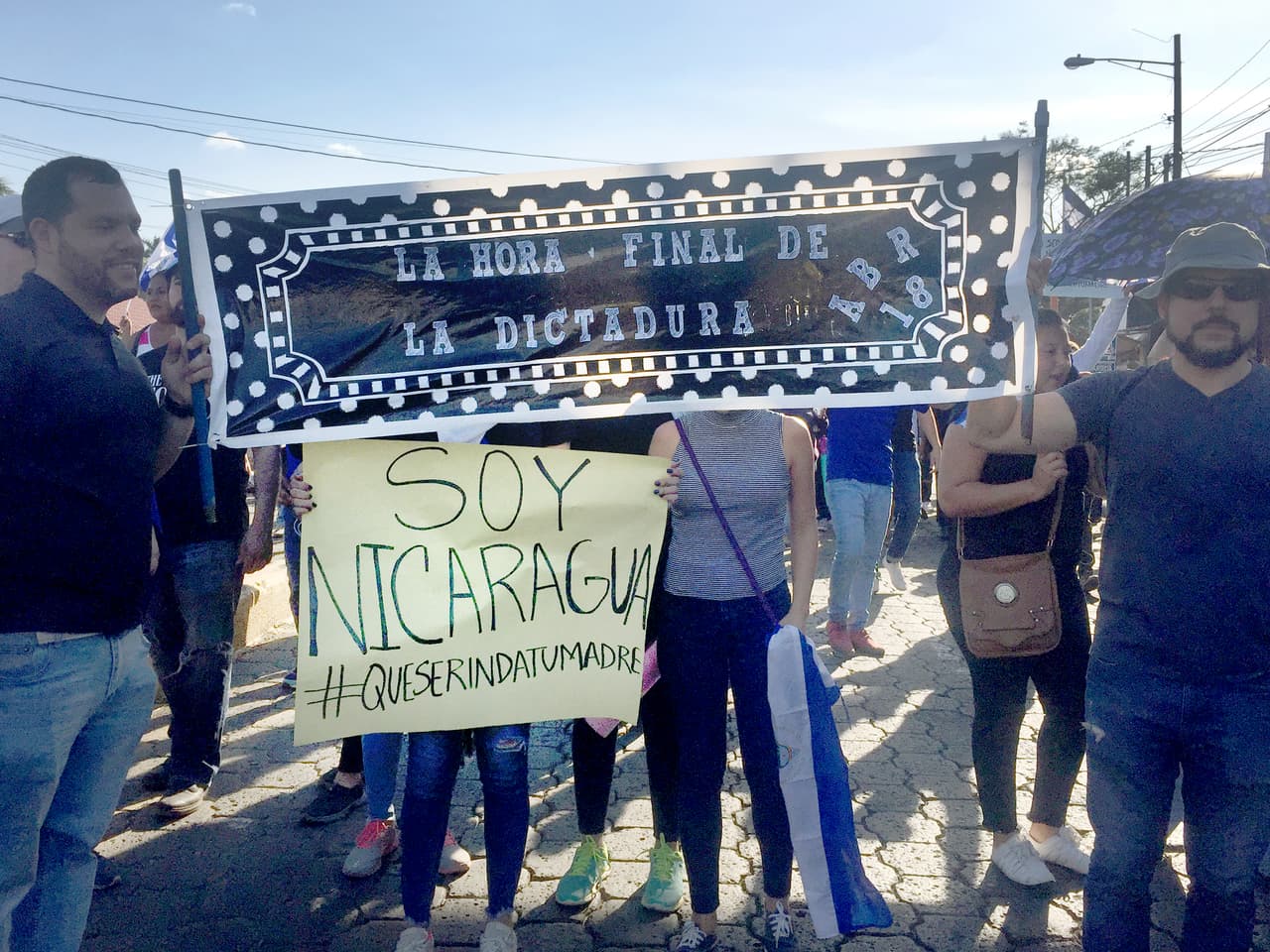 14/20
14/20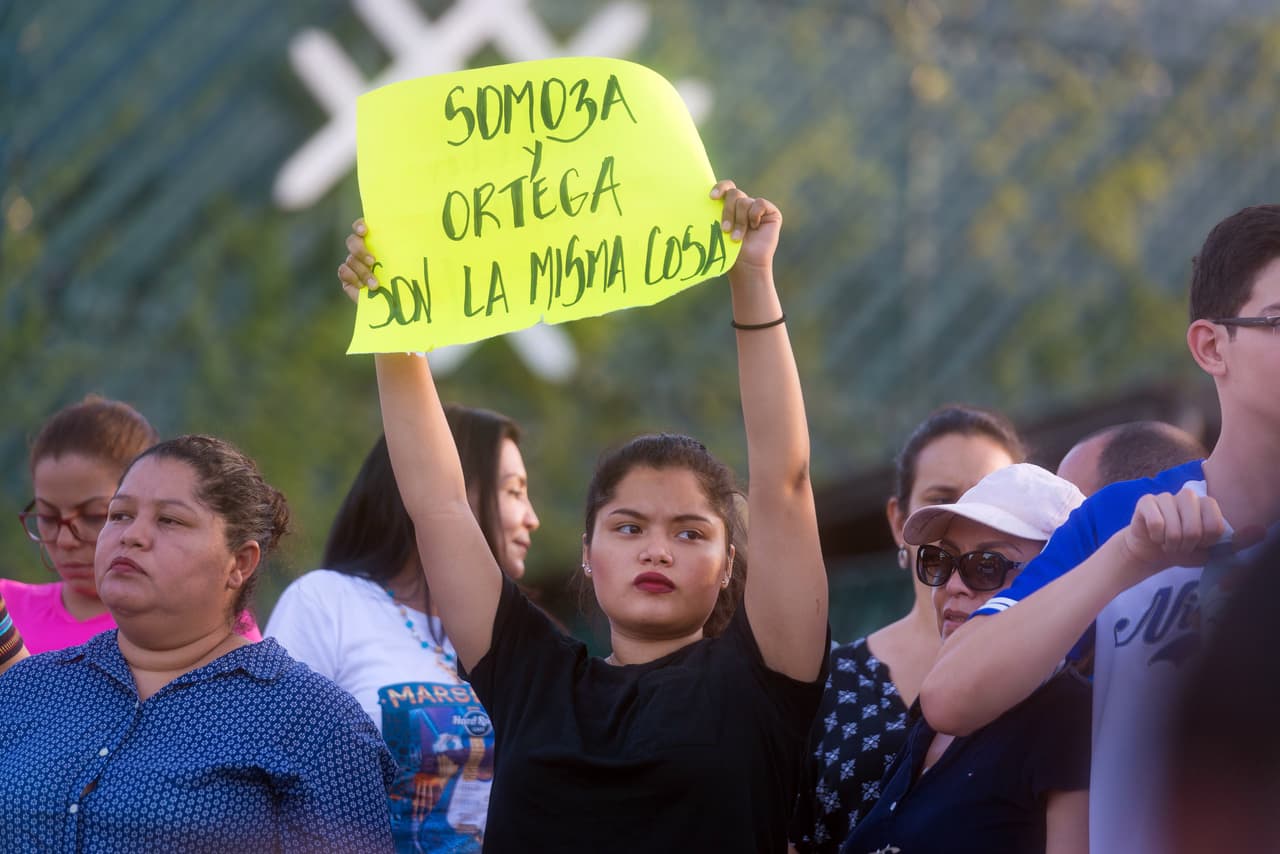 15/20
15/20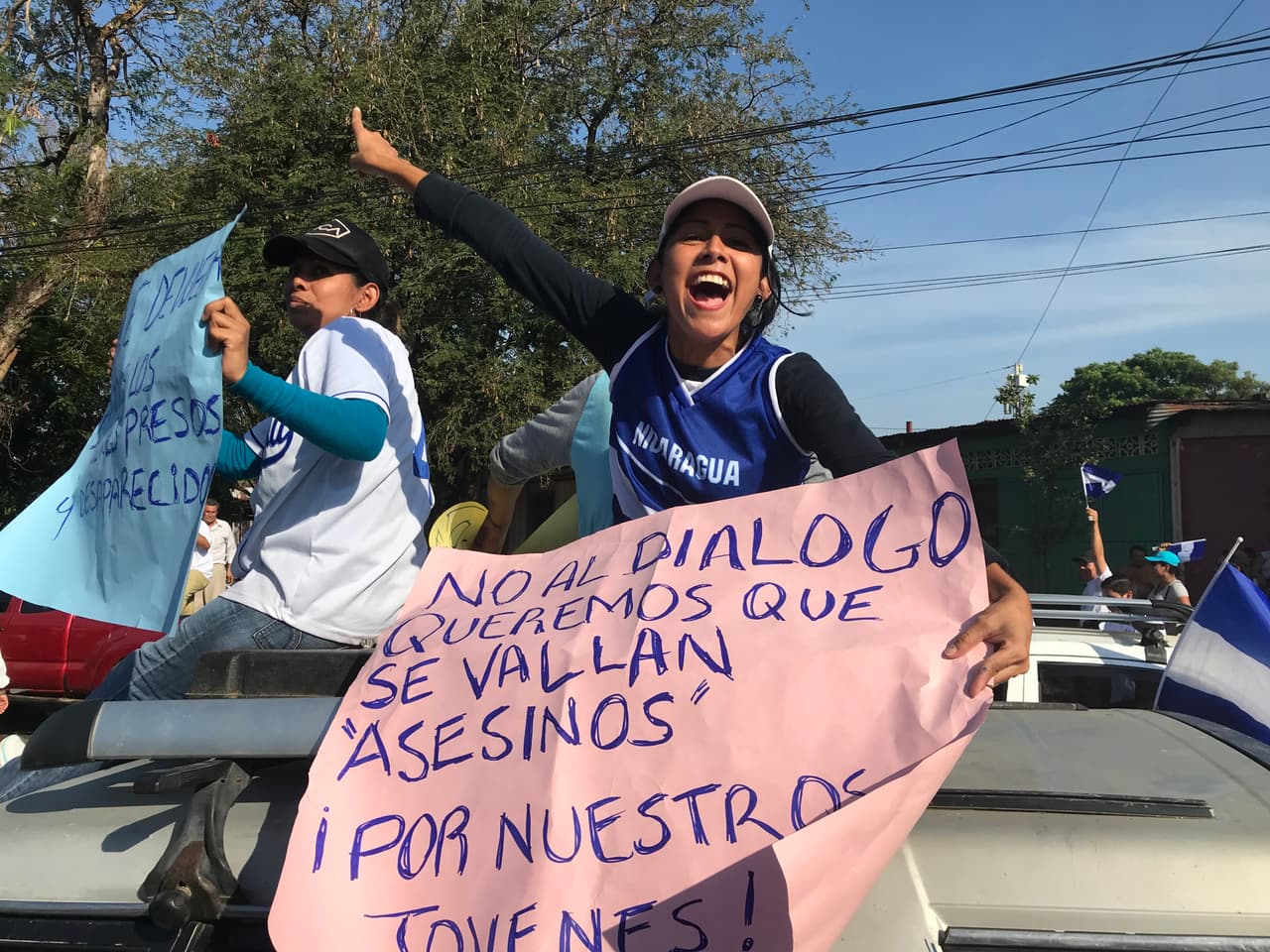 16/20
16/20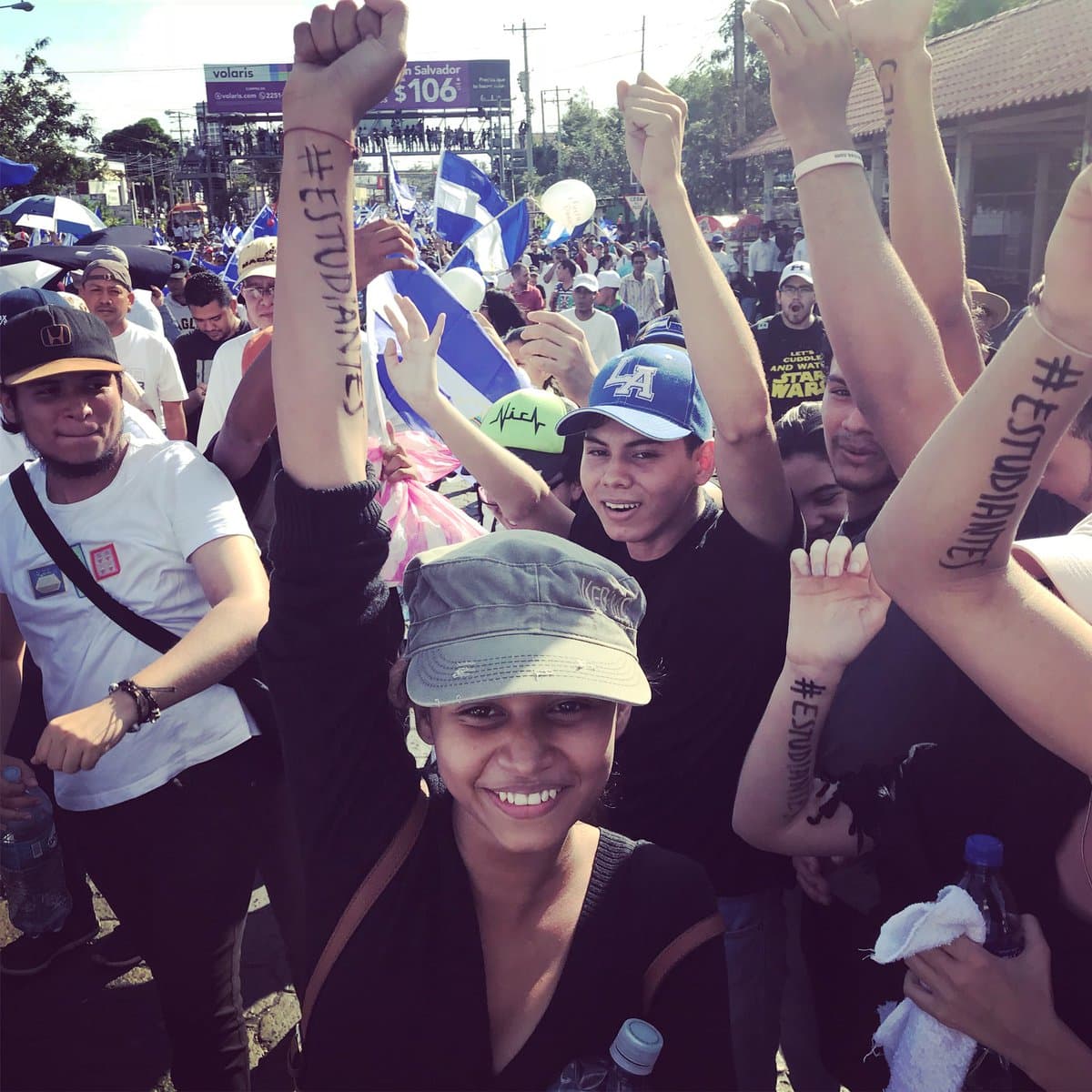 17/20
17/20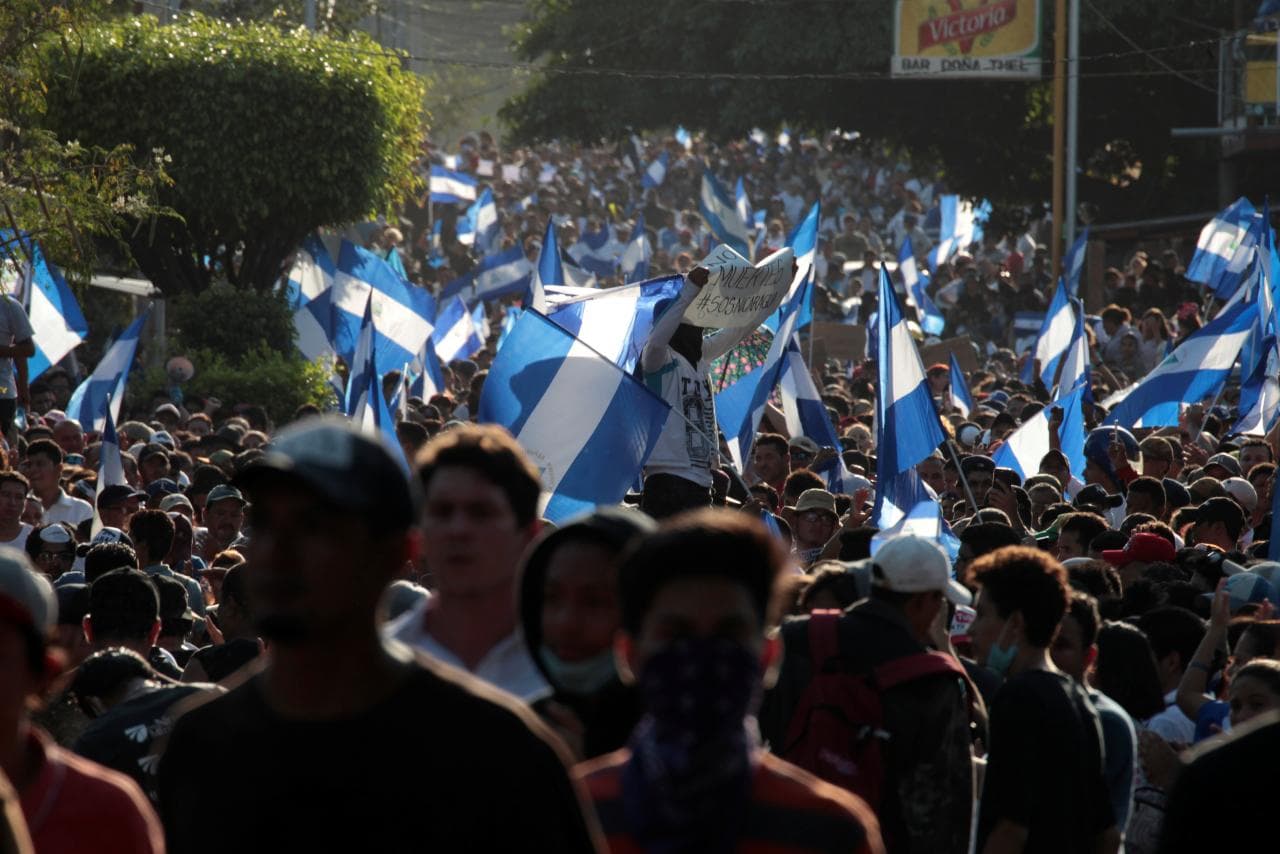 18/20
18/20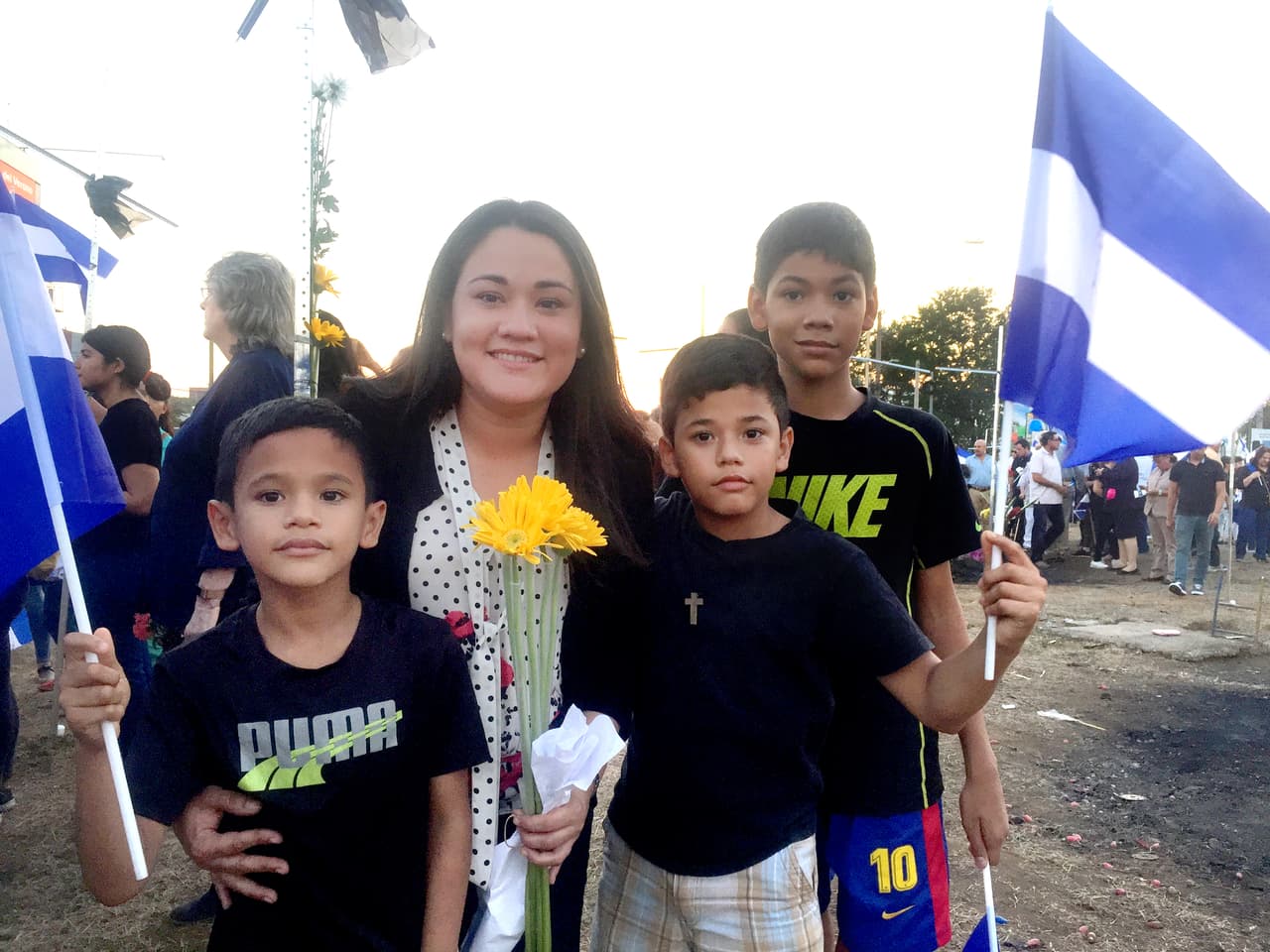 19/20
19/20 20/20
20/20