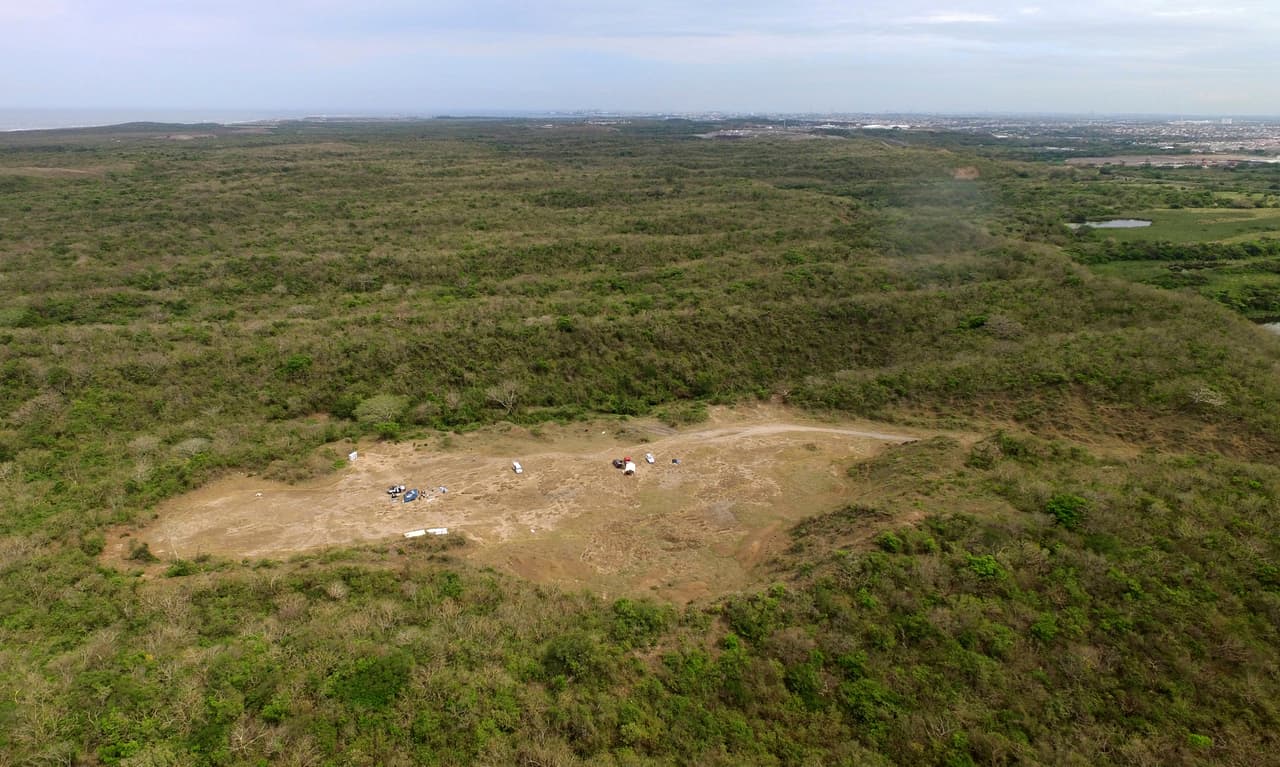
In August of last year, relatives of missing people in Veracruz, Mexico, found a large mass grave in an area called Colinas de Santa Fe. So far, 253 corpses have been found in 125 graves. But the terrain has not yet been fully explored. Only two bodies have been identified. Another 47 bodies have been found in Alvarado, also in the state of Veracruz.
Aerial view of Colinas de Santa Fe, where the mass graves were found near the Gulf of Mexico, on the outskirts of the city of Veracruz. Authorities continue to explore the area. March 15, 2017
Jonathan Estudillo/Ap
PUBLICIDAD
2/17
A sketch given anonymously to relatives led them to the area. A group of relatives of missing persons, the organization Colectivo Solecito de Veracruz, is pushing authorities to identify the bodies. In seven months only two have been identified. March 16, 2017.
Carlos Jasso/Reuters
PUBLICIDAD
3/17
The new find, in Alvarado, Veracruz. March 20, 2017.
Reuters
PUBLICIDAD
4/17
A woman's shoe in the Alvarado area. March 20, 2017.
Reuters
PUBLICIDAD
5/17
Shovels and other tools used by diggers. So far, they have found 253 corpses in Colinas de Santa Fe. March 16, 2017.
Carlos Jasso/Reuters
PUBLICIDAD
6/17
Relatives of the disappeared in Veracruz accompany Griselda Barreras during a religious service for her son Pedro Alberto Huesca. Huesca, a public prosecutor, was abducted along with his secretary, Gerardo Montiel, in 2013. They are the only bodies identified so far. March 16, 2017.
Carlos Jasso/Reuters
PUBLICIDAD
7/17
These clothes on a wire fence were found next to mass graves in Alvarado, Veracruz. March 20, 2017.
Reuters
PUBLICIDAD
8/17
The relatives of the disappeared meet with investigators where human remains have been found. March 16, 2017.
SERGIO HERNANDEZ/Getty Images
PUBLICIDAD
9/17
Police and forensics units use tents to protect the places where human remains have been found.
Carlos Jasso/Reuters
PUBLICIDAD
10/17
Colectivo Solecito says it's "the largest clandestine grave in Mexico and Latin America." In the photo, the body of Pedro Alberto Huesca is taken to the Palmas de Abajo cemetery in Veracruz on March 8, 2017.
Felix Marquez/Ap
PUBLICIDAD
11/17
The area is monitored by the Federal Police and the State of Veracruz.
Carlos Jasso/Reuters
PUBLICIDAD
12/17
Rosalia Castro, the mother of Roberto Casso, who disappeared in December 2011, holds a poster with a photo of her son at the entrance to one of the plots where the human remains have been found in Veracruz. March 16, 2017.
Carlos Jasso/Reuters
PUBLICIDAD
13/17
This photograph was taken April 11, 2016, when state and federal police began investigating in Colinas de Santa Fe. In seven months of excavations, 253 corpses have been found.
Felix Marquez/Ap
PUBLICIDAD
14/17
Each genetic test costs about 25,000 pesos (more than $1,000), which must be followed up by other tests and a judicial process to finally identify a body. The relatives of the disappeared have asked the federal government and private institutions to help them with costs to process the bodies.
Carlos Jasso/Reuters
PUBLICIDAD
15/17
Veracruz is the state with the third highest number of homicides in Mexico, with 1,258 cases registered in 2016, according to figures from the National Executive Secretariat. In this photo, a federal police officer guards the area. March 3, 2016.
CARLOS JASSO/Reuters
PUBLICIDAD
16/17
The Jalisco Nueva Generación (CJNG) cartel now controls the area, but in 2014 and 2015 Los Zetas cartel was in charge. The group has been blamed for thousands of homicides.
ILSE HUESCA/Getty Images
PUBLICIDAD
17/17
The Veracruz Public Prosecutor had maintained reservations for months regarding the bodies. But on Tuesday, March 15, 2017, prosecutor Jorge Winckler confirmed that skulls were found on the estate and considered that it could be one of "the largest gravesites in the world."

 1/17
1/17 2/17
2/17 3/17
3/17 4/17
4/17 5/17
5/17 6/17
6/17 7/17
7/17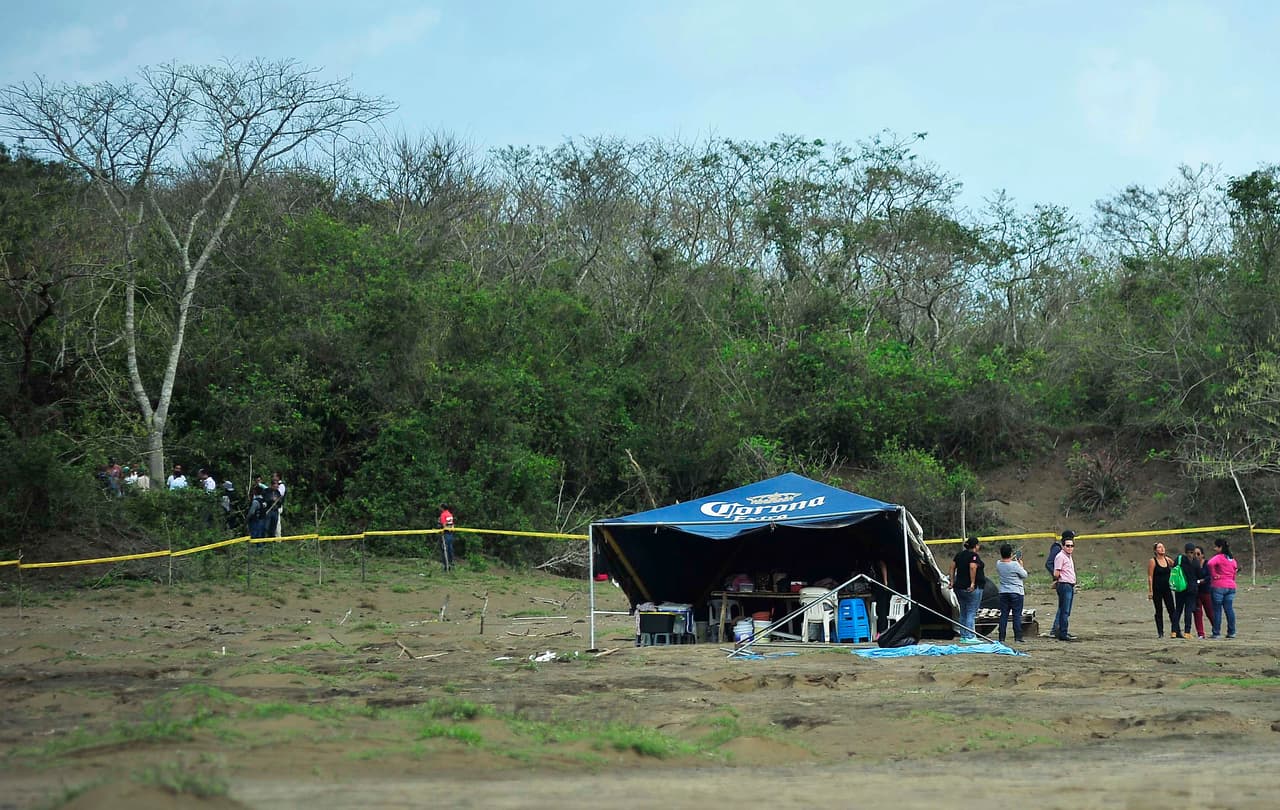 8/17
8/17 9/17
9/17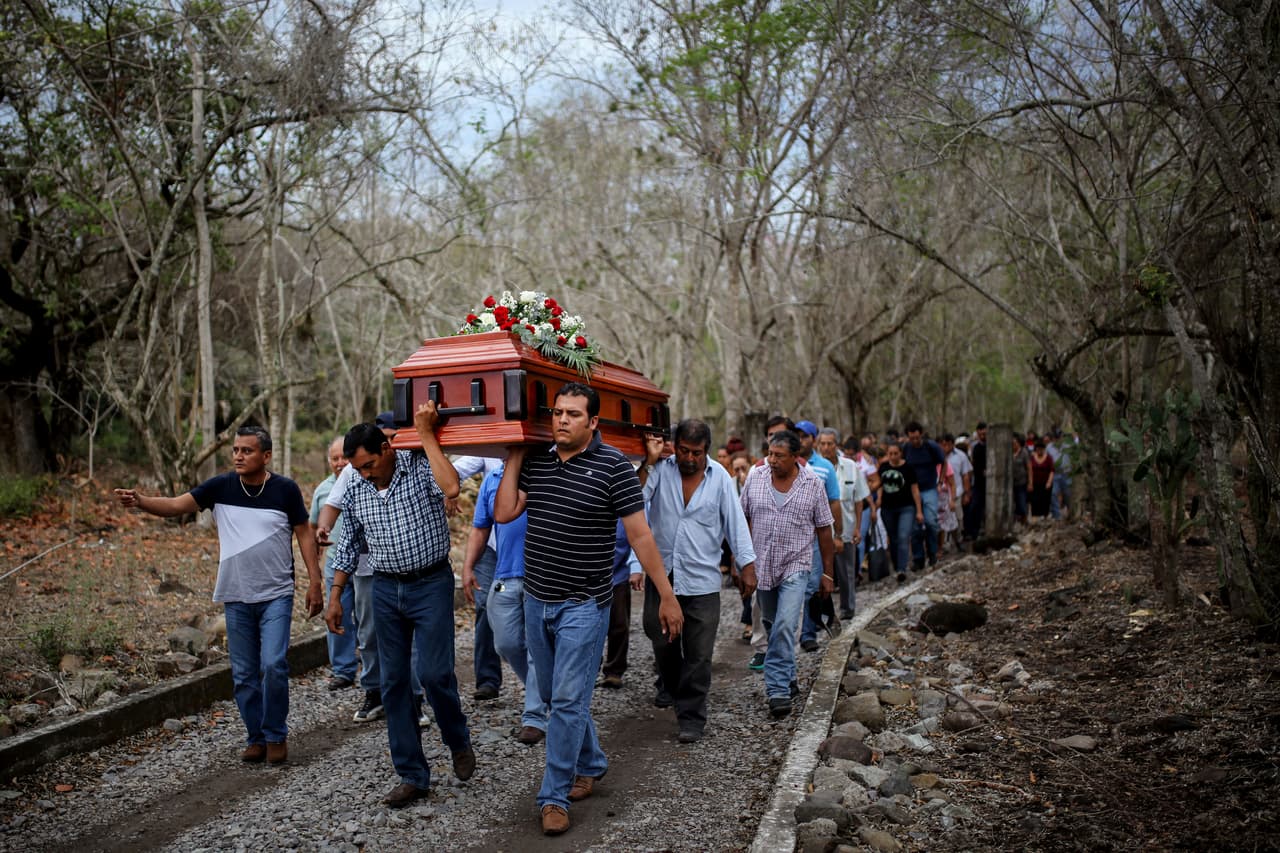 10/17
10/17 11/17
11/17 12/17
12/17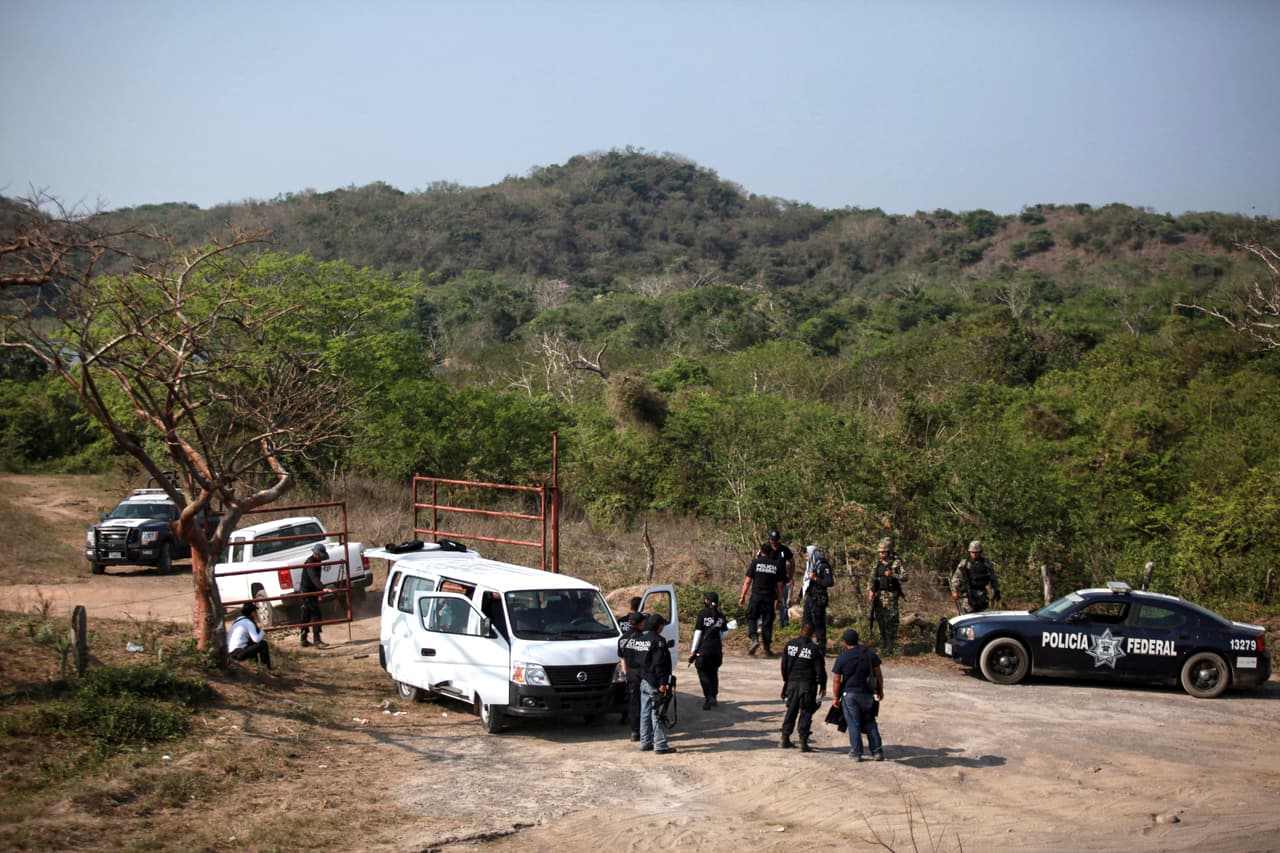 13/17
13/17 14/17
14/17 15/17
15/17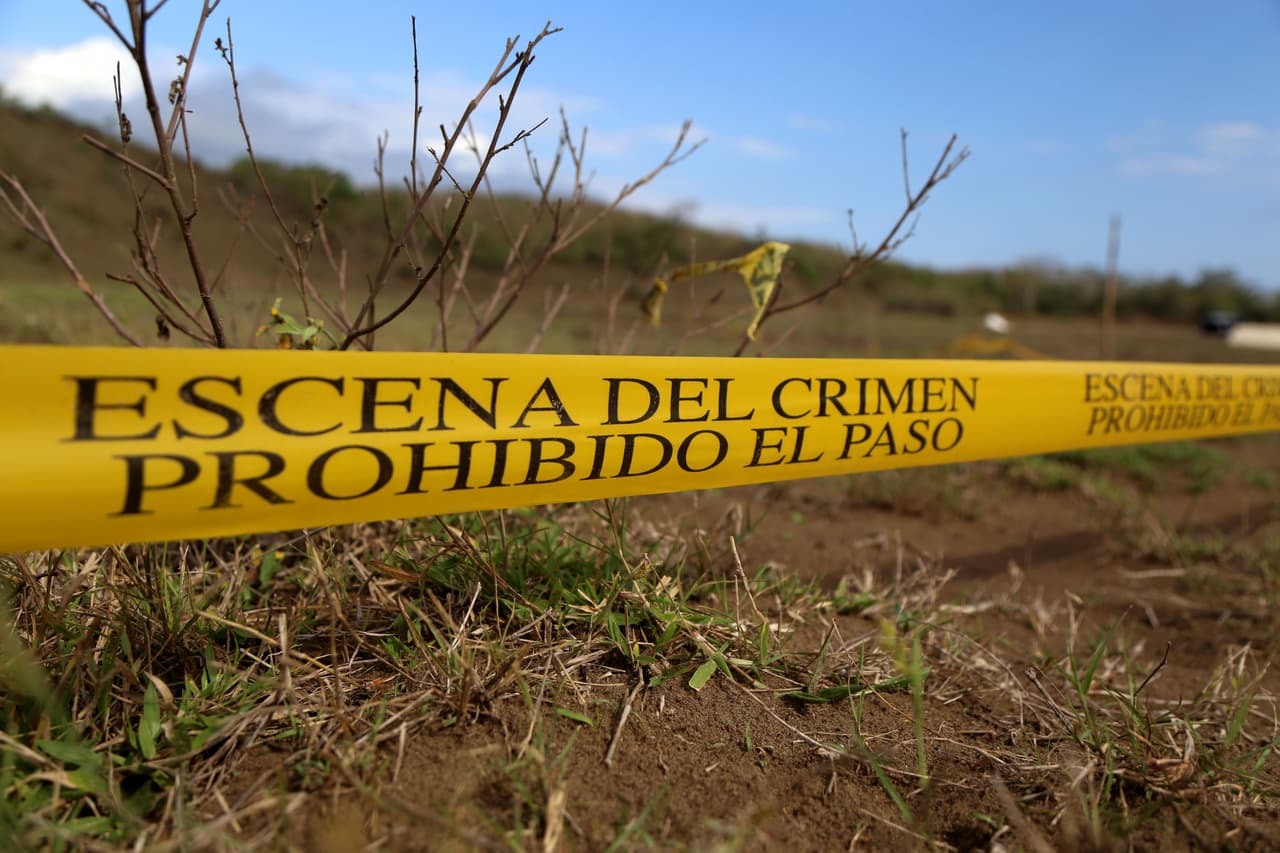 16/17
16/17 17/17
17/17