The foreign ministers of nine Latin American countries have written a letter to U.S. Secretary of State John Kerry expressing their “deep concern” over U.S. policy towards Cuban migrants, warning that it is creating a humanitarian crisis.
Pressure mounts on United States to address Cuban migrant crisis
Latin American governments call on the United States to end special treatment for Cuban migrants.
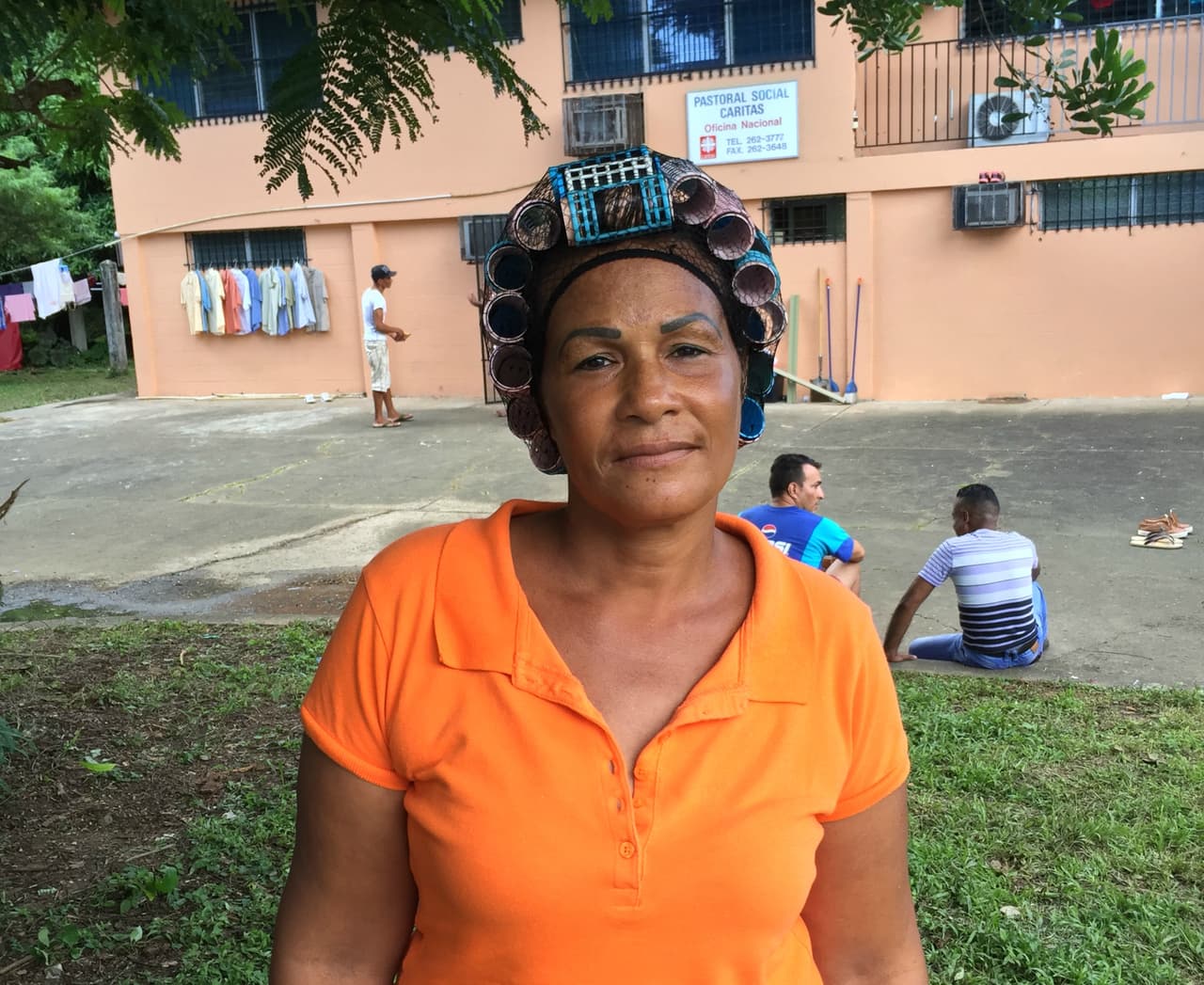
Former dancer Aniuska Gutiérrez, 49, is one of 400 Cubans migrants stranded in Panama. She left Cuba with her husband for Guyana, and has traveled via Brazil, Peru and Colombia in her effort to reach the United SaTtes. She is the sister of a famous Cuban-American singer in Miami, Amaury Gutiérrez. Photographed here at a Caritas shelter in Panama City on August 28, 2016.
Imagen David Adams
“Cuban citizens risk their lives, on a daily basis, seeking to reach the United States,” the letter says, according to excerpts forwarded by Ecuador’s embassy in the United States. “These people, often facing situations of extreme vulnerability, fall victim to mafias dedicated to people trafficking, sexual exploitation and collective assaults. This situation has generated a migratory crisis that is affecting our countries.”
The letter was signed by the foreign ministers of Colombia, Costa Rica, Ecuador, El Salvador, Guatemala, Mexico, Nicaragua, Panama and Peru. The nine foreign ministers called for a “high-level meeting” with Kerry to review the issue.
On Tuesday, State Department spokesman John Kirby said the U.S. had no plans to change current law that provides special privileges to Cubans arriving in the United States without proper documentation. Kirby confirmed that the State Department received the letter, but said he was unaware of any immediate plans to discuss the issue with the Latin American officials.
"We continue to encourage all countries to respect the human rights of migrants and asylum seekers, and to ensure that they are treated humanely," he said.
Governments in the region complain they cannot afford to house the Cuban migrants, and place the blame on a U.S. law, the Cuban Adjustment Act, which gives special immigration privileges to Cubans fleeing the communist-run island.


The 1966 law allows Cubans who reach American soil to remain in the United States, even if they arrive without proper legal papers such as a visa.
The Obama administration appears reluctant to deal with the issue before the November elections, perhaps because it is seen as a political hot potato South Florida's large Cuban exile community where many have benefited from the current law favoring Cubans.
However, criticism of the law has grown in recent years, even among Cuban exiles who complain it is being abused by those seeking to leave Cuba for opportunistic economic reasons and not because of political persecution.
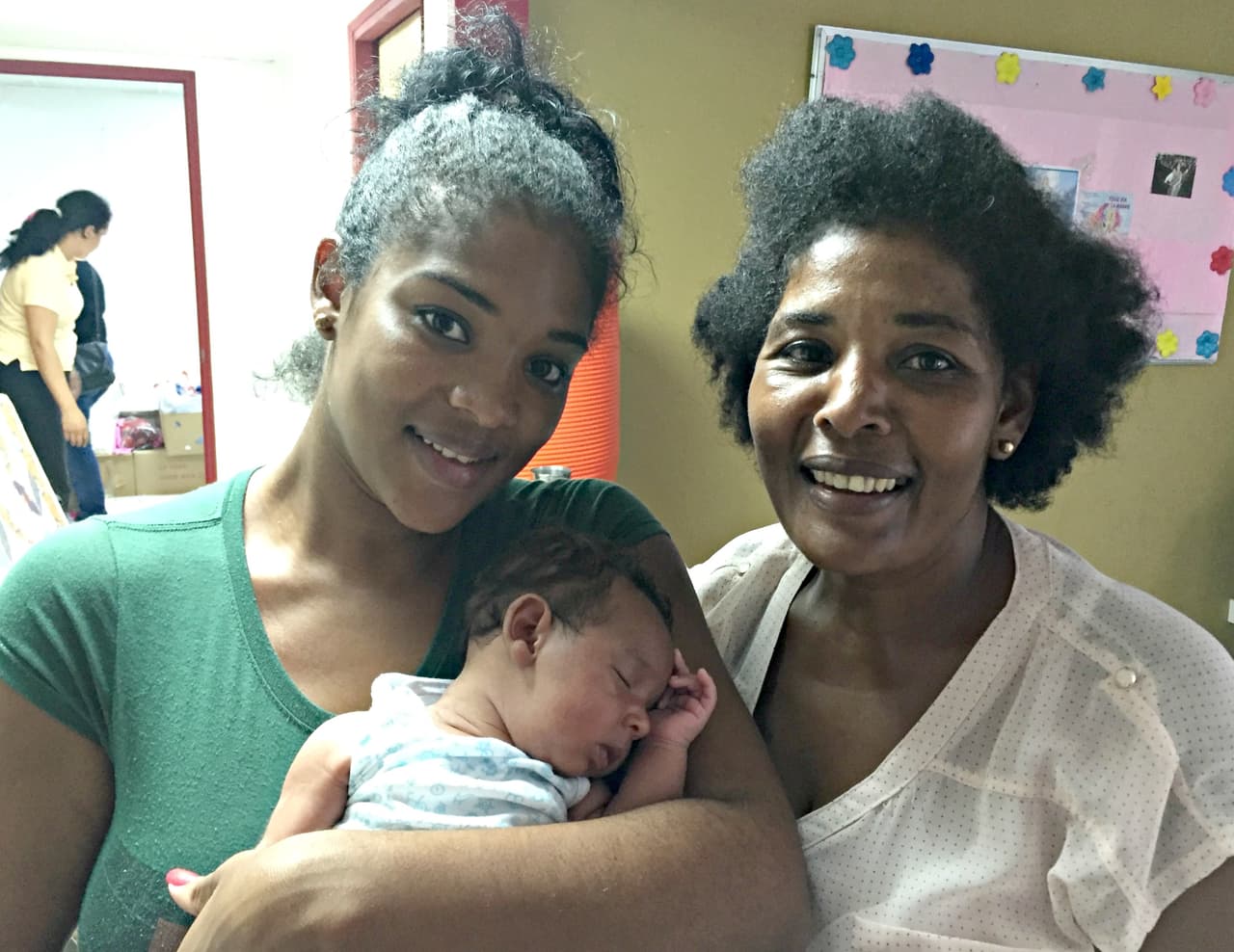
Aiderilis O'Farill 27, hiked across the Colombian border with Panama earlier this month only 17 days after giving birth to her son, Tahiler Hinojosa O’Farrill in Turbo, Colombia. They are being looked after with other Cuban migrants at a Caritas shelter in Panama City. Left to right; Aiderilis O'Farill (holding her baby) with her mother Arelis Alonso. Aug 28, 2016
Imagen David Adams
More than 44,000 Cubans were admitted to the United States without visas during the first nine months of the 2016 fiscal year, according to the U.S. Department of Homeland Security.
That figure compares with more than 40,000 in 2015 and 24,000 in 2014. Thousands more Cubans enter the United States legally through an annual immigration lottery and a family reunification program.
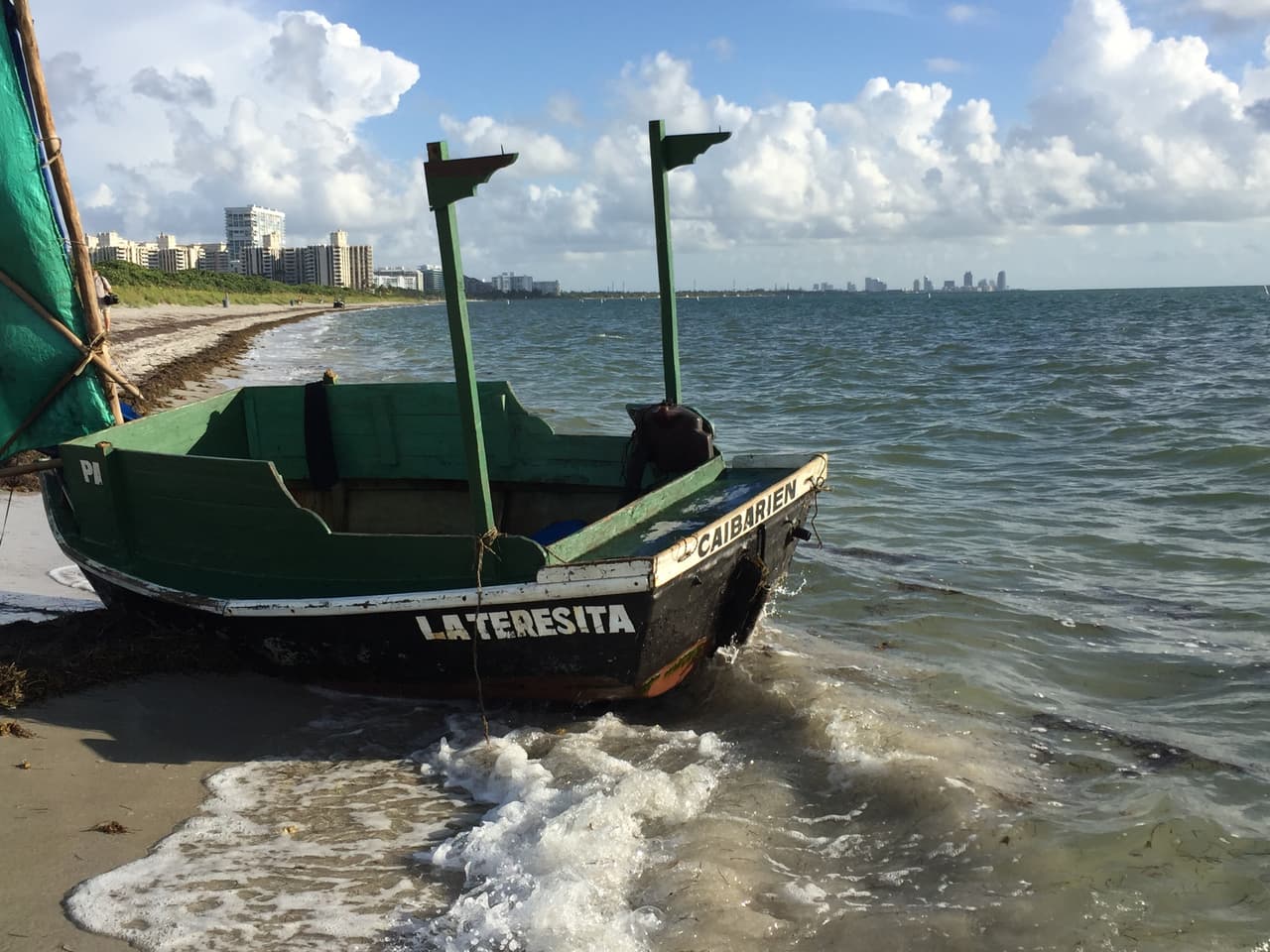
Cuban activists are alarmed at the increasing desperation of Cuban migrants who risks their lives – and their life savings - to reach the United States, including using homemade rafts to cross the treacherous Straits of Florida and hiking jungle trails to cross the inhospitable Darien Gap separating Colombia and Panama.
In their efforts to reach the United States many Cuban migrants have ended up stranded in Brazil, Panama, Nicaragua and Colombia after borders have been closed to them. Panamanian officials say about 400 undocumented Cubans are currently being looked after shelters.
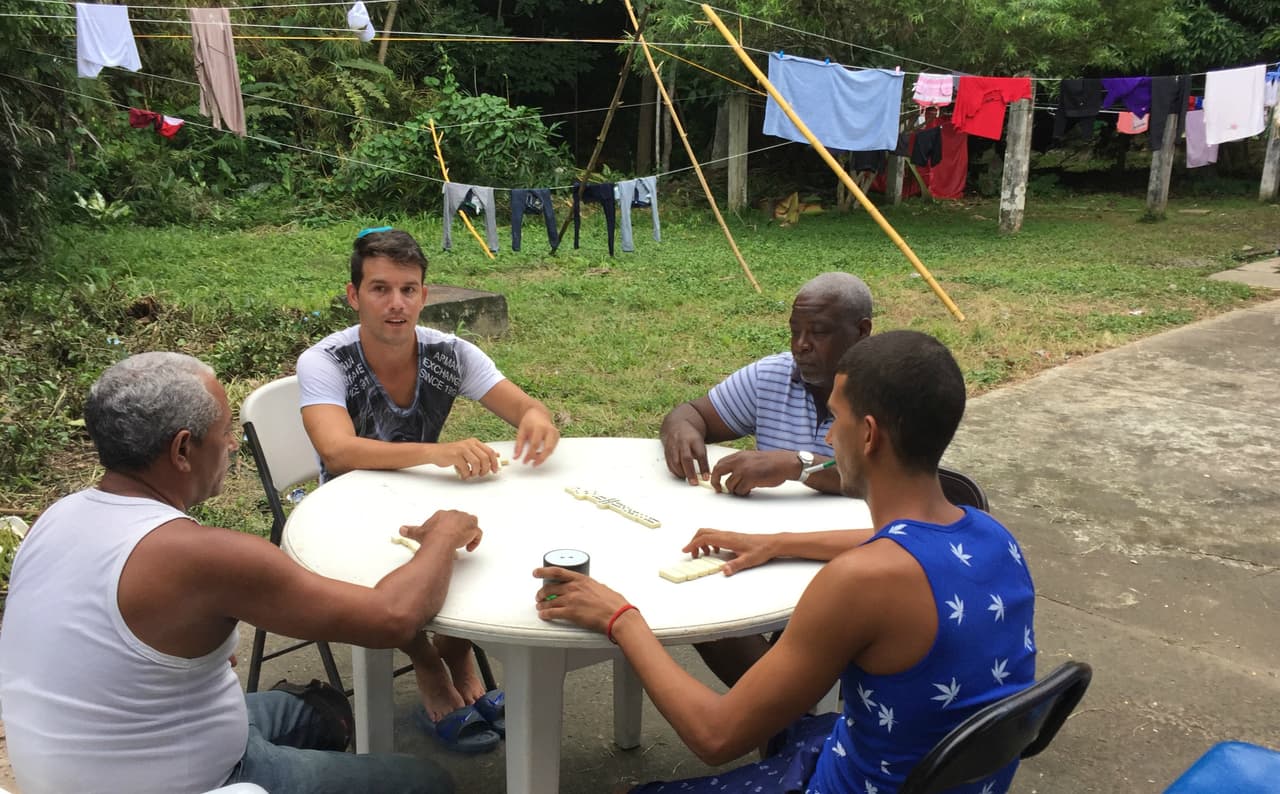
Cuban migrants in Panama play dominoes at a Caritas shelter to kill time while they wait to find out of they will be allowed to continue their journey to the United States
Imagen David Adams
More than 1,200 Cubans are also reportedly stranded in Colombia. In March some 6,000 Cubans were airlifted from Costa Rica and Panama to the United States.
After Cuba lifted travel restrictions for its citizens in 2012 tens of thousands of Cubans have sought to emigrate, fearful that last years' restoration of formal relations between the U.S. and Cuba could bring an end to decades of preferential immigration rules for Cubans.
“It is time for the United States to change its outdated policy for Cuban migrants, which is undermining regular and safe migration in our continent,” said Ecuadorean Foreign Minister Guillaume Long.
Notas Relacionadas
Five Cuban rafters detained at luxury Florida beach resort
Univision News
2 min
Relacionados: