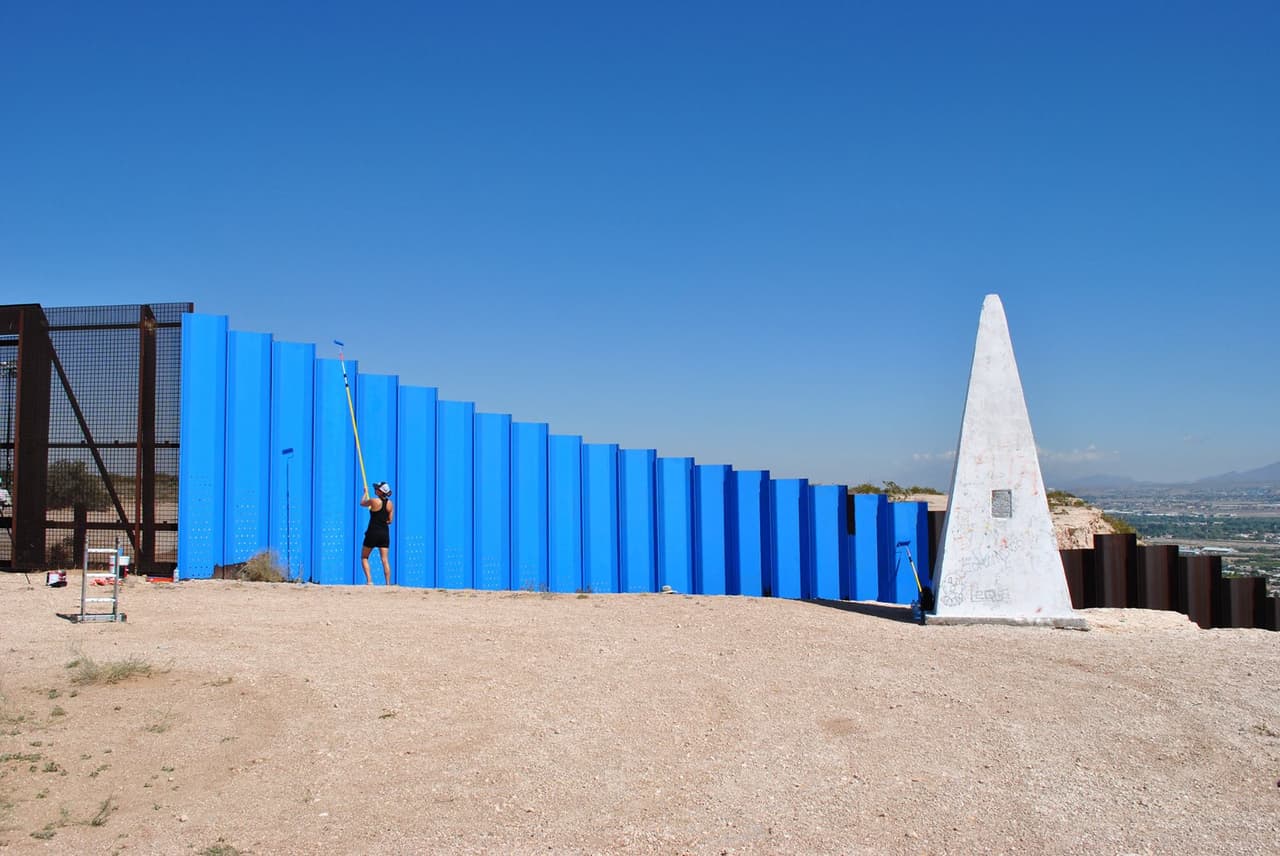
Ana Teresa Fernández, a Mexican artist, paints the border fence located between Sunland Park, New Mexico and Ciudad Juárez, Mexico. The painting creates an optical illusion, making this stretch of fence appear to merge with the sky.
PUBLICIDAD
2/14
This stretch of the fence is one of the most tightly monitored by U.S. border patrols because its location near Ciudad Juárez makes it easily accessible to those who want to cross into the United States.
PUBLICIDAD
3/14
In response to Donald Trump's promise to build a “beautiful and strong wall” on the U.S.-Mexico border, Fernández says: "I would make it disappear again with paint." Courtesy of Luis Pablo Hernández.
PUBLICIDAD
4/14
Seven gallons of “perfect sky blue paint” were used. Community members from Ciudad Juárez, political activists, and migrants' families helped paint. Courtesy of Luis Pablo Hernández.
PUBLICIDAD
5/14
Artist Ana Teresa Fernández was born in Tampico, Tamaulipas in México, but spent most of her life in San Diego and San Francisco, California. It was in the United States, hearing "heartbreaking stories" of Mexicans who crossed the border, that she came up with the idea to make a tribute through art. Courtesy of Luis Pablo Hernández.
PUBLICIDAD
6/14
The minimalist painting was done along a 20-meter stretch of the 6-meter-high fence, on a sandy slope that makes access difficult and is just in front of a marker from the International Boundary and Water Commission that reads: Boundary of the Republic of Mexico.
PUBLICIDAD
7/14
The clearer is the day, the more it seems that part of the fence fades into the sky. Courtesy of Luis Pablo Hernández.
PUBLICIDAD
8/14
This part of the fence is in a residential area. On the left side of the fence is Sunland, New Mexico and El Paso, Texas. On the right side is the neighborhood of Anapra, in Ciudad Juárez, Mexico, one of the poorest in the area. Photo: Estephani Cano.
PUBLICIDAD
9/14
In 2015, the artist painted the border wall between Nogales, Mexico and Nogales, Arizona. Courtesy of Ana Teresa Fernández.
PUBLICIDAD
10/14
The first time Fernández painted the border fence was in 2011, on the Mexican side of the fence that separates the beaches of Tijuana and Border Field State Park in California. "When I went to the beach and watched the waves go through the fence, I thought: It's absurd, part of the wave is Mexican and other American," said Fernández. Courtesy of Ana Teresa Fernández.
PUBLICIDAD
11/14
During her first attempt to paint the border fence in 2011, the Tijuana authorities threatened to arrest her. Fernández had to explain the motive behind the installation. Courtesy of Ana Teresa Fernández.
PUBLICIDAD
12/14
Julia Calderas holds a portrait of her daughter Maria Elena, one of the hundreds of women who disappared during a wave of murders of women in Ciudad Juárez. Calderas helped paint the fence. Photo: Estephani Cano.
PUBLICIDAD
13/14
The border fence is located next to Anapra, one of the poorest neighborhoods in Ciudad Juárez, Mexico. Photo: Estephani Cano.
PUBLICIDAD
14/14
Maclovio Rodolfo Fierro is a graffiti artist and community activist who worked with Ana Teresa Fernández in Ciudad Juárez. He has crossed the border, but after being deported is no longer allowed to return to the United States. "I want to be a bird, to go from one country to another without anyone telling me anything," Fierro said. Photo: Estephani Cano.

 1/14
1/14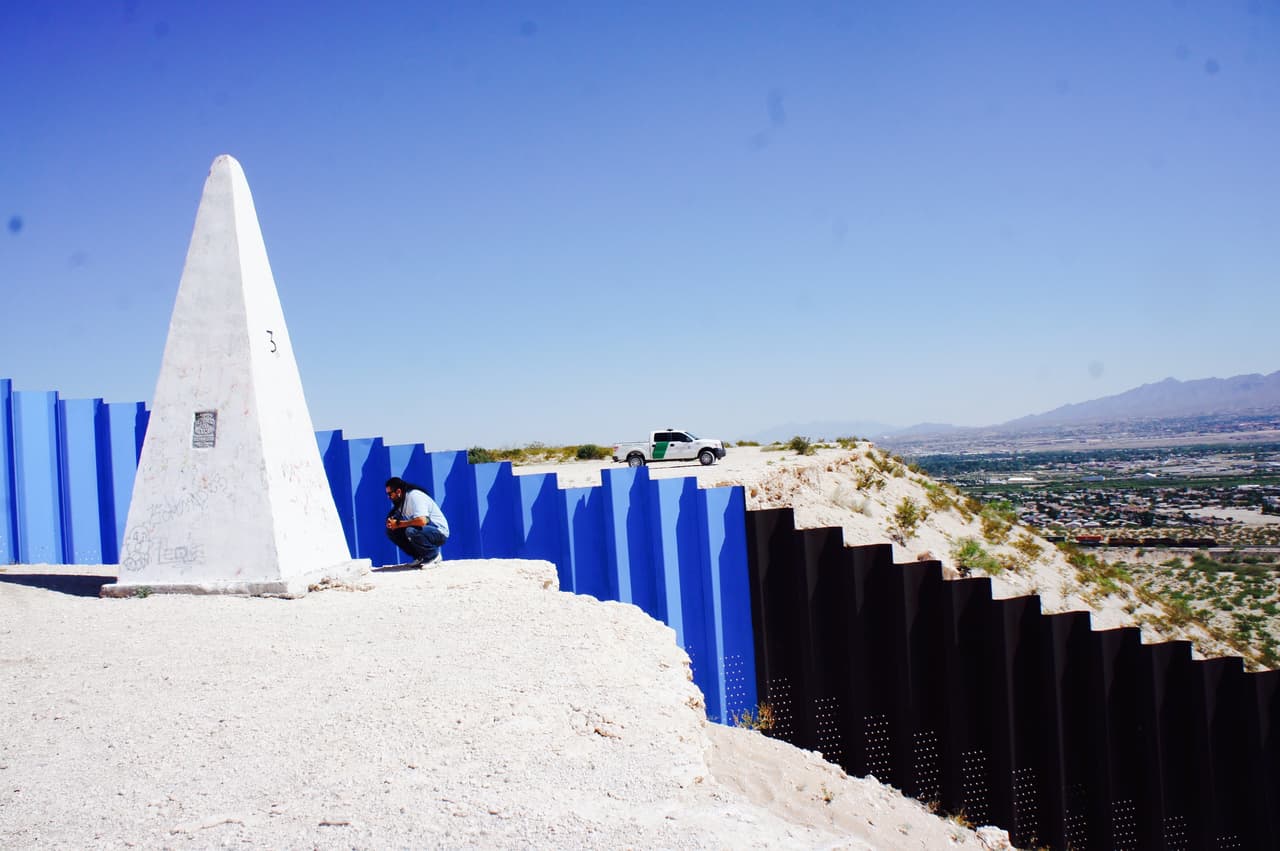 2/14
2/14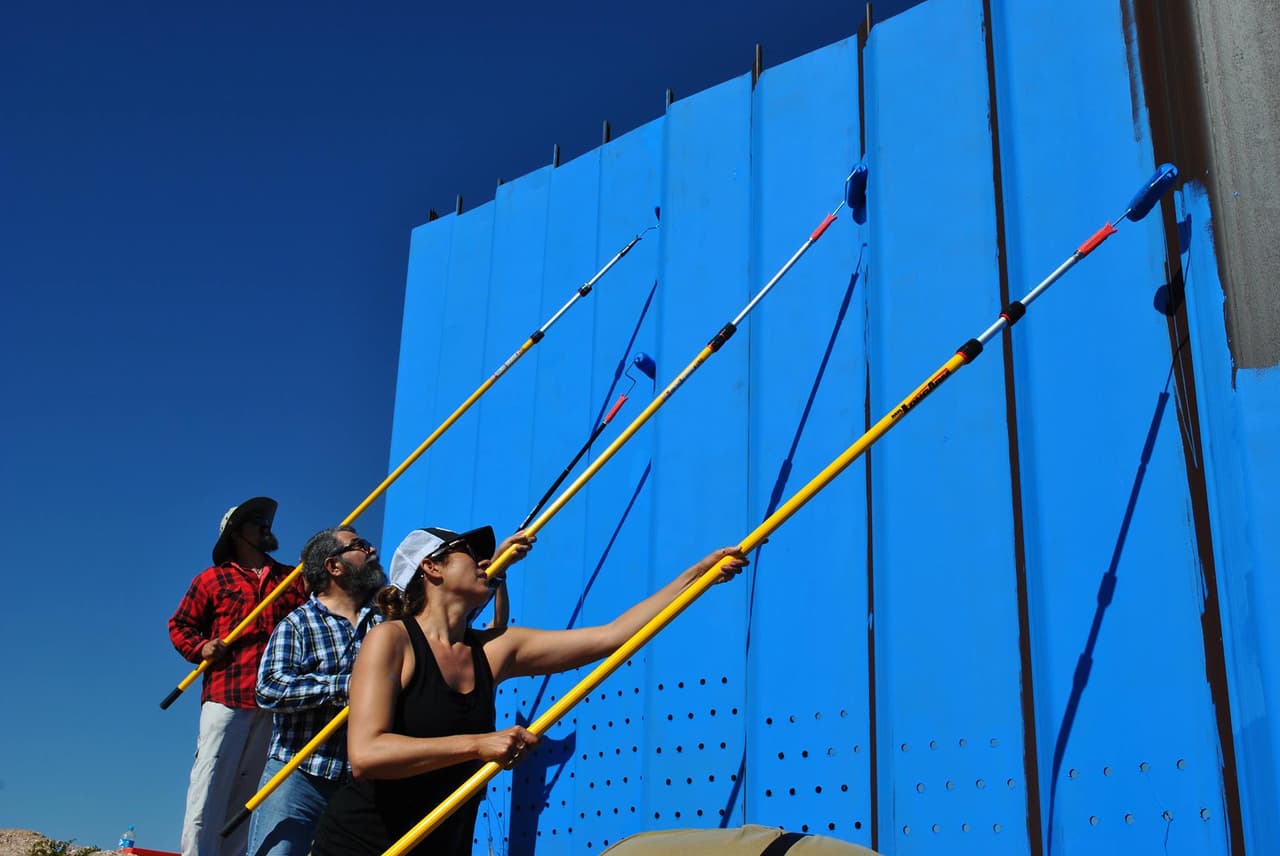 3/14
3/14.jpg&w=1280&q=75) 4/14
4/14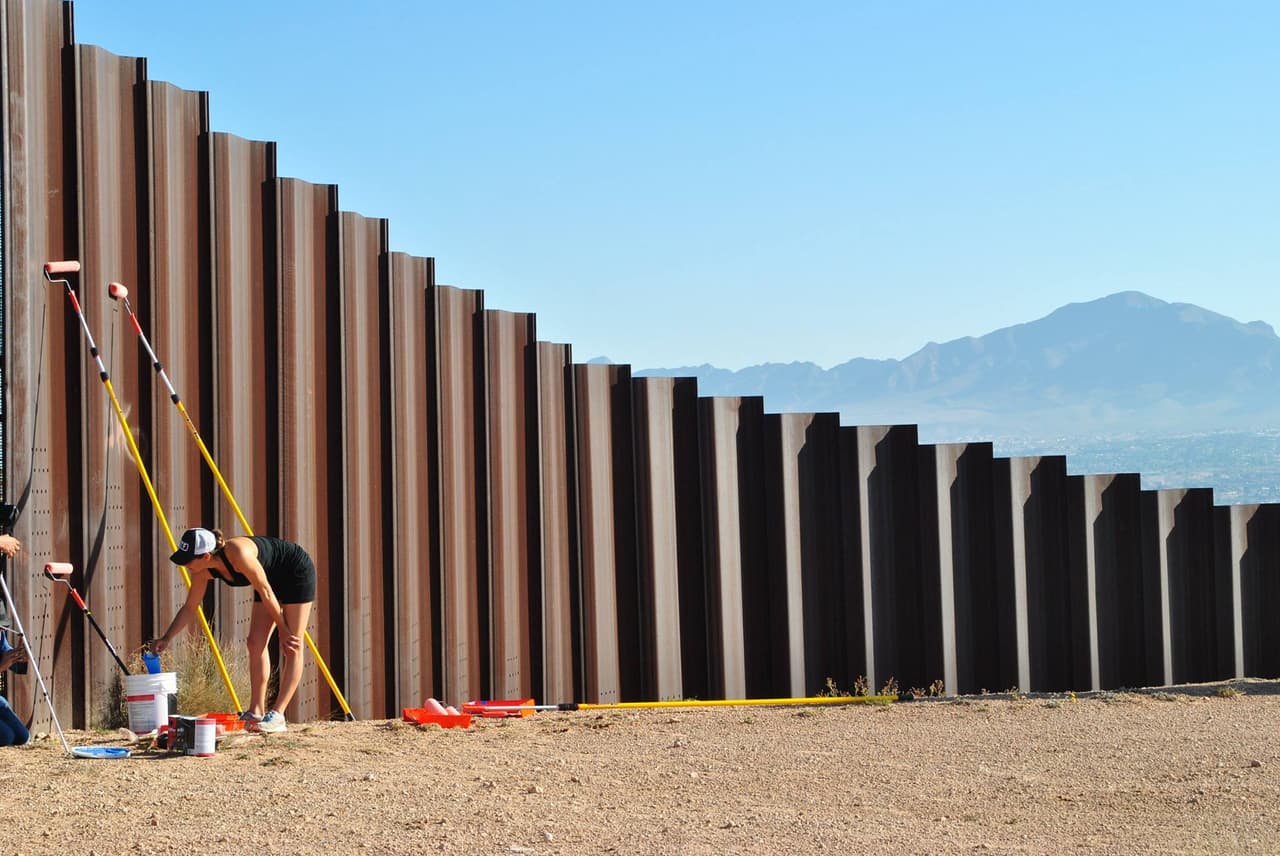 5/14
5/14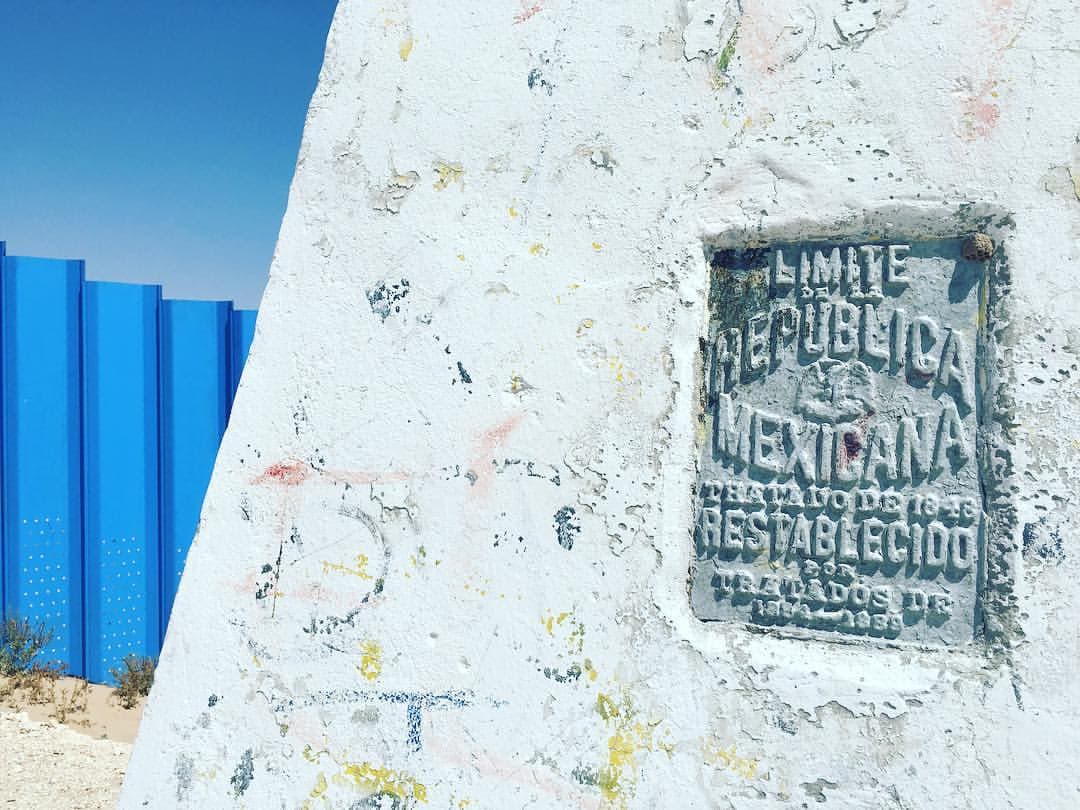 6/14
6/14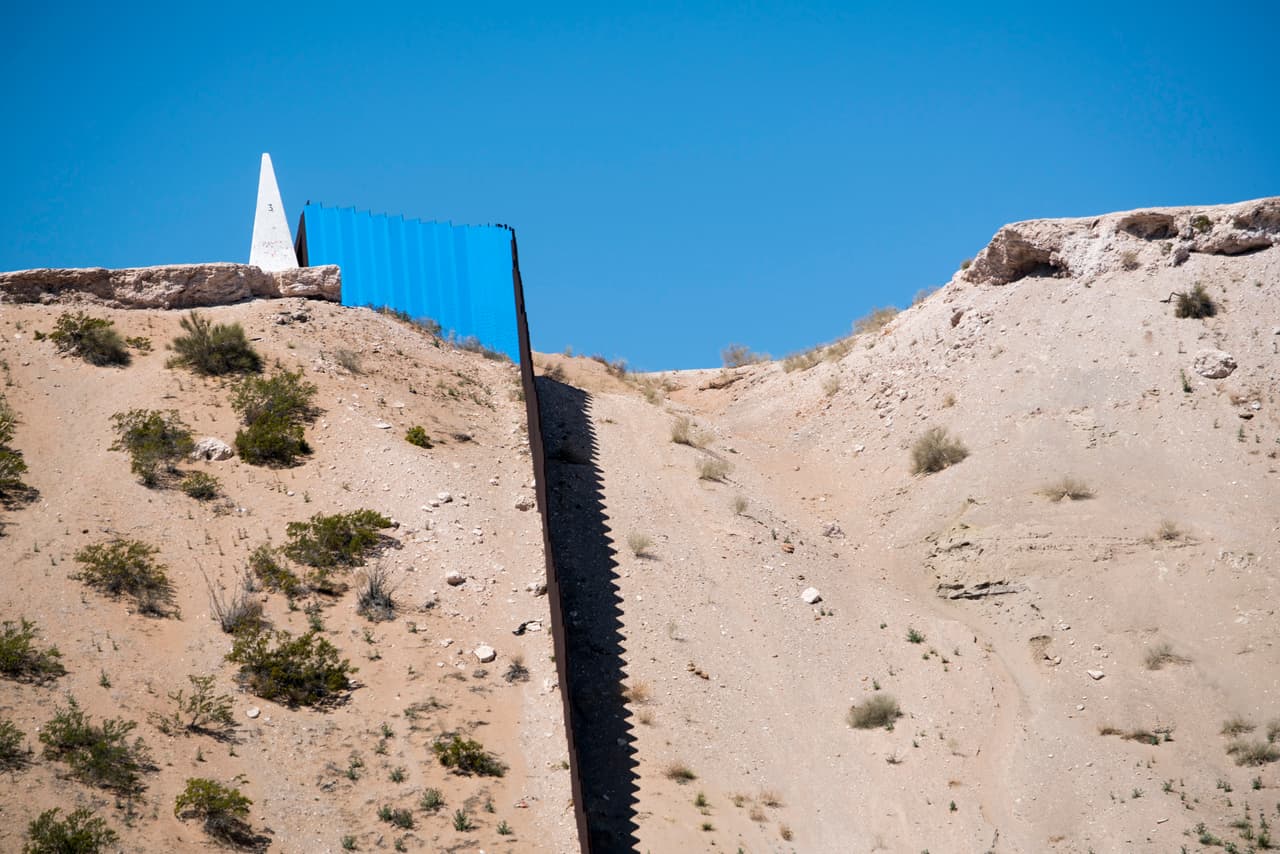 7/14
7/14.jpg&w=1280&q=75) 8/14
8/14 9/14
9/14 10/14
10/14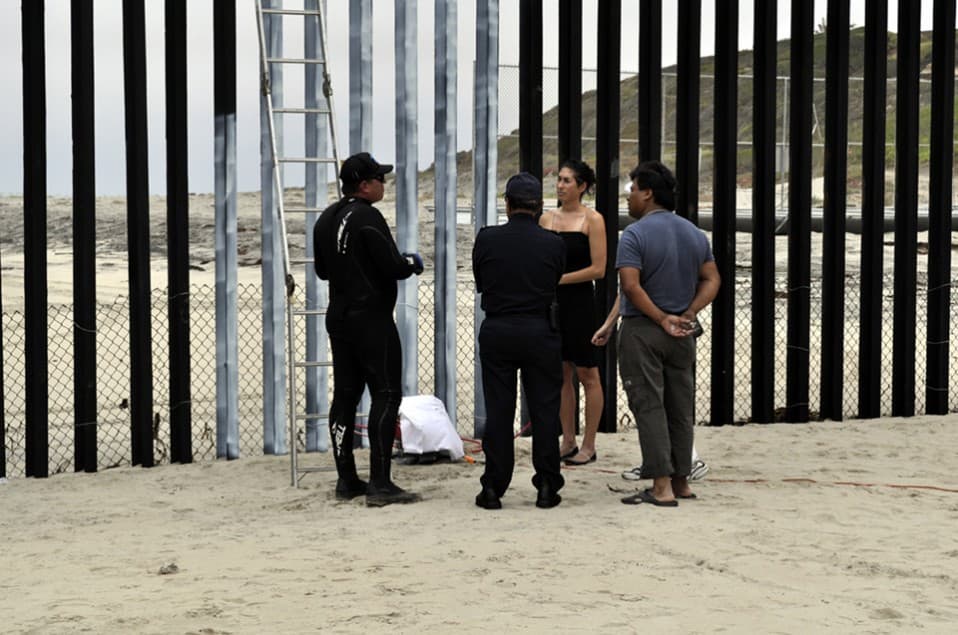 11/14
11/14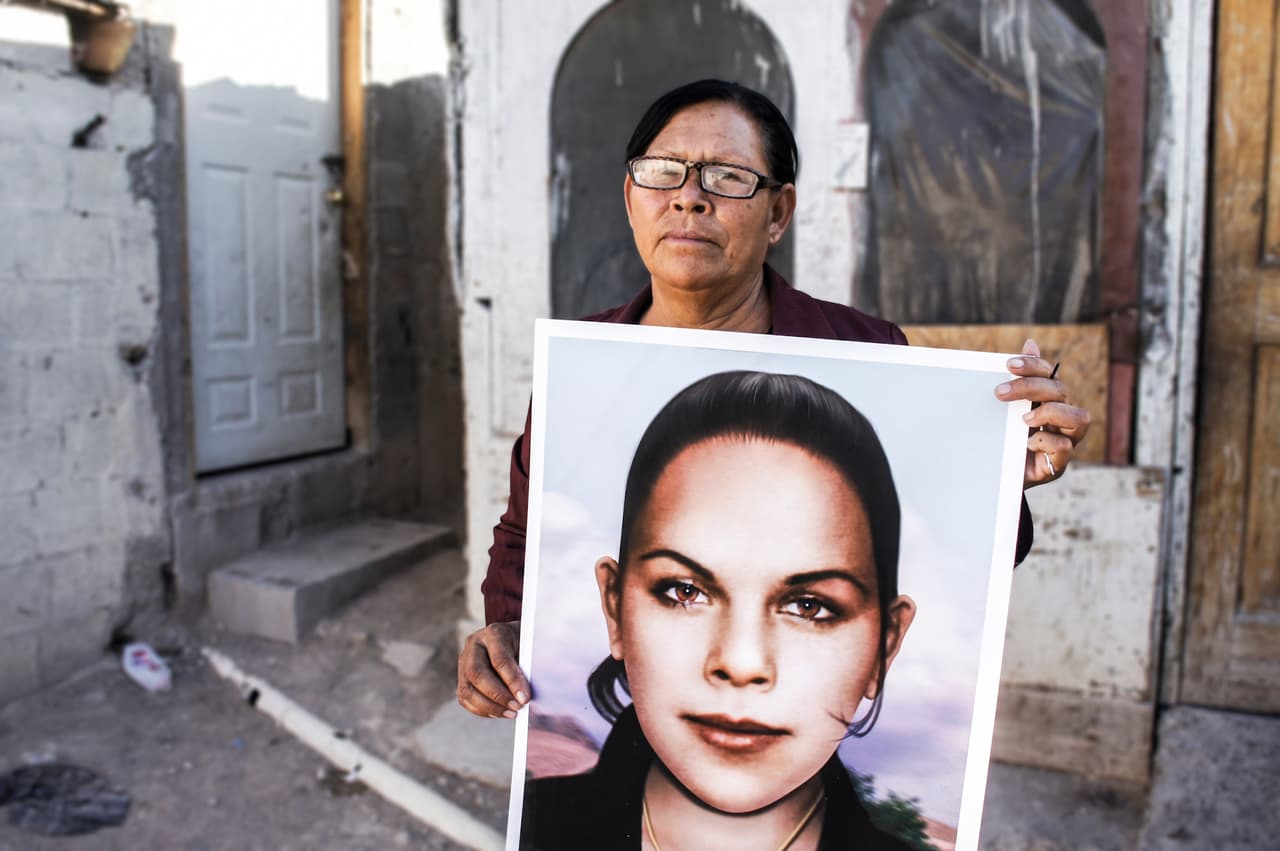 12/14
12/14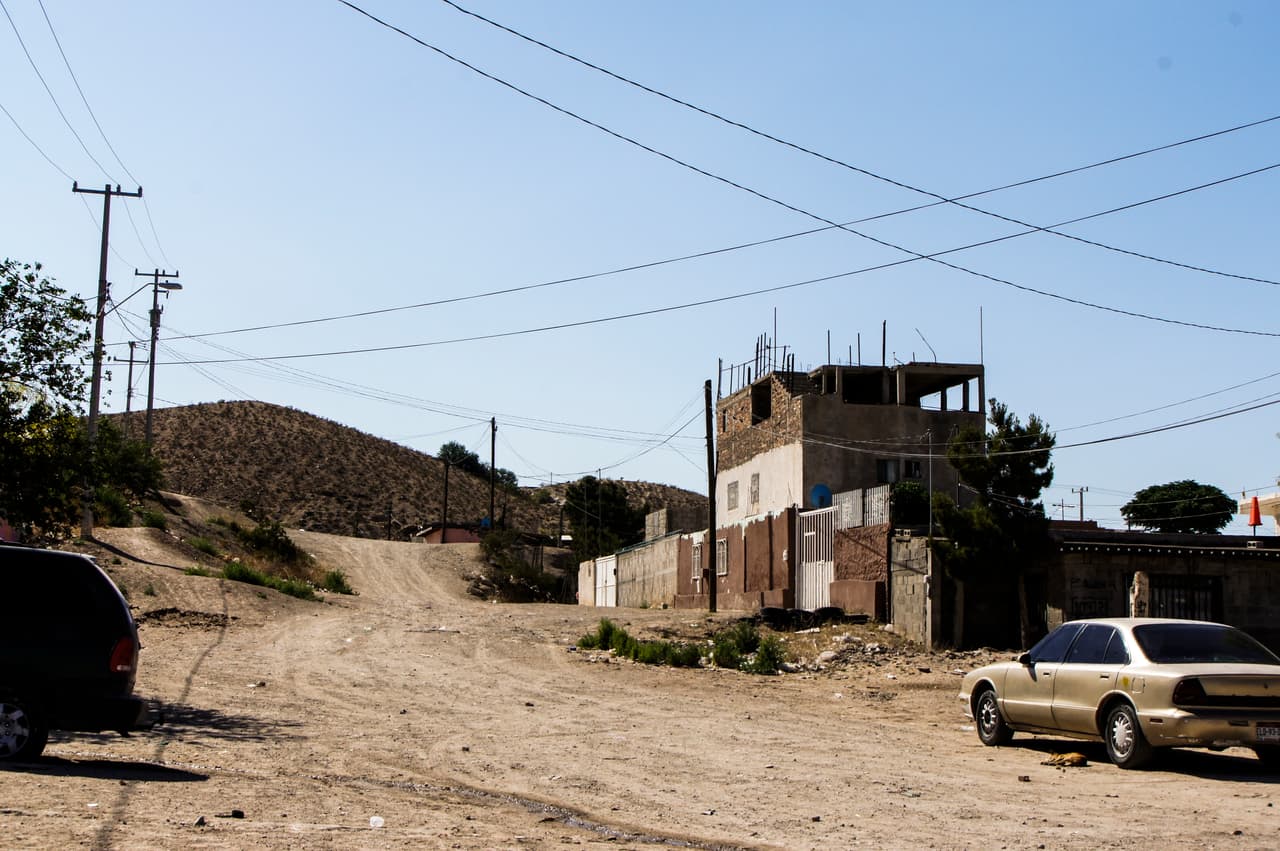 13/14
13/14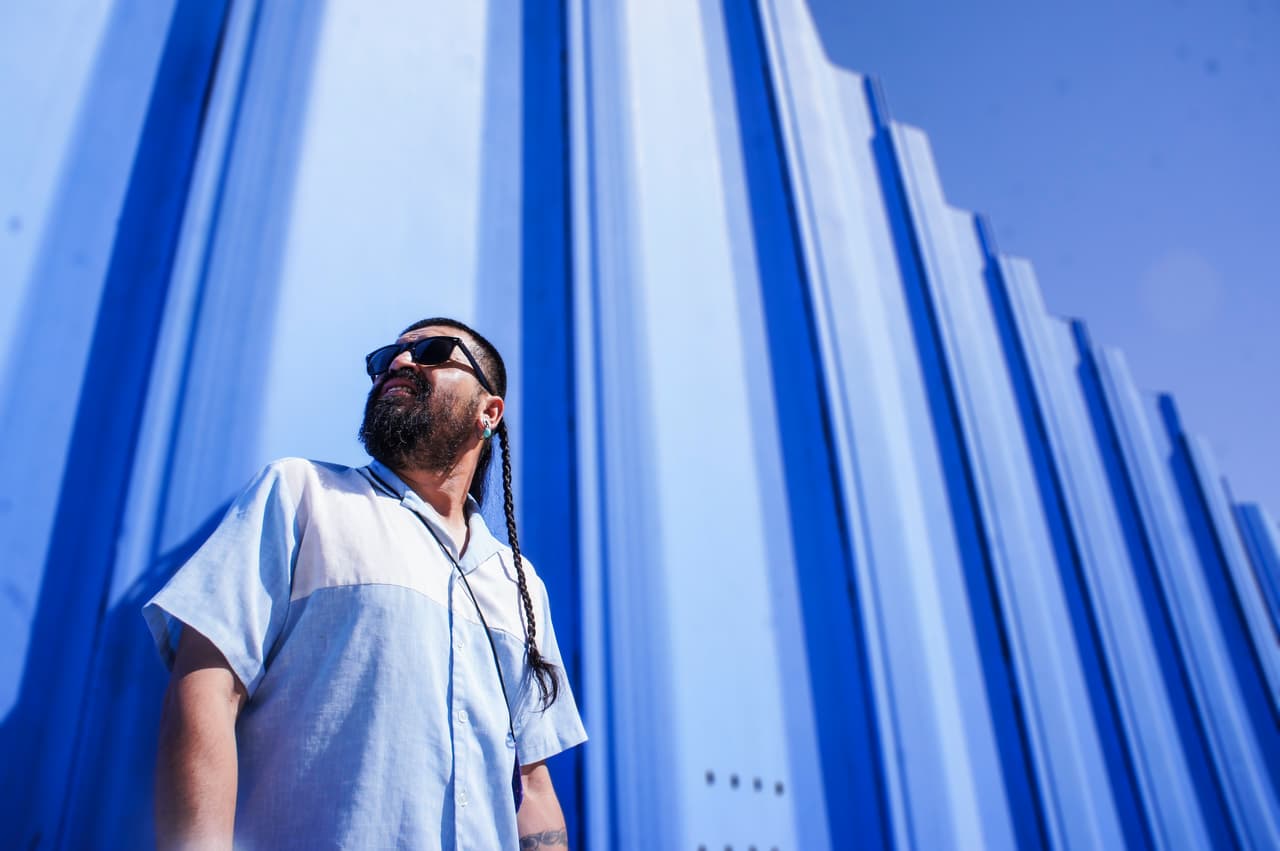 14/14
14/14