
People from all over the world come to America with the hope and dreams of achieving success. And while success comes in many forms, in America, it is well known that, as long as you work hard, you are guaranteed an opportunity at achieving the American Dream. However, for the 11 million undocumented immigrants in the United States, even if you work harder than everyone else, your dreams are just that, dreams.
DACA, A Key to New Opportunities For Immigrants
“You don't have to be an economist to understand that immigrants buying homes, paying taxes, and being successful are good for the economy.”

Gaby Pacheco.
In 2012, when the immigrant youth community won DACA (Deferred Action for Childhood, Arrivals), I never thought that this temporary USCIS program would be a key that would open so many doors of opportunities for me. In 2014, for the first time in 21 years, I was able to travel outside the US. I was able to get a drivers’ license, and find a rewarding job as the program director of TheDream.US, a college success and scholarship program where I get to see hundreds of young people achieve their dream of going to college. And today, because of DACA, I was able to buy my first home.

Despite a near universal desire for an end to Venezuela’s manmade disaster, sending in U.S forces to take out the Maduro regime would be counter-productive. It should be categorically rejected by interim president Juan Guaidó, not to mention the Trump administration.
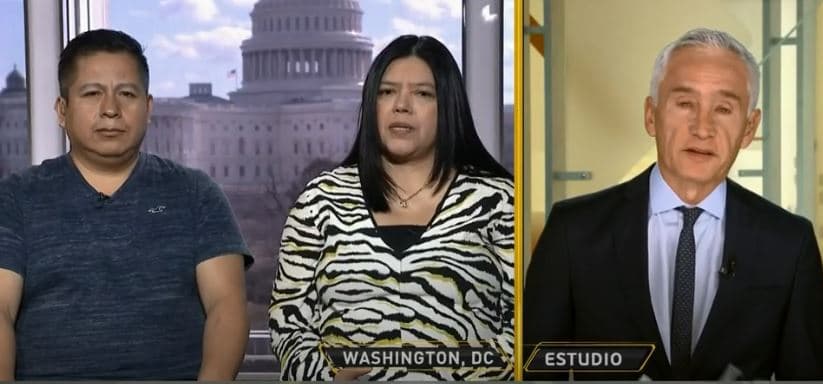
The firing of undocumented workers at Trump's golf clubs just shows how the practice of employing immigrants without legal work papers is much more common than we might imagine. Such is life in the United States.
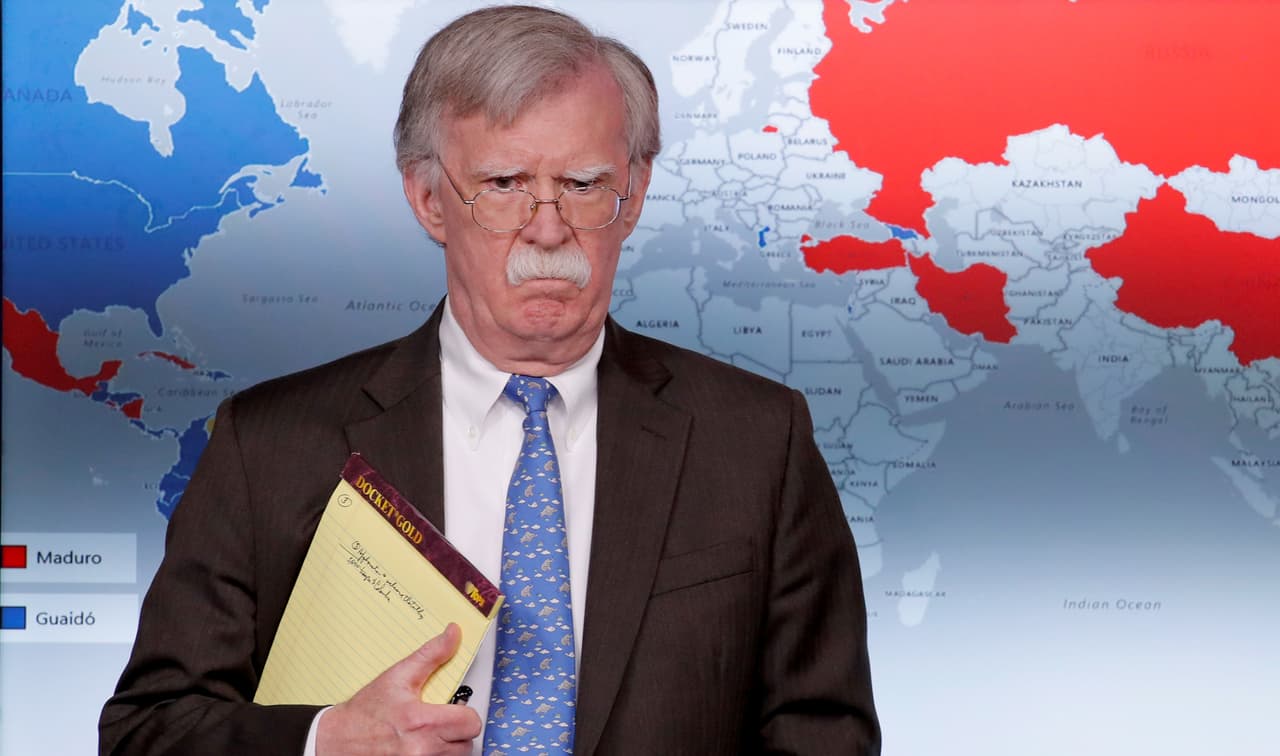
The Trump administration should be wary of fueling fake news predictions about an imminent American invasion which unrealistically raises expectations about Maduro's removal.
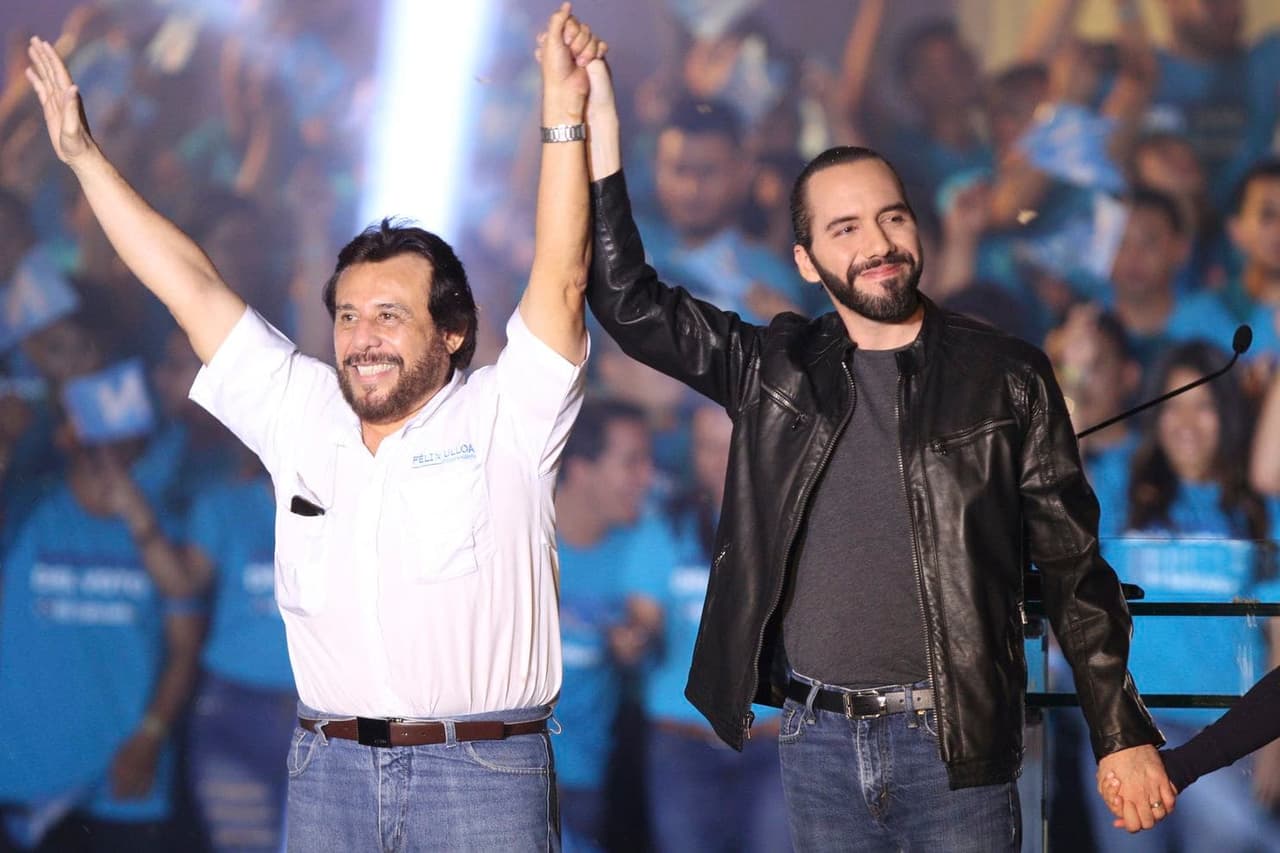
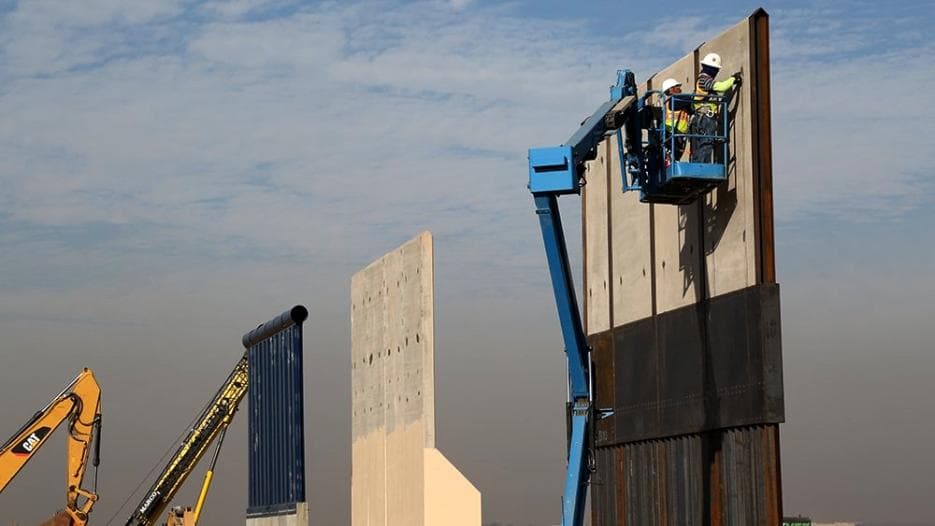
At some point we will have to accept the fact that the border between Mexico and the United States is nothing more than an invention.

The United States has had a major role in the evolving drama of the fight for democracy in Venezuela and Nicaragua. And so far, it’s been surprisingly coordinated, a veritable model of multilateralism.
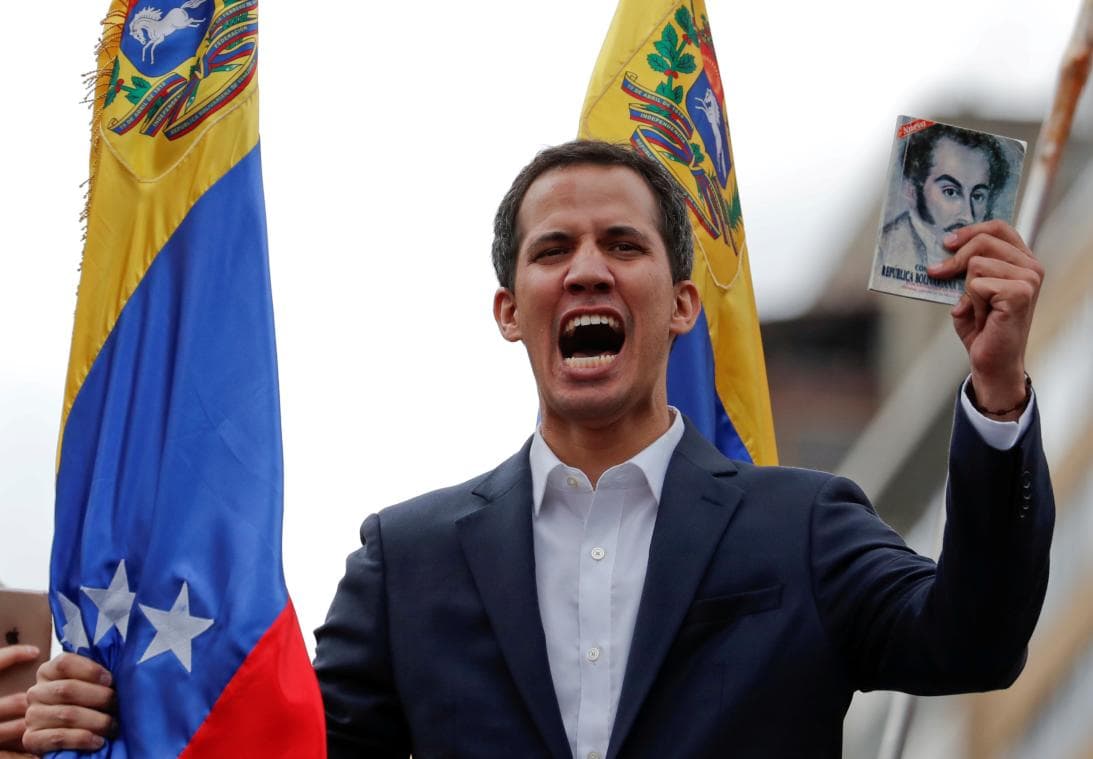
Has the Maduro regime reached breaking point? It remains hard to say, but tomorrow is another - more hopeful - day for the restoration of democracy in the South American nation.
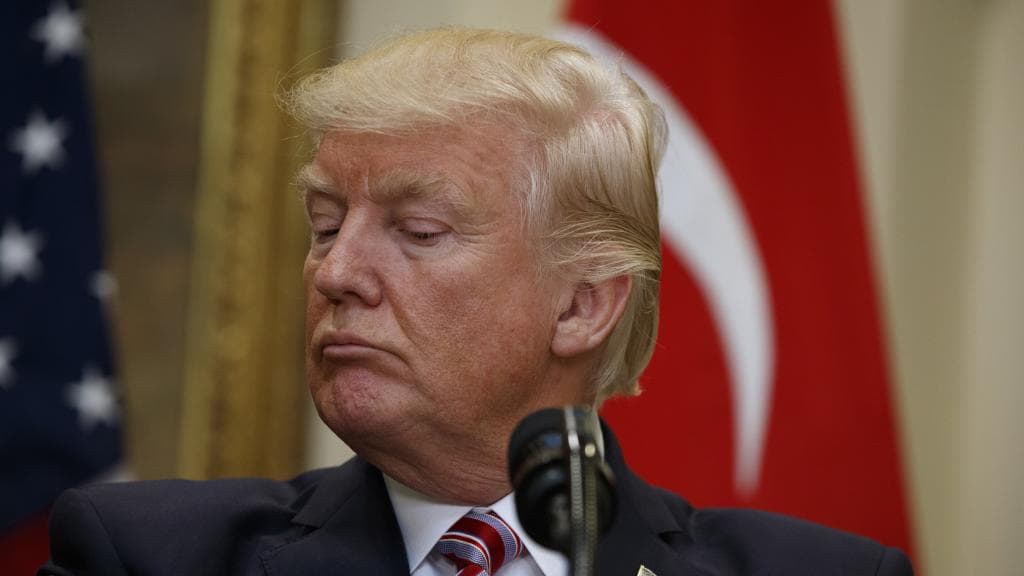
It’s impossible to get into Trump’s head but what comes out of his mouth are racist remarks. But, saddest of all are the millions who tolerate his views, cheer him on and emulate his behavior.

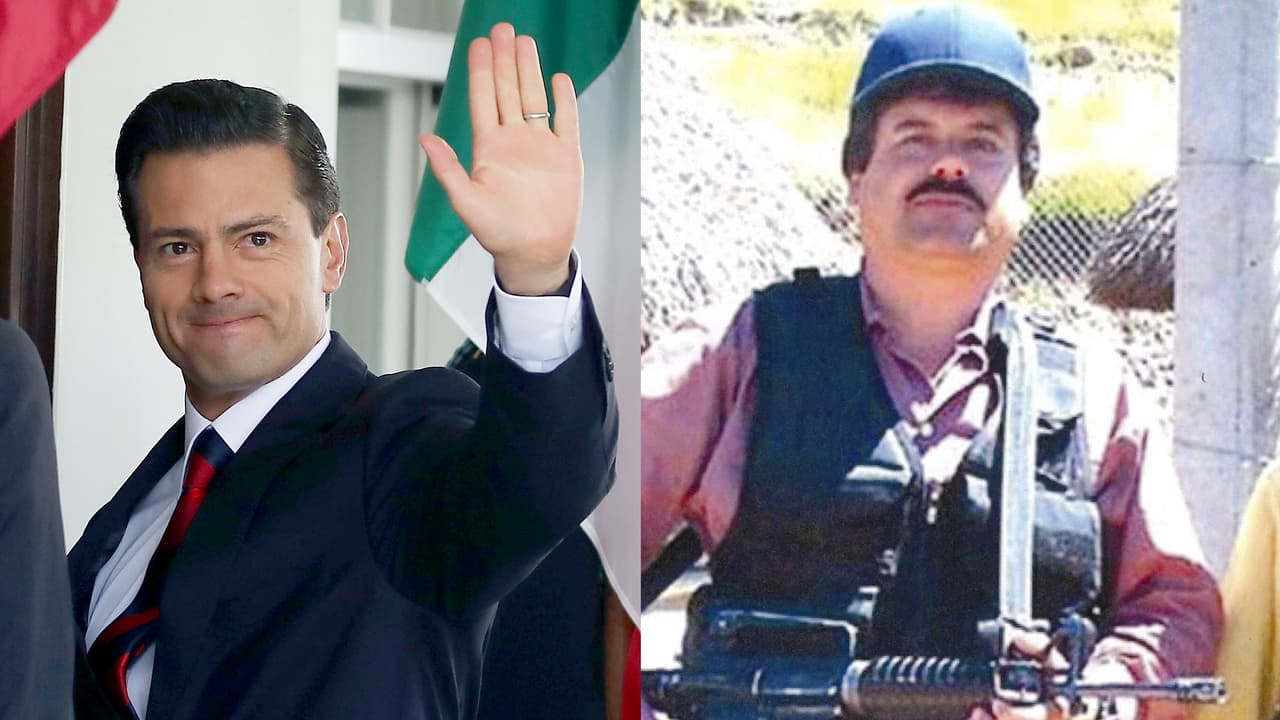
The time is well past due for the U.S. government to conduct a thorough review of leaders and their senior colleagues before they leave office to determine if they merit visas.
As a child, I used to imagine what my life would be as an adult, I would go to college, become Dr. Pacheco, have a career, buy a house, and build a family of my own. I've worked hard to achieve those goals, sometimes working twice as hard than others. But being an undocumented immigrant in the U.S., hard work does not mean equal success. Though I graduated in the top 3% of my class, I couldn’t receive the merit scholarships I had earned. Nor was I able to apply for financial aid, grants or loans, I was on my own. I went to college as an international student, though I had studied and lived in the U.S since the third grade. Buying this home brings me closer to achieving all my life long goals.
DACA leveled the playing field for me, and, as a result, I am able to contribute more to the U.S. economy. As a woman, and an immigrant, I feel proud when I do my taxes. Yes, I sometimes grumble when I see how much of my hard earned money goes toward the IRS, but I am reminded and thankful that this money is going to pay for the social security benefits of our country’s rapidly retiring baby boomers, toward our young people’s education, and other important social programs. My heart warms at the thought of painting my new home walls with my husband. I will set roots in this new home with my future children. They will run around the house, and they will most likely color the walls with Sharpie markers, the same walls my husband and I spent a few years back painting.
One-sixth of all economic activity in the United States is made up by the housing industry. You don't have to be an economist to understand that immigrants buying homes, paying taxes, and being successful are good for the economy. After the housing market took a hit during the Great Recession, neighborhoods began to deteriorate as foreclosed homes sat empty without any buyers. According to Pew, unauthorized immigrants make up more than five percent of the U.S. labor force. This works force generates nearly $12 billion each year in state and local tax revenue. Immigrants don't just build homes; they live in them too. Perhaps, if states like Texas and Florida wanted to accelerate the housing recovery or help their state increase the number of people who can buy houses, they should allow the DACA extension and DAPA programs to move forward. A recent report from the Institute on Taxation and Economic Policy (ITEP) found that if the Supreme Court unfreezes the immigration executive action policies, state and local tax coffers would increase by an additional $805 million each year.
While the benefits I and more than 700,000 people with DACA have been given are temporary and partial, they have been crucial to our personal and community development. I look forward to seeing the Supreme Court side with the American people and the U.S.’s best interest by allowing the expansion of DACA and the parents of U.S. citizen and resident children to apply for these programs. Furthermore, we look to the leaders of this nation to put divisive politics aside and once and for all see the tremendous economic gains of bringing 11 million immigrants into the light.
Disclaimer: We selected this Op-Ed to be published in our opinion section as a contribution to public debate. The views and opinions expressed in this column are those of its author(s) and/or the organization(s) they represent and do not reflect the views or the editorial line of Univision Noticias.