
On March 29, the Venezuelan Supreme Court effectively shut down Congress, the only key government institution that remained independent of executive control, making the incredible announcement that it would assume all legislative powers itself or choose some other institution to delegate them to. This ruling is the end of Maduro administration’s façade of democracy.
Venezuela’s crumbling façade of democracy
For years, Venezuela has been run by a government with a deplorable human rights record that has taken advantage of a tremendous concentration of power to gradually erode human rights guarantees and checks on its own power. But Wednesday's Supreme Court ruling to shutter Congress is a turning point.

Venezuela’s President Nicolas Maduro speaks with first lady Cilia Flores as they arrive to the Supreme Court, before delivering his state of the union address, in Caracas, Venezuela.
Imagen AP
This was not an isolated event that occurred out of the blue. Over the years the Maduro administration has steadily and very deliberately rolled back checks on its own power while running roughshod over Venezuelans’ fundamental human rights.
Holding periodic, free, and fair elections. The National Electoral Council—with its majority of government supporters—has deliberately stalled a recall referendum on President Nicolás Maduro. It has not organized municipal and state governor elections that, under the Constitution, were supposed to take place in 2016.
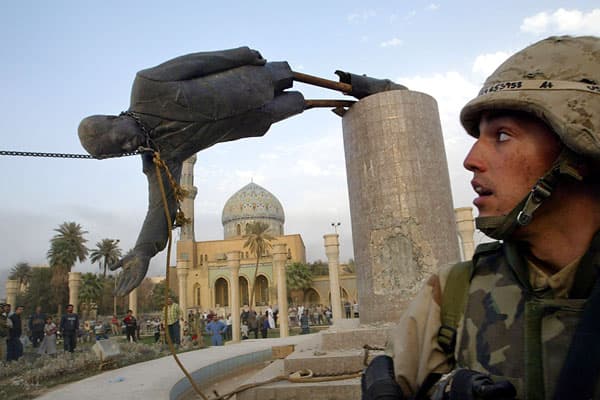
Despite a near universal desire for an end to Venezuela’s manmade disaster, sending in U.S forces to take out the Maduro regime would be counter-productive. It should be categorically rejected by interim president Juan Guaidó, not to mention the Trump administration.
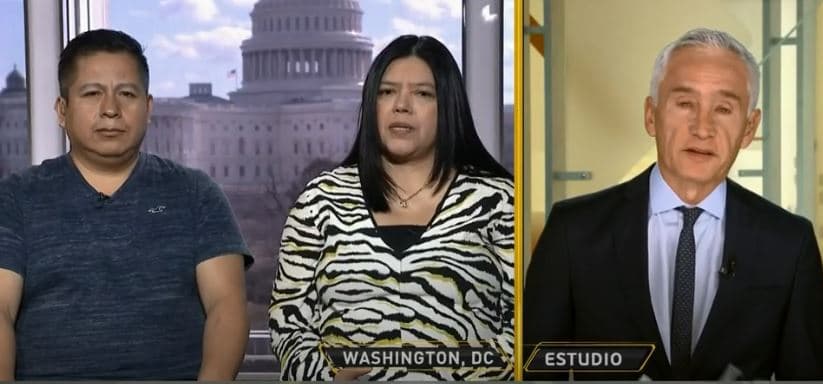
The firing of undocumented workers at Trump's golf clubs just shows how the practice of employing immigrants without legal work papers is much more common than we might imagine. Such is life in the United States.
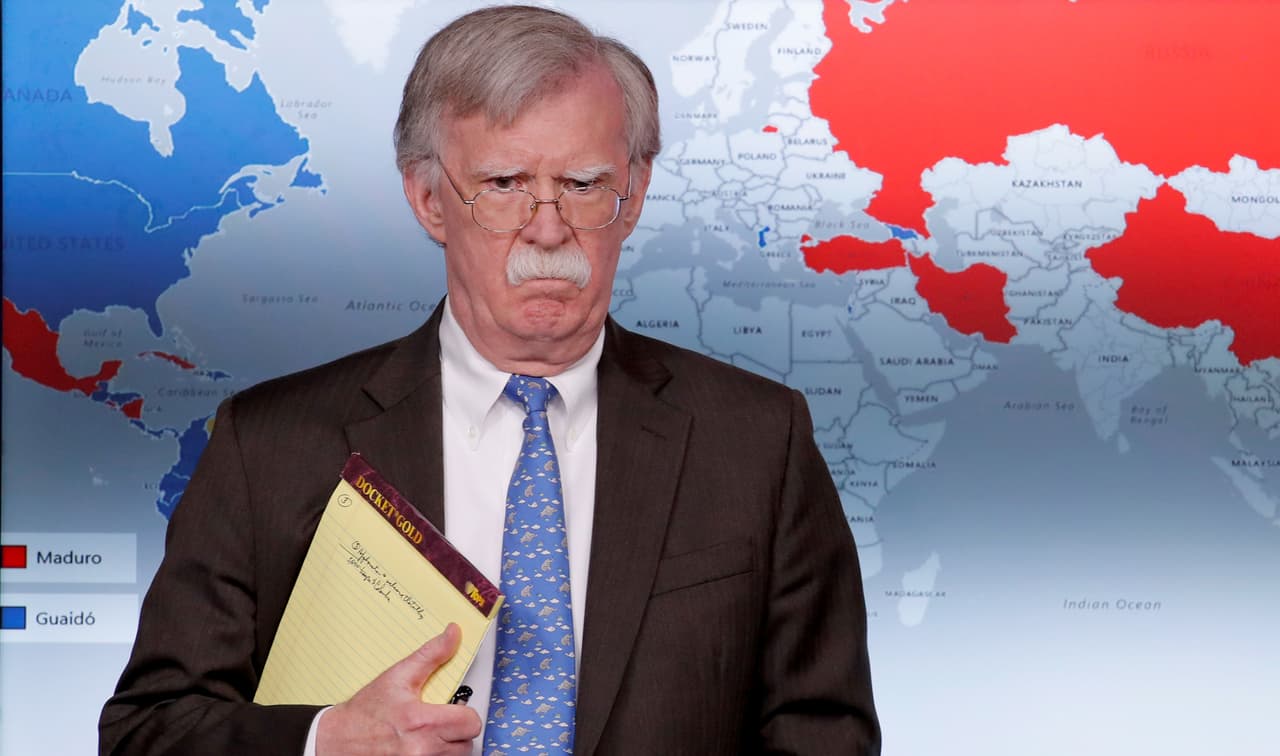
The Trump administration should be wary of fueling fake news predictions about an imminent American invasion which unrealistically raises expectations about Maduro's removal.
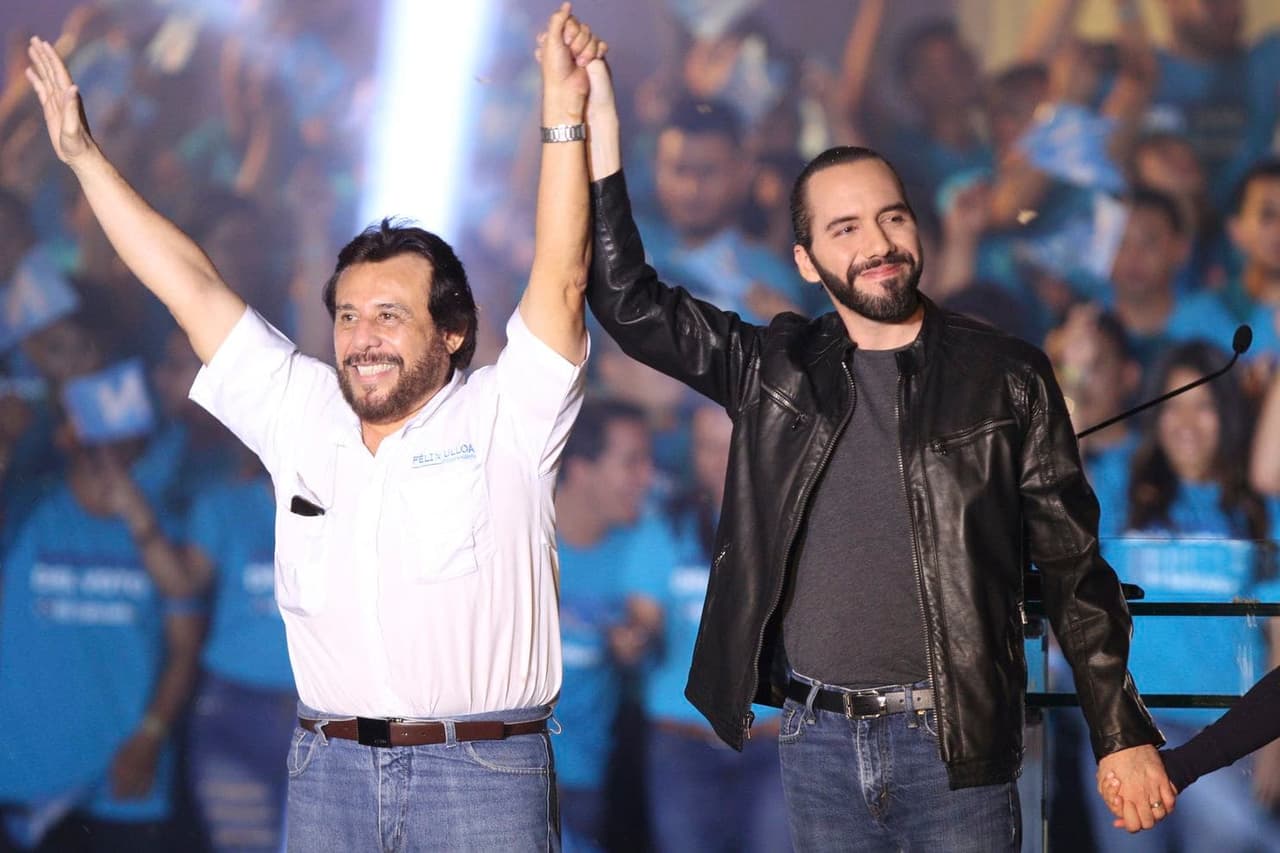
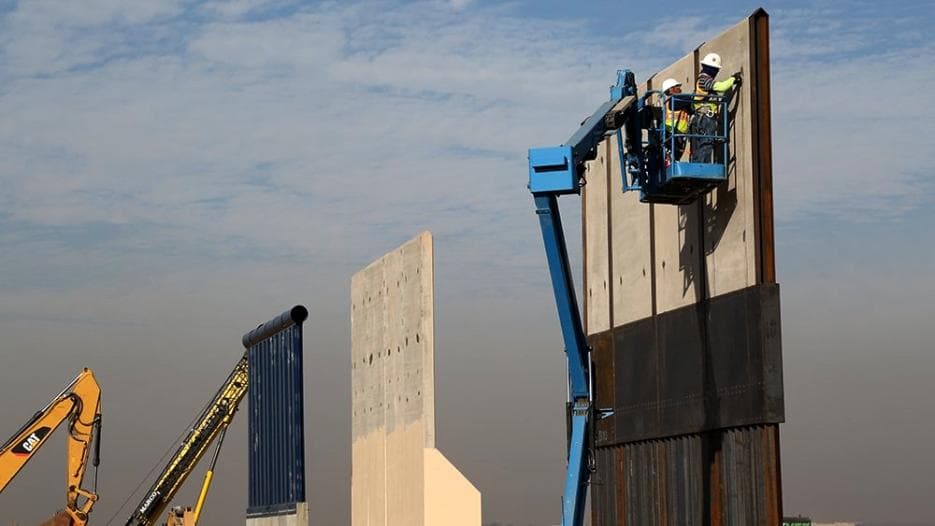
At some point we will have to accept the fact that the border between Mexico and the United States is nothing more than an invention.

The United States has had a major role in the evolving drama of the fight for democracy in Venezuela and Nicaragua. And so far, it’s been surprisingly coordinated, a veritable model of multilateralism.
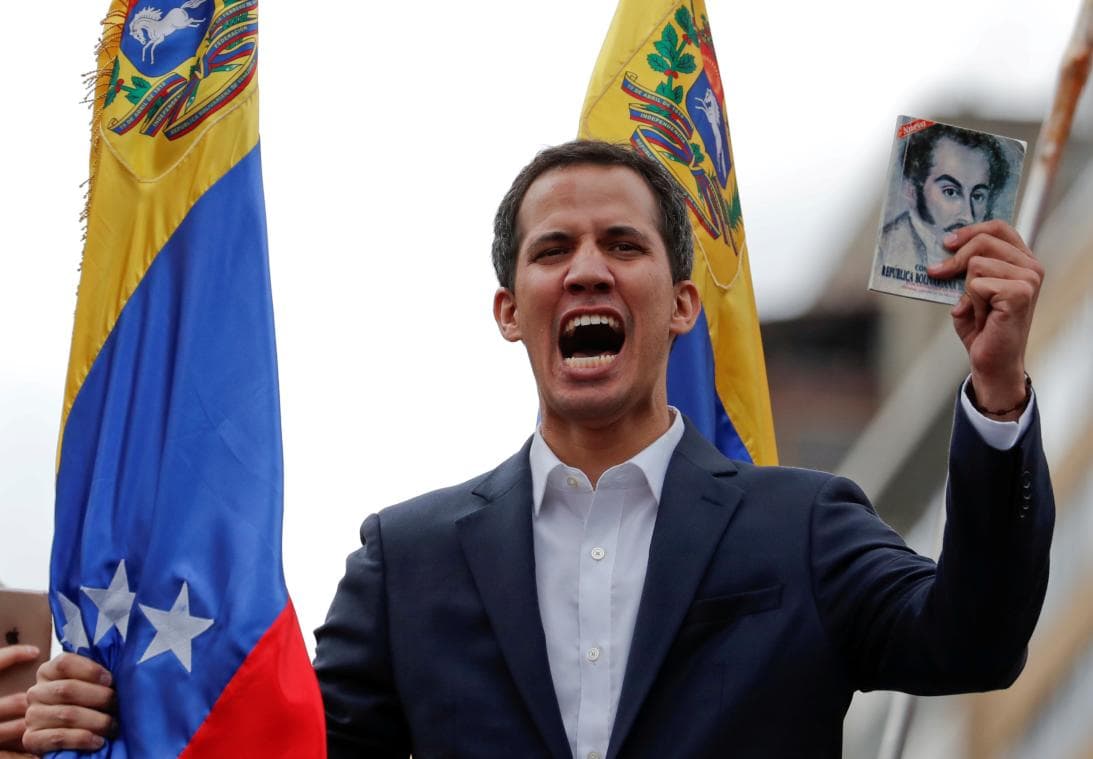
Has the Maduro regime reached breaking point? It remains hard to say, but tomorrow is another - more hopeful - day for the restoration of democracy in the South American nation.
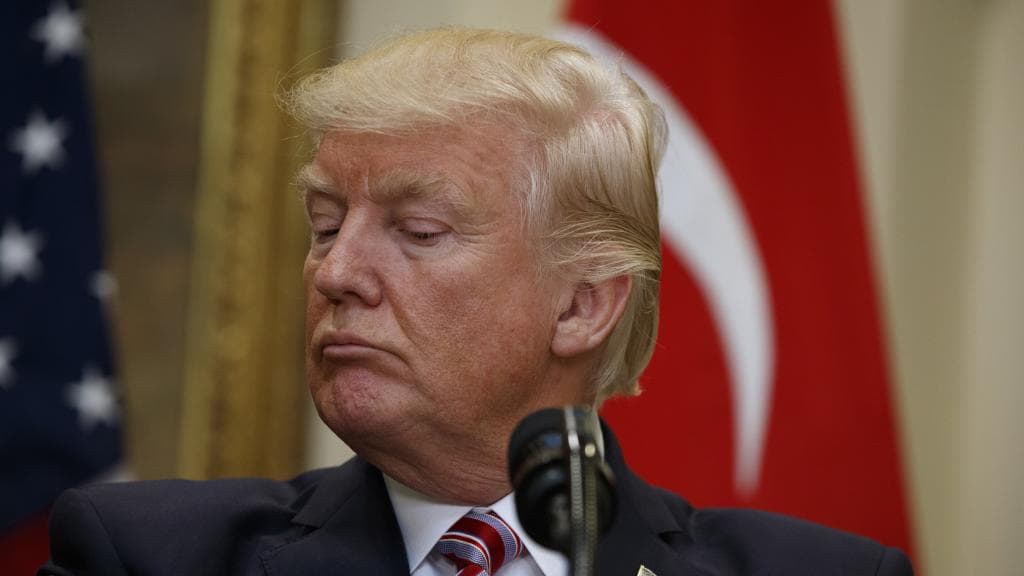
It’s impossible to get into Trump’s head but what comes out of his mouth are racist remarks. But, saddest of all are the millions who tolerate his views, cheer him on and emulate his behavior.
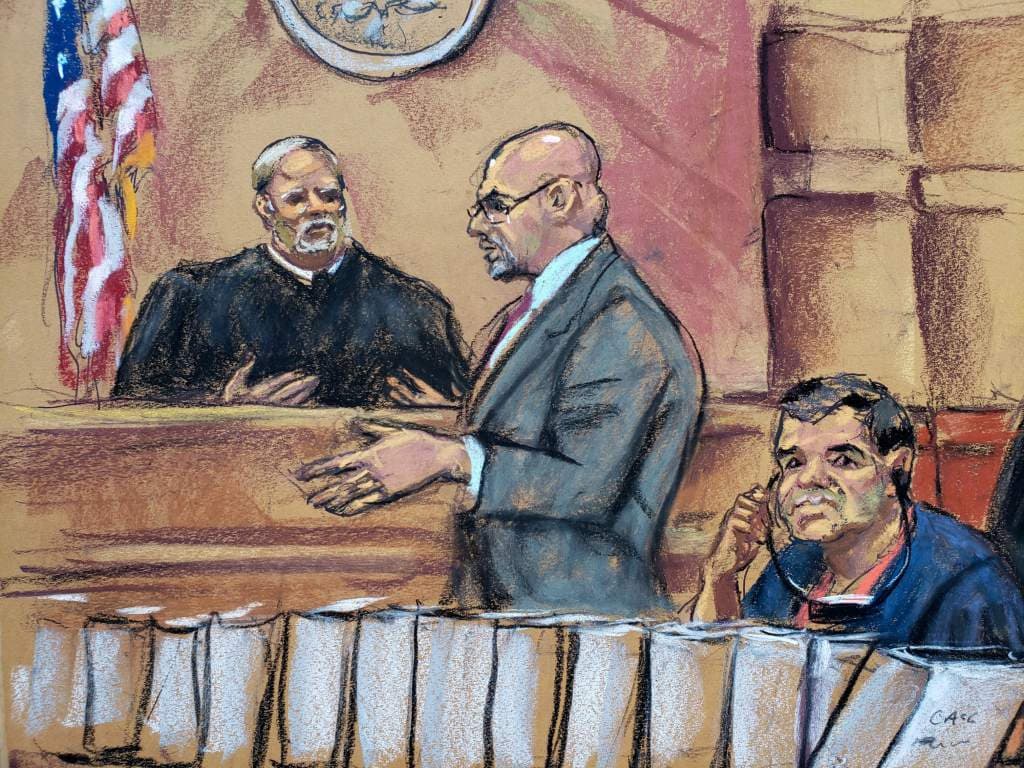
The time is well past due for the U.S. government to conduct a thorough review of leaders and their senior colleagues before they leave office to determine if they merit visas.
Separation of powers. None of Venezuela’s government institutions have maintained any ability to act as a check on executive power. Former president Hugo Chávez took over the Supreme Court in 2004, and both Chávez and Maduro have re-packed it since then, destroying its watchdog function. Since Venezuelans overwhelmingly gave the opposition a majority in the National Assembly in 2015, President Maduro has used the court to undermine it. After months in which the court nullified every law that threatened the government’s interests, it declared that Congress was in contempt of the court’s decisions and took over all legislative functions, effectively shutting down the legislature.
Repression of Political Opponents and Critics. The Venezuelan Penal Forum, a non-profit group that provides legal counsel to detainees, counts more than 100 political prisoners, including Leopoldo López , an opposition leader who has been behind bars for over three years. Some political prisoners were arrested on the basis of information provided by anonymous “patriotic” informants. The government has been using its intelligence services to detain and prosecute political opponents and critics.
But the Supreme Court ruled that opposition legislators’ support for the ongoing debate at the Organization of American States (OAS) on the Venezuela crisis may constitute treason and warned that the lawmakers responsible would not have parliamentary immunity.
Notas Relacionadas
Univision correspondent assaulted in Venezuela as political crisis deepens
Univision News
2 min
Respect for freedom of expression. Very few independent media outlets remain. Security forces have detained and interrogated journalists and confiscated their equipment. International journalists have been stopped from entering the country to cover the crisis, or detained for doing so. News channels have been forced off the air. The government has adopted measures to restrict international funding of non-profit organizations whose work exposes abuses—on the unsubstantiated grounds that they undermine Venezuelan democracy. Ordinary citizens who criticized the government have been criminally prosecuted. The media have reported that hundreds of people were fired from government jobs for supporting the recall referendum.
Respect for other civil and political rights.Venezuelan security forces have repeatedly used brutal force against bystanders and demonstrators at anti-government protests. In some cases, they have used torture. A series of police and military raids in 2015 in low-income and immigrant communities has led to widespread allegations of abuse: extrajudicial executions, mass detentions, arbitrary deportations and evictions, and the bulldozing of homes.
Respect for economic, social, and cultural rights. Venezuela is facing a dramatic humanitarian crisis. Severe shortages of medicine, medical supplies, and food have undermined the ability of many Venezuelans to get adequate nutrition and health care. The government has denied that the crisis exists, failed to alleviate the shortages, and made only limited efforts to obtain readily available international humanitarian assistance.
For years, Venezuela has been run by a government with a deplorable human rights record that has taken advantage of a tremendous concentration of power to gradually erode human rights guarantees and checks on its own power. The latest Supreme Court ruling is a turning point. Faced with something that looks more and more like a full-fledged dictatorship, the international community should react—strong and decisive multilateral pressure on the Maduro administration is more important and urgent than ever.
Jose Miguel Vivanco is Americas director at Human Rights Watch.
Relacionados: