
Venezuela is a disaster. Its democracy is broken and its economy is in ruins. The social fabric is being torn apart, and its national identity is up for grabs. People are going hungry and institutions are going to pot. The country is increasingly isolated and has all but exhausted its supply of medicine, food, money, and friends. Venezuela is so close to the maw of the abyss, it can feel its hot breath.
What is to be done about Venezuela?
Venezuela is a dying star, and if it explodes in a supernova, it'll be everyone's mess to clean. So it's in everyone's interest to make sure that doesn't happen. But is there any hope for dialogue with Venezuela's intransigent rulers.

Imagen Marco Bello/Reuters
Unfortunately, the situation could still get much worse. Problems of this magnitude often do, especially when they've got years of momentum. That's Newton's first law of motion.
There are no easy fixes for Venezuela. Pundits who tweet 140-character solutions or helpful listicles promising "5 steps to fix Venezuela" can be safely ignored. Any attempt to oversimplify the problem is an insult to the countless Venezuelans who have taken to the streets to push back against a repressive regime, as well as those who have been jailed or killed trying.
Still, something must be done about Venezuela. The difficulty of the country's problems is no excuse for inaction. Something's gotta give.
But the first step to finding a solution is deciding who should be involved in that process.
China thinks Venezuela should go it alone, and that everyone else should butt out. China is wrong. Venezuela is already everyone's problem. Venezuelans have been fleeing their country in all directions for years, and Maduro's dysfunction and brutality are putting a serious strain on neighborhood relations. Venezuela is a dying star, and if it explodes in a supernova, it'll be everyone's mess to clean. So it's in everyone's interest to make sure that doesn't happen.
And Venezuela clearly needs all the help it can get. The country has been trying for years to find a path out of the forest through elections, dialogue, protest marches, referendums, hashtags, and most recently, an officialist constituent assembly. But Venezuela's problems are like Chinese handcuffs—the more the country struggles to wrest free, the tighter it gets pulled in.
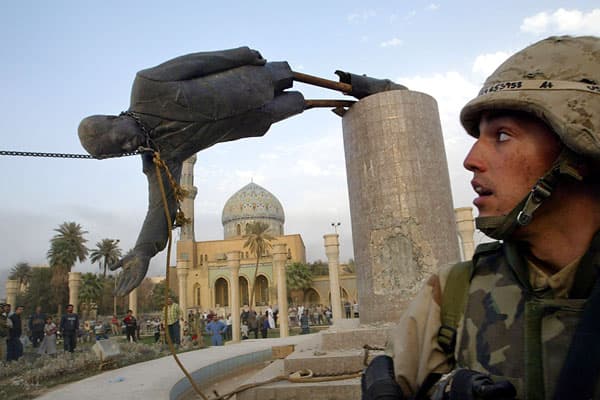
Despite a near universal desire for an end to Venezuela’s manmade disaster, sending in U.S forces to take out the Maduro regime would be counter-productive. It should be categorically rejected by interim president Juan Guaidó, not to mention the Trump administration.
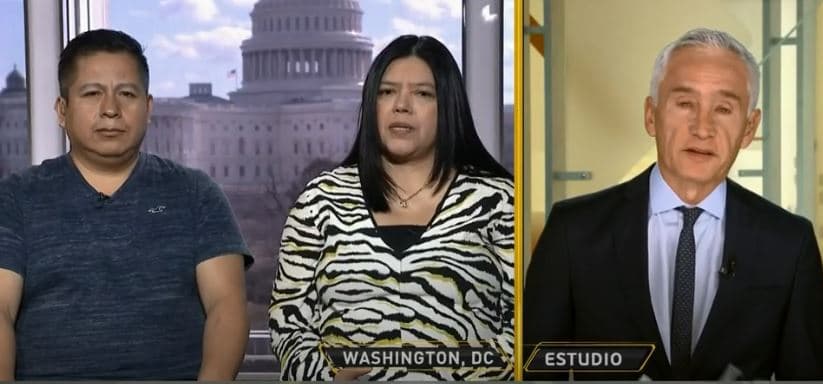
The firing of undocumented workers at Trump's golf clubs just shows how the practice of employing immigrants without legal work papers is much more common than we might imagine. Such is life in the United States.
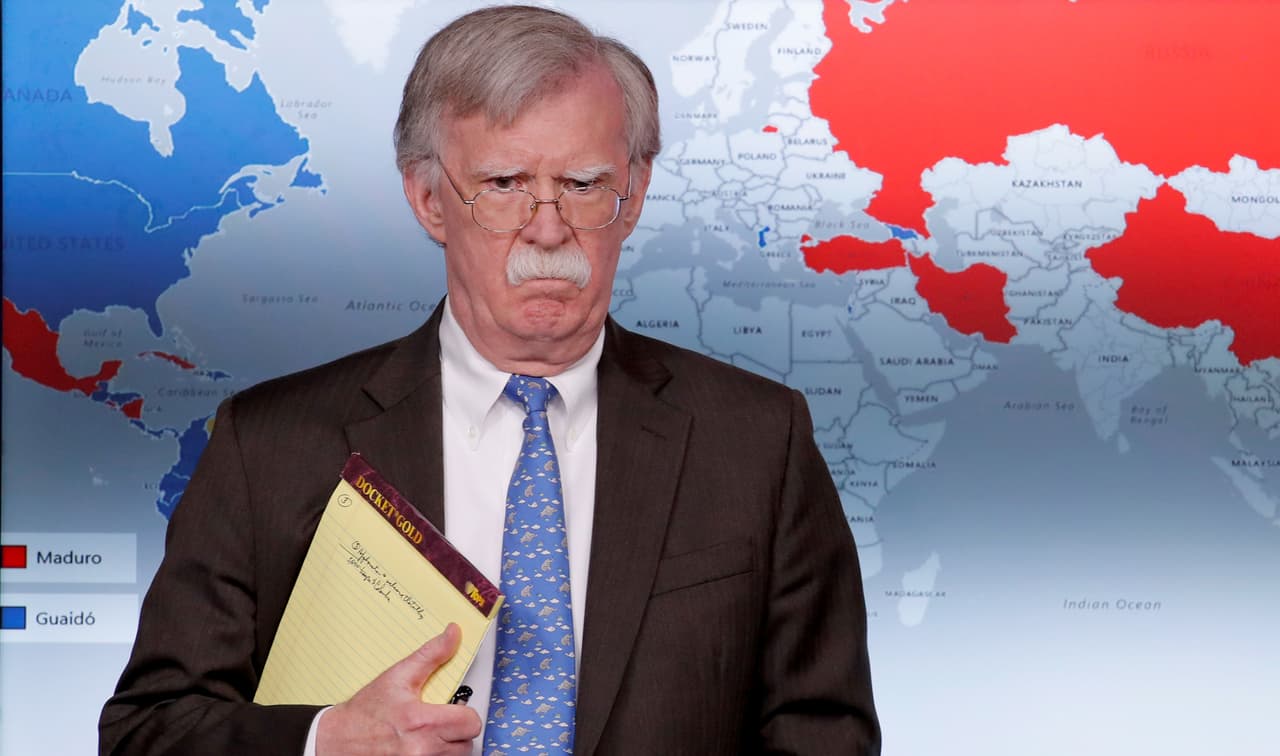
The Trump administration should be wary of fueling fake news predictions about an imminent American invasion which unrealistically raises expectations about Maduro's removal.
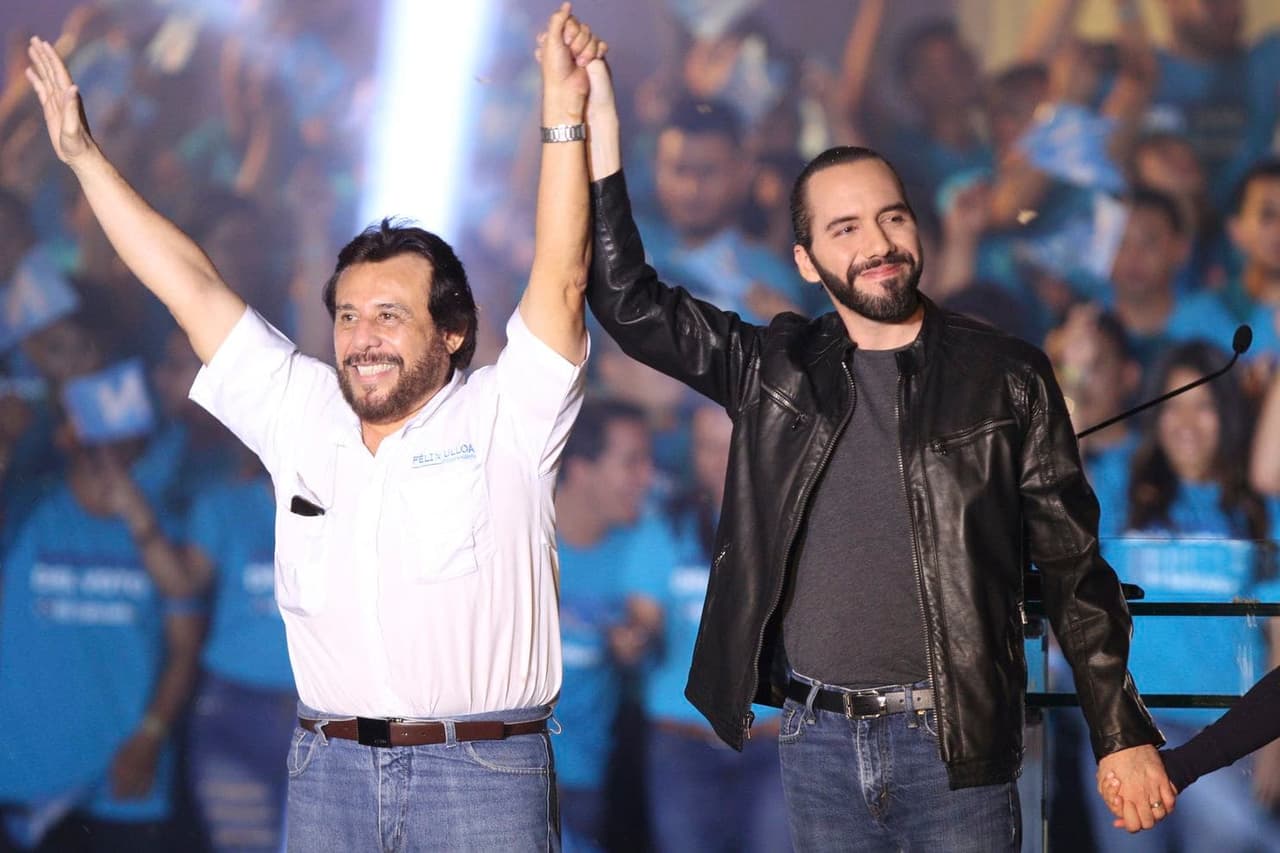
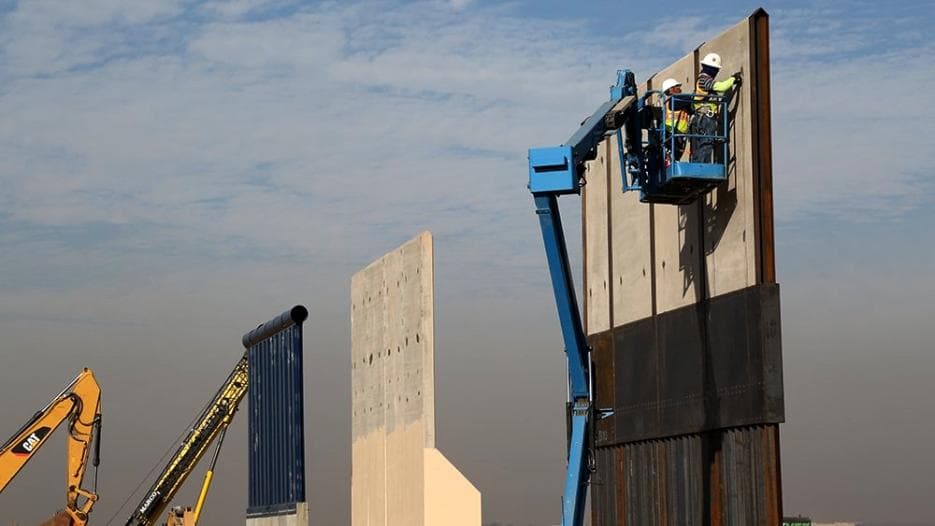
At some point we will have to accept the fact that the border between Mexico and the United States is nothing more than an invention.

The United States has had a major role in the evolving drama of the fight for democracy in Venezuela and Nicaragua. And so far, it’s been surprisingly coordinated, a veritable model of multilateralism.
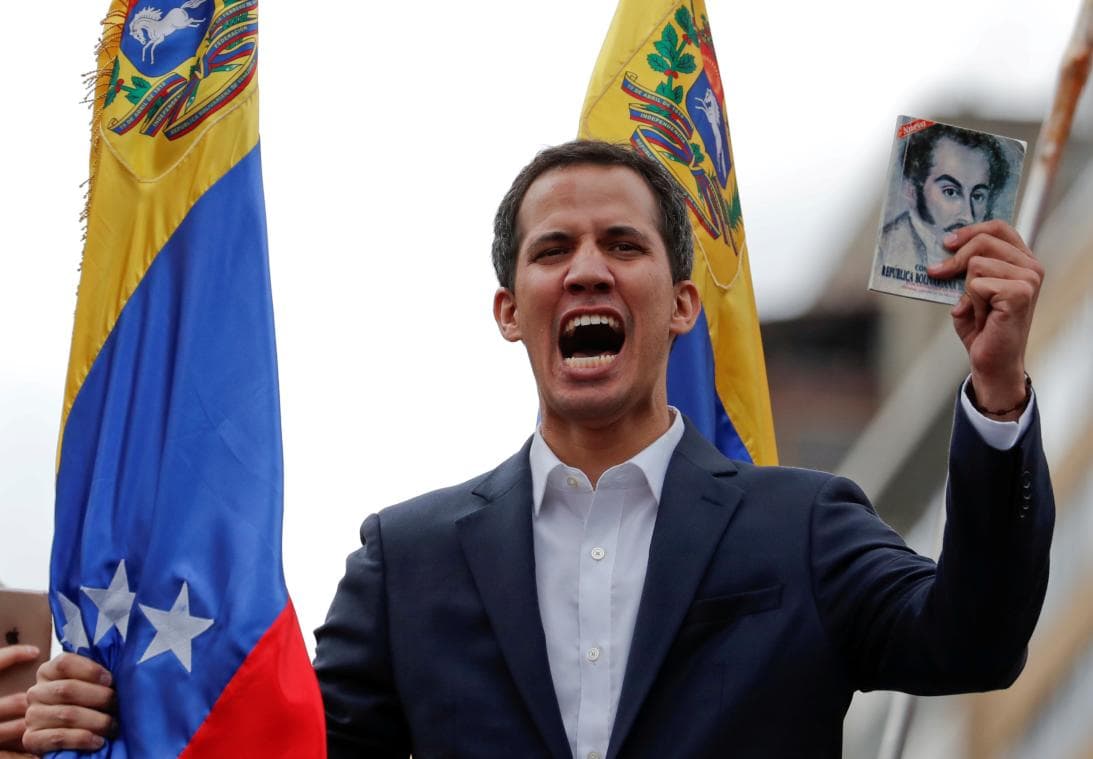
Has the Maduro regime reached breaking point? It remains hard to say, but tomorrow is another - more hopeful - day for the restoration of democracy in the South American nation.
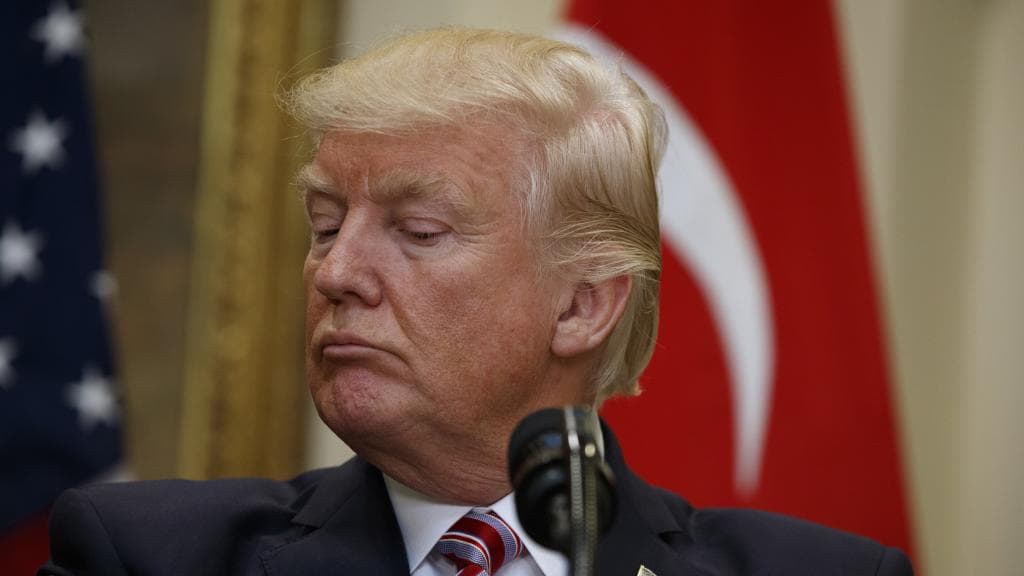
It’s impossible to get into Trump’s head but what comes out of his mouth are racist remarks. But, saddest of all are the millions who tolerate his views, cheer him on and emulate his behavior.
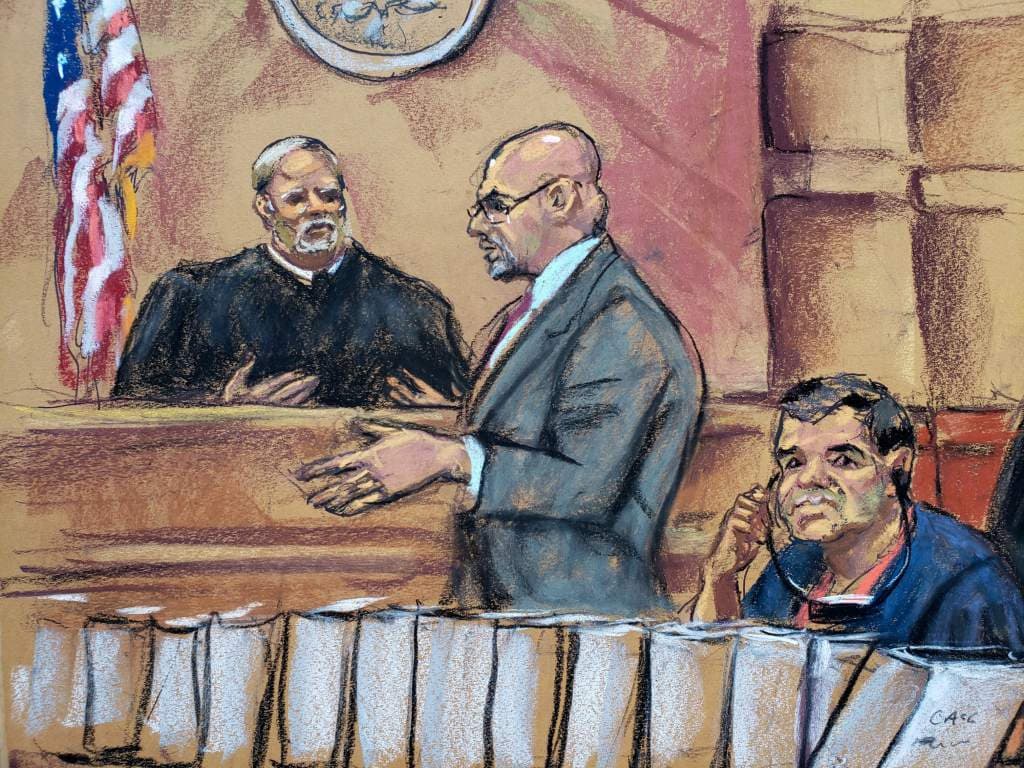
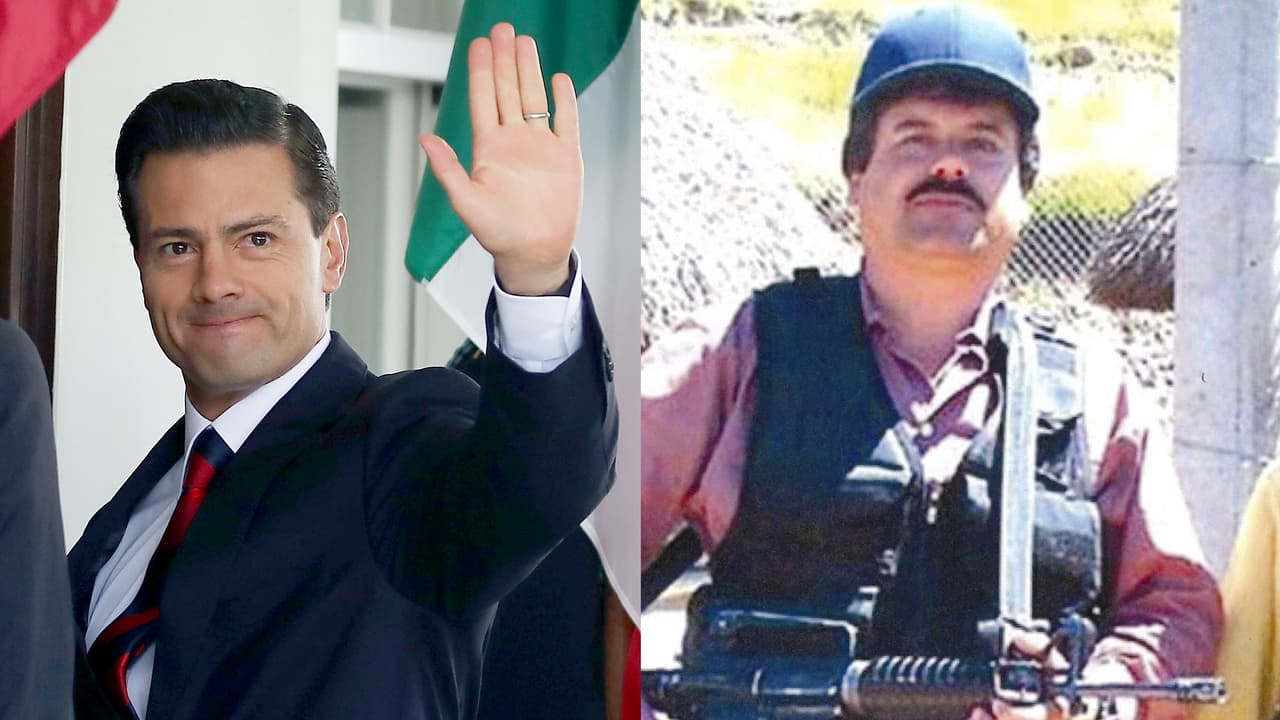
The time is well past due for the U.S. government to conduct a thorough review of leaders and their senior colleagues before they leave office to determine if they merit visas.
Latin America, which is always leery of interventionism, has been slow to act. Former President Hugo Chávez's petrodollars bought his country a long leash, and his charismatic antagonism towards the United States was a guilty pleasure to many Latin Americans who didn't dare utter similar provocations. But that was then, and this is now. Maduro is a weak substitute who seemed destined to fail; he would have found a way to blow it even if world oil prices hadn't tanked.
Maduro's grip on the situation became even more tenuous after the international community rejected his government's efforts to rewrite Venezuela's constitution. The U.S. responded by slapping more individual sanctions on corrupt Venezuelan officials. Meanwhile, 13 countries from across the hemisphere (minus the U.S.) signed the "Lima Declaration," which denounces the rupture of democracy in Venezuela and refuses to recognize the legitimacy of Maduro's new constitutional assembly.
That's like if all your neighbors signed a petition warning you that they will no longer recognize the legitimacy of your property title if you continue making home renovations. Needless to say, it's going to make for some awkward moments at the next neighborhood cookout.
Maduro responded immediately to the Lima Declaration by calling for a new "dialogue of respect for Venezuela" among his ALBA allies and four of the declaration's signatories: Mexico, Colombia, Peru and Argentina. Maduro's proposal is essentially to create a smaller Latin American focus group to counter what he calls the "failed efforts" of the Organization of American States (OAS), an organization the Venezuelan government considers a Trojan Horse for U.S. interests.
At first blush, Maduro's call for new talks looks like a terrible idea from a desperate man. Maduro has repeatedly proven himself to be an intransigent and cynical negotiator who uses talks to buy time and divide opponents.
There's little reason to think that a new dialogue would be any different, says Latin America analyst Eric Farnsworth of the Council of the Americas. Farnsworth believes the Maduro regime would only negotiate in good faith if its survival were really on the line, and right now the stakes in Venezuela probably aren't high enough.
But despite the skepticism, some analysts think new talks might be the best of several bad options.
Farnsworth says if Mexico, Colombia, Peru, and Argentina accept Maduro's proposal and enter talks with a realistic agenda, a clear list of deliverables, and a series of pre-conditions to make sure Maduro isn't wasting everyone's time, the talks might just be Latin America's best chance to negotiate a homegrown solution to the Venezuela problem.
Best case scenario, the talks could take an unexpected turn and produce a roadmap back to democracy—a type of modern-day Esquipulas peace accords, Central America's remarkable effort to bring an end to the war in Nicaragua in the 1980s. Worst case scenario, the Venezuela talks would quickly fall apart if Maduro is unwilling to compromise and only wants to grandstand on an international stage.
"Maduro’s call for a regional peace dialogue is hard to take seriously at this point, in light of his government’s massive crackdown and his failure to keep his word" in previous talks, says Michael Shifter, president of the Inter-American Dialogue.
Still, Shifter agrees it's worth a try because the alternative is bleak.
Without talks, there are several things that could happen in Venezuela, none of which are good:
- The constituent assembly writes a new constitution, expanding Maduro's authority. Protests continue, repression increases, the economic collapse deepens, the crisis worsens.
- The constitutional assembly tries to gain international legitimacy by removing Maduro from office and appointing a new Chavista hardliner as temporary president. It backfires. The government is less legitimate than ever, protests escalate, repression increases, Venezuela falls into the abyss and can't pull itself out.
- The Venezuelan military pulls a "Honduras" by ousting the president in a last-ditch effort to save the constitution and restore order. The move backfires even more spectacularly than it did in Honduras, triggering a horrible cycle of violence. The country falls apart.
That's not an exhaustive list of hypothetical scenarios, but before imagining other terrible outcomes for Venezuela, it's probably worth giving some serious consideration to Maduro's call for talks. It might only look like a good option in comparison to the terrible alternatives, but in realpolitik, that's all that matters.
"There is no guarantee that formula will work, but it’s worth a try," Shifter says. "It's surely preferable to other scenarios that could well bring significant levels of violence and lawlessness."
Relacionados: