For almost six decades the United States has attempted to manufacture change in Cuba (and other Latin American countries) through invasion, assassination, and economic strangulation. We should not waiver now from championing and exporting our ideals and principles through peaceful means.
U.S. needs 21st century policies to build democracy in Cuba
President Obama showed the way by restoring diplomatic relations with Cuba, but more needs to be done to keep the process of normalization moving forward.
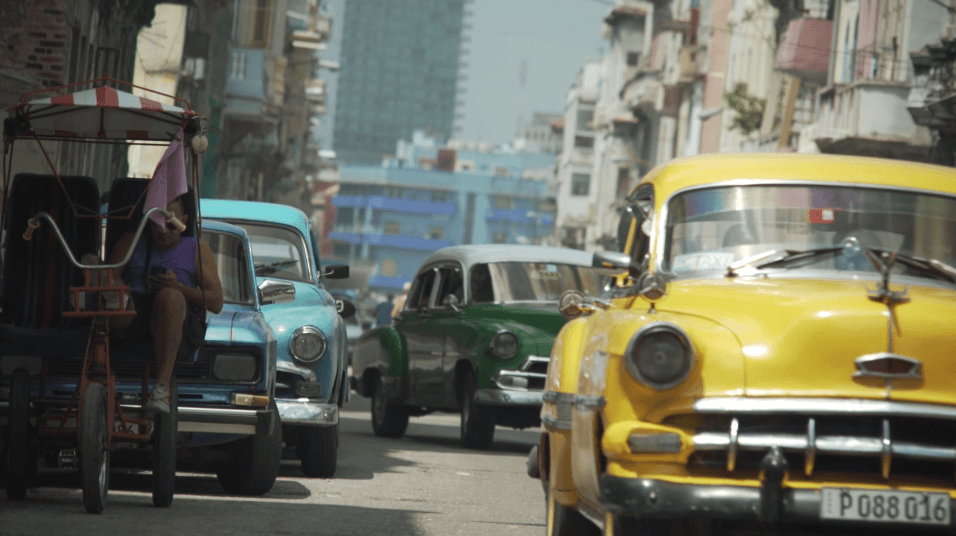
American classic cars still dominate the streets of Havana long after they disappeared from roads elsewhere.
Imagen Pablo Cozzaglio/Univision
President Barack Obama’s Cuba overtures which led to the historic restoration of diplomatic relations last year, must continue – and go even further. We should implement policies that open up Cuba to the 21st century, which is imperative if we have any interest in democracy flourishing there.
Improving relations with Cuba will only increase the presence of democratic principles and free market ideals. Without these inroads, Cuba will remain in 1959, and the United States will miss out on shaping a post-Castro Cuba.
My father's family left Cuba in 1955 shortly before the revolution and my mother's family came soon after in 1963. I was born and raised in Miami. My fervent belief in Cuba's right to self-determination is informed by watching my entire life go by and noting no change in Cuba - ever, just a mere continuation of worsening conditions for the people living there.
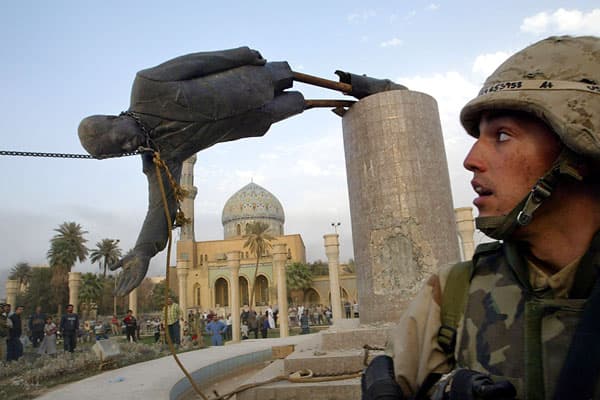
Despite a near universal desire for an end to Venezuela’s manmade disaster, sending in U.S forces to take out the Maduro regime would be counter-productive. It should be categorically rejected by interim president Juan Guaidó, not to mention the Trump administration.
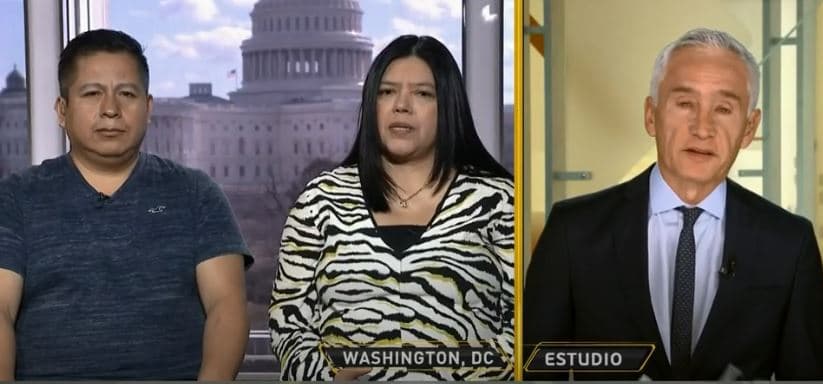
The firing of undocumented workers at Trump's golf clubs just shows how the practice of employing immigrants without legal work papers is much more common than we might imagine. Such is life in the United States.
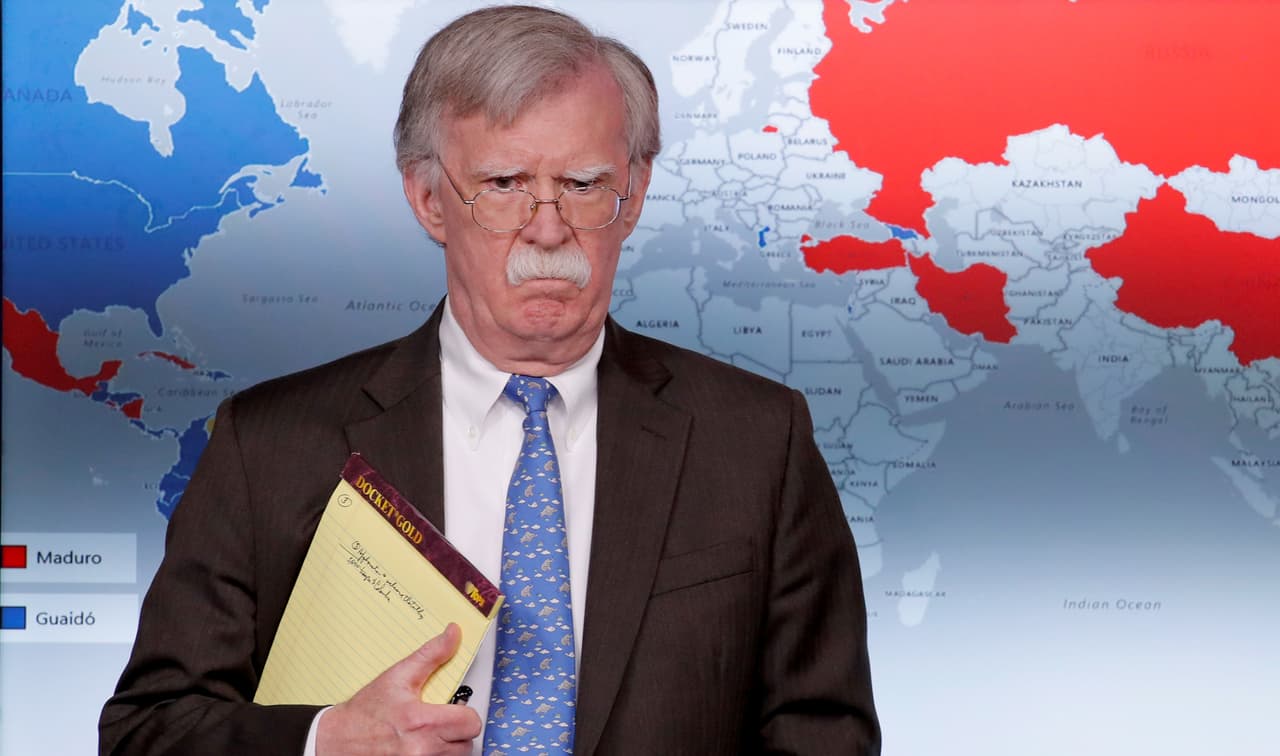
The Trump administration should be wary of fueling fake news predictions about an imminent American invasion which unrealistically raises expectations about Maduro's removal.
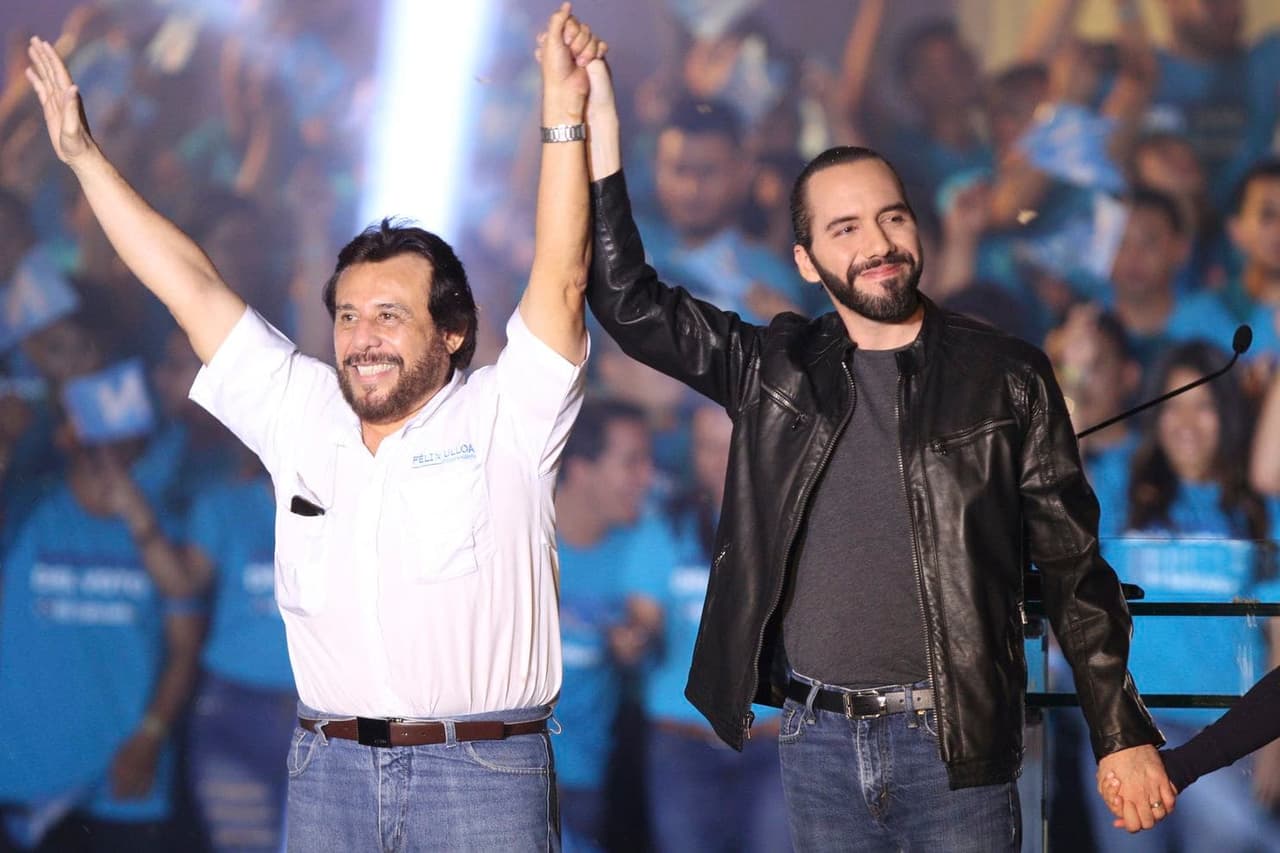
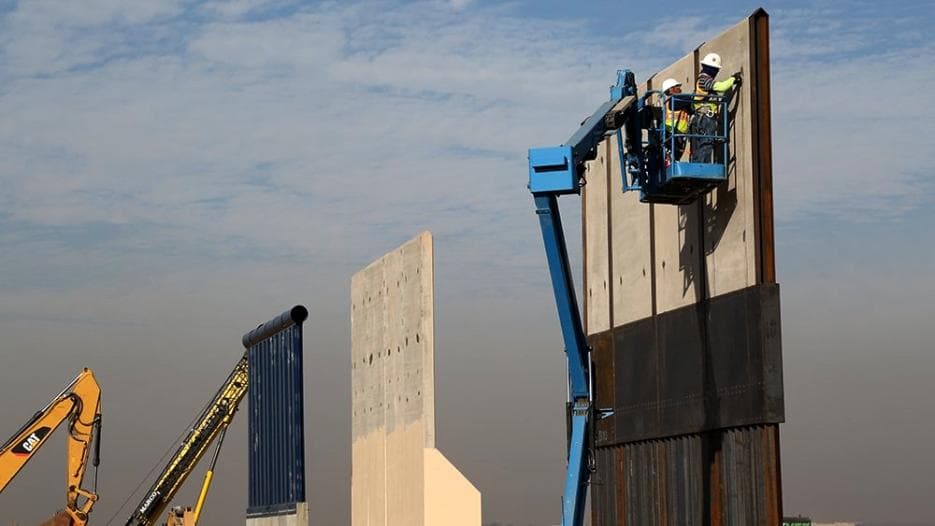
At some point we will have to accept the fact that the border between Mexico and the United States is nothing more than an invention.

The United States has had a major role in the evolving drama of the fight for democracy in Venezuela and Nicaragua. And so far, it’s been surprisingly coordinated, a veritable model of multilateralism.
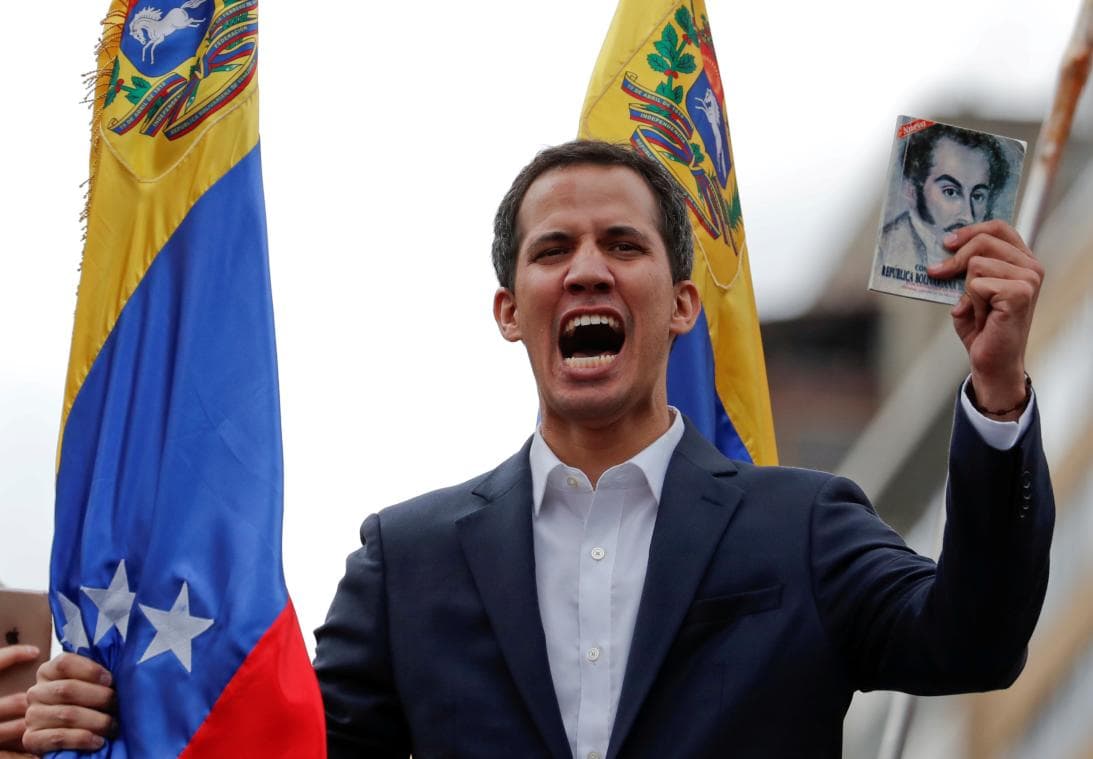
Has the Maduro regime reached breaking point? It remains hard to say, but tomorrow is another - more hopeful - day for the restoration of democracy in the South American nation.
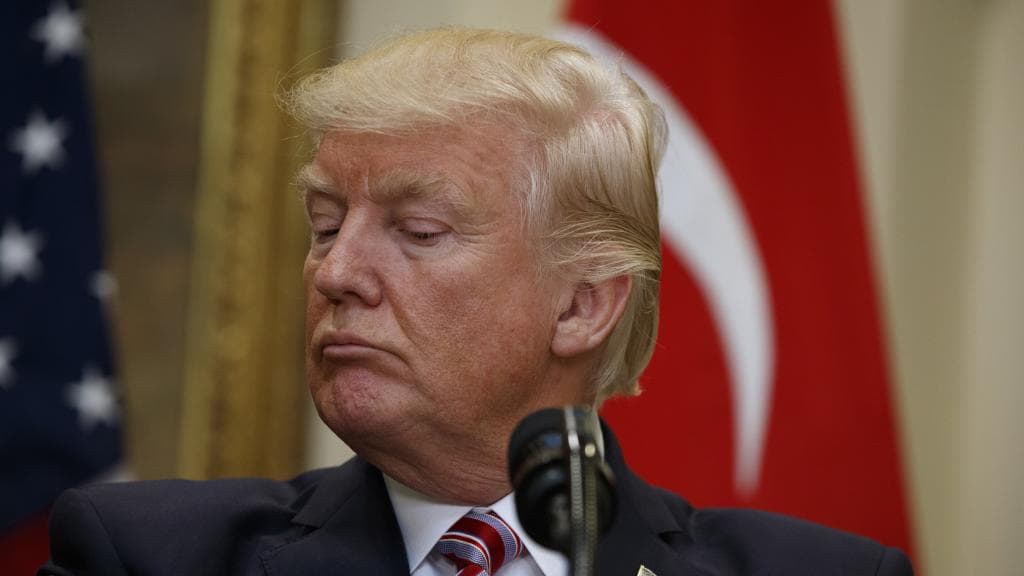
It’s impossible to get into Trump’s head but what comes out of his mouth are racist remarks. But, saddest of all are the millions who tolerate his views, cheer him on and emulate his behavior.
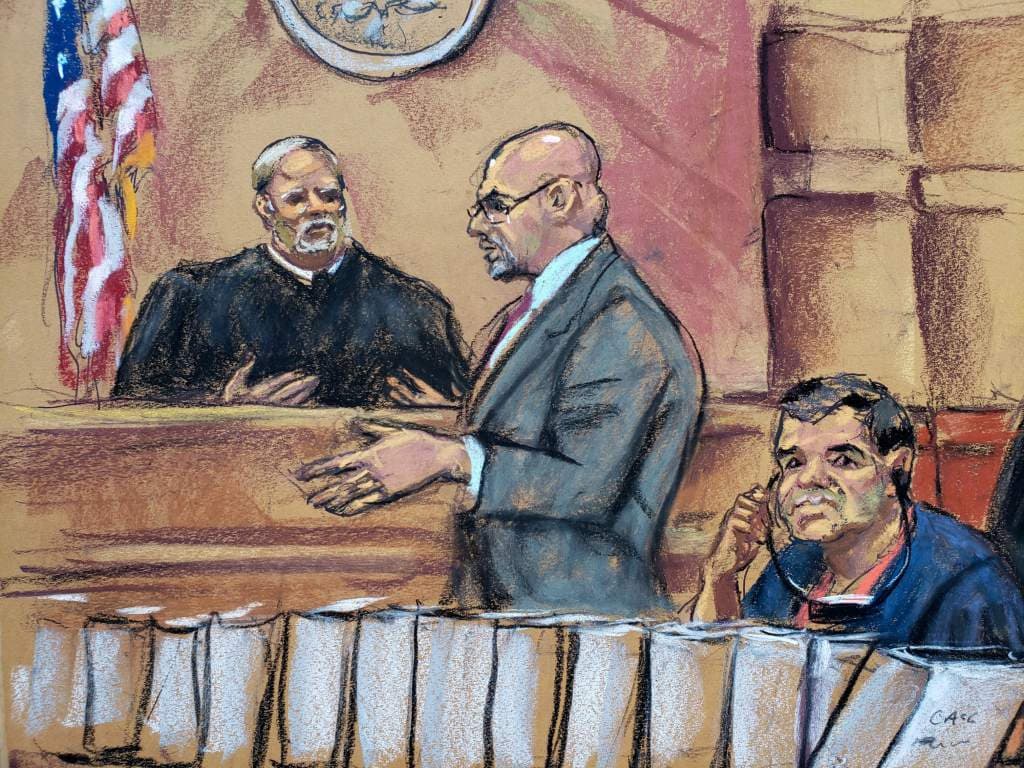
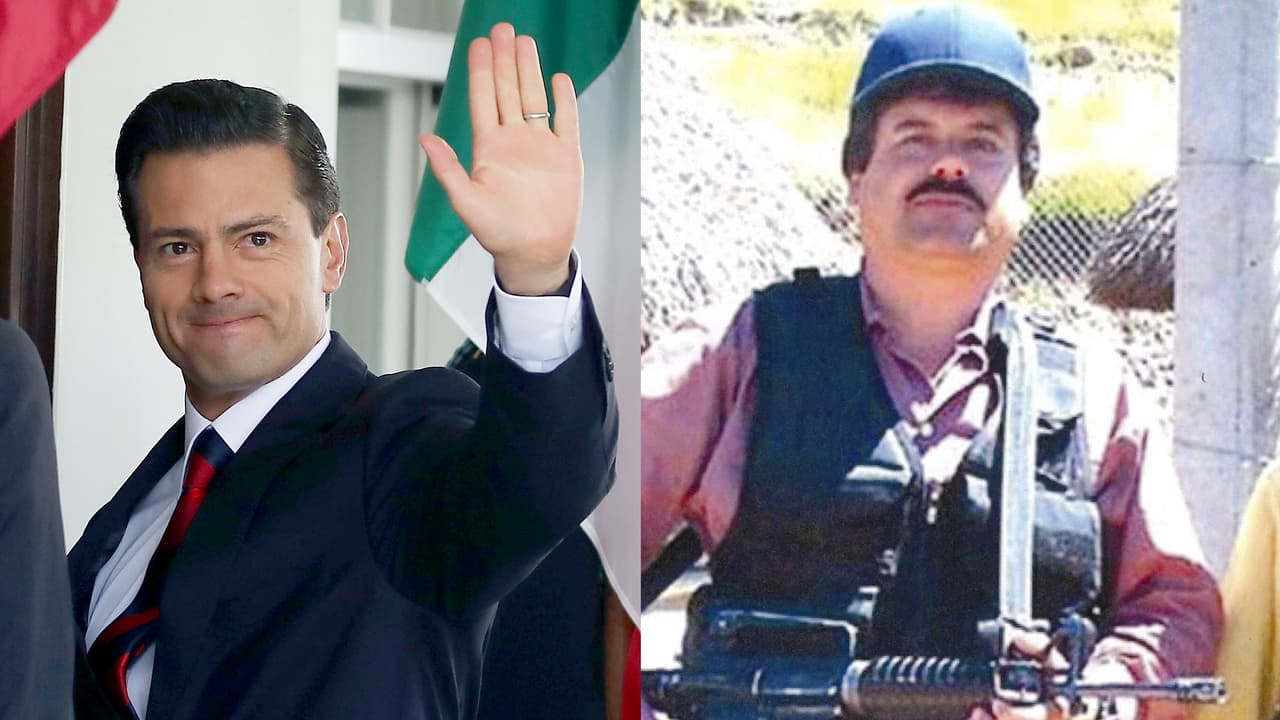
The time is well past due for the U.S. government to conduct a thorough review of leaders and their senior colleagues before they leave office to determine if they merit visas.
I truly believe in democracy and that the Cuban people deserve the same rights as I have, and in my commitment to these ideals, I am willing to adopt whatever measures are necessary to achieve these goals (within a peaceable framework, of course). In fact, in 2004, I drafted my Masters' thesis on lifting the Cuban trade embargo. I had prepared a White House Fellowship application in 2014 based on this idea, but then a few days before submitting the application, the President announced the historic changes.
Democracy demands that the United States use every policy prescription at its disposal to bring about change in Cuba. It is time to: 1) unilaterally lift the embargo; 2) develop and implement free-market policies to encourage investment and growth in Cuba; 3) lift all travel and remittance restrictions forthwith, and; 4) dramatically increase foreign aid and subsidies to Cuba.
More important than eliminating Cuba’s excuses for its systemic failure over 55 years, lifting the embargo will proliferate American ideas, capital, culture, and communications in Cuba at the grassroots level – where real change is the most necessary.
Contrary to what the critics say, a new approach to the democratization of Cuba is not a capitulation to a dictatorship. Rather, it is a redoubling of efforts to bring democracy there by alternate routes. Cuban-Americans know first-hand that economic opportunity empowers communities.
We should therefore embrace investments in telecommunications, goods, services, training programs, and capital improvement projects in Cuba by American companies because the investments can make a substantial impact on the economic well-being of the Cuban people, which will in turn spur greater, unrelenting demands on a collapsing system that is trapping their potential.
Moreover, individual rights gained through economic clout and entrepreneurship would be the ultimate comeuppance to the Cuban government because the economic successes of ordinary Cubans would prove an undeniable repudiation of failed Communist policies and economic theories.
Cuban-Americans marvel and take pride in the ability of ordinary Cubans to make the most out of daunting circumstances. We recount (and exaggerate) the skills of resourceful Cubans building carburetors with little more than a newspaper, a candle and an avocado.
By flooding Cuba with economic opportunities, we lift up ordinary Cubans – the ones who most need a voice and are making do with limited resources. That burgeoning economic and entrepreneurial class – over many years – will eventually have the means to chart the country’s course. Yet they need our sustained, unequivocal economic support now.
Change in Cuba – like any other place in the world – can only come from within, not from external economic chokeholds. Our ability to reach ordinary Cubans in person – on their terms, in their language, and in their land – will go much further than 20th century failed policies and coups.
In 2012, Alfred R. Fuente served as a Field Organizer for President Barack Obama's reelection campaign in Miami's Little Havana neighborhood. A Cuban American attorney in New York, he is currently volunteering for Hillary Clinton's campaign at its headquarters in Brooklyn.
Relacionados: