Almost ten months ago, Vice President Pence declared on behalf of a confident Trump administration: “Today, freedom broke out in Venezuela with the recognition of a new interim president in Juan Guaidó.”
The Trump administration should create an 'oil-for-aid' program for Venezuela
Washington's chest-thumping over Venezuela has failed to restore democracy. The Venezuelan people need to be the focus of US policy by creating a means to address the food crisis.

Por:
Senator Chris Murphy

The food shortage is one of the main grievances of anti-government protestors in Venezuela.
Imagen Getty Images
As is sadly clear nine months later, those words did not herald freedom’s return to Venezuela, but were instead the first in a string of bold – but ultimately empty – proclamations and failed efforts by the Trump Administration in Venezuela.
We shouldn’t be surprised. Brash foreign policy pronouncements that lack realistic implementation plans are the defining feature of this administration. As Ben Rhodes and I warned in an opinion piece for the Washington Post shortly after U.S. recognition of Guaidó, “chest-thumping declarations that melt away over time weaken American power and credibility.”
Of course, Maduro is a brutal dictator and America is right to seek a return to democracy in Venezuela. But there is a right way to try to bring an end to the Maduro nightmare, and a wrong way. And, predictably, Trump has chosen the wrong path, and in the process may be further cementing Maduro’s hold on power.
The Venezuelan people need to be the focus of our policy, because they are suffering. 3.7 million people are malnourished, and 4 million people have already fled the country. Maduro’s corruption and incompetence set the stage for the current crisis, but the Trump administration’s decision to compound early strategic mistakes by imposing oil sanctions, without any realistic plan to oust Maduro, risks implicating the United States in Venezuela’s humanitarian nightmare.
Venezuela imports roughly 70 percent of its food, using money it generates through oil sales. But since the sanctions were put in place, imports have been cut in half as Venezuelan oil production has fallen by 36 percent. By crippling Venezuela’s economy even further, our sanctions are making the limited amount of food in the country even scarcer and contributing to the exodus of Venezuelans from the country.
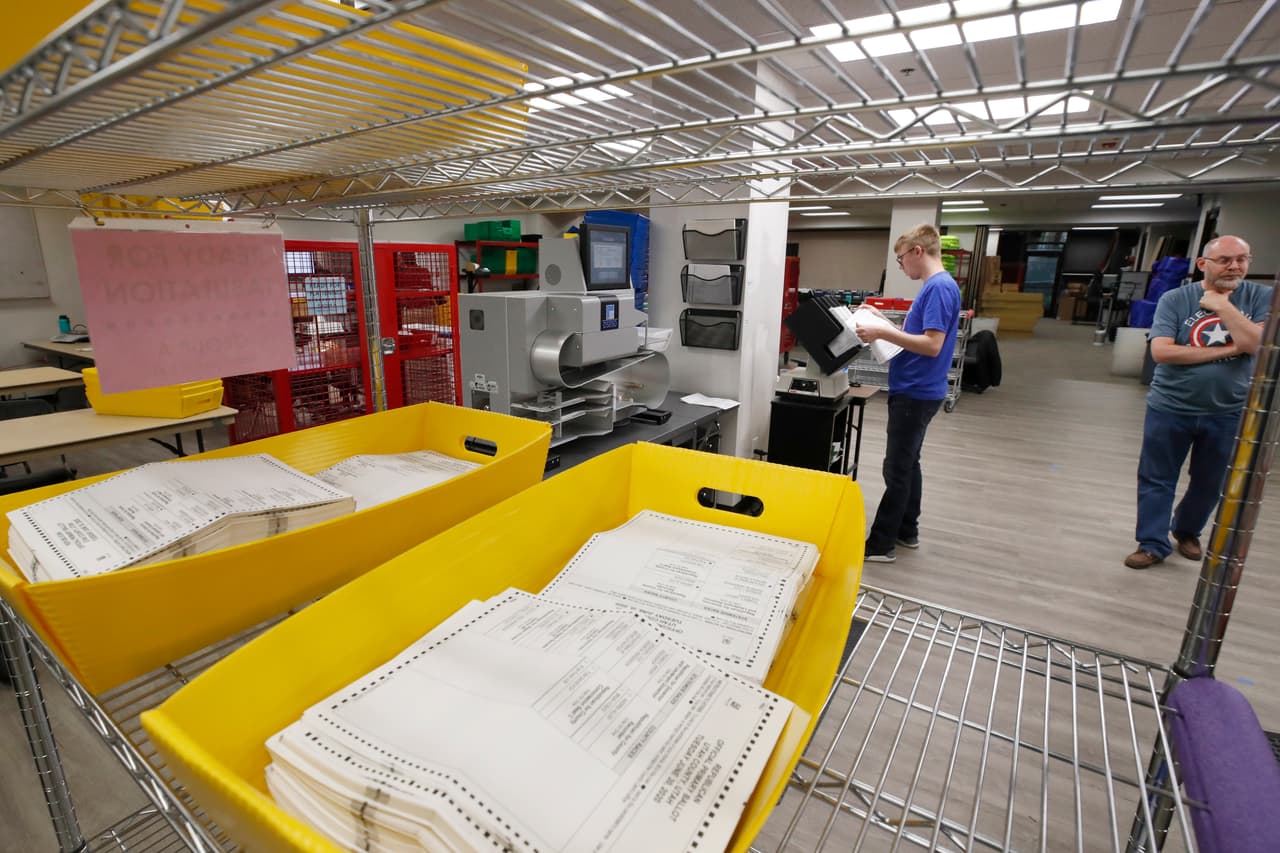
As my mom worked and parented, all in one breath, she instilled in us the values that I carry with me today: “por la familia, todo.” Lee este contenido en español.
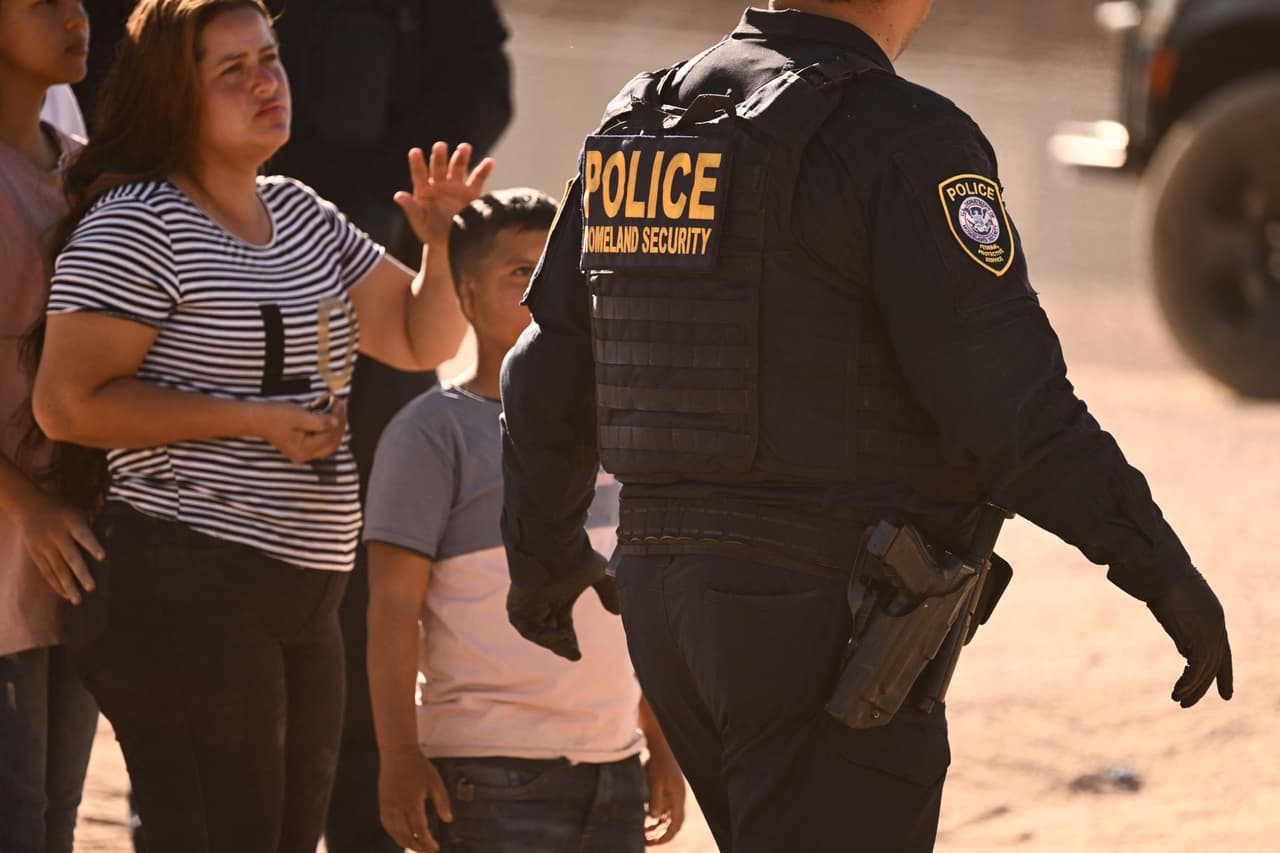
"What a sad reflection that the Republican Party has moved from Abraham Lincoln, who said immigration was a ‘source of national wealth and strength’ and Ronald Reagan, who called for his ‘city on the hill’ to be ‘open to anyone with the will and the heart to get here,’ to Donald Trump, who says immigrants are ‘poisoning the blood of our country".
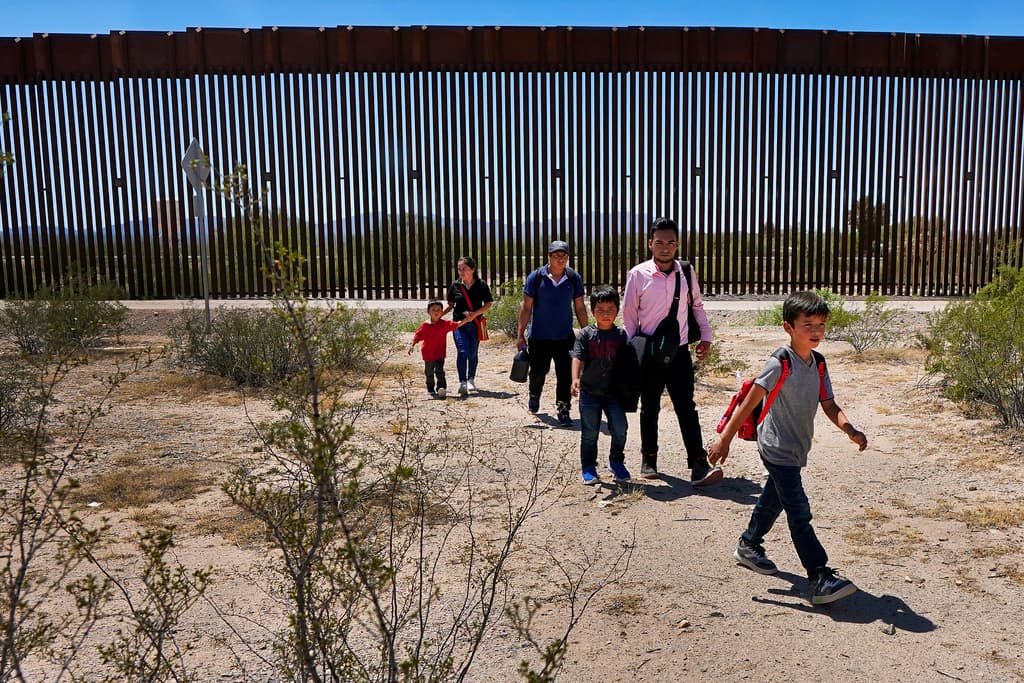
"Our current immigration laws include so many hurdles that can keep families in limbo, and even being married to a U.S. citizen isn’t always enough to allow someone to get a green card".

"For those of us whose livelihoods depend on it, President Biden’s actions to protect and preserve DACA show a striking contrast with those of Trump and MAGA Republicans. Trump has a record of trying to end DACA and will try again if he wins another term".
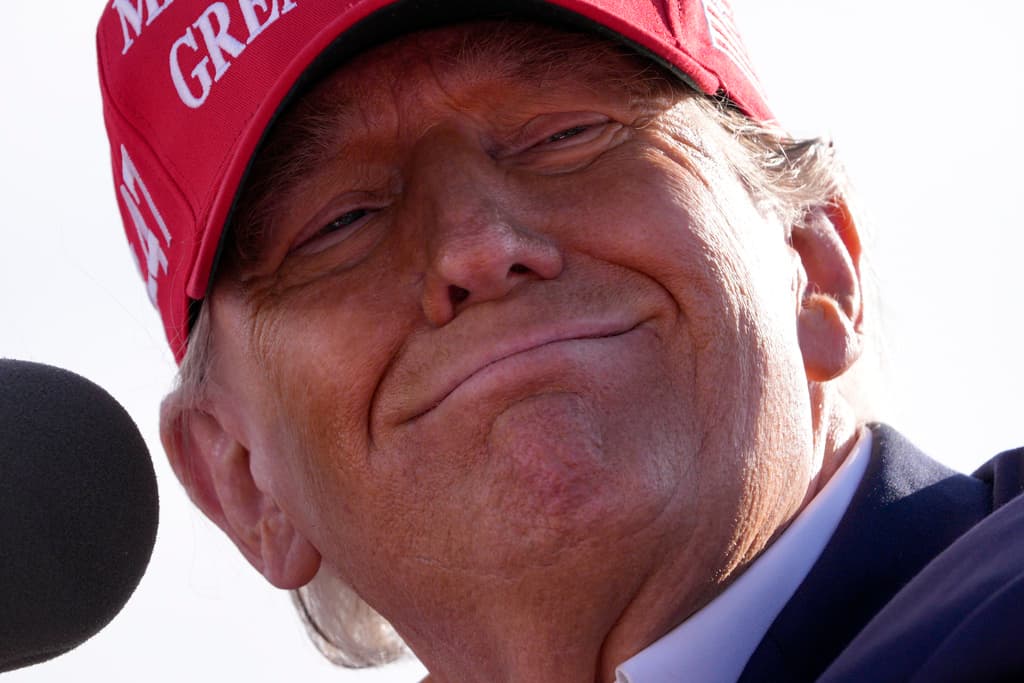
"While immigrants by now are accustomed to being the tip of the spear in the GOP’s arsenal of attacks, let's be clear-eyed that the threat now is beyond harming immigrant communities or calling attention to the border. This is about using this issue as a tool to further Trump’s political ambitions, even if that means suppressing the right to vote, undermining our election results, or stoking more political violence".
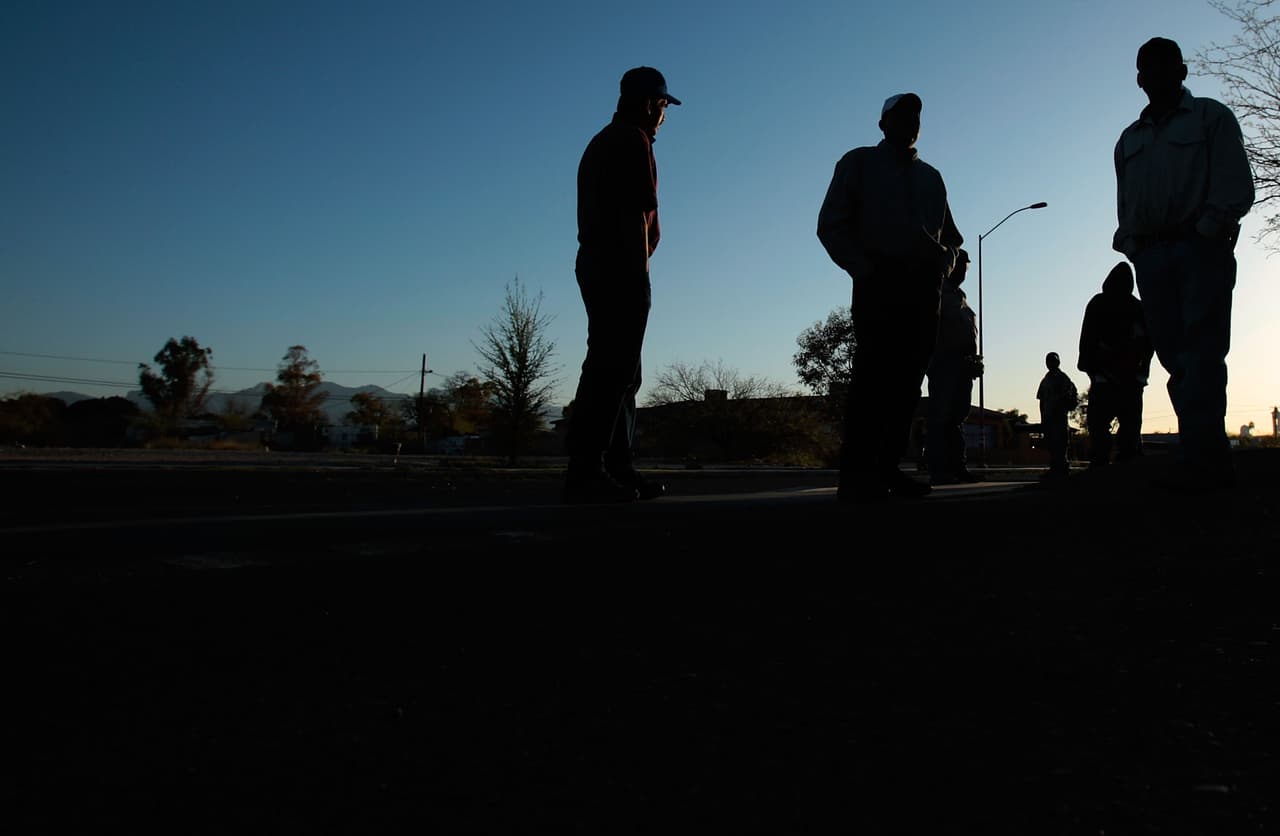
"This month comes at a special moment in our nation’s history. For the first time, we have more Latinos serving in Congress than ever before. In the Senate, the Democratic Majority has confirmed a historic number of Latino judicial nominees and recently confirmed the first Latina to serve on the Federal Reserve in the Board’s 109-year history".
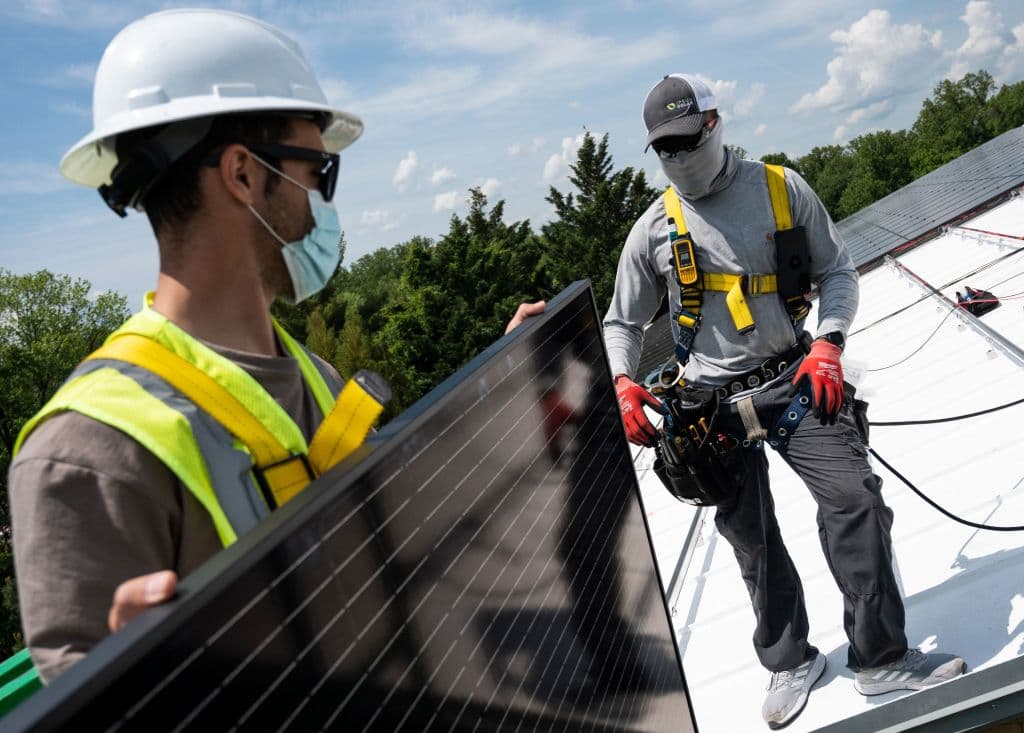
"This is the clean energy boom unleashed by President Biden: good-paying jobs in a fast-growing industry and lower bills for working families — all while addressing the climate crisis affecting our lives".
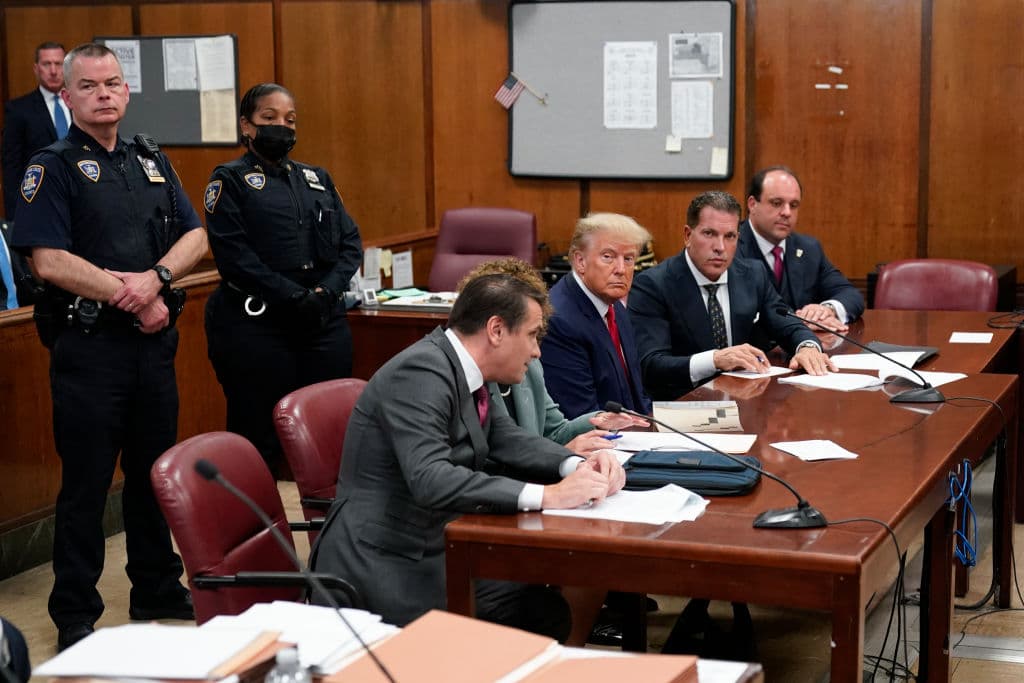
Putting presidents, former presidents and coup plotters on trial is an honorable and necessary practice to maintain a healthy democracy. Failure to put on trial presidents or former presidents who broke the law or committed crimes has had devastating consequences in Latin America.
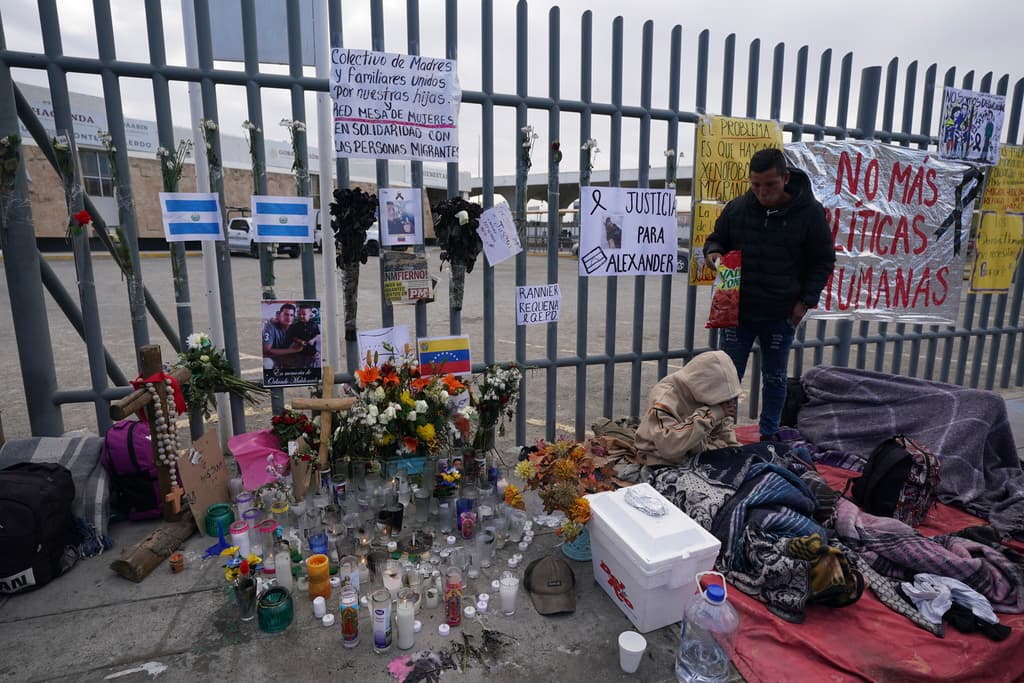
Mexico's migrant policy bears responsibility for the deaths of 39 migrants in the fire at a detention center in Ciudad Juarez. They were in the custody of the Mexican government, in a federal facility.
President Trump clearly hopes his oil sanctions will topple Maduro’s dictatorship. There is no sign that this strategy is succeeding, just as sanctions didn’t topple Castro or Putin or Khomeini. In fact, U.S. sanctions that lead to food shortages are playing right into the hands of Maduro, allowing him to avoid blame for the humanitarian nightmare by shifting responsibility to the “imperialist Americans.”
But Trump doesn’t have to give up sanctions for them to be effective; all he needs is to create a relief valve to address Venezuela’s food crisis.
Trump could do this through an international relief exchange program, where revenue from oil sales could be used to purchase food, medicine, and other necessities. Of course, the one time we tried something similar—namely, Oil-for-Food in Iraq—it was a case study in corruption.
The program allowed Baghdad to choose both oil buyers and food vendors, and Saddam exploited this loophole to tack $1.7 billion worth of kickbacks onto transactions, widening his corrupt control of oil revenues. But we can learn from those mistakes to develop a robust, transparent relief exchange program for Venezuela.
Revenue from Venezuelan oil sales could go into escrow accounts partially managed by the democratically-elected National Assembly. Distribution of food, medicine, and other necessities purchased through these accounts could be handled by a combination of the National Assembly, international organizations, and NGOs. This would block Maduro from using oil revenue illicitly, while also alleviating the adverse impact of oil sanctions on food imports.
Venezuelan opposition hardliners may balk at the idea of such a program, but there could be real upsides—both in assuaging the food crisis, but also in changing the stagnant political dynamics.
Many rightly doubt that Maduro would willingly participate in a relief exchange. But if he refuses to cooperate, his claim that food scarcity is solely due to sanctions will be exposed. And with the eyes of the world upon him, he would be forced to choose between siphoning oil revenue into his own coffers or feeding his people. The offer of a relief exchange would dramatically weaken Maduro’s argument that the U.S. is to blame for the suffering of the Venezuelan people.
If Maduro does participate, an independent relief exchange program would undercut the value of regime-backed aid programs and allow more people to protest without fear of retribution. This program would also bring countries like India, which continues to import Venezuelan oil, out of the shadows in a way that both meets their energy needs and doesn’t channel money to Maduro and his cronies.
And finally, any such program would require productive conversations between the opposition and the regime. By encouraging a focus on improving the lot of the Venezuelan people rather than zero-sum power politics, a relief exchange could open diplomatic channels for a negotiated settlement to the wider conflict.
Whether it’s Venezuela or Iran, the White House seems to believe that if they just squeeze hard enough, a regime will fall. But in fact, broad sanctions and military threats can actually bolster a regime, giving them a scapegoat and allowing them to tap into national pride. Sanctions may make the U.S. feel tough, but there is decreasing evidence that sanctions alone actually change behavior for the better.
Trump’s maximalist approach to Venezuela isn’t working. Worse, it’s making a mockery of U.S. policy, as Maduro and his allies thumb their nose at our tough talk. A relief exchange program would be a good first start to both relieve the legitimate economic hardship of the Venezuelan people and begin to undercut Maduro’s hold on power.
But, this has to be followed up by other moves that recognize the actual facts on the ground in Venezuela today. For instance, the Trump administration says there can be no sanctions relief until Maduro has abandoned the presidency. While Maduro’s departure would be ideal, the truth is that it is highly unlikely, and something that even the moderate majority in the opposition understands as unrealistic.
Instead, Guaidó’s negotiators are open to phased sanctions relief in exchange for other significant political concessions, such as naming a new electoral authority, conducting an audit of the voter registry, and allowing robust international electoral observation – reforms that would give them a fair shot to oust Maduro at the ballot box.
Skepticism is understandable; Maduro will likely reject a relief exchange program, and he has routinely used “dialogue” as a stalling tactic. But the status quo is unacceptable, and it’s time for President Trump to realize that his Venezuela policy has failed, badly.
The White House needs to stop pretending that chest thumping is policy, put aside the triumphalist rhetoric and maximalist strategy, help revitalize the Norway-facilitated talks, and lend a hand to the Venezuelan people to break the current, unsustainable stalemate.
Chris Murphy is the junior U.S. Senator for Connecticut and a member of the U.S. Senate Foreign Relations Committee.
Relacionados: