
We’ve all heard of the classic tale of Frankenstein: a young, ambitious scientist obsessively searches for the secret of life and while conducting an “innovative” scientific experiment creates a horrific monster that ultimately leads to his death.
The sanctity of life, Frankenstein and the danger of gene editing
The National Academy of Sciences recently approved research into modifying human embryos to create genes that can be passed down to future generations. What could possibly go wrong?

Imagen Getty Images
Originally written in 1818, it seems that almost 200 years later – with the advent of gene editing of human embryos – we’re on a collision course with the eerily prescient lessons of this cautionary tale.
If the reality of “gene editing,” or “germline engineering” as it’s sometimes called, is new to you, you’re not alone. I was only recently made aware of it after learning that, about a month ago, the National Academy of Sciences approved research into modifying human embryos to create genes that can be passed down to future generations.
It’s worth noting that the National Academy of Sciences decision is in defiance of National Institutes of Health standards which still ban research into gene editing.
So far, the formal approval by the National Academy of Sciences is fairly narrow in scope, but the slope is slippery nonetheless.
What could possibly go wrong?

Despite a near universal desire for an end to Venezuela’s manmade disaster, sending in U.S forces to take out the Maduro regime would be counter-productive. It should be categorically rejected by interim president Juan Guaidó, not to mention the Trump administration.

The firing of undocumented workers at Trump's golf clubs just shows how the practice of employing immigrants without legal work papers is much more common than we might imagine. Such is life in the United States.

The Trump administration should be wary of fueling fake news predictions about an imminent American invasion which unrealistically raises expectations about Maduro's removal.
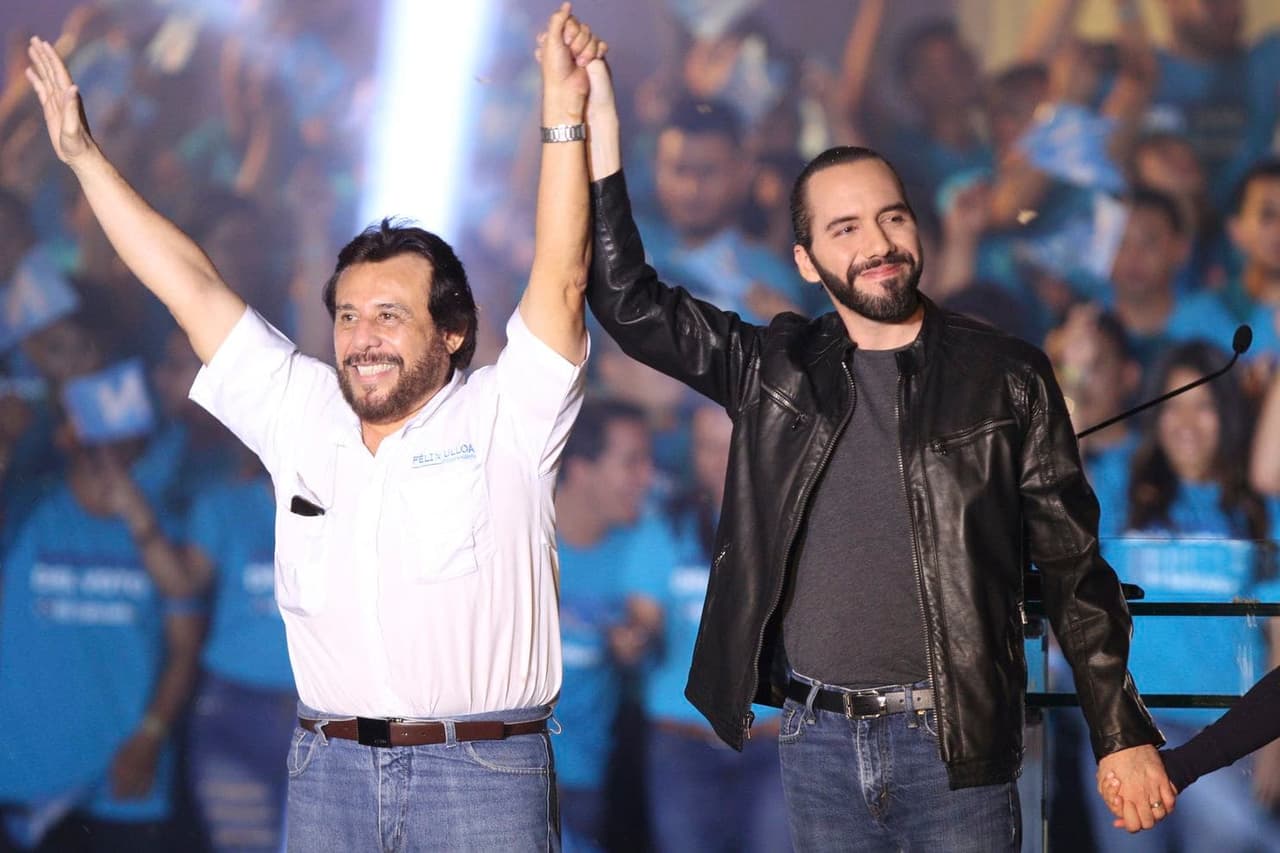

At some point we will have to accept the fact that the border between Mexico and the United States is nothing more than an invention.

The United States has had a major role in the evolving drama of the fight for democracy in Venezuela and Nicaragua. And so far, it’s been surprisingly coordinated, a veritable model of multilateralism.

Has the Maduro regime reached breaking point? It remains hard to say, but tomorrow is another - more hopeful - day for the restoration of democracy in the South American nation.
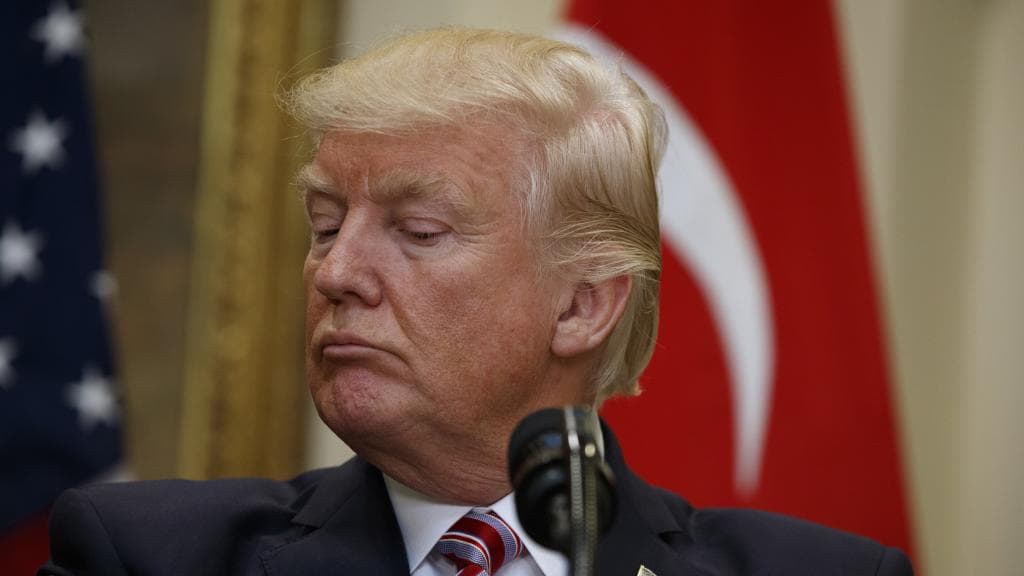
It’s impossible to get into Trump’s head but what comes out of his mouth are racist remarks. But, saddest of all are the millions who tolerate his views, cheer him on and emulate his behavior.

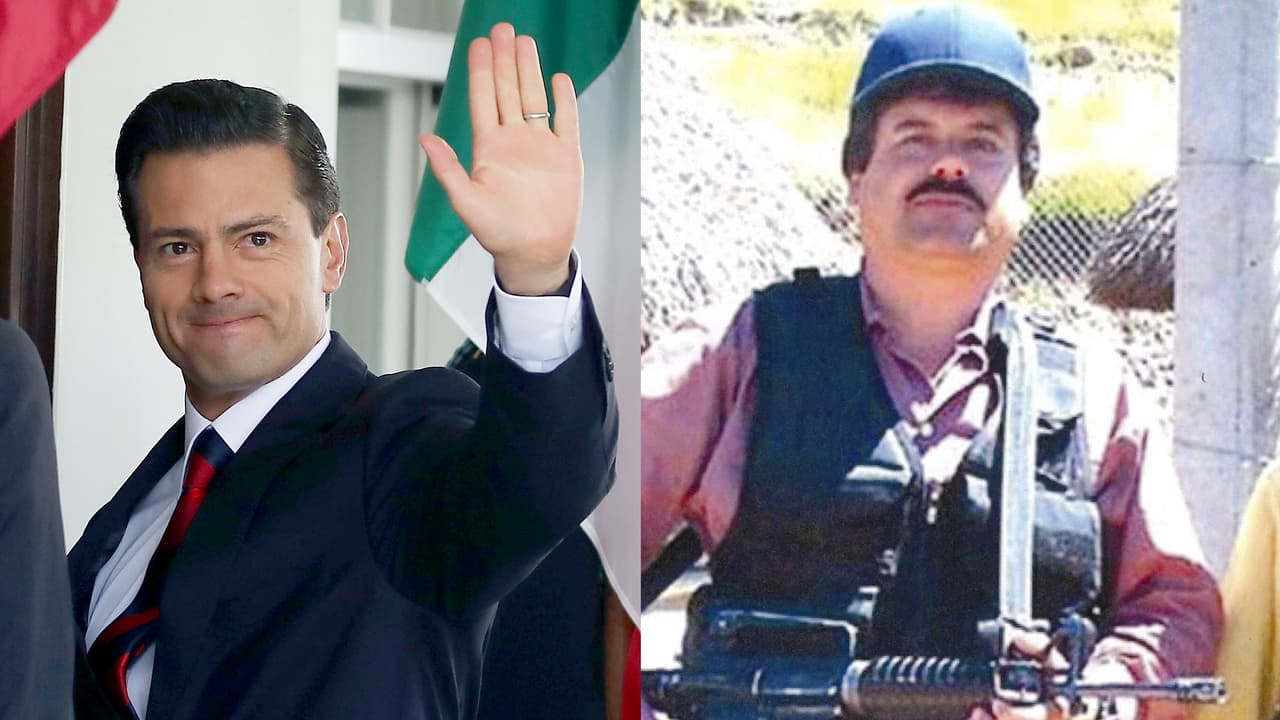
The time is well past due for the U.S. government to conduct a thorough review of leaders and their senior colleagues before they leave office to determine if they merit visas.
This type of scientific research is frightening even if well intentioned. Just as Victor Frankenstein hoped to discover the secret of life only to be left in ruin, the unintended consequences of playing God are too many to be fully grasped or understood by even the most skilled scientist or politician. Put simply, when we fix one thing, we can’t possibly know what else we might be breaking in the process.
One of the most well documented and widely studied instances of unintended consequences comes to us from China’s infamous one-child family planning policy. Instituted by the Chinese government in hopes of curbing what they believed to be an unsustainable population boom, the policy resulted in a series of highly destructive outcomes.
China’s underlying cultural preference for male children ultimately led to a rise in backstreet abortions, child abductions, female infanticide and a gender imbalance that left millions of Chinese men with mathematically zero hope of getting married.
I use China as an example on purpose. One of the main rationales for approving this type of research goes something like this: somebody else is going to do it, so we should too or risk getting left behind. In this case, that “somebody else” is China, which in 2014 began experimenting with gene editing. They were quickly followed by Sweden, the UK and now The United States.
Perhaps it was mere coincidence that the originator of the tragic one-child policy was also the first government in the entire world to approve and subsidize this highly controversial research? At the very least it’s ironic that we are now taking our moral cues from China’s central planning agency.
In the 1993 film Jurassic Park, another pop culture voice calls out to us from what now feels like a more grounded time. Sure, the movie is about cloning dinosaurs, but the character of Doctor Ian Malcolm, played by Jeff Goldblum, seems to offer a very real warning to us in 2017:
“Don't you see the danger, John, inherent in what you're doing here? Genetic power is the most awesome force the planet's ever seen, but you wield it like a kid that's found his dad's gun.” He goes on, “Your scientists were so preoccupied with whether or not they could that they didn't stop to think if they should.”
I get that this is a scene from a Hollywood movie, albeit a good one, but the point remains well made – the ethical and religious choices we face as a society are enormous and yet I suspect most of us haven’t even heard of germline engineering. How is that possible? At the very least, shouldn’t we, the American people be involved in a passionate debate about whether or not we should even proceed with such experimentation in the first place?
Not only is this an obvious question of the sanctity of human life for many of us, but scientists, economists, ethicists and futurists have all sounded the alarm as well.
Many worry that this type of research could eventually lead to a whole industry of designer babies – super humans that are more intelligent, stronger, faster and more attractive than their natural counterparts. They also worry that this could result in a permanent second-class citizenry, as gene editing might only be attainable for those wealthy enough to afford it. Embryos could even be created for highly specialized uses such as waging war.
These concerns might seem like the stuff of science fiction novels and films, but maybe they’re not?
It’s time to have the debate, and not let the scientists simply decide for the rest of us.
Rev. Samuel Rodriguez is president of the National Hispanic Christian Leadership Conference. He has been named by CNN and Fox News as “the leader of the Hispanic Evangelical movement."
Faith and Education Coalition is an initiative of the National Hispanic Christian Leaders Conference (NHCLC), with 2,568 members representing almost 3,000 local churches in 44 states.
Relacionados: