
SERENGETI NATIONAL PARK, Tanzania — Just a heads up: This column will have a bad ending. Over 100 elephants will be killed.
The Modern Safari
"For us urban animals, the endless flatlands are a mystery. All you can see are hills followed by seemingly endless plains, until you feel drunk with all the space."
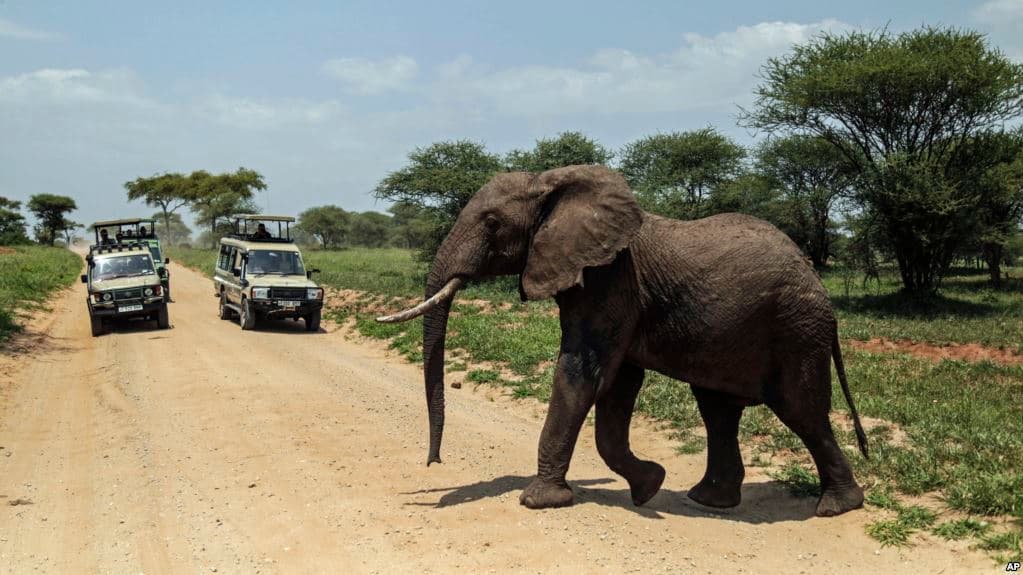
An elephant crosses a road on the outskirts of Arusha, northern Tanzania.
Imagen AP
As is the case with any important journey, the first step is getting there. We crossed half the planet by air, landing at an airport near Mount Kilimanjaro, then took some time to rest outside the village of Arusha. Later, we were taken to a van that would, unbeknownst to us, become our home away from home for five days.
I say “we” because I took my family with me on safari in Africa over the holidays. But disabuse yourself of the romantic notion of explorers dressed in boots and khakis, leisurely taking in the wildlife; today’s safaris consist of long hours spent inside a van enduring tortuous, dusty, rocky roads. You never leave the van, unless you want to risk becoming dinner for some wild cat. Going on safari today means seeing the world’s most amazing wild animals from a car seat. But it’s truly worth it.
Our first stop was Tanzania’s Ngorongoro crater. A volcanic eruption 2 million years ago carved out this beautiful valley where today elephants, zebras, wildebeests, giraffes and hippos roam free. The place reminded me (and please excuse the cinematic cliché) of the scene in Jurassic Park where everyone sees dinosaurs for the first time. That’s the kind of amazement felt at Ngorongoro.
Despite a near universal desire for an end to Venezuela’s manmade disaster, sending in U.S forces to take out the Maduro regime would be counter-productive. It should be categorically rejected by interim president Juan Guaidó, not to mention the Trump administration.

The firing of undocumented workers at Trump's golf clubs just shows how the practice of employing immigrants without legal work papers is much more common than we might imagine. Such is life in the United States.

The Trump administration should be wary of fueling fake news predictions about an imminent American invasion which unrealistically raises expectations about Maduro's removal.

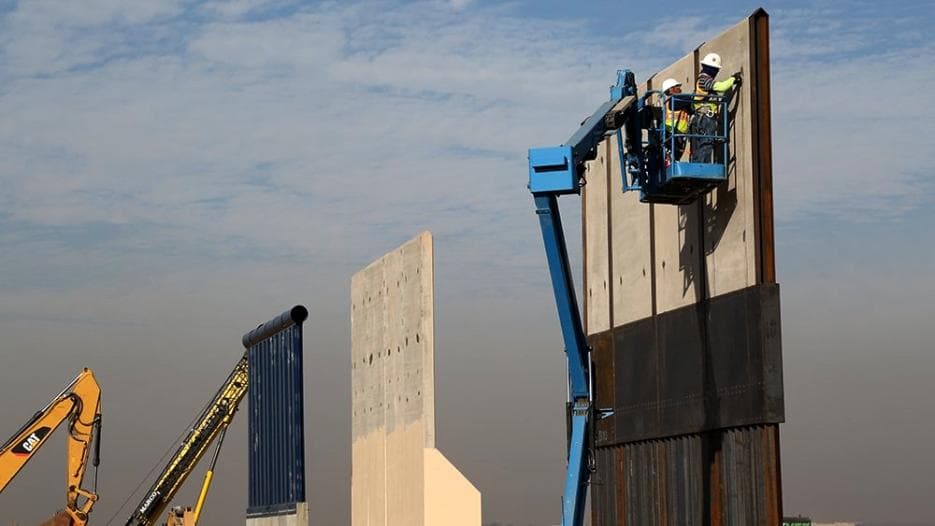
At some point we will have to accept the fact that the border between Mexico and the United States is nothing more than an invention.

The United States has had a major role in the evolving drama of the fight for democracy in Venezuela and Nicaragua. And so far, it’s been surprisingly coordinated, a veritable model of multilateralism.

Has the Maduro regime reached breaking point? It remains hard to say, but tomorrow is another - more hopeful - day for the restoration of democracy in the South American nation.
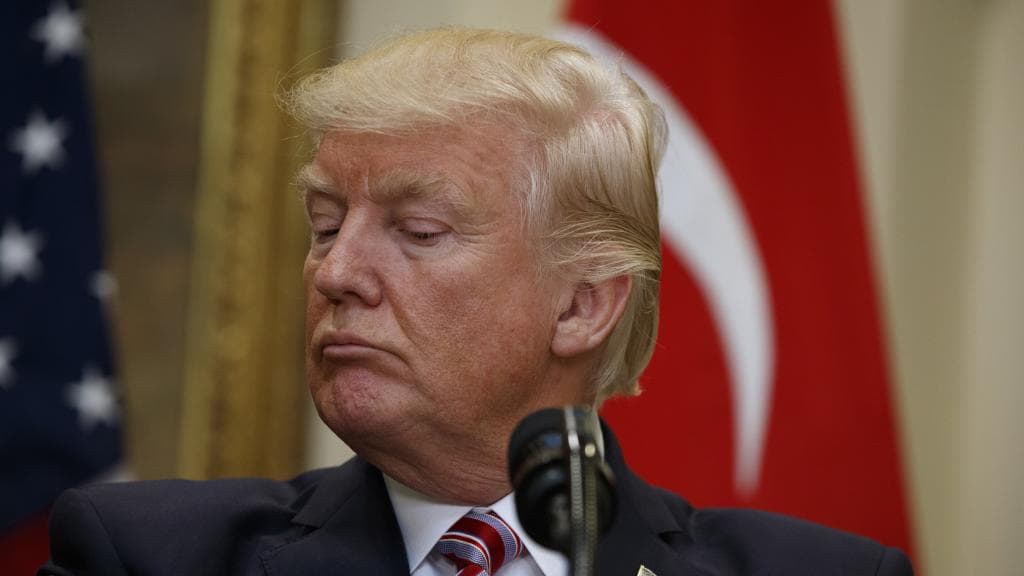
It’s impossible to get into Trump’s head but what comes out of his mouth are racist remarks. But, saddest of all are the millions who tolerate his views, cheer him on and emulate his behavior.

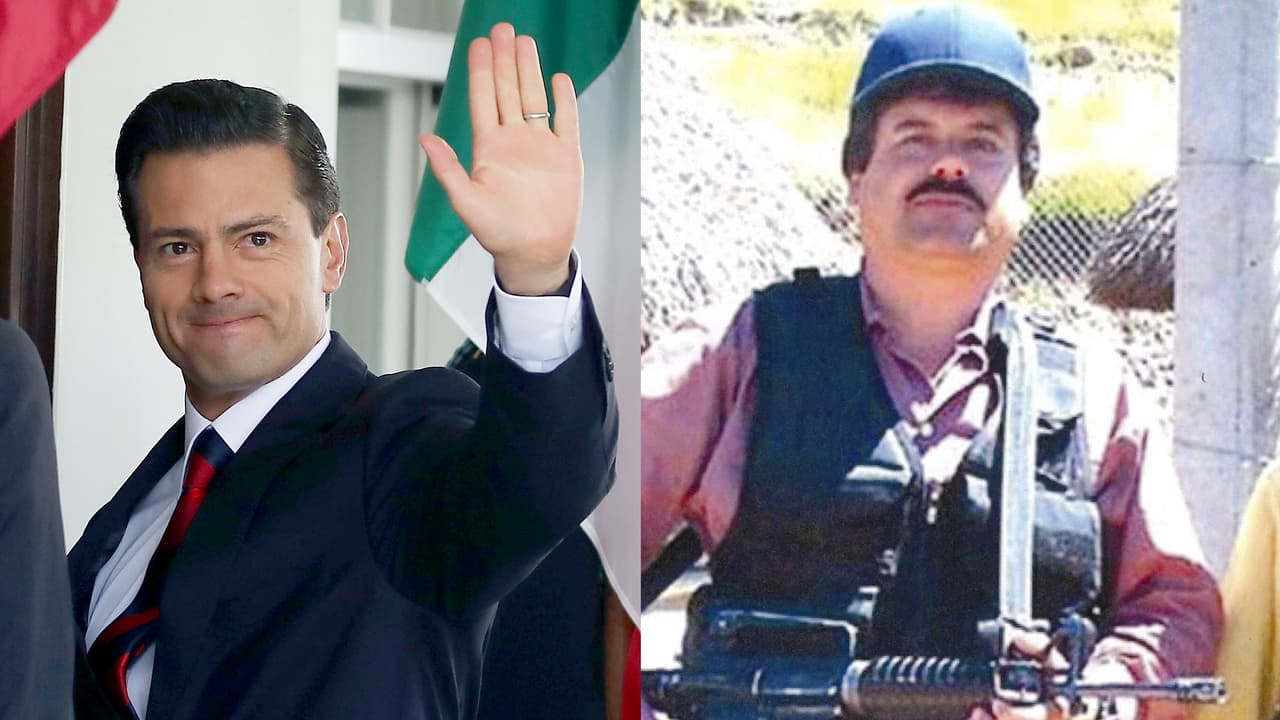
The time is well past due for the U.S. government to conduct a thorough review of leaders and their senior colleagues before they leave office to determine if they merit visas.
But there is nothing like the Serengeti. It’s as wide as Northern Ireland, and millions of animals migrate back and forth across it between Kenya and Tanzania. For us urban animals, the endless flatlands are a mystery. All you can see are hills followed by seemingly endless plains, until you feel drunk with all the space.
Hot air balloon rides are popular here among adventure-seeking tourists. So I handed over my credit card in exchange for the uncertain pleasure of climbing into a wooden basket attached by thin ropes to a balloon steered by a gas flame and floating more than 900 feet in the sky. But whether you’re in the air or on the ground, the animals are the reward.
I had never seen so many zebra stripes before. I learned that each one has a unique and differentiating pattern. Giraffes crossed beneath me as though I didn’t exist; they are the national emblem. And our guide even found some leopards sleeping in the branches of a tree and pointed out a cheetah hidden in some bushes. From my hotel room I saw two male elephants fighting with their tusks for the attention of a female. And on an early morning road trip, my driver screeched to a halt to avoid running over a baby elephant following her mother, without haste.
That’s why I was so shocked when, at the end of the safari, I opened a copy of The Guardian newspaper at the airport and found a story with a government official from the Tanzania Wildlife Management Authority explaining why it had allowed the legal hunting of over 100 elephants in 2017. “Just like it is the case with photographic tourism,” one official said, “the consumptive sector is also an alternative industry for revenue generation particularly through game hunting.”
The Tanzanian government makes thousands of dollars from the sale of hunting permits every year, according to the article. Gaming areas are restricted; shooting female elephants or their babies is not allowed, and only males with tusks over 67 inches, or weighing more than 44 pounds, can be killed.
But there is nothing more brutal — or easy — than killing an elephant here. Elephants are used to tourist vans and are not afraid of any approaching people as the herds walk, with total confidence, to drinking ponds.
I can’t tell what I find more outrageous, the fact that hunting permits are issued in exchange for a few bucks or that some hunters believe their testosterone levels are increased by murdering helpless animals.
This part of the world sometimes looks like paradise. But these killings show that every paradise has a dark side.
Relacionados: