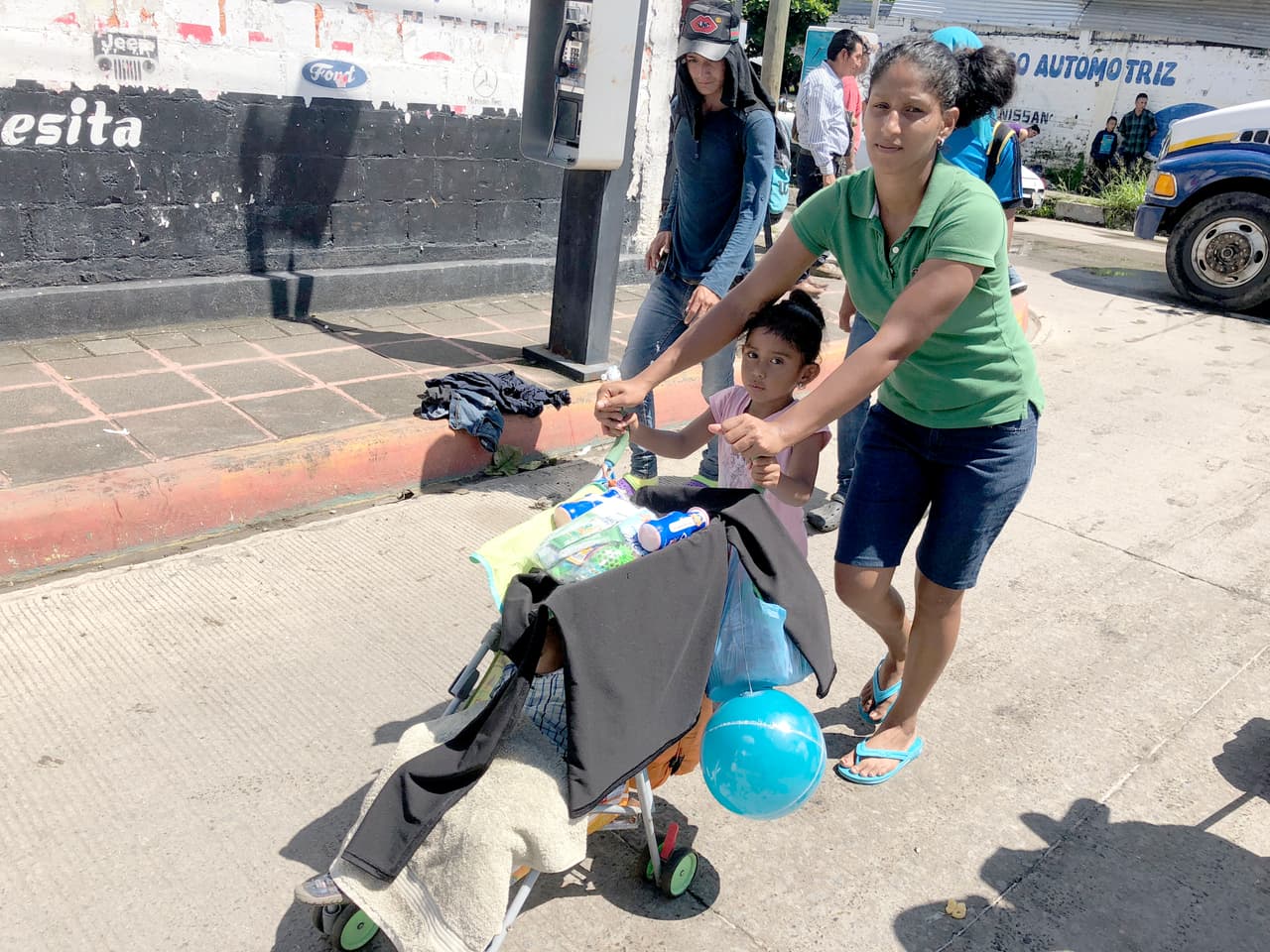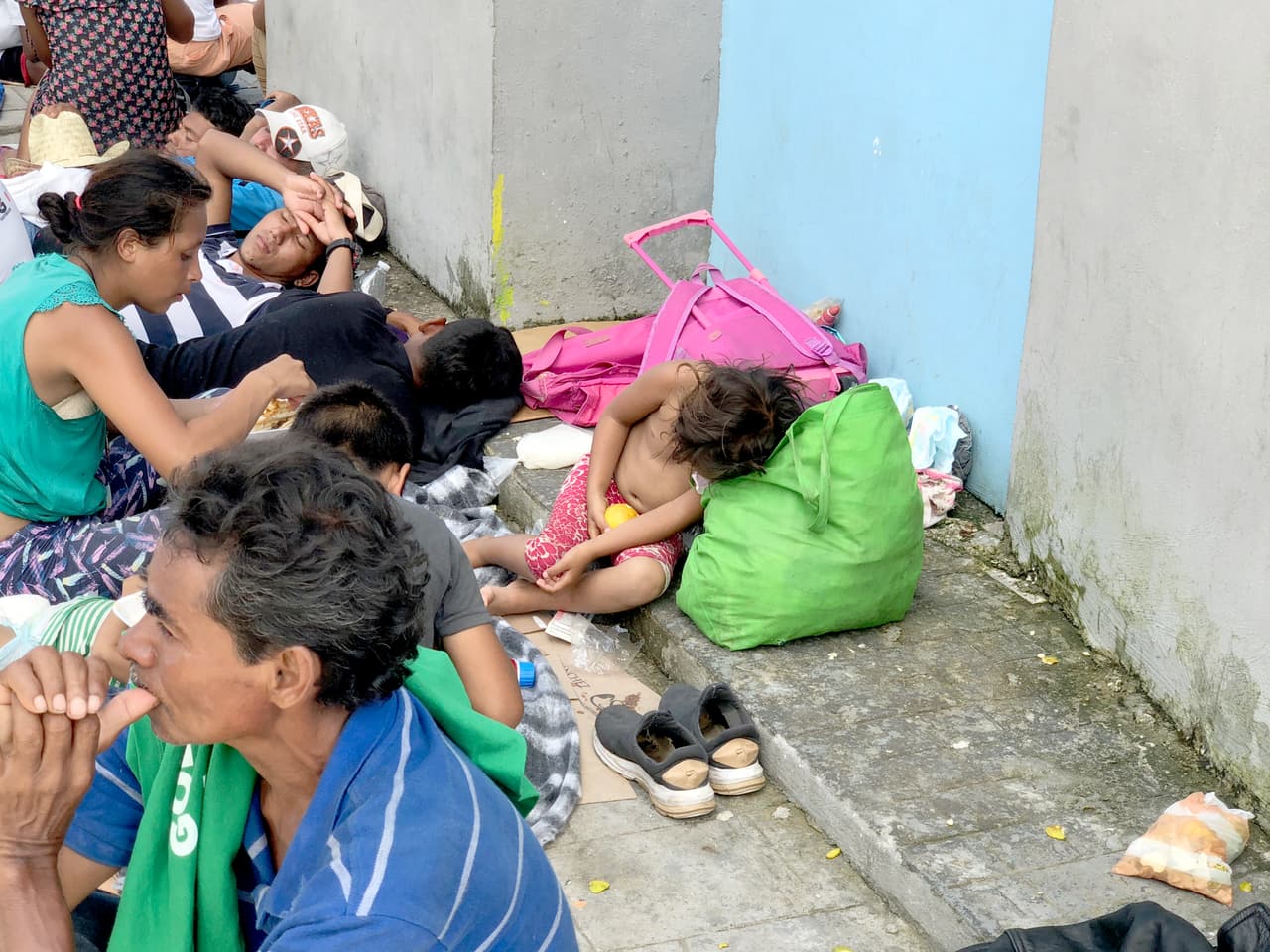
HUIXTLA, Chiapas, Mexico Ive seen the ignorant, xenophobic rants on social media about the caravan. Theyre terrorists in disguise. Theyre criminals. Theyre invaders. Theyve been sent to invade and destabilize the United States.
The children of the caravan
I dont know how, or if, these children will make it to the U.S. border. But please do not let Trump deceive you. They arent coming to invade.
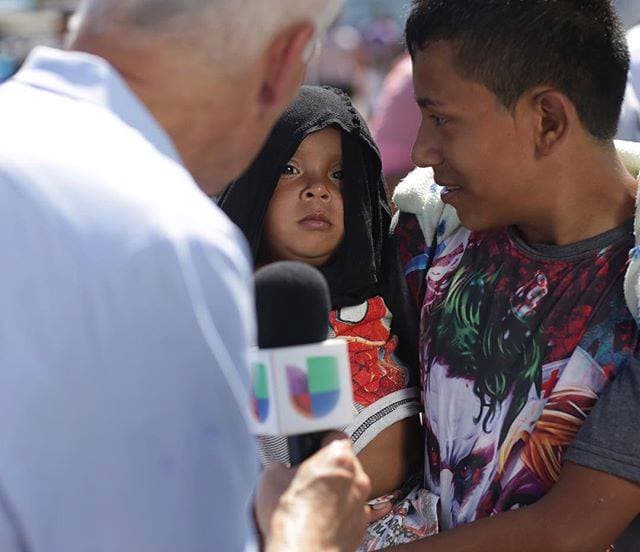
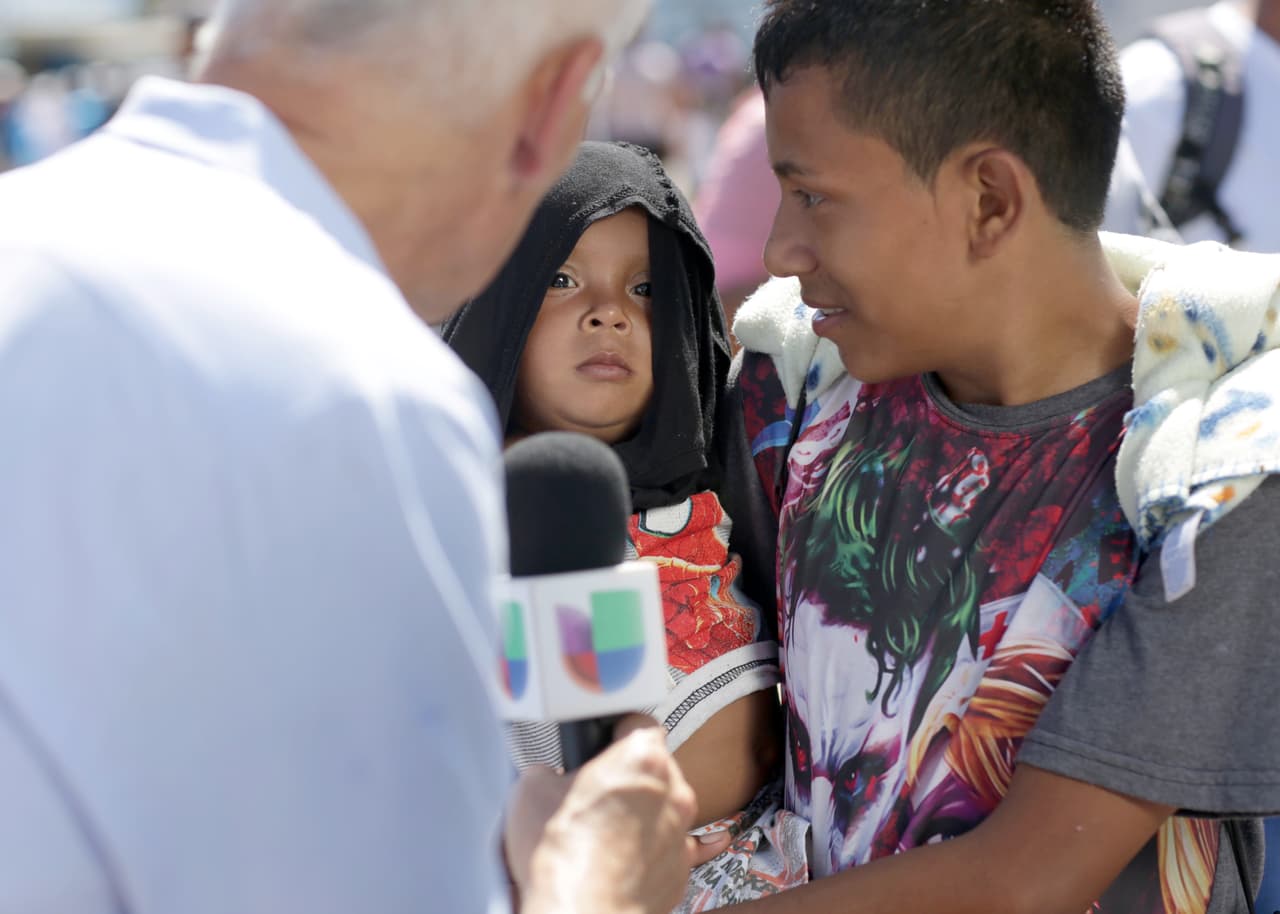
"The children of the caravan. What I saw," Tapachula, Chiapas, México, Oct 22, 2018.
Imagen Jorge Ramos/Facebook/Univision
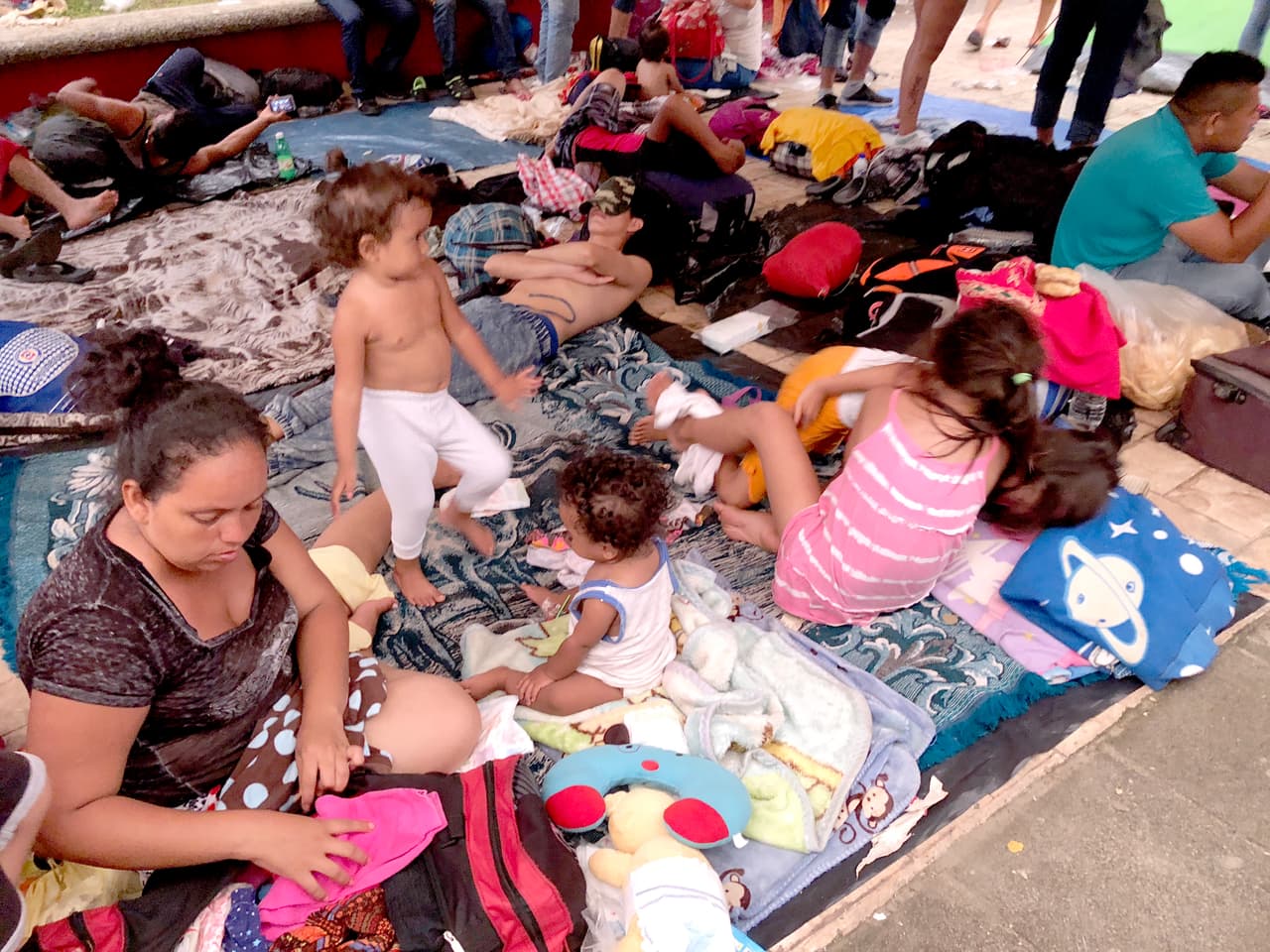
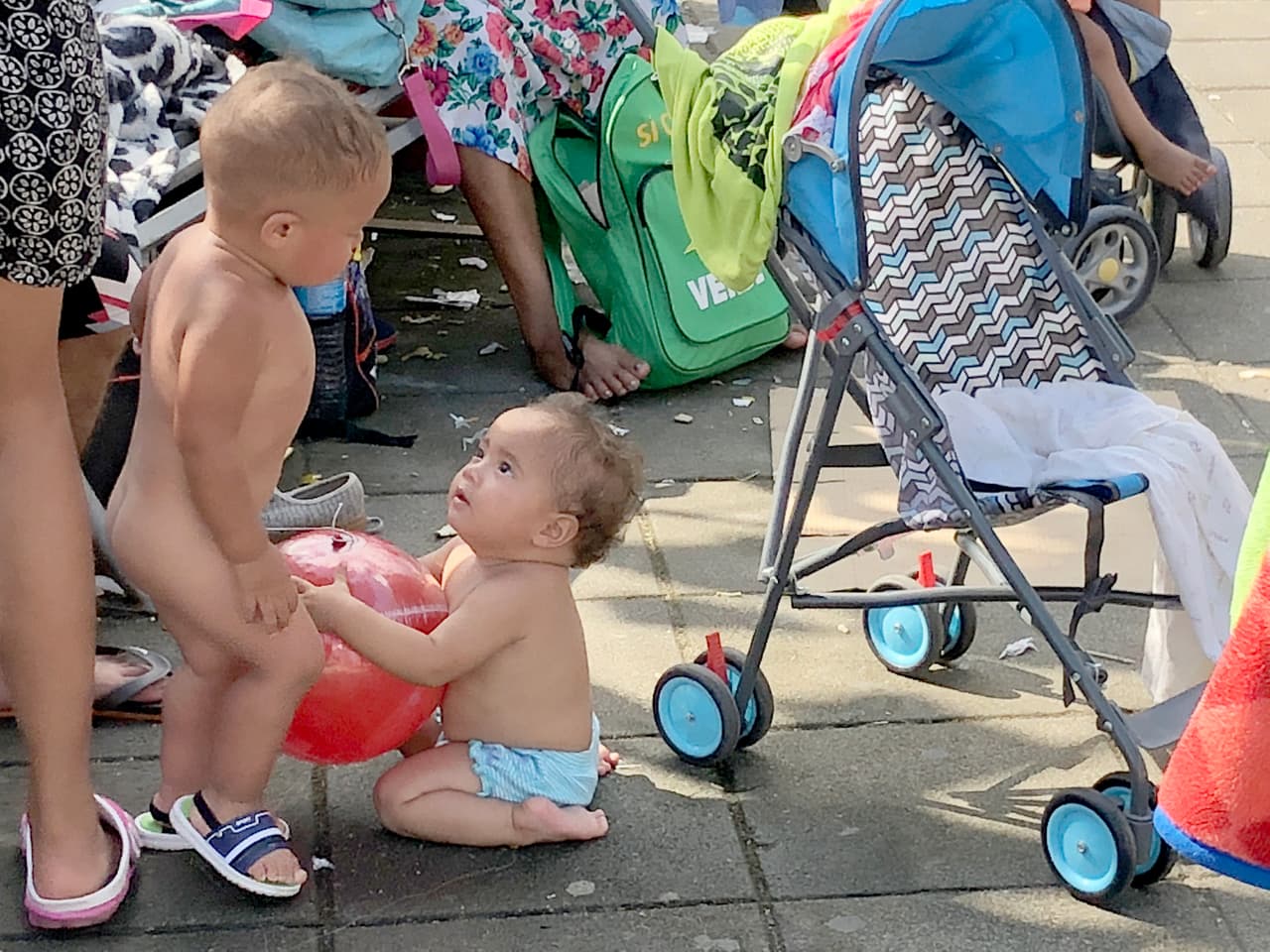
But in the main square of this small town in southern Mexico recently, all I could hear of the caravan were the childrens cries, and their laughter. Their faces tired, surprised, innocent, anxious are the best evidence against these claims by racist politicians and their supporters, propagating hatred.
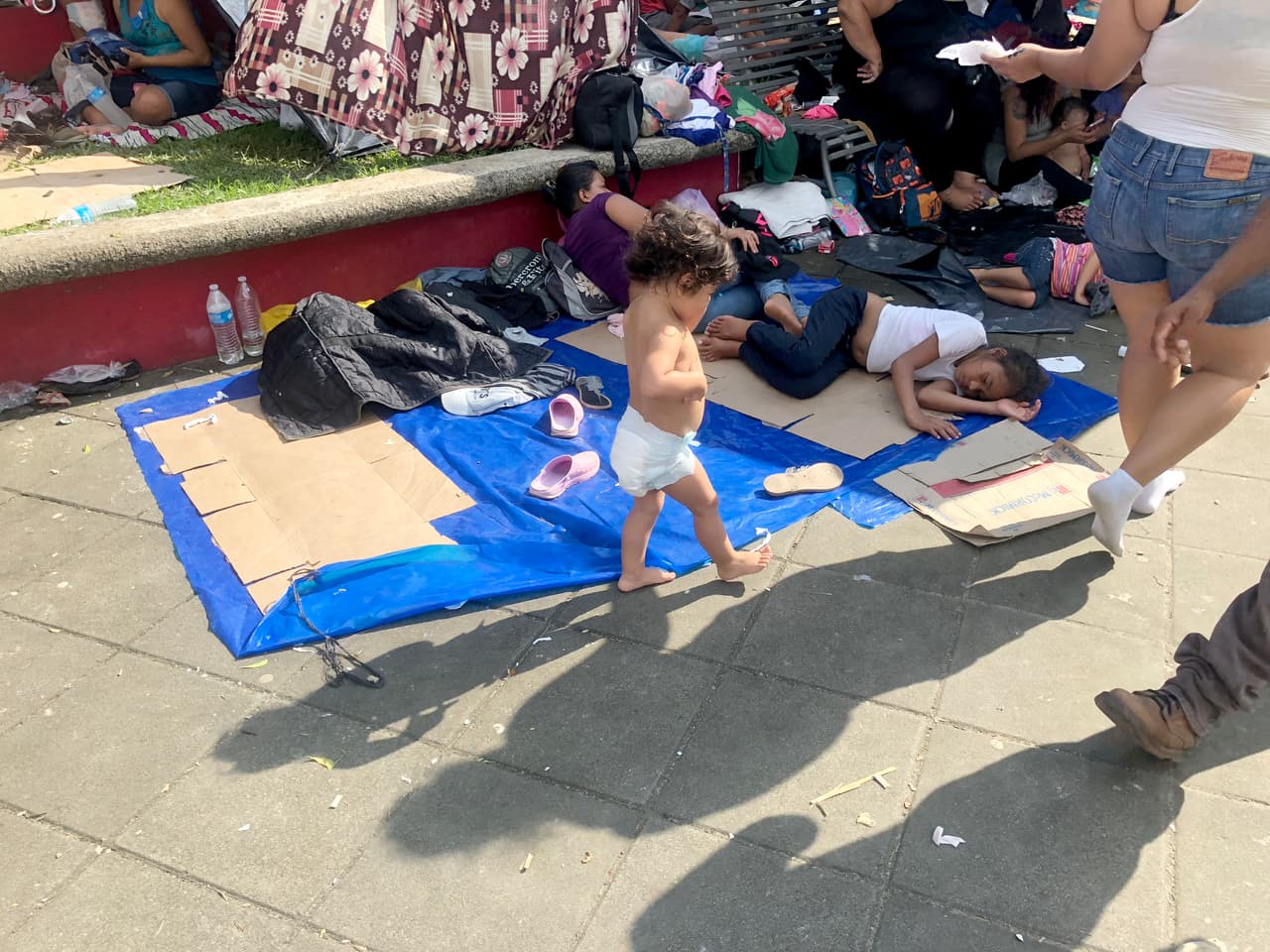
According to a United Nations estimate, there are about 2,000 children in the caravan of perhaps 7,000 Central American migrants trying to make their way to the U.S. border with Mexico; the exact number is impossible to determine. Here in the state of Chiapas, I saw an 8-month-old girl and a 4-month-old boy lying under a black plastic screen, shielding them from the unrelenting sun. I saw children running around in diapers, restless, shoeless, sweating and playing with anything they could find, totally oblivious to what awaits them.
Watch Jorge's latest Facebook Watch from the caravan: Real America With Jorge Ramos: Families & Refugees Risk It All On Migrant Caravan
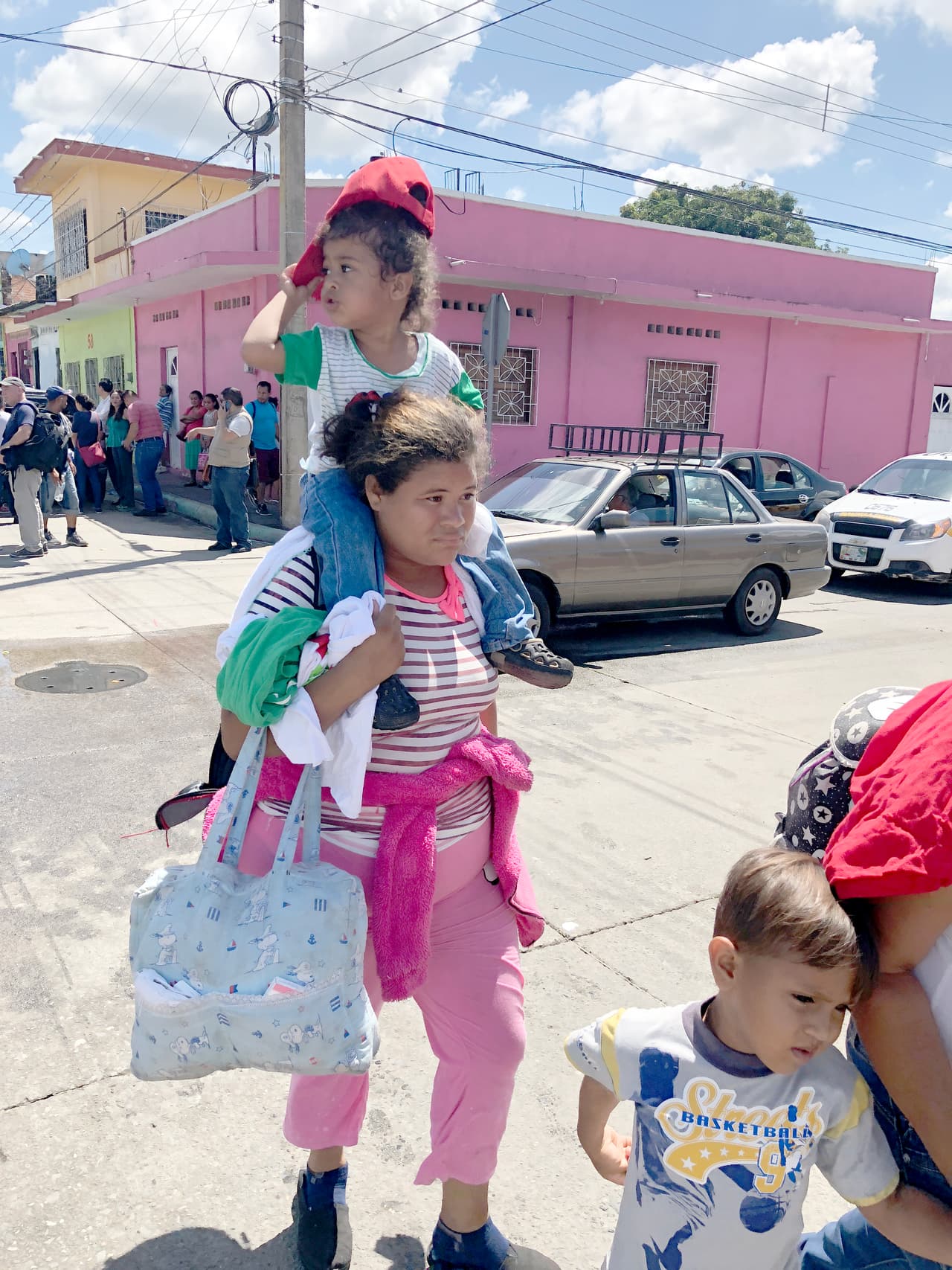
Terrorists wouldnt be carrying their children across entire countries. Terrorists wouldnt be pushing strollers in their slippers or their worn-out shoes, traveling over 1,000 miles in temperatures nearing 100 degrees Fahrenheit, trying to reach Texas or California.
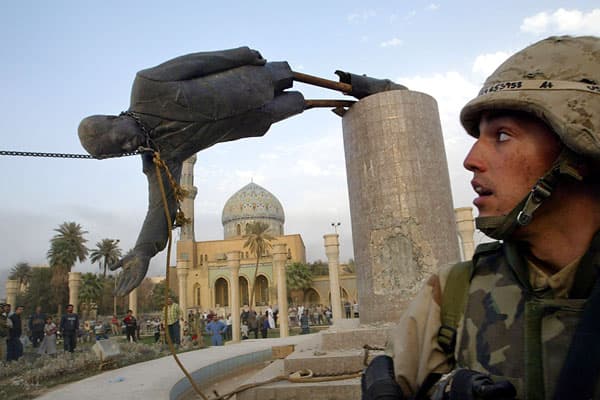
Despite a near universal desire for an end to Venezuela’s manmade disaster, sending in U.S forces to take out the Maduro regime would be counter-productive. It should be categorically rejected by interim president Juan Guaidó, not to mention the Trump administration.
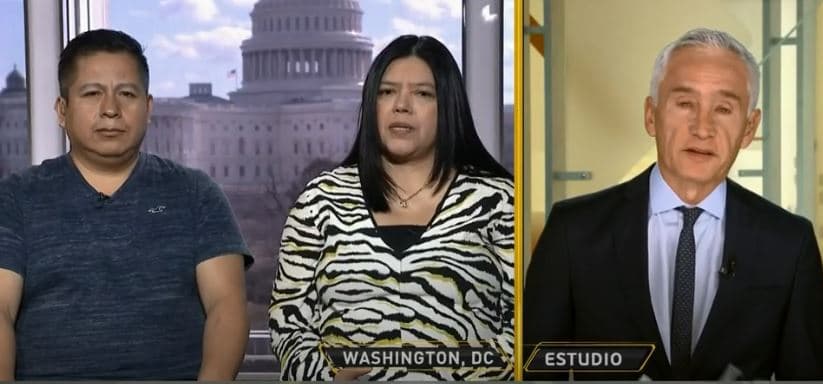
The firing of undocumented workers at Trump's golf clubs just shows how the practice of employing immigrants without legal work papers is much more common than we might imagine. Such is life in the United States.
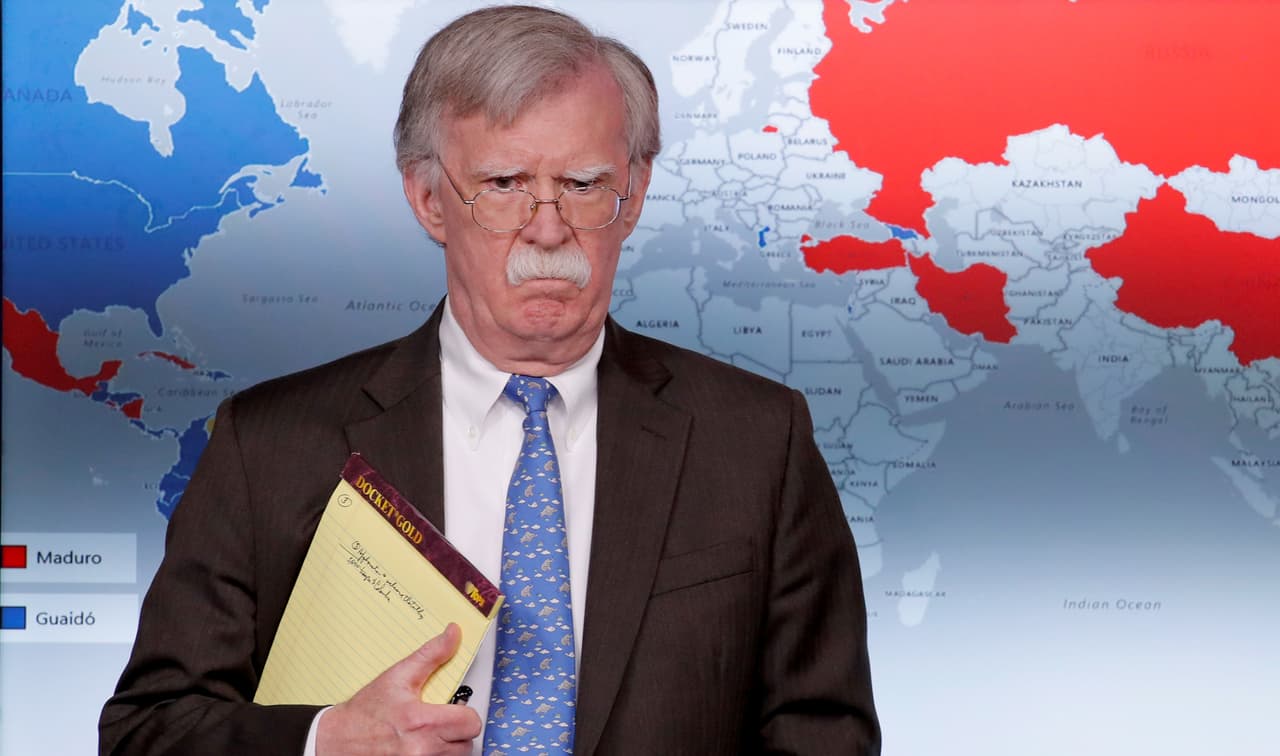
The Trump administration should be wary of fueling fake news predictions about an imminent American invasion which unrealistically raises expectations about Maduro's removal.
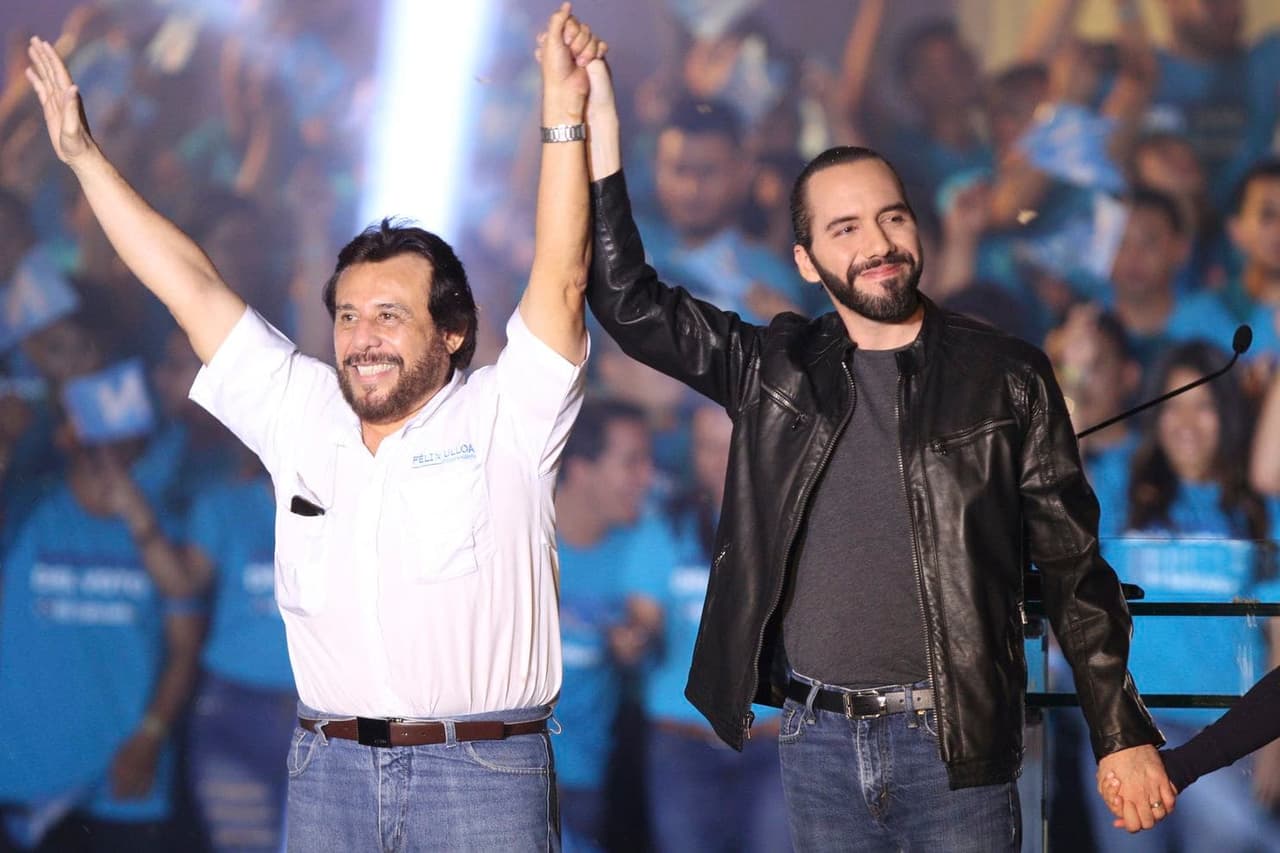
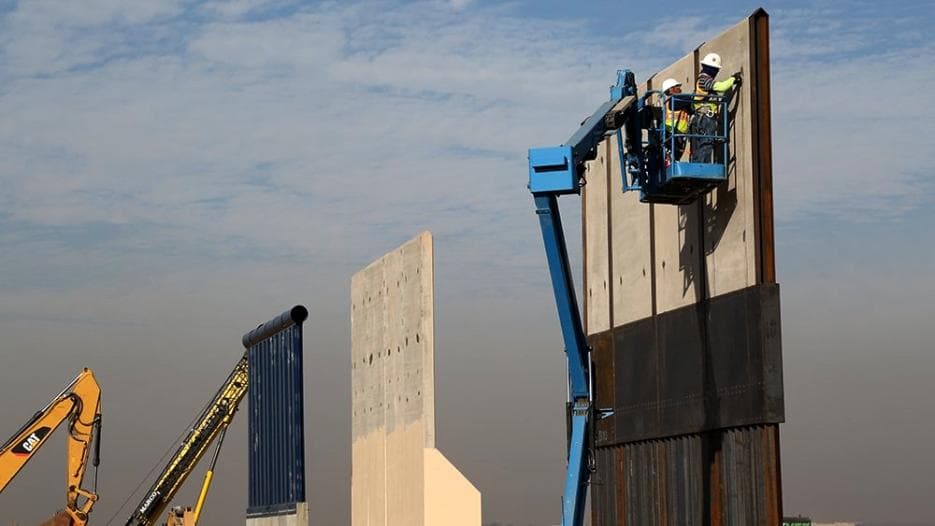
At some point we will have to accept the fact that the border between Mexico and the United States is nothing more than an invention.

The United States has had a major role in the evolving drama of the fight for democracy in Venezuela and Nicaragua. And so far, it’s been surprisingly coordinated, a veritable model of multilateralism.
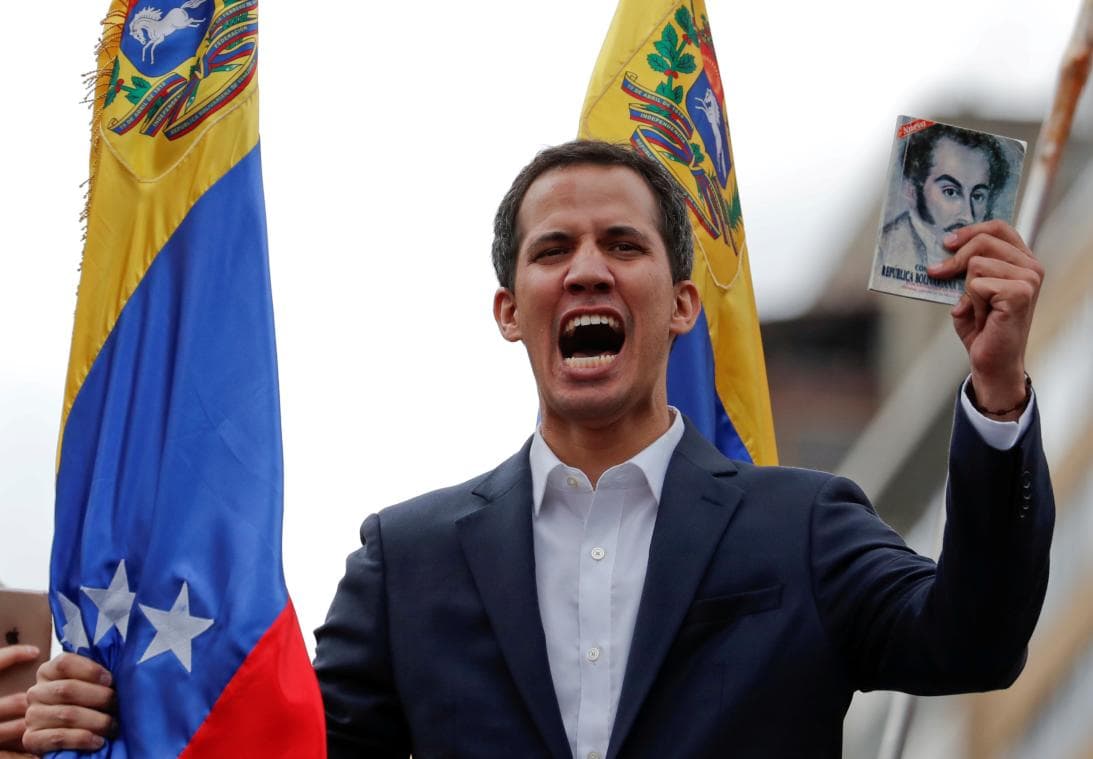
Has the Maduro regime reached breaking point? It remains hard to say, but tomorrow is another - more hopeful - day for the restoration of democracy in the South American nation.
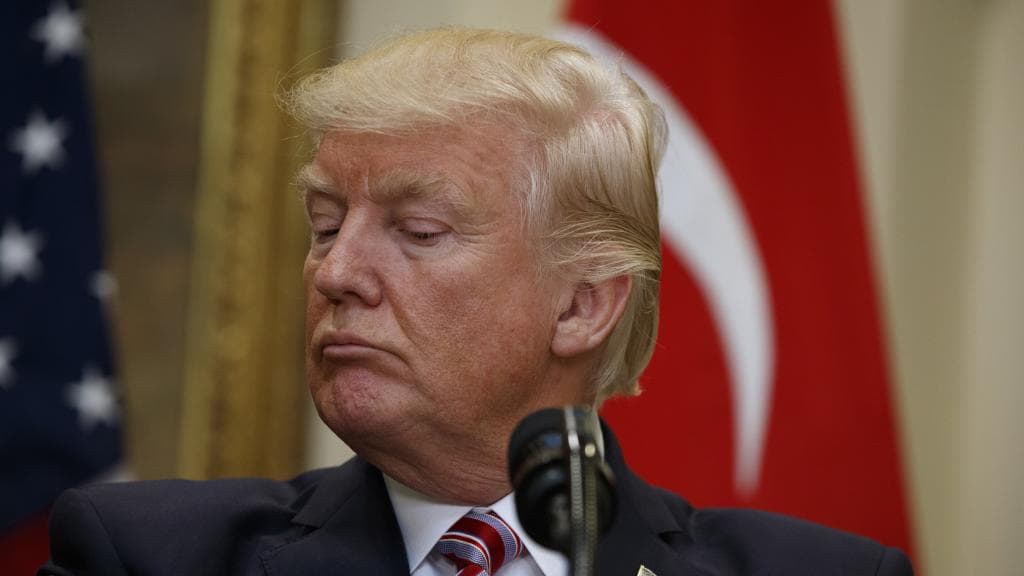
It’s impossible to get into Trump’s head but what comes out of his mouth are racist remarks. But, saddest of all are the millions who tolerate his views, cheer him on and emulate his behavior.
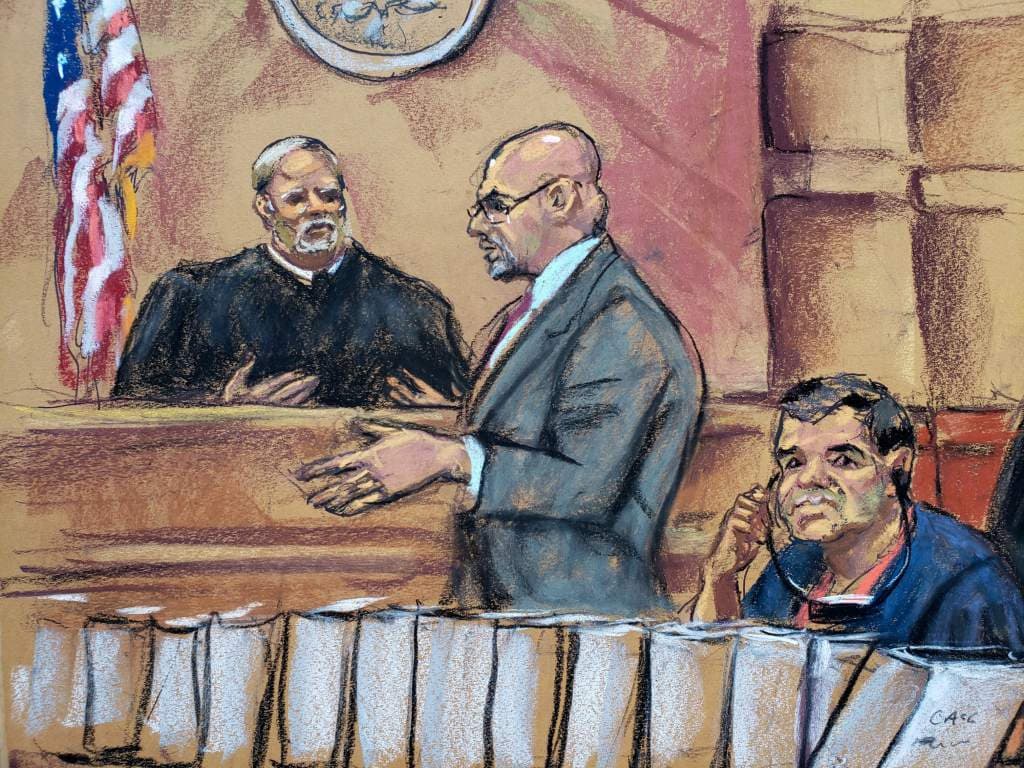
The time is well past due for the U.S. government to conduct a thorough review of leaders and their senior colleagues before they leave office to determine if they merit visas.
Some are suggesting that the migrants are being paid, or that the caravan is being financed by the billionaire George Soros, or the Venezuelan dictator Nicolás Maduro. But I didnt see any money anywhere. The Hondurans, Guatemalans, Salvadorans and Nicaraguans I met didnt have a single dollar on them, even to buy a bottle of water. (You can watch some video I recorded when I was walking with the caravan, here )
Video Jorge Ramos muestra lo que vio en el Río Suchiate en la frontera entre Guatemala y México
As I mentioned, Ive read some terribly classist and racist remarks posted on social media about these Central Americans. The comments are similar to the ones Ive heard directed toward Mexicans in the United States. But on the streets of Tapachula, I didnt see hatred or suspicion; I saw generosity and solidarity. The migrants were offered food, clothing, shoes and, of course, water. Most importantly, the Mexicans were trying to cheer them up, so they could carry on. How great you are, Tapachula. Your embrace has breathed life into so many.
This attitude is completely at odds with that of Mexican President Enrique Peña Nieto, who became a Border Patrol agent for President Donald Trump when he closed a bridge connecting Guatemala and Mexico recently, in an attempt to turn around the caravan. The refugees crossed the Suchiate River from below, instead. In the end, Trump and Peña Nieto were foiled. ( You can watch the video I made at the Suchiate River here)
Trumps next strategy, intended to instill fear in American voters just before the midterm elections, is to declare these migrants an imminent threat to national security. He claims, without evidence, that there are Middle Easterners hiding in the group, and insists that the people in the caravan are invaders. I spent two days with the caravan and didnt see a single Middle Easterner. And let me tell you this: The caravan is certainly not an invasion.
Many people dont understand how or why this group of Central Americans gathered. It wasnt some nefarious strategy. People simply heard about it on TV or saw it on their phones. Besides, the odds of being robbed or sexually assaulted decrease if you are part of such a large group. Its also a matter of money. A smuggler might charge $4,000 to $10,000 to bring a single Central American to the United States. These trekkers, the poorest among the poor, didnt have to pay anyone.
I dont know how, or if, these children will make it to the U.S. border. Theyre exhausted. Their parents are pushing them along in their strollers, or carrying them on their shoulders, but theyre exhausted too, struggling forward in the heat.
Sooner or later some of these refugees will reach the border. But please do not let Trump deceive you. They arent coming to invade. The most powerful nation in the world has an obligation when the weakest and the neediest show up on its doorstep. I have never seen anyone as vulnerable as these children.
They are not the enemy.
Relacionados: