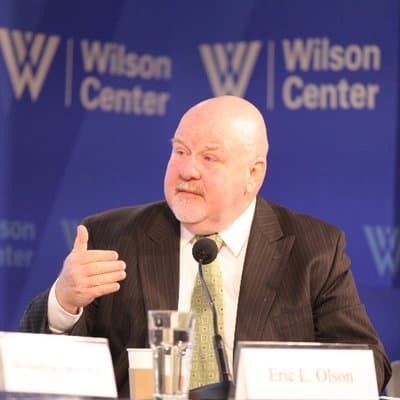
With so many rumors flying around its really hard to understand what is driving the caravan making its way to the United States.
Putting the migrant caravan in perspective
The caravan is not a middle finger to the United States or Donald Trump – it is a rational and logical decision to protect oneself and one’s family from greater risk.
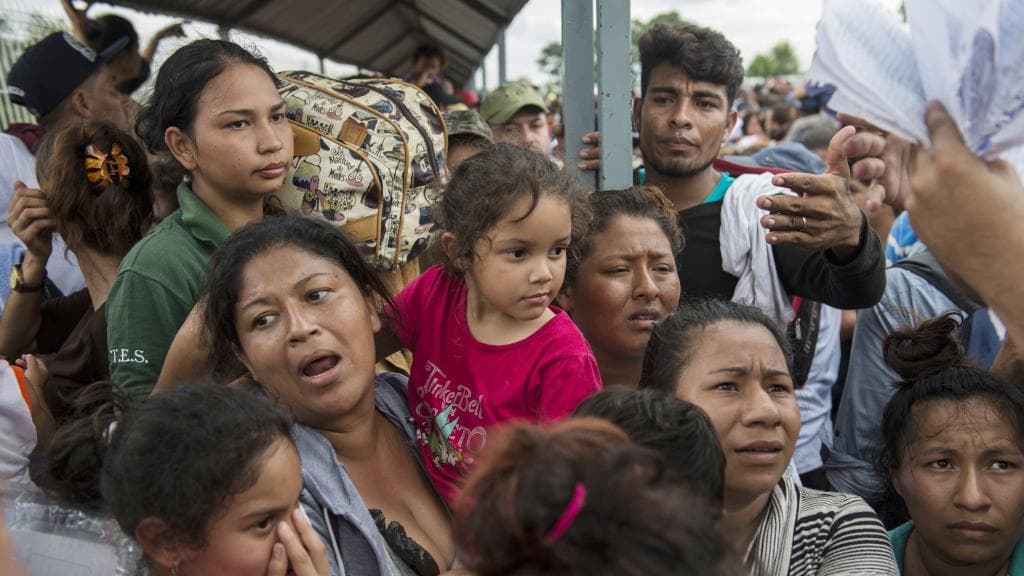
Honduran migrants on the October 2018 caravan
Imagen AP
Conspiracy theories abound about Democrats or Republicans behind this caravan, and some have gone so far as to suggest that George Soros is behind it. Personally, I’m trying to figure out if there is a connection between the Mega Millons lotto drawing, the Saudis, and the caravan.
But as entertaining as all that is, there are some important facts that are getting lost in the turmoil. Below I offer a few insights that put the caravan in a different perspective.
First, the issues driving migration from Central America have been around for several years. This is not to say that these are not serious issues but, rather, that there is nothing new that is provoking the caravan at this time. Homicide rates have been extraordinarily high in the Northern Triangle for some time, and while they have come down considerably in Honduras and El Salvador they are still two and three times higher than the regional average. Guatemala has experienced an uptick in homicides of late, but overall Guatemala has the lowest homicide rates of the three countries, so it does not explain why Guatemalans are migrating in greater numbers right now.
Poverty is chronic in the Northern Triangle with undernutrition among children in the Western Highlands of Guatemala nearly 80%. This rate has remained stubbornly high for some time. El Salvador’s economy has been underperforming for some time, well below the regional average when remittances from Salvadorans in the U.S. are factored out.
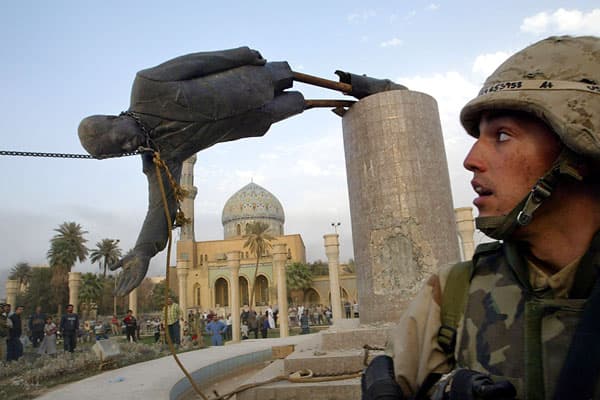
Despite a near universal desire for an end to Venezuela’s manmade disaster, sending in U.S forces to take out the Maduro regime would be counter-productive. It should be categorically rejected by interim president Juan Guaidó, not to mention the Trump administration.
The firing of undocumented workers at Trump's golf clubs just shows how the practice of employing immigrants without legal work papers is much more common than we might imagine. Such is life in the United States.
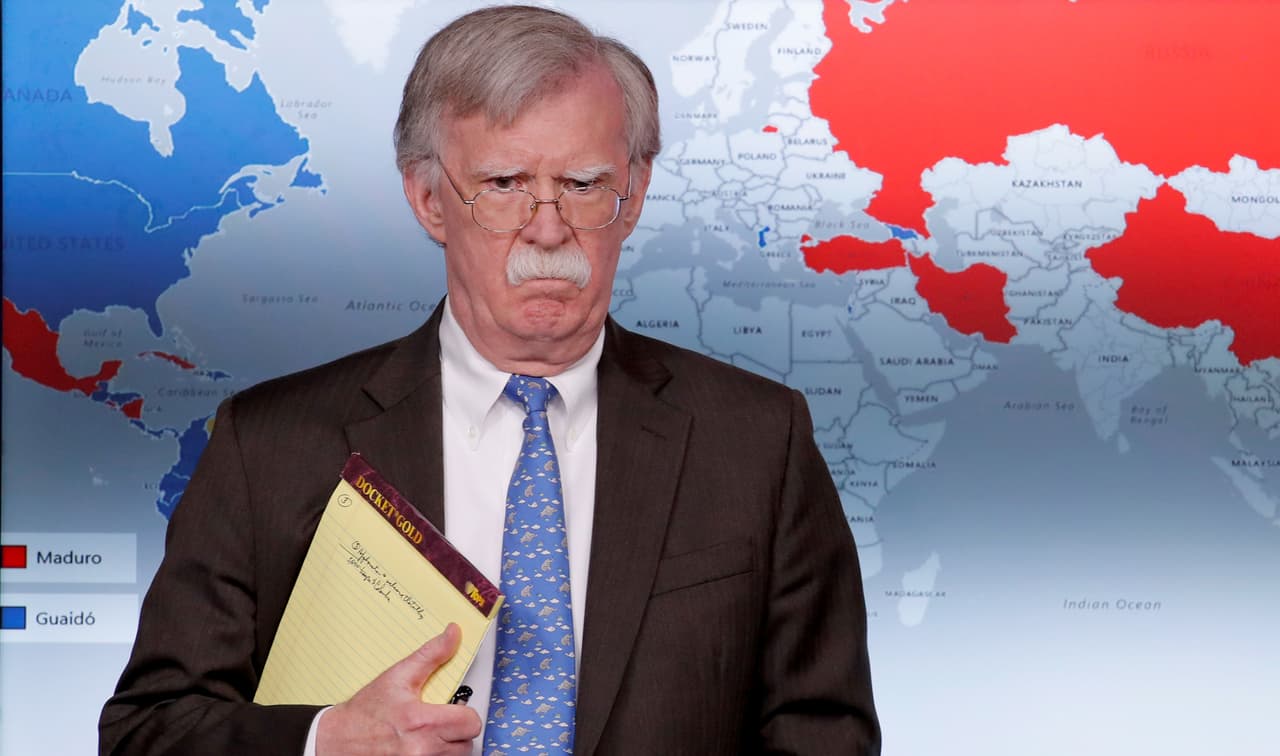
The Trump administration should be wary of fueling fake news predictions about an imminent American invasion which unrealistically raises expectations about Maduro's removal.
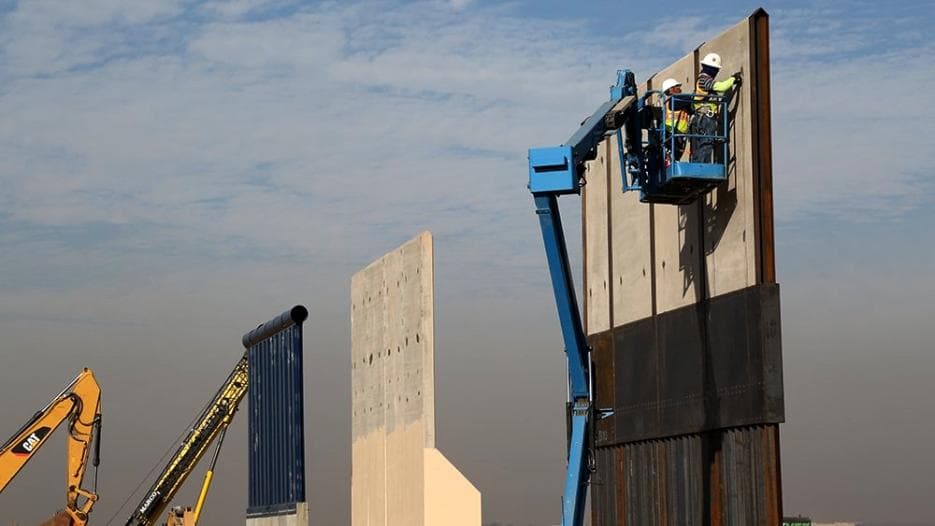
At some point we will have to accept the fact that the border between Mexico and the United States is nothing more than an invention.

The United States has had a major role in the evolving drama of the fight for democracy in Venezuela and Nicaragua. And so far, it’s been surprisingly coordinated, a veritable model of multilateralism.
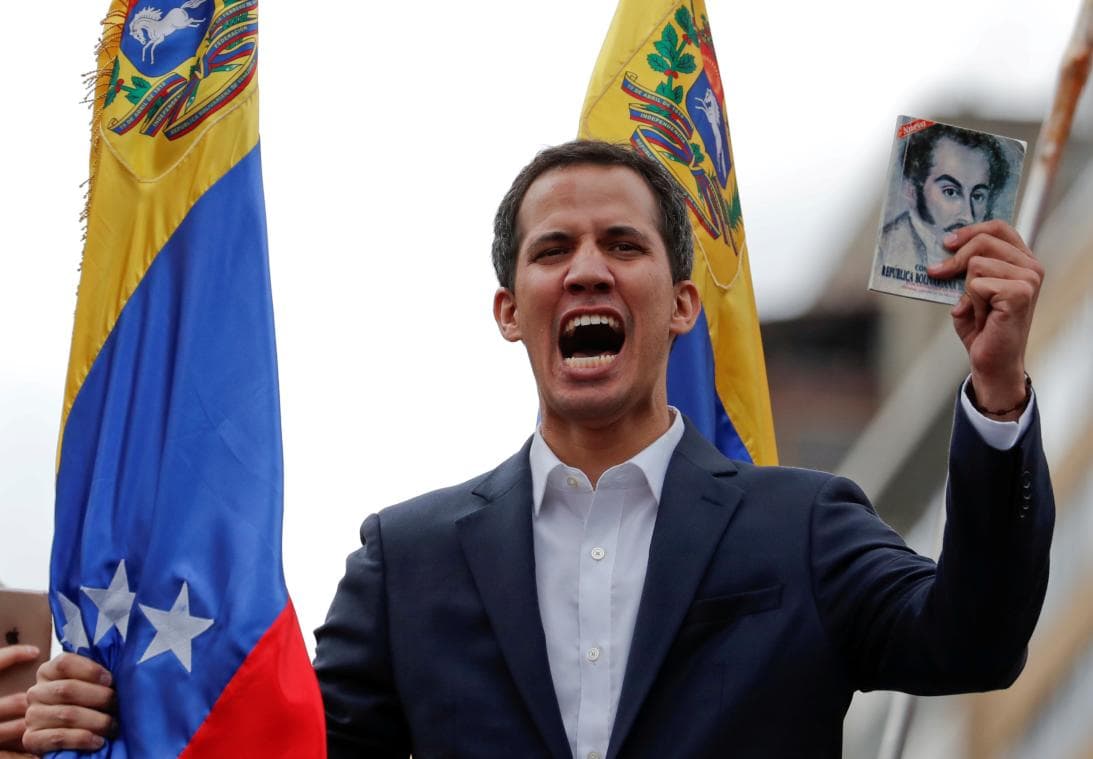
Has the Maduro regime reached breaking point? It remains hard to say, but tomorrow is another - more hopeful - day for the restoration of democracy in the South American nation.
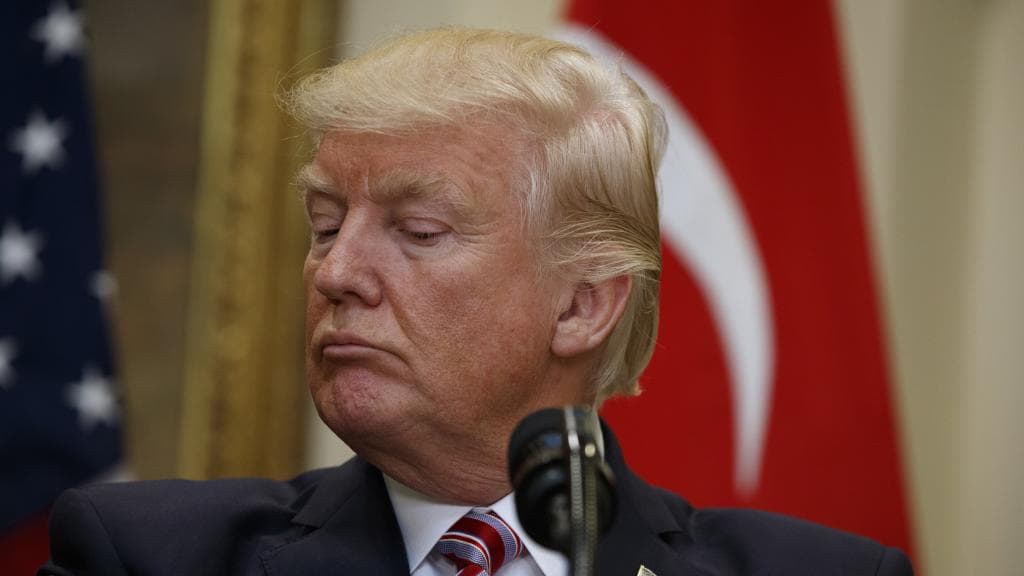
It’s impossible to get into Trump’s head but what comes out of his mouth are racist remarks. But, saddest of all are the millions who tolerate his views, cheer him on and emulate his behavior.

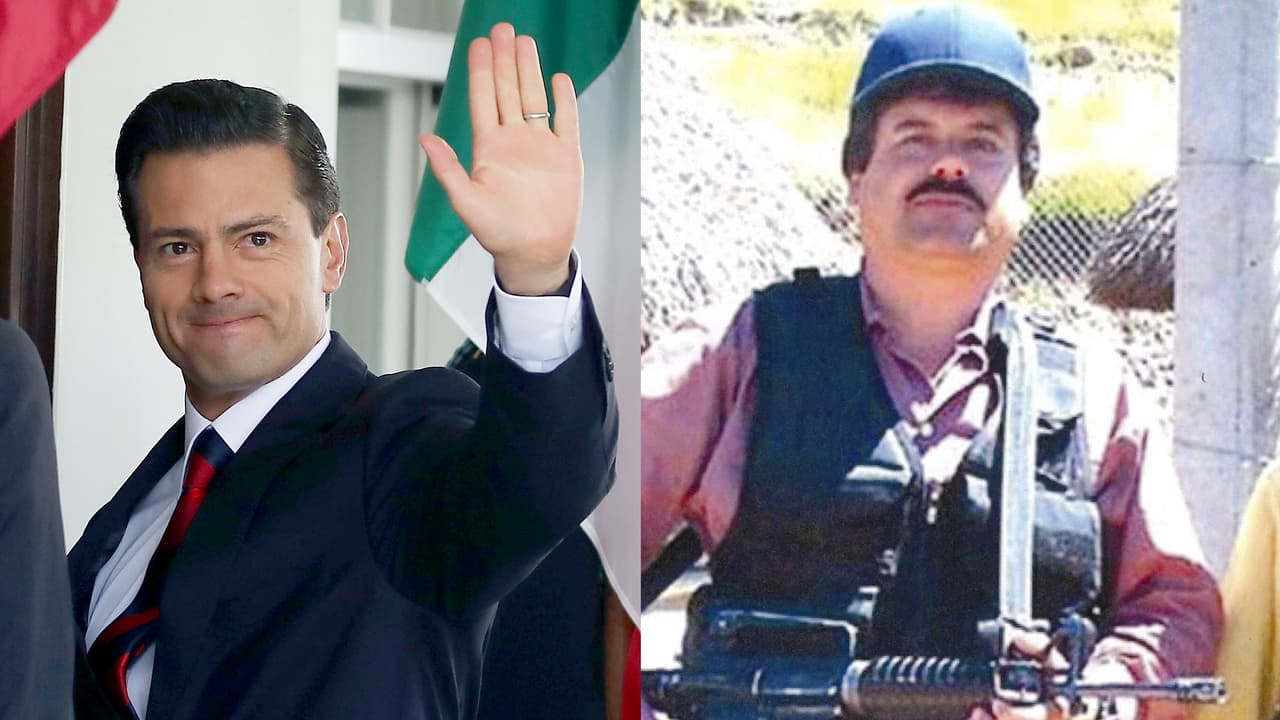
The time is well past due for the U.S. government to conduct a thorough review of leaders and their senior colleagues before they leave office to determine if they merit visas.
Corruption and weak states – especially among police, prosecutors, and courts - have also been prevalent for years. While there have been some major breakthroughs on highlevel corruption cases in Honduras, Guatemala and El Salvador, the corrupt and powerful have re-organized and are threatening the small advances that have taken place.
Overall, the crime, violence, poverty, and governance crisis facing the people of Central America may be improving on the margins but not enough to change decisions made by families and individuals to migrate.
Second, the vast majority of people leaving Central America are well aware of the risks they face along the way. They choose to undertake the journey because the risk of staying put is greater. More and more punitive measures by the United States do not seem to be tipping the balance against migration.
Furthermore, stories of extortion, beatings, rape, and exploitation along migration routes are very clear, very vivid for most would-be migrants. Increasingly, migrants must rely on criminal organizations with the logistical, communications, and intelligence capacities to move people northward and thus avoid detection, detention, and ultimately deportation. And the risks to migrants is not just from criminal organizations. Abusive and opportunistic police, migration authorities, and officials are often their biggest problem. This explains why they prefer to pay smugglers even though smugglers are also abusive.
Finally, the caravan IS NOT an attempt to throw the U.S. mid-term election to the Democrats or the Republicans. IT IS an attempt by the migrants to travel in relative security by making it more difficult for authorities and criminals to take advantage of their vulnerability along the way.
Rather than pay a criminal group $5,000 or $6,000 to migrate and thus run the risk of extortion or violence along the way, they prefer to travel in a group – caravan – where they are not paying anyone and feel safety in numbers. Many generous Mexicans have come forward to offer them food and shelter along the way.
The caravan is not a middle finger to the United States or Donald Trump – it is a rational and logical decision to protect oneself and one’s family from greater risk.
Proof of this lies in the rapidly increasing number of migrants joining the caravan. I have heard from and listened to migrants in the last couple of days that tell a similar story: I was already on the way north when I heard about the caravan. In each case they either waited for or returned to join the caravan because they thought it would be safer.
So what can be done about this? If the U.S. does not want more migrant caravans – and they will continue to form and travel northward in the absence of an alternative – then it must work diligently with Central Americans and Mexico to ensure adequate protections for migrants. Fundamental to this is the urgency of a grand bargain on migration that encompasses Central America, Mexico, and the United States.
Such a bargain will require compromises on all sides including the United States, which needs to deal with its broken immigration system, and develop safe legal pathways to migrate. It also requires the United States to deepen its engagement in Central America to address the drivers of migration.
This has been U.S. policy since 2014, but threats by President Trump to “cut-off” aid will be counterproductive if they result in weaker governments, more susceptible to organized crime and illicit trafficking, that contribute to the desperation in the region.
Relacionados: