
By David Adams in Havana @dadams7308, digital journalist at Univision Noticias (*)
Managing expectations in Cuba, post Obama and the Rolling Stones
Reporters notebook: A profound social and economic transformation is underway in Cuba
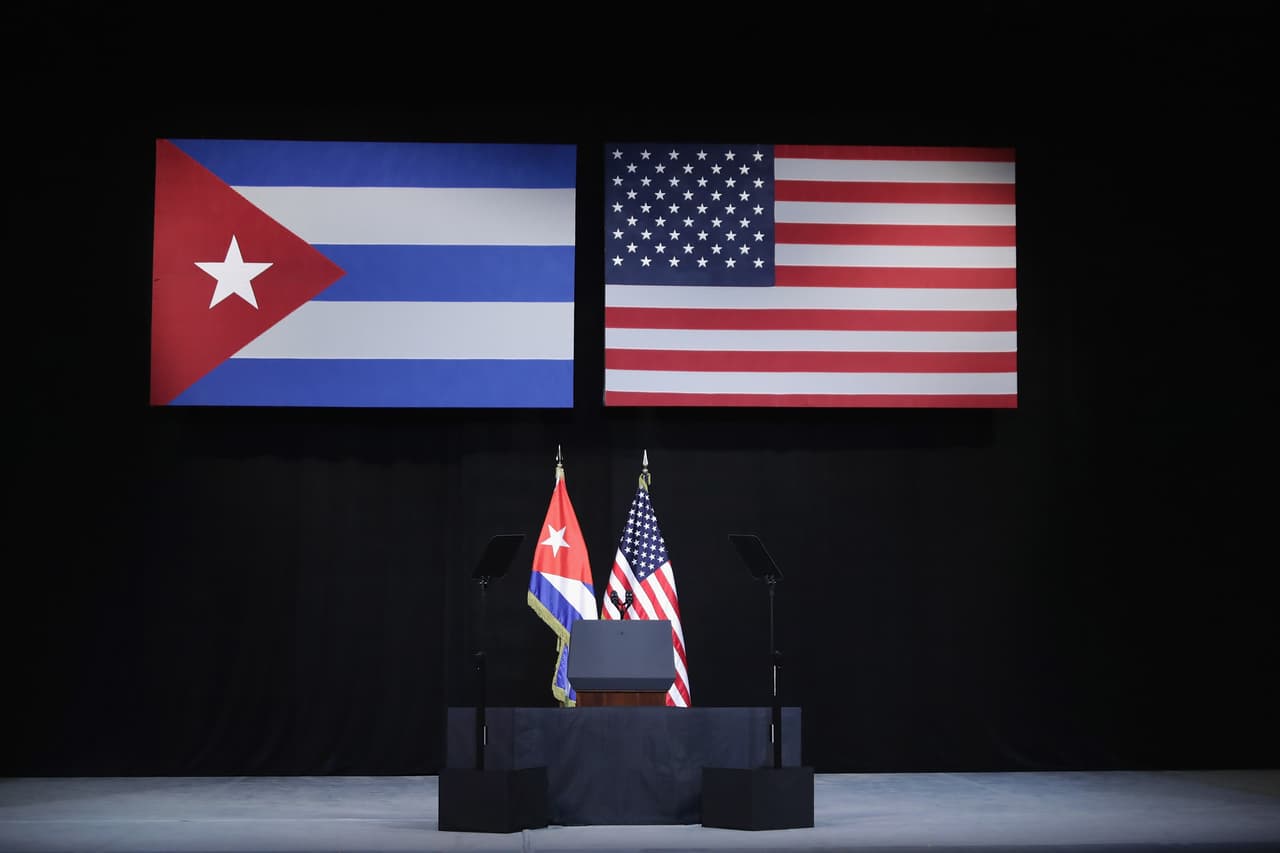
Imagen Getty Images
As President Barack Obama’s motorcade swept up the Prado Avenue in Havana last week on his way to deliver a landmark speech, I felt a tug on my arm.
“I’m desperate to get out of here,” said William Machin, a 44-year-old man who makes a living pedaling a bicycle taxi. “I don’t care what he (Obama) says, I want to leave,” he added.
Machin’s mother left Cuba on a raft in 1994. His sister is a bank clerk in Manhattan.
“I’ve had it with the (Cuban) system,” he said.
Unfortunately, it's not hard to come across Cubans like Machin who openly express an urgent desire to leave the country. Many complain that promised economic changes are coming too slowly and offer no future in the short or mid-term.
But, during a recent visit to Havana I met far more Cubans who were optimistic about the future, or at least saw a glimmer of light.
(Read article en español)
Obama’s visit, followed by a Rolling Stonesrock concert a few days later, were an enormous boost to those Cubans who love their country and would prefer to stay and help build a new and more prosperous future.
The first sitting U.S. president to set foot in Cuba in almost 90 years, Obama is so popular there that is revered almost like one of the islands Santeria spirits. One Cuban told me; "He was sent by God." Another commented: "He's like a son to me."
After rocking the socks off 500,000 Cubans on Friday night, the Rolling Stones aren’t far behind.
Both delivered inspiring messages about how the communist-run island is changing for the better.
All this uplifting talk of change might suggest that Cuba is about to throw off its socialist system and plunge back into the capitalist world it so dramatically departed after the 1959 Revolution led by Fidel Castro.
Not so.
While Cuba’s government - now led by Fidel’s brother, Raul Castro - is implementing a series of economic reforms that has seen a boom in private sector entrepreneurship, it remains a mystery how far ithe island's leaders are willing to go. So, what does change in Cuba really mean?
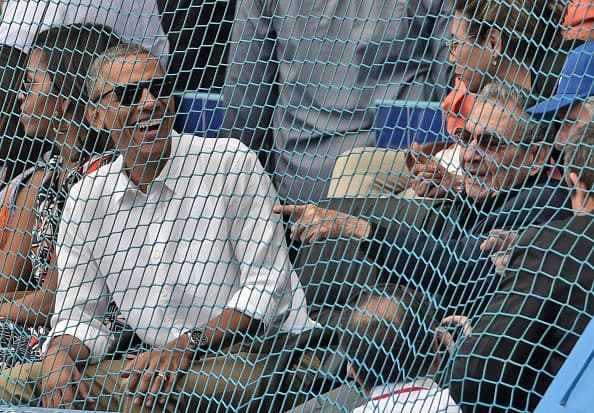
Barack Obama y Raúl Castro no sólo hablaron de política, también de béisbol. El deporte unió a los dos mandatarios, quienes se fueron al finalizar la tercera entrada del juego en que Rays venció a Cuba 4-1 en un juego que fue una fiesta el el estadio 'El Latino' de la Habana.
Imagen Getty
After spending ten days jumping in and out taxis meeting Cuban entrepreneurs, walking through the rain in Obama’s footsteps in Old Havana, and standing next to overjoyed Cubans at the Stones concert, I came away with a palpable sense that a profound social and economic transformation is indeed underway in Cuba.
Unlike a previous experiment with a private sector opening in the 1990s, this time it has a more permanent feel to it. Cuba’s new entrepreneurial class, while still in its early stages of formation, is openly demanding it, complaining more and more publicly about government restrictions. But it's still tough going.
“The new entrepreneurial system is clashing with reality, we often feel we are swimming against the current,” said Norberto Martinez, 23, who created his own publicity firm, ClickKuba. I ran into Martinez at the rock concert wearing a self-made tank top with the Stones famous tongue logo and a big fat Cuban cigar protruding from the mouth.
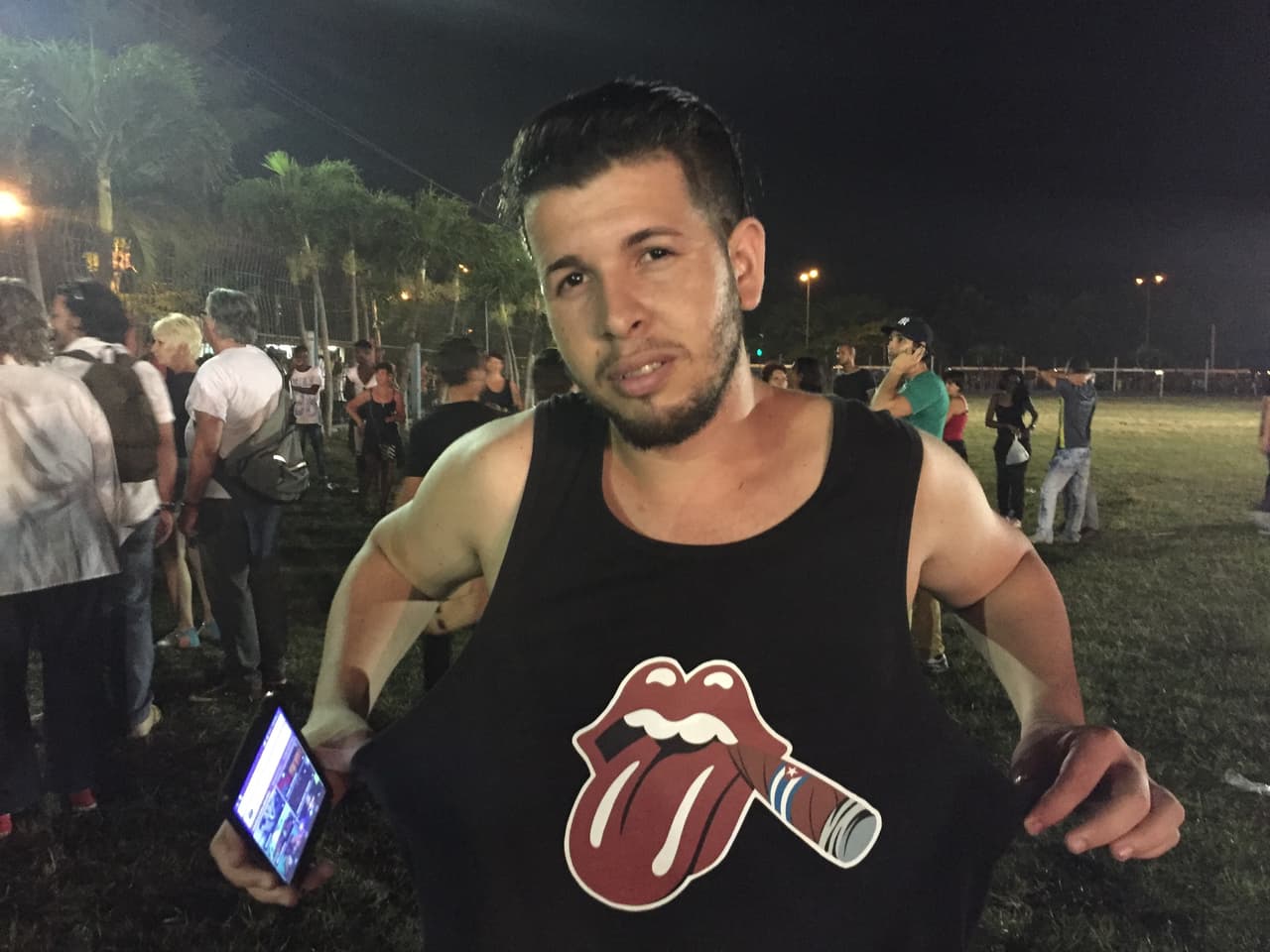
Norberto Martinez wearing ClickKuba t-shirt at the Rolling Stones concert
Imagen David Adams / Univision
Far from being disillusioned, he said his future is in Cuba. “There are lots of people like me who have no interest in leaving (Cuba). We want to see what we can make of this opportunity,” he told me when we met for coffee the next day.
Despite a near universal desire for an end to Venezuela’s manmade disaster, sending in U.S forces to take out the Maduro regime would be counter-productive. It should be categorically rejected by interim president Juan Guaidó, not to mention the Trump administration.
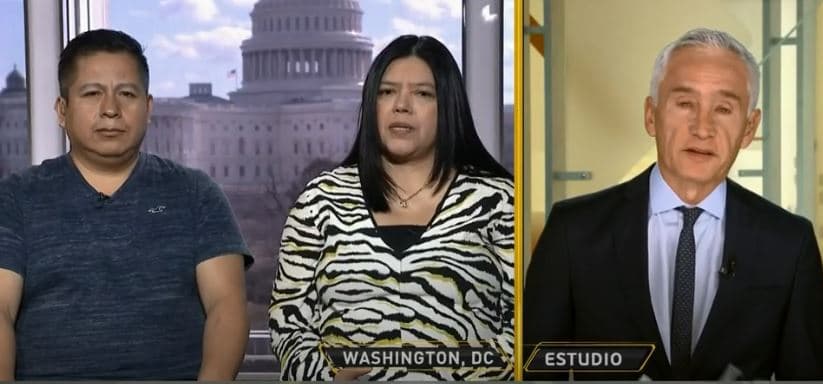
The firing of undocumented workers at Trump's golf clubs just shows how the practice of employing immigrants without legal work papers is much more common than we might imagine. Such is life in the United States.
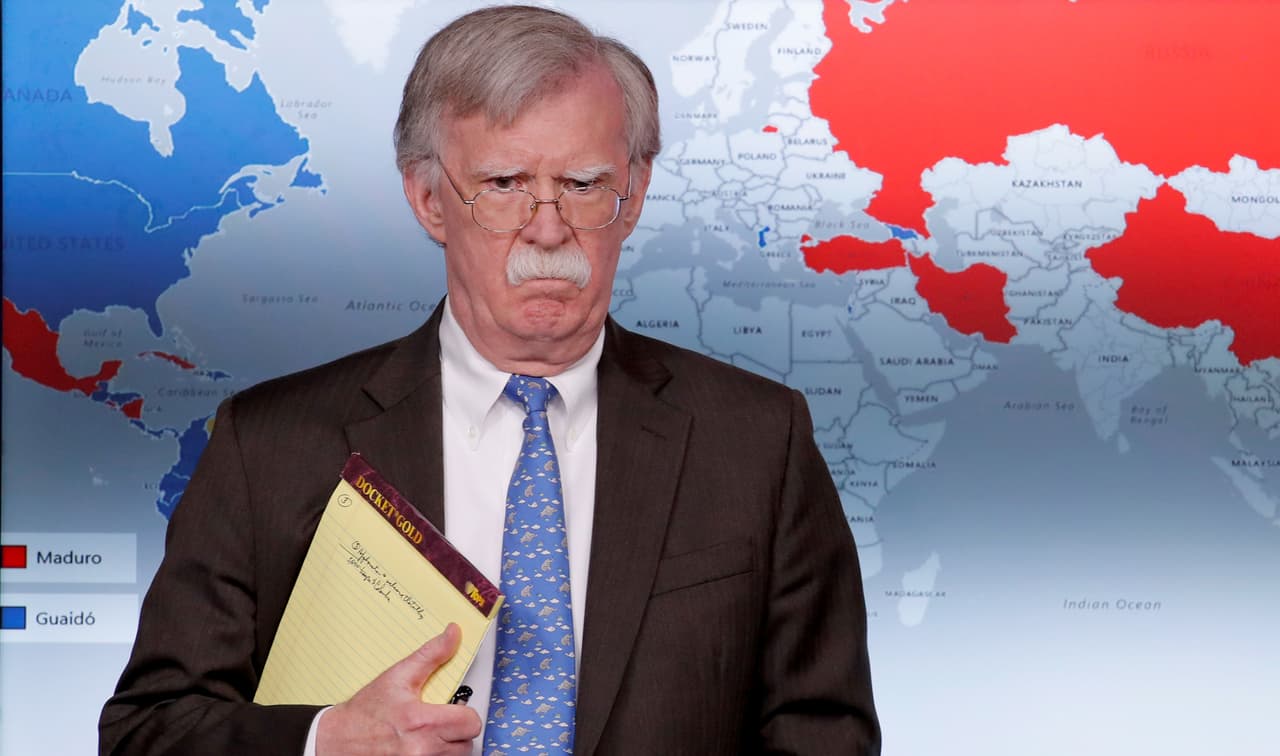
The Trump administration should be wary of fueling fake news predictions about an imminent American invasion which unrealistically raises expectations about Maduro's removal.
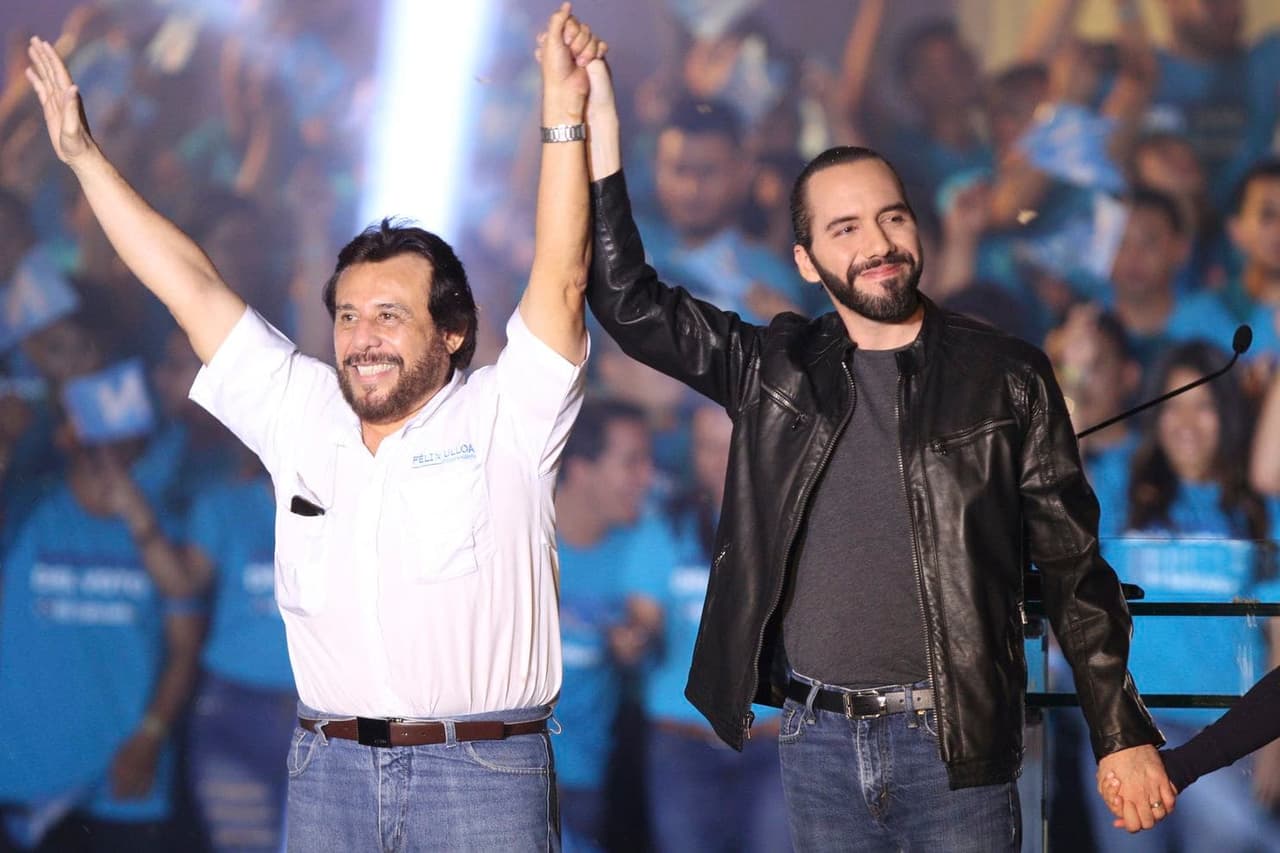
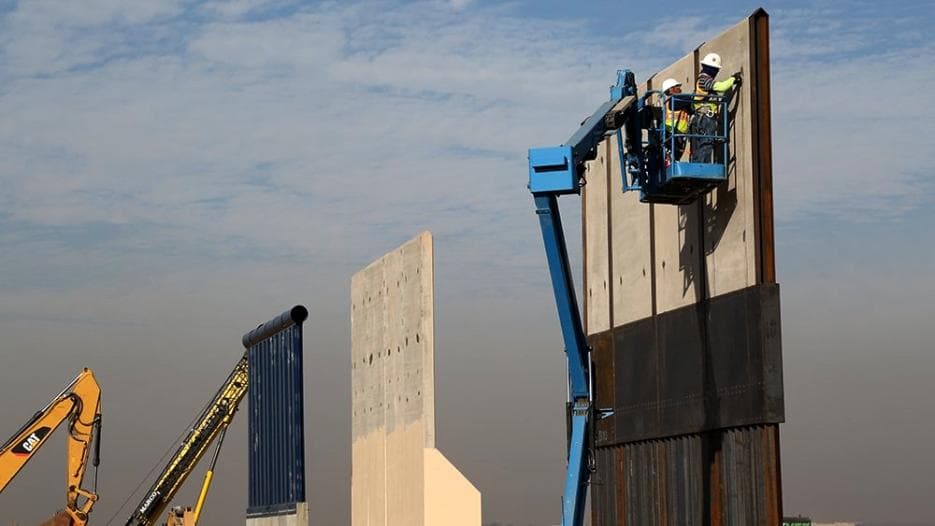
At some point we will have to accept the fact that the border between Mexico and the United States is nothing more than an invention.

The United States has had a major role in the evolving drama of the fight for democracy in Venezuela and Nicaragua. And so far, it’s been surprisingly coordinated, a veritable model of multilateralism.
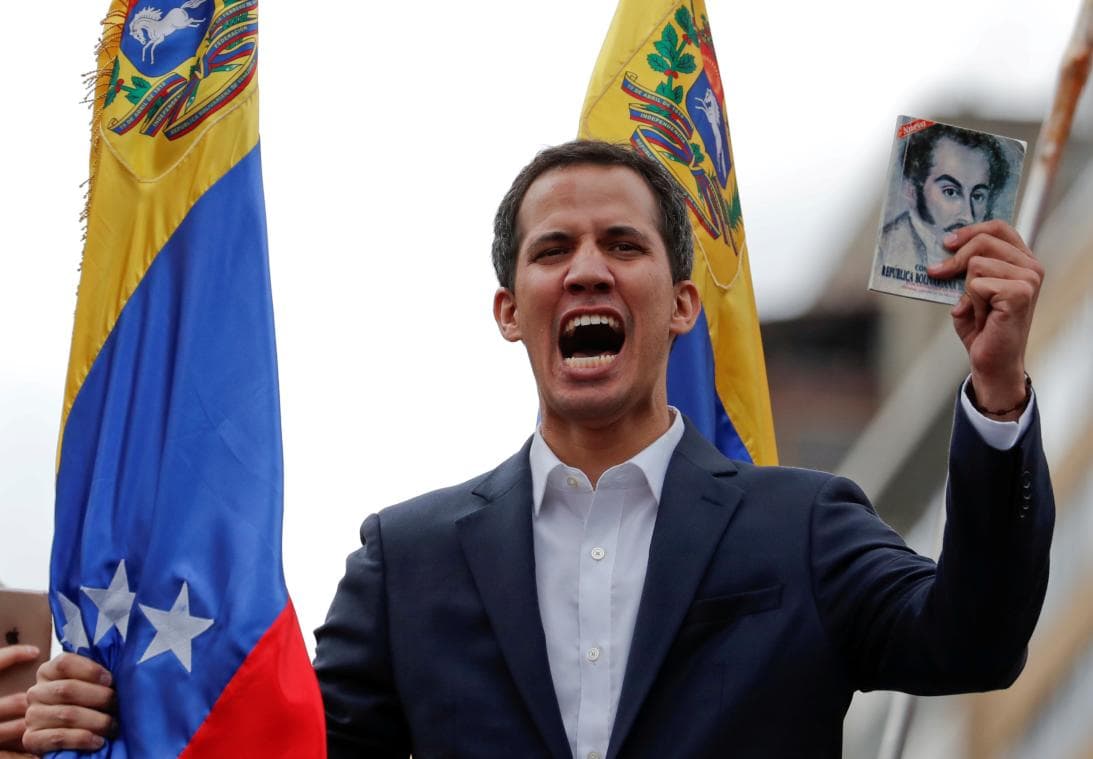
Has the Maduro regime reached breaking point? It remains hard to say, but tomorrow is another - more hopeful - day for the restoration of democracy in the South American nation.
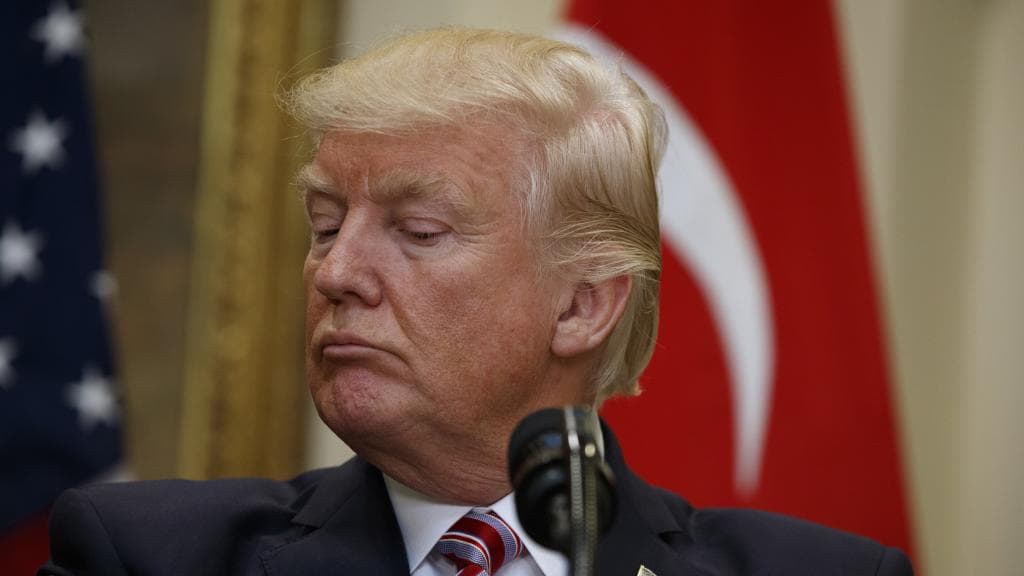
It’s impossible to get into Trump’s head but what comes out of his mouth are racist remarks. But, saddest of all are the millions who tolerate his views, cheer him on and emulate his behavior.
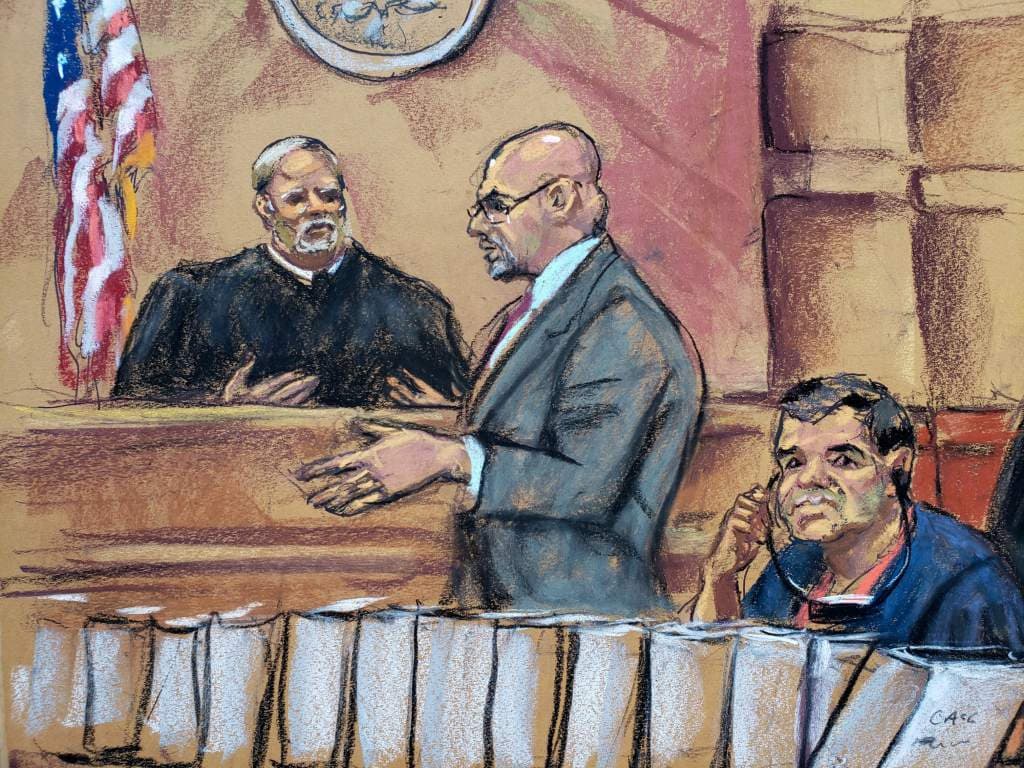
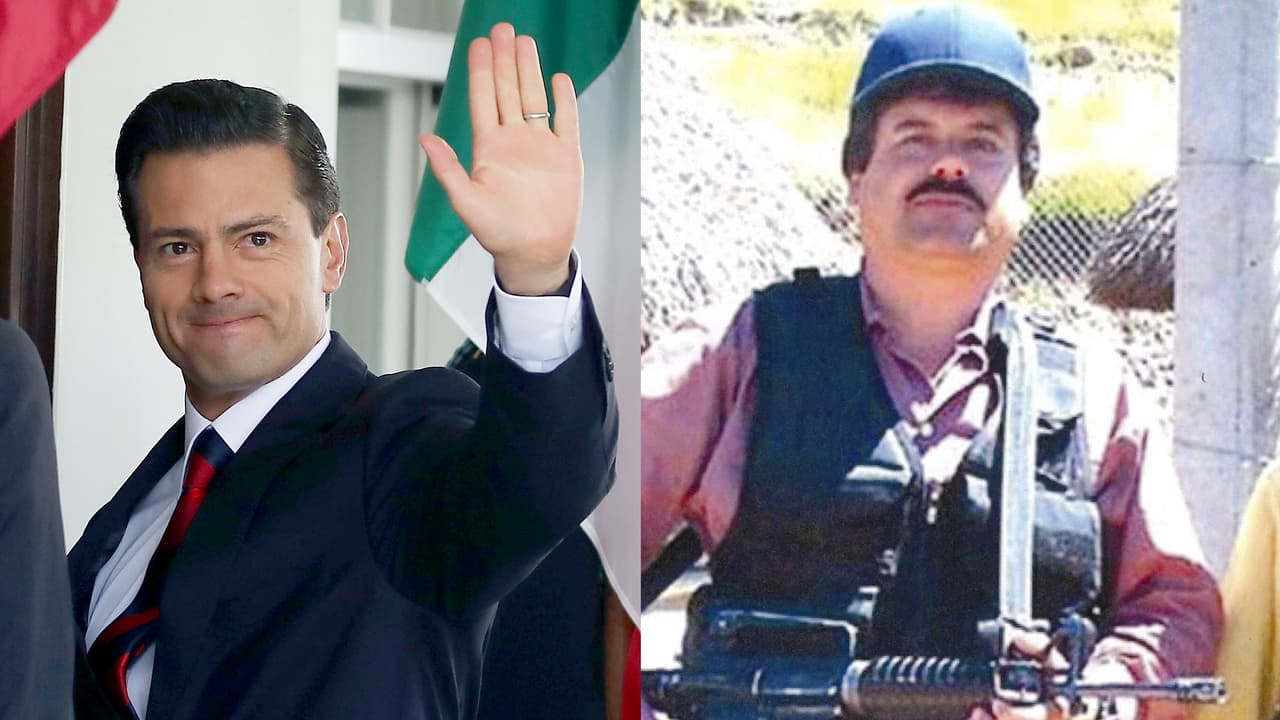
The time is well past due for the U.S. government to conduct a thorough review of leaders and their senior colleagues before they leave office to determine if they merit visas.
I also met two young computer programmers Alejandro Paid, 26 and Suilan Estevez, 25, who are dabbling in the private sector as business data mining consultants.
“We love this country and this epoch. This is the best era to be living in as Cubans. We can see people on both sides trying to achieve the same thing,” said Piad, referring to Obama’s policy of normalization.
These young Cubans are impatient for change but they also appreciate that Cuba’s communist party still has some issues to overcome as the island transitions from a war footing to a more normal relationship with the United States.
"Slowly but surely"
In that sense Cuba is like the proverbial supertanker that can only turn slowly. Raul Castro dubbed the phrase “sin prisa, pero sin pausa” (slowly but surely) in 2010 when he announced a 5-year reform program to “modernize” the economy, eliminating inefficient state-run companies and cutting one million jobs.
While Cuba has no intention of returning to pre-1959 capitalism, a very different Cuba is emerging, one where the state is allowing greater private enterprise and some political restructuring may also be in the offing. New small businesses are popping up all over the capital, from B&Bs and restaurants to mechanics and cell phone repair shops.
Raul Castro has already announced he will step down in early 2018, and future presidents will be limited to two consecutive 4-year terms. Many Cubans now ask when will he relinquish his all-important post of First Secretary of the Central Committee of the Cuban Communist Party? That answer could come as soon as a party Congress in April.
While we are now in unchartered waters, one thing is certain to me: a new course has been set. As Obama said in his masterful speech; "I know the history, but I refuse to be trapped by it."
Rarely have I seen a U.S. foreign policy executed with such intuition. For months I watched with mounting curiosity as the White House reached out to a coterie of progressive Cuban Americans in Miami prior to the visit, seeking their insights both on the exile community and the situation in Cuba.
That's why Obama looked so comfortable in Cuba, even standing beside Raul Castro. I watched as tears streamed down the face of a woman watching Obama speak. They were tears of sadness, as she thought of her meager existence and a daughter who left three years ago, But they were also tears of joy, that flowed from a realization that someone in power actually cared about her condition and was willing to stake his political future on bettering it.
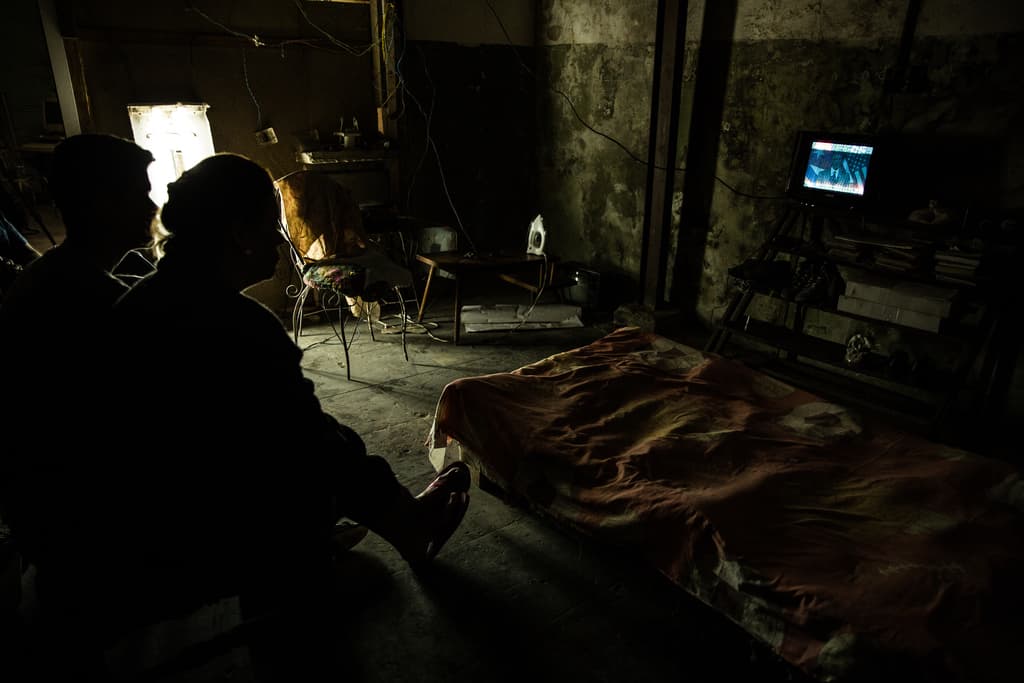
Yohamna Monzón, Edel Feria and their son Emanuel Rodríguez, 16, watch Obama on TV
Imagen Almudena Toral, Univision
Obama focused especially on the ambitions of younger Cubans seeking to try something better. The young generation is tired of seeing friends and family abandon the island, determined to chase their own dreams and not repeat the sacrifices their parents and grandparents were forced to make.
While the U.S. was no longer seeking to impose regime change on Cuba, Obama offered some gentle advice for its leaders. Unless Cuba keeps moving forward with changes to loosen state control of the economy, as well as civil rights, “over time, the youth will lose hope,” he said.
Many I spoke to in Cuba feel the same way about Cuba's communist system. “Fifty years are enough, more than enough, excessively so,” said Martinez at ClickKuba, a former student youth leader. “It didn’t give us any quality of life. It just made everyone want to leave.”
Backlash
Following Obama's speech there was an immediate backlash in Cuba's state media, suggesting some of the more hardline ideologues felt Raul Castro had allowed the White House too much leeway.
Obama was no different from American politicians before him and shared the same geopolitical ambitions, Cuban political scientist, Dario Machado Rodriguez wrote last week in Granma , the official organ of the Cuban Communist Party. With all his charisma and oratory skills, Obama was “probably the best and most capable person on hand today to mask the strategic objectives of American imperialism,” he wrote. “There is no doubt: Obama is the soft and seductive face of the same danger,” he added.
Cuban officials insist Obama must do more to lift the five decades-old economic embargo against the island.
Now retired, Fidel Castro, 89, also penned an article in Granma this week in which he scorned Obama's call to bury the hatchet. Listening to Obama's "honey-coated words" was enough to give anyone a heart attack, Castro wrote in his first public reaction to the visit, accusing Obama of ignoring important chapters of Cuban history. "We do not need the empire to give us anything," he said.
So, here is the dilemma for Cuba's leaders: like Obama, are they too ready to put history to one side? And how tightly will they grasp the U.S.’s hand of friendship?
Trojan horse?
It’s no surprise perhaps that Cuban officials remain mistrustful of Obama’s policy of private sector promotion which could be viewed as a dangerous Trojan horse designed to liberate Cubans from state control. Obama was also accompanied by a contingent of wealthy Cuban Americans, most of whom lost property in Cuba, but now support normalization.
I sat with them after Obama's speech as they celebrated with Cuban sandwiches at the luxury Saratoga Hotel. Among them was Mike Fernandez, 64, a multi-millionaire chairman of a private equity investment firm who was born to a poor family in eastern Cuba and left the island when he was 12. A Republican, he was also a major donor to Jeb Bush’s presidential election campaign.
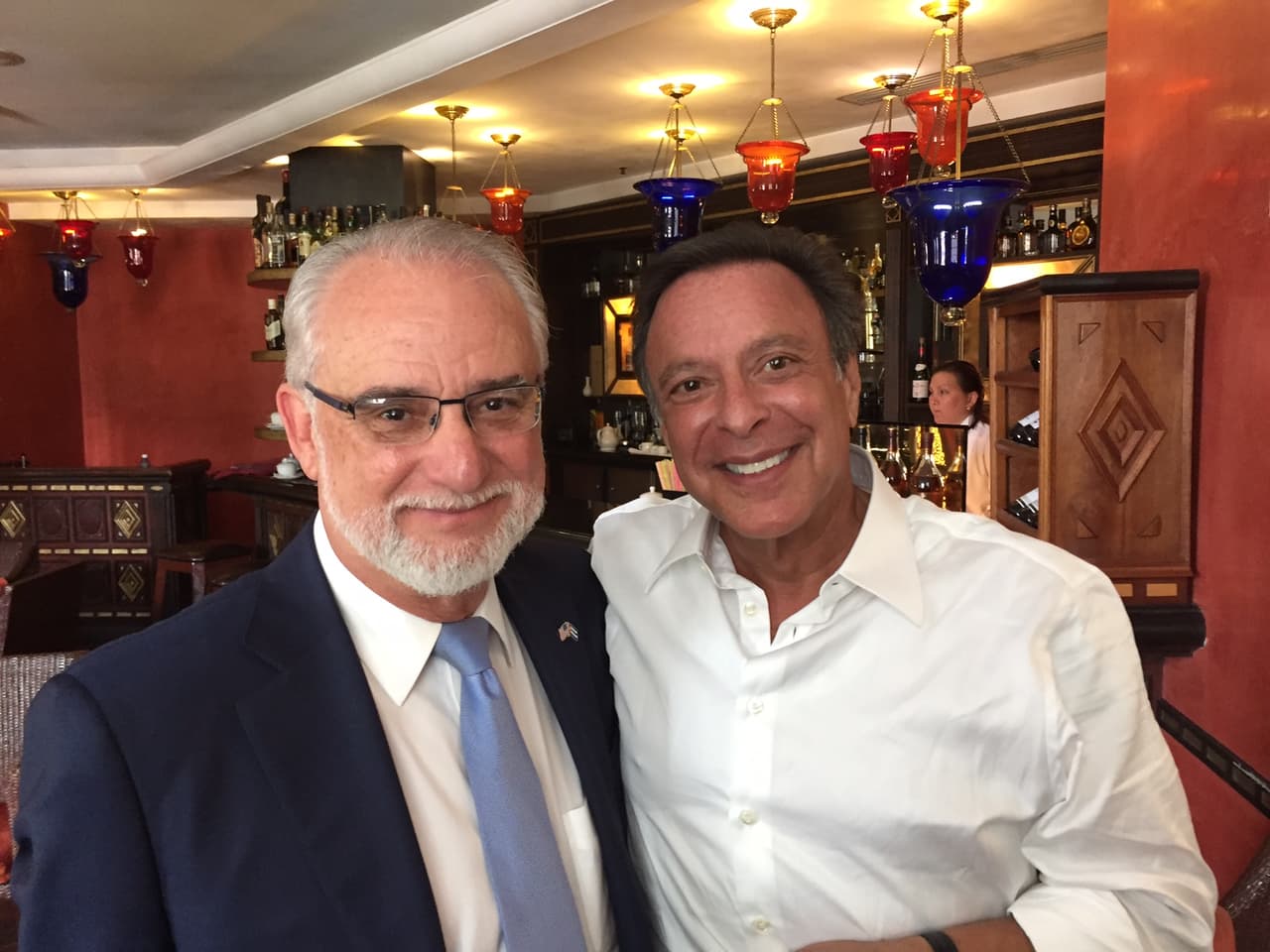
Cuban Americans celebrate Obama's speech at the Hotel Saratoga in Havana. Left to right, Pedro Freyre, Mike Fernandez
Imagen David Adams, Univision
Like Obama, Fernandez sees private sector growth as the key to future prosperity in Cuba, but he realizes that Cuba’s communist leaders are wary of losing their grip on the nation’s economic activity, what Karl Marx called the ‘means of production.’
“Even if the embargo is lifted tomorrow they (the Cuban government) are prisoners of their ideology. They are still on the defensive. But this is no longer about survival, it’s about advancement. They have to be more pragmatic,” he said.
Fernandez believes that little by little officials fears in Cuba can be overcome as the normalization process advances and confidence and trust grow. Already last week Cuba signed management contracts with a major U.S. hotel firm, and American cruise ships and airlines will begin regular commercial services in the fall.
In only a few years Cuba has created 500,000 rivate sector business licenses that now account for 25% of the labor force, he pointed out.
“All that, without a shot being fired. That's progress.”
(*) David Adams is a British-born reporter based in Miami. He has been reporting on Cuba since 1988.
Disclaimer: We selected this Op-Ed to be published in our opinion section as a contribution to public debate. The views and opinions expressed in this column are those of its author(s) and/or the organization(s) they represent and do not reflect the views or the editorial line of Univision Noticias.
Related stories: