Some books are written with ink on paper; others, on laptops. But a new book by the Venezuelan opposition leader Leopoldo López was partly written on skin.
Leopoldo López: Imprisoned, but not silent
One of Venezuela's most prominent political prisoners has published a book, in spite of the government's attempt to block his efforts to make his story public.
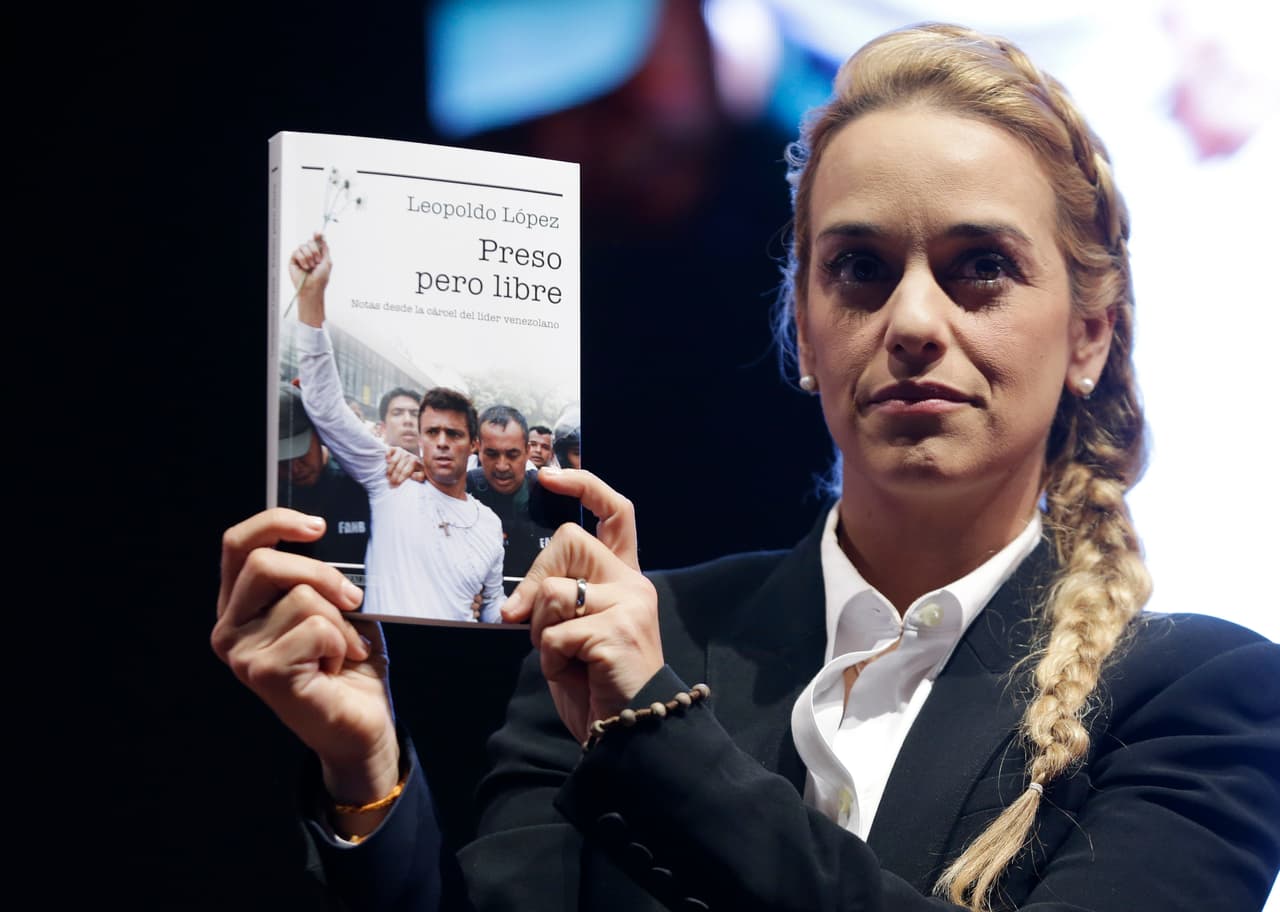
Lilian Tintori, Leopoldo López's wife, holds up a copy the imprisoned opposition leader's book in Bogota, Colombia in May.
Imagen The Associated Press
Since February 2014, López has been locked up at Venezuela’s Ramo Verde prison on charges of inciting riots against the regime of President Nicolas Maduro. His sentence: more than 13 years. Shortly after he arrived, guards were ordered to keep him away from pen and paper so that he couldn’t communicate with the outside. Maduro doesn’t want López’s words reaching the world, but words can escape in other ways.
“His sister Diana wrote paragraphs [of López’s book] on her skin,” Lilian Tintori, López’s wife and a human-rights advocate, told me in a recent interview in Miami. “His mother wrote on her legs … I, too, wrote on small pieces of paper I took with me, or on my own skin.”
These three women would collect any information they could when they visited López, then they’d smuggle his messages out, if they could elude his jailers. The end result is the new book, “Imprisoned Yet Free,” which chronicles López’s first year in prison.
On his first night, he recalls, all he had in his cell was “an old bedsheet and a worn-out mattress.” His conditions haven’t improved since then. “Top-ranking authorities in Ramo Verde treat us like foreign prisoners of war,” López writes. “We’re considered enemies.”
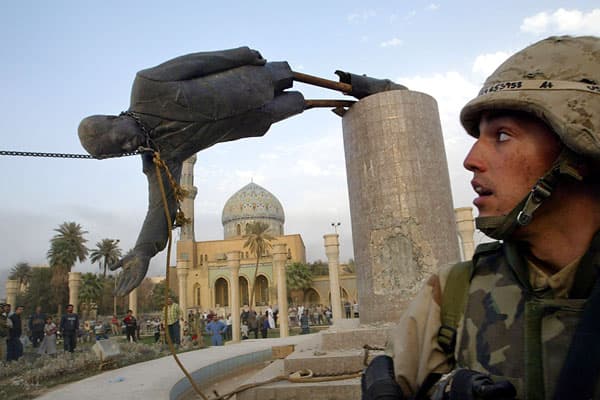
Despite a near universal desire for an end to Venezuela’s manmade disaster, sending in U.S forces to take out the Maduro regime would be counter-productive. It should be categorically rejected by interim president Juan Guaidó, not to mention the Trump administration.
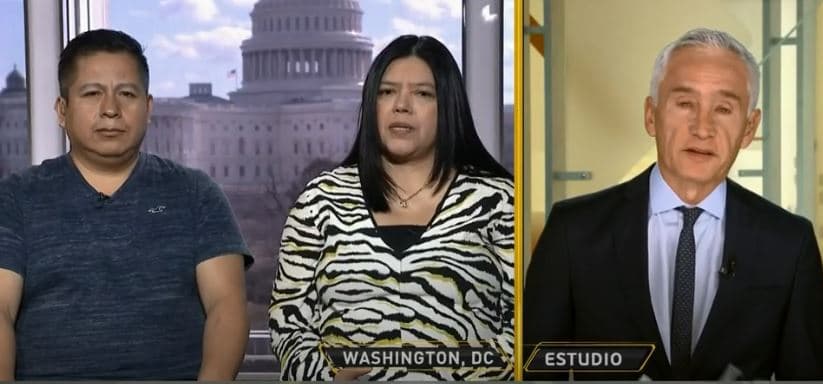
The firing of undocumented workers at Trump's golf clubs just shows how the practice of employing immigrants without legal work papers is much more common than we might imagine. Such is life in the United States.
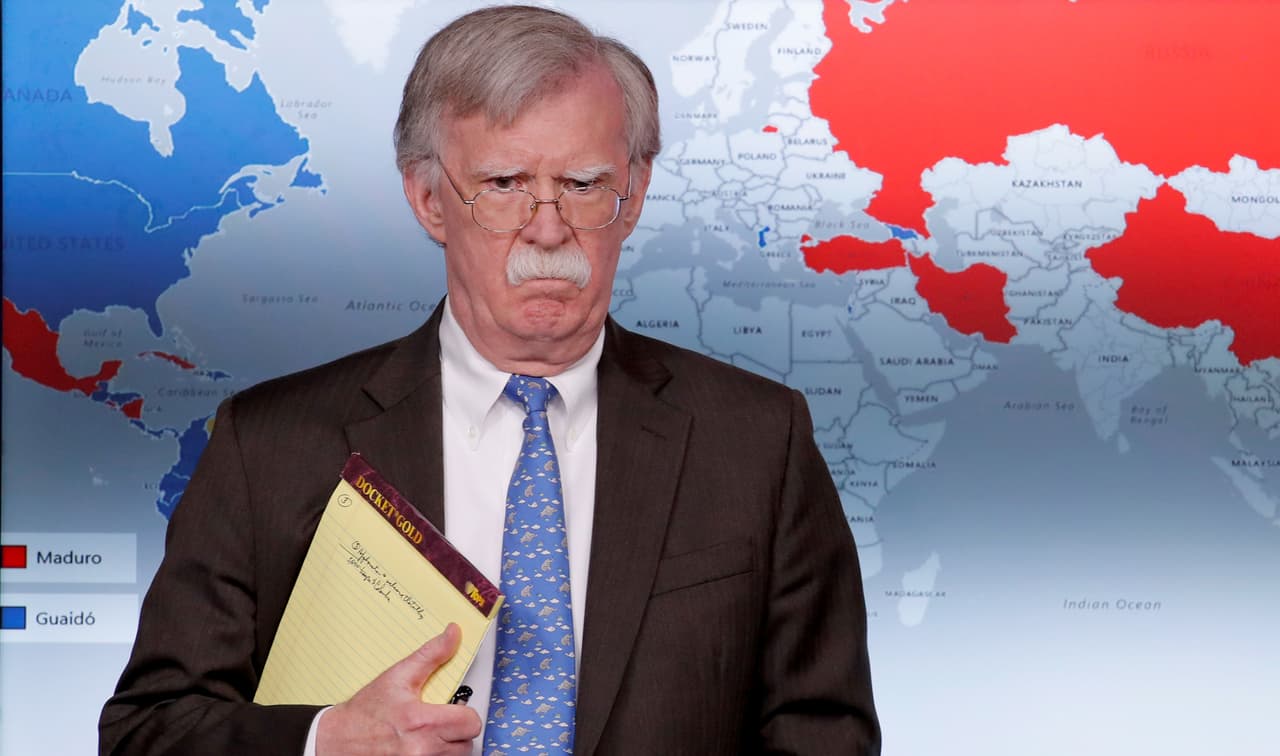
The Trump administration should be wary of fueling fake news predictions about an imminent American invasion which unrealistically raises expectations about Maduro's removal.
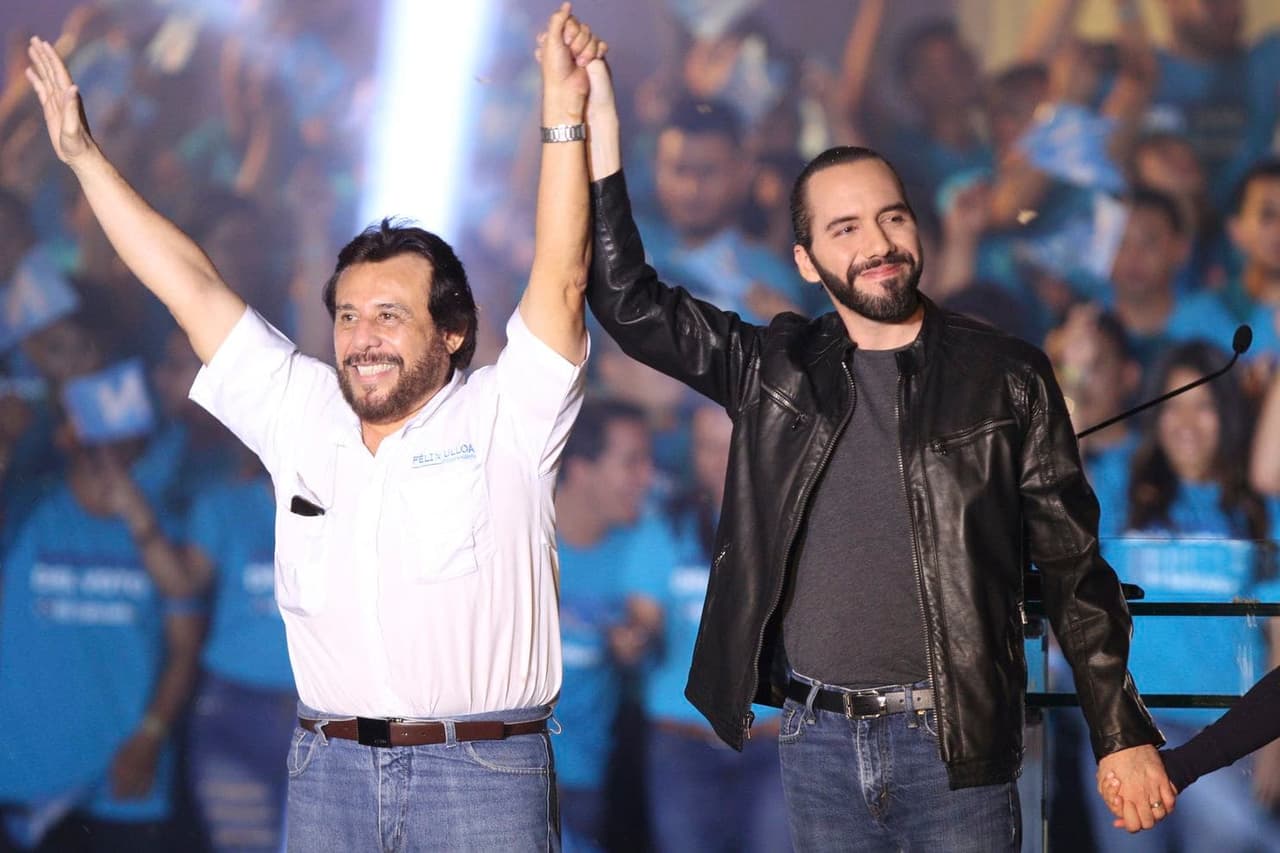

At some point we will have to accept the fact that the border between Mexico and the United States is nothing more than an invention.

The United States has had a major role in the evolving drama of the fight for democracy in Venezuela and Nicaragua. And so far, it’s been surprisingly coordinated, a veritable model of multilateralism.
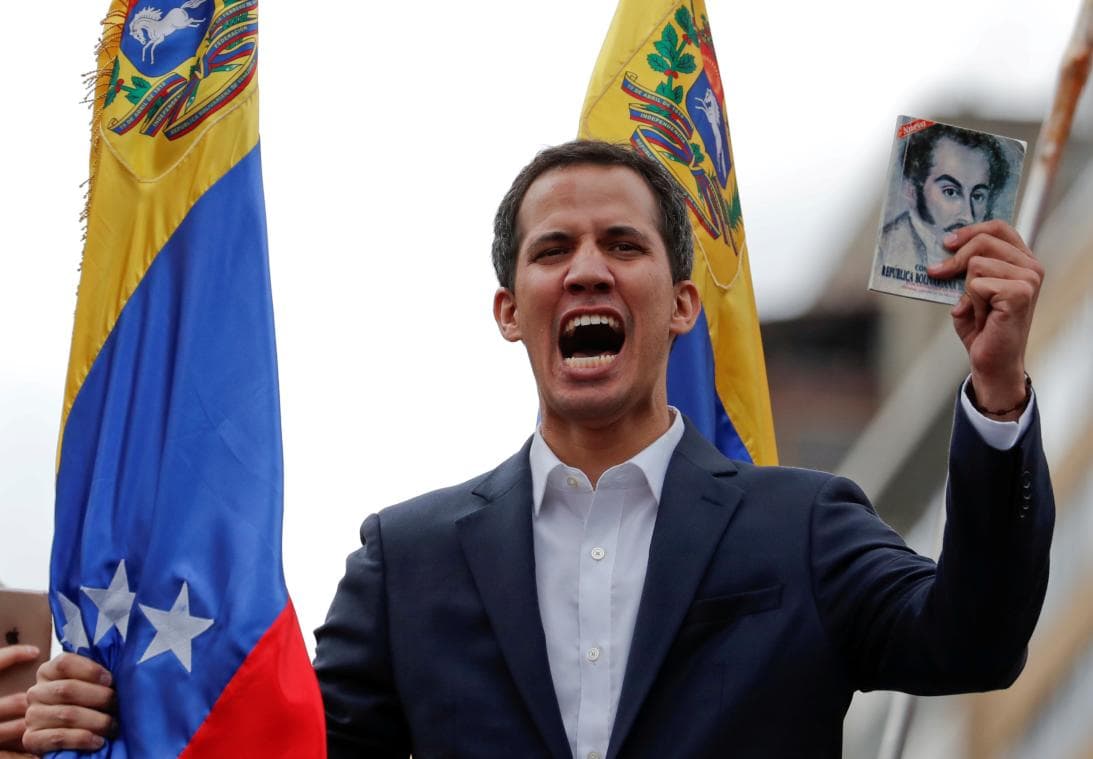
Has the Maduro regime reached breaking point? It remains hard to say, but tomorrow is another - more hopeful - day for the restoration of democracy in the South American nation.
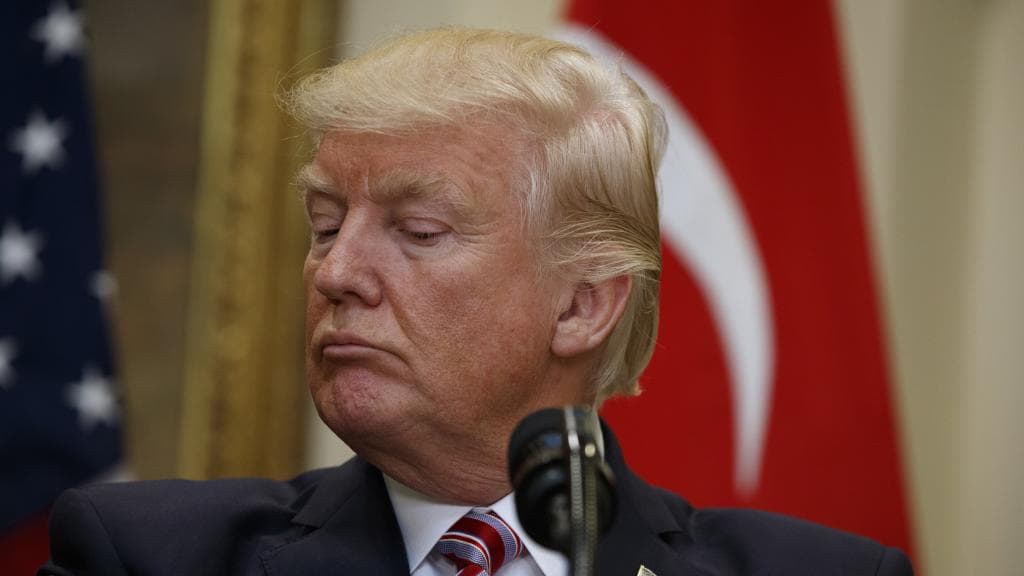
It’s impossible to get into Trump’s head but what comes out of his mouth are racist remarks. But, saddest of all are the millions who tolerate his views, cheer him on and emulate his behavior.
The time is well past due for the U.S. government to conduct a thorough review of leaders and their senior colleagues before they leave office to determine if they merit visas.
At first he was still allowed to choose his own books to read. He managed to accumulate about 300 books in his cell. Now he’s only allowed three at a time.
Tintori, who visits him twice a week, told me that López is being tortured. She detailed the daily strip searches that he has to endure. “They force him to get naked 10 times a day, in his cell, where’s he’s alone,” she said. “With no reason whatsoever — they do it to torture him, to break him.”
But authorities haven’t broken López’s spirit. “Since I arrived at Ramo Verde, I realized my main battlefield would be in my mind and my mood,” López writes. “If I am fine, my family is better, and my political team is more motivated.”
In prison, López tries to maintain a routine: He wakes at 5 a.m., makes his bed, has coffee, prays, works out and practices boxing with another inmate. By midmorning he starts what he calls his first “batch” of reading. Discipline marks the rest of his day. His mantra: “He who gets tired, loses.”
In 2014, when a warrant was issued for his arrest, López went against the wishes of his family and supporters and turned himself in to authorities. His release from prison now hinges on the election of a new government. “Nicolas Maduro is the one who keeps Leopoldo in jail,” Tintori told me. By her count, there are 108 political prisoners behind bars in Venezuela.
Meanwhile, Tintori and Venezuelan opposition leaders are pushing for a recall referendum in order to remove Maduro from office. But the administration is doing all it can to invalidate the referendum, or at least postpone it until next year. Meanwhile, Venezuela’s political and economic situation grows more dire.
“We’re talking about a dictatorship in Venezuela,” Tintori said. “[Maduro] is a dictator. He’s responsible for the social, political and humanitarian crisis in Venezuela. He knows that in Venezuela there is no food, no medicine. But there is violence — one Venezuelan is killed every 18 minutes. He knows this, and has done nothing to make things better.”
As pressure on Maduro’s government has grown, jail conditions for López have worsened. In addition to forbidding him from expressing himself through any sort of writing, authorities barred family phone calls for two months, Tintori told me. “They lock him up every night at 8 o’clock, without light, and he’s not even allowed a candle or a lamp to read,” she said.
Jailers have also found ways to prevent Tintori and other family members from communicating on behalf of López. “Now, at the inspection, [guards] scrub our skin with alcohol so we won’t be able to write anything on it,” Tintori said.
But the damage to Maduro has been done. The book is published, and Venezuela is rebelling against the regime. When the time is right, nothing can stop an idea from circulating.
Jorge Ramos, an Emmy Award-winning journalist, is a news anchor on Univision and the host of “America With Jorge Ramos” on Fusion. Originally from Mexico and now based in Florida, Ramos is the author of several best-selling books. His latest is “Take a Stand: Lessons From Rebels.”
Relacionados: