Today I come here to ask you —or rather to beg of you— not to follow your governments instructions, to reject many of the things you learned in journalism schools, to not always listen to your parents and teachers, and to not follow to the letter the precepts of what a reputable journalist is supposed to be.
Journalists should always be prepared to disobey
"I like to think of journalism as a counterweight. You must always be on the other side of those in power and, particularly, when those in power abuse their authority." - Jorge Ramos, accepting the Gabriel García Márquez Journalism Award.
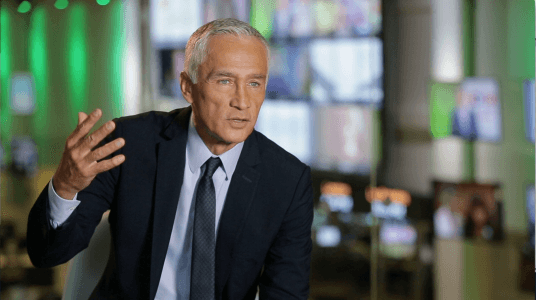
“Entrevistar es un arte, imperfecto y que casi nunca se domina".
I have come here today to ask you to disobey.
All of you.
Disobeying is ultimately a transgression. Good journalism always breaks something, it never leaves things the way they are. That is why I like to think of journalism as a counterweight. You must always be on the other side of those in power and, particularly, when those in power abuse their authority.
That is why you must disobey the anti-immigrant bully in the White House.
That is why you must disobey the dictators of Cuba and Venezuela.
That is why you must disobey the president of Mexico, where so many journalists have been killed, and where most crimes go unpunished.
That is why you must disobey anyone who asks for loyalty and patience.
I consider journalism a public service. And what service do we serve? Our service is to ask questions.
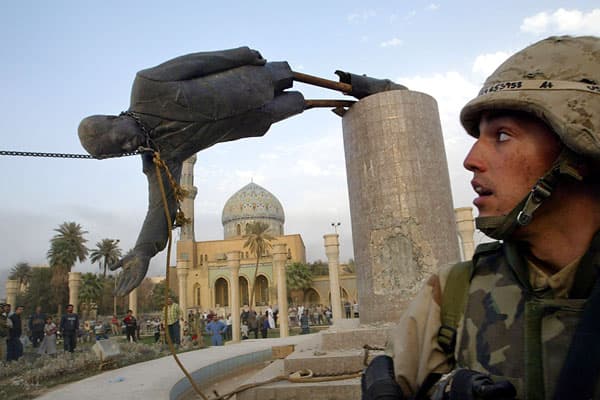
Despite a near universal desire for an end to Venezuela’s manmade disaster, sending in U.S forces to take out the Maduro regime would be counter-productive. It should be categorically rejected by interim president Juan Guaidó, not to mention the Trump administration.
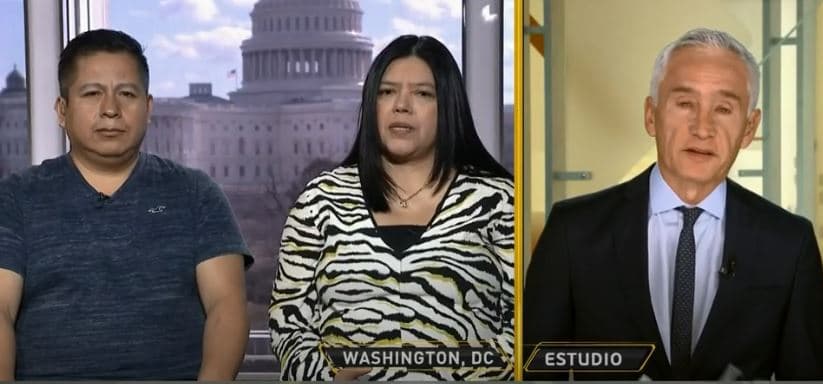
The firing of undocumented workers at Trump's golf clubs just shows how the practice of employing immigrants without legal work papers is much more common than we might imagine. Such is life in the United States.
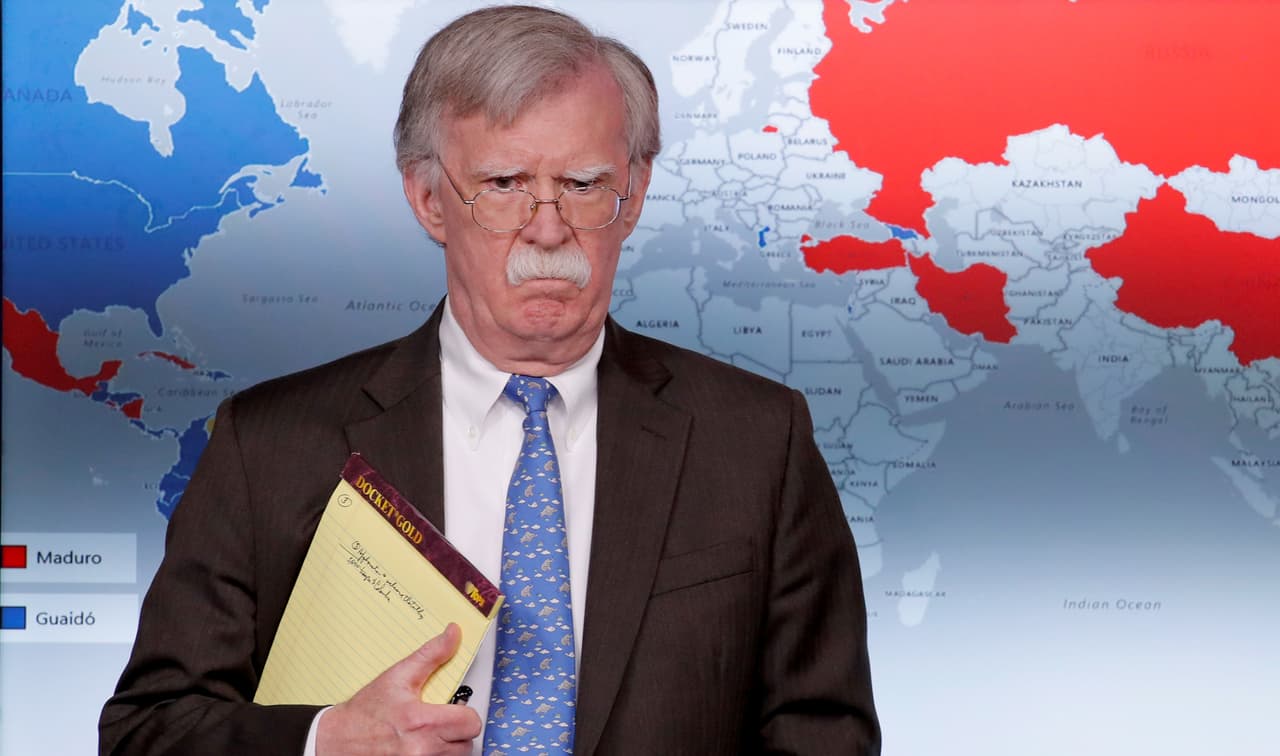
The Trump administration should be wary of fueling fake news predictions about an imminent American invasion which unrealistically raises expectations about Maduro's removal.
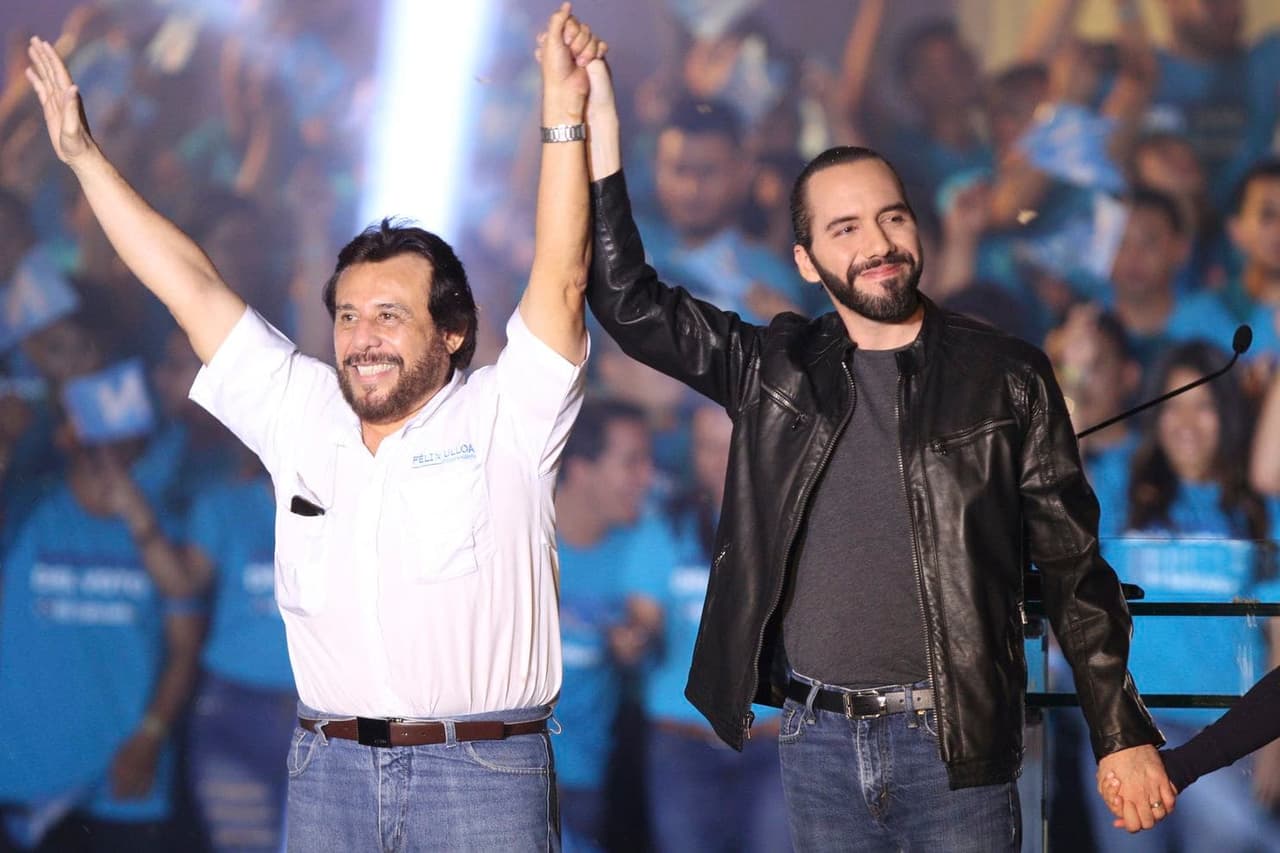
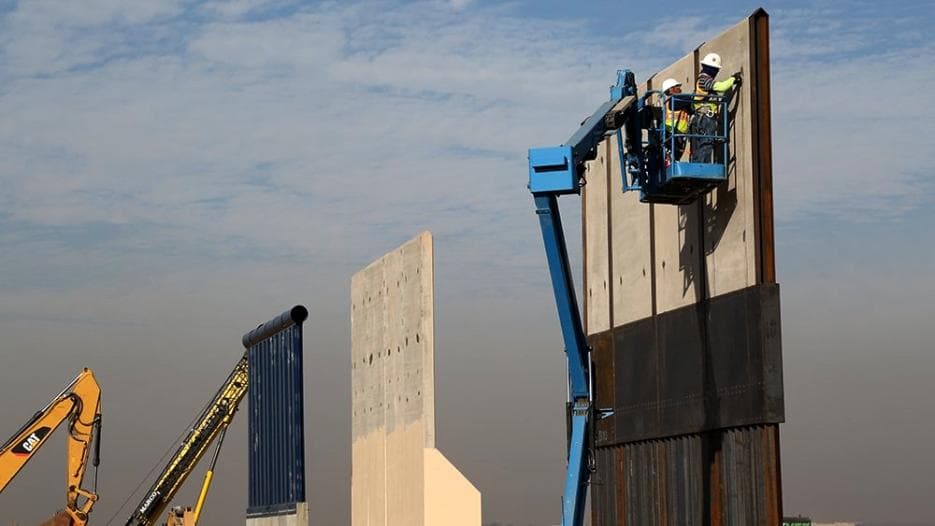
At some point we will have to accept the fact that the border between Mexico and the United States is nothing more than an invention.

The United States has had a major role in the evolving drama of the fight for democracy in Venezuela and Nicaragua. And so far, it’s been surprisingly coordinated, a veritable model of multilateralism.
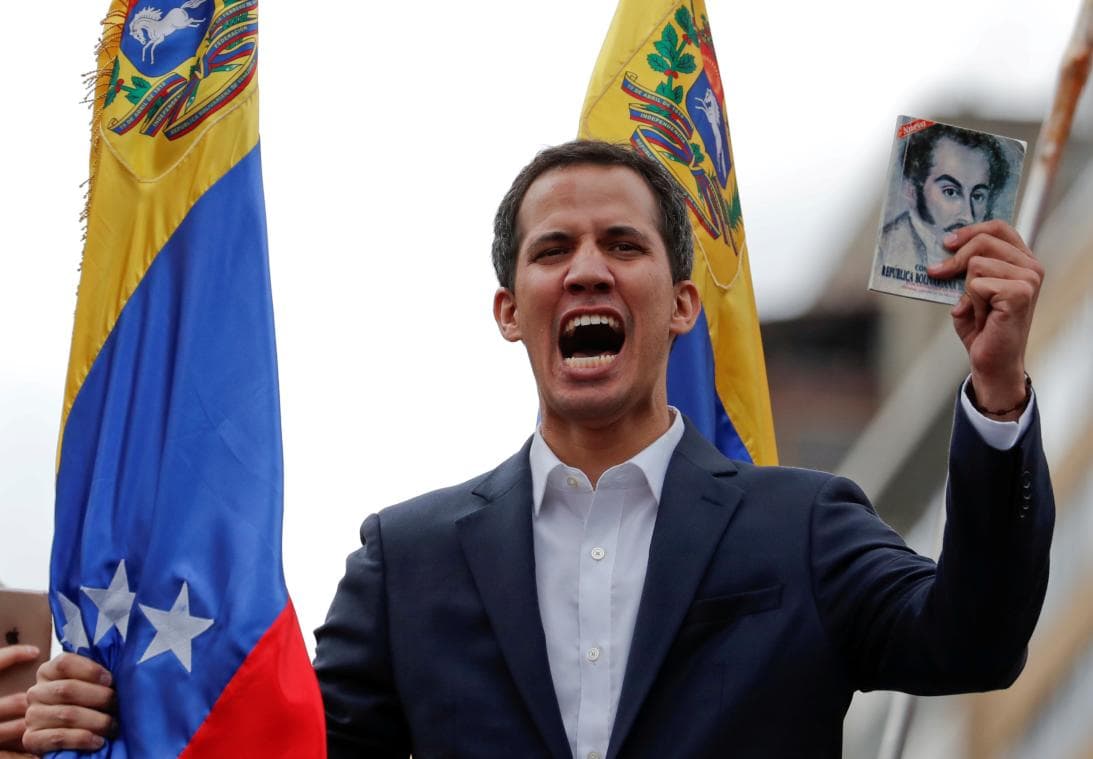
Has the Maduro regime reached breaking point? It remains hard to say, but tomorrow is another - more hopeful - day for the restoration of democracy in the South American nation.
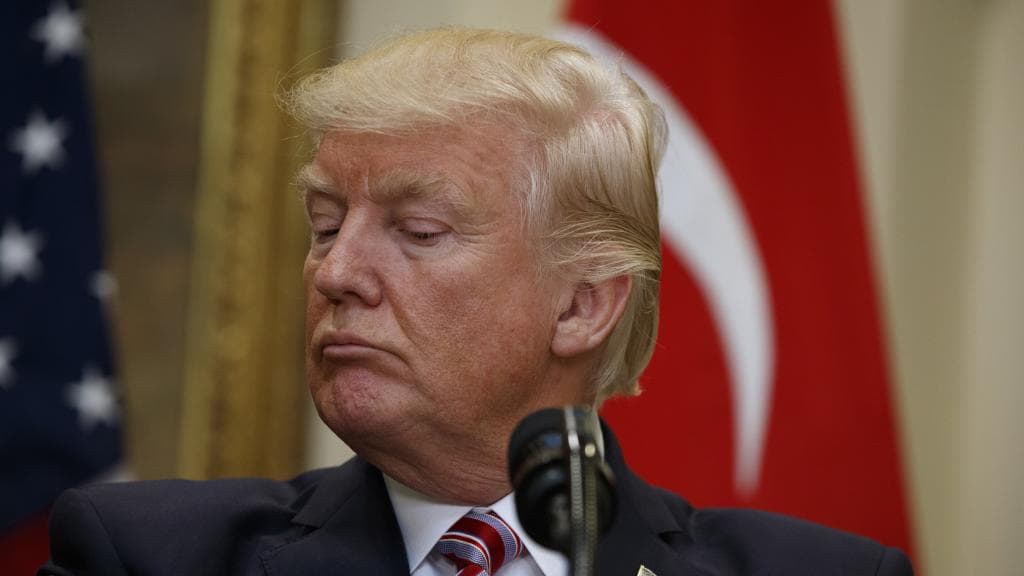
It’s impossible to get into Trump’s head but what comes out of his mouth are racist remarks. But, saddest of all are the millions who tolerate his views, cheer him on and emulate his behavior.
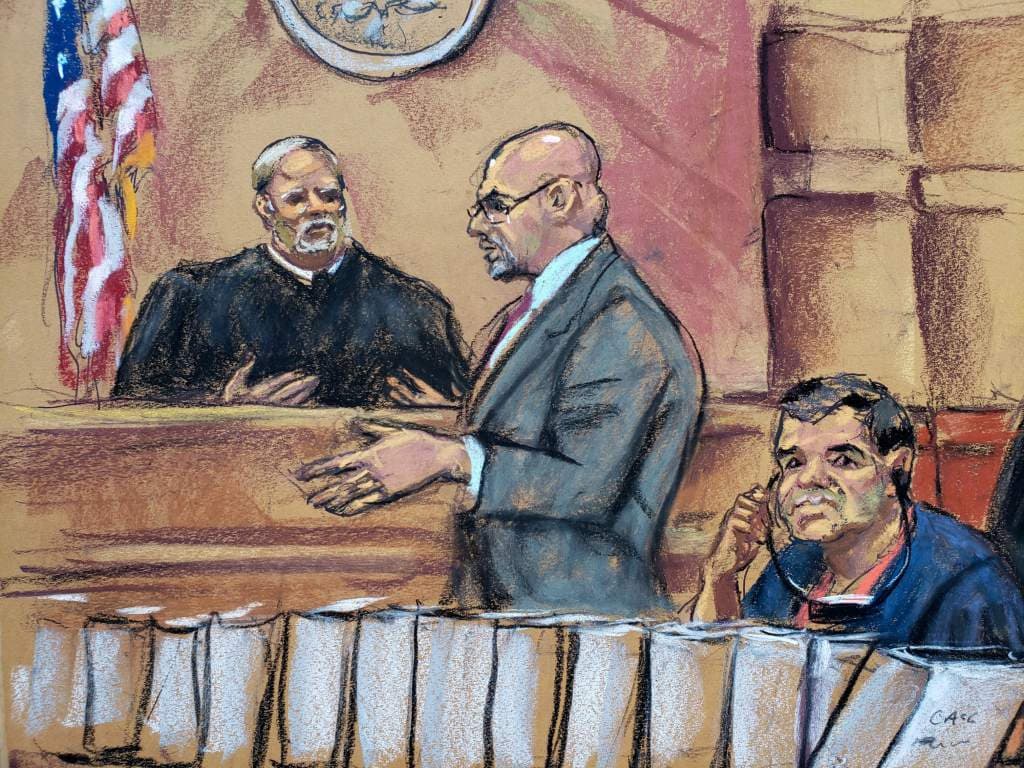
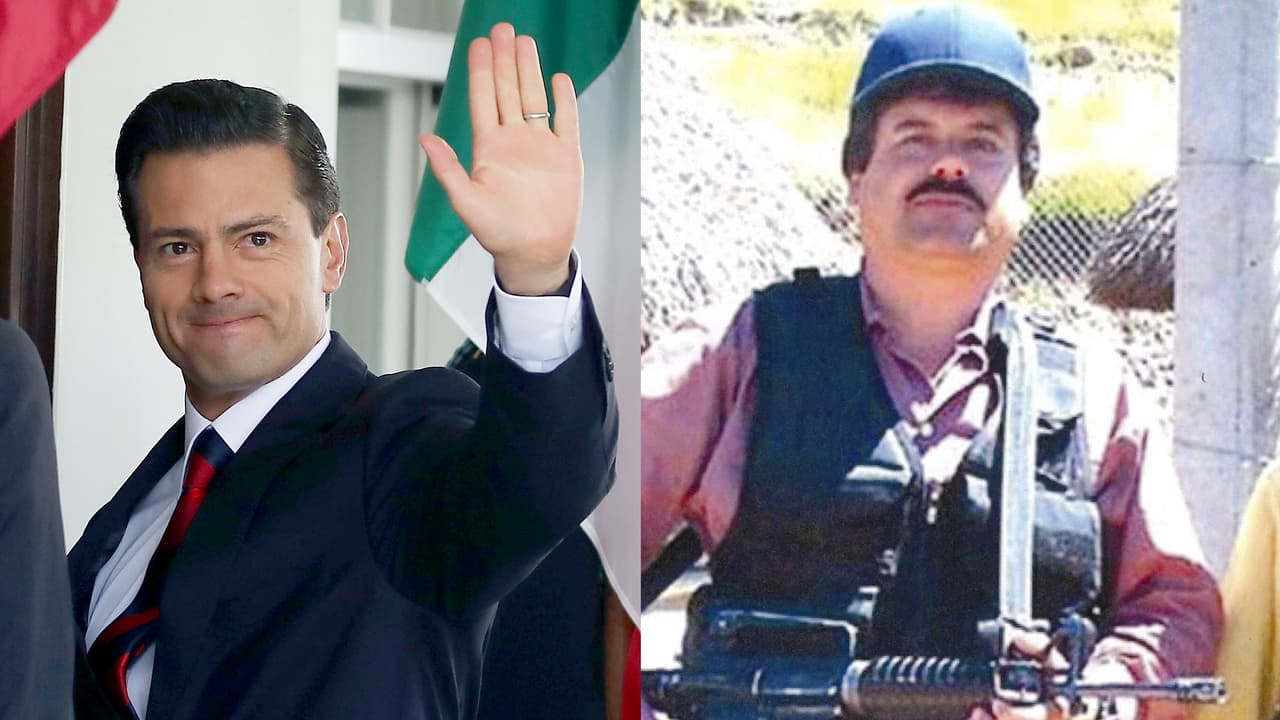
The time is well past due for the U.S. government to conduct a thorough review of leaders and their senior colleagues before they leave office to determine if they merit visas.
Here in Colombia they have a beautiful expression for when someone assumes all responsibility for something and there is no other choice: you have to.
Well, we as journalists indeed have to ask uncomfortable questions, demand accountability and corner presidents and governors, priests and entrepreneurs, and anyone who has a little bit of authority.
We have to.
When I need to interview someone important or influential — especially if it is during a historically important moment — I always think of two things. The first one is that, if I don't ask the hard questions — the ones that make your palms sweat before asking them — no one else will.
And the other thing I think is that I will never see the interviewee again. It's better this way. At the end of the meeting I don't expect kind words or more access in the future. It often happens that the interviewee I grilled comes back for another interview. Of course, there are always cases of masochism. But it is often the case that those who return really have nothing to hide.
I am confident that the main social function of journalism is to challenge those in power. In cases of racism, discrimination, corruption, public lies, dictatorships and violations of human rights we have the obligation to break the silence and to question things. That is the purpose of journalism.
Journalism and fatherhood are very similar. In both cases, half of the work is to be present. Good parents and good journalists are the ones who are where they need to be — parents with their children and journalists where the news is.
It is of the utmost importance to bear witness. When a rookie journalist goes on a special assignment for the first time and asks me for advice, I usually say this: I want you to be my eyes. Take me to where you are.
In our beloved, passionate and troubled Latin America — where democracy and justice are fought for with fists and keystrokes — we need journalists who are where they need to be and that, once there, they disobey.
Journalism, more than just a profession, is a mission.
The courage of my colleagues never ceases to amaze me; those who report about narcos in a small town, or those who take on the task of finding missing people — from Ayotzinapa to Argentina — or those who denounce leaders and politicians for their shady accounts and real estate dealings.
I often wonder what would have happened if, instead of going to live in Miami — the trench from where I plan my battles — I had stayed in Mexico. I left Mexico, where I was born, so that I wouldn’t be censored. Today, at almost 60, I believe I made a good choice. I have been able to say what I want. But others stayed behind.
More than 109 of us journalists — and I say it like this because in this field we are a family —have been killed in Mexico since the year 2000, according to the nonprofit Article 19. Thirty-six journalists have been killed during the six-year term of Enrique Peña Nieto.
Tonight, this award goes to those who stayed, to those who didn't flee, to those 780 fellow journalists who according to Reporters Without Borders have been killed all over the world from 2006 to 2016 because of their profession.
This award goes to those who disobeyed and were killed for it.
What their killers — and the rulers who protect them — don't know is that for every reporter they kill, there will be two, or three, or a thousand who will take up their cause, their stories and their words. That is our promise to those who are gone.
We are not in the business of being silent.
Silence is an accomplice.
So, please, disobey.
Relacionados: