I survived Hurricane Andrew and now I'm waiting for Irma
Univision News journalist Eulimar Núñez remembers living through the Category 5 hurricane in August 1992, which destroyed parts of South Florida.

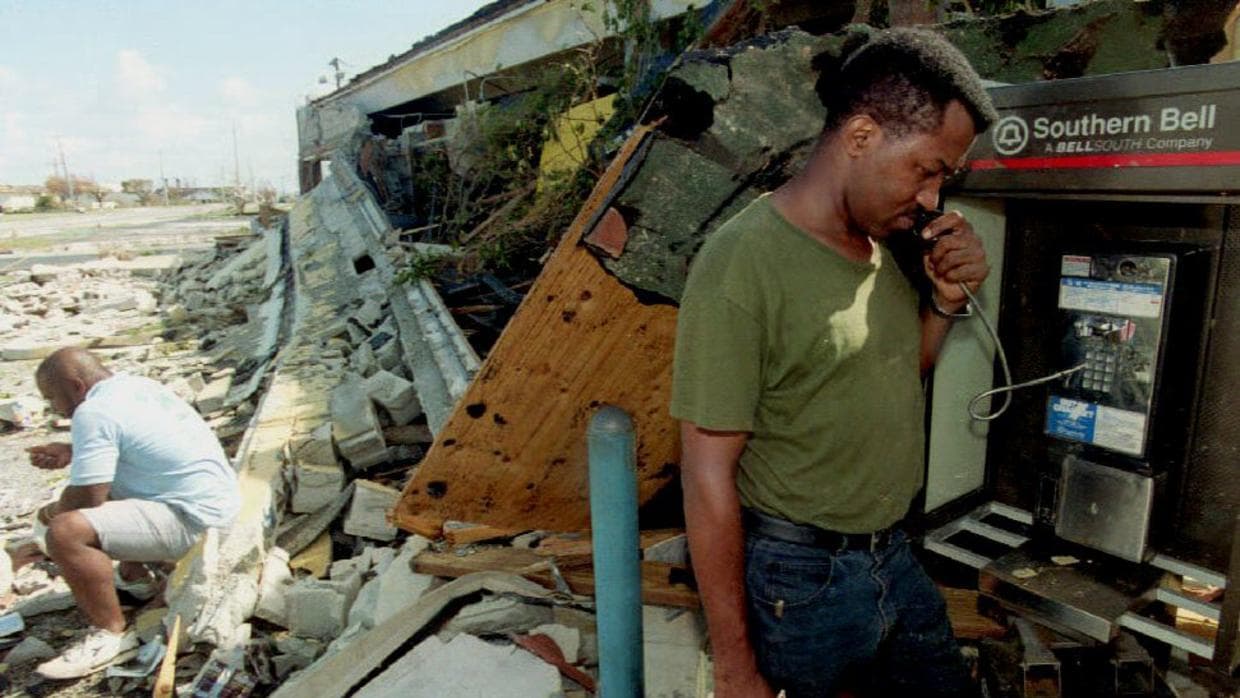
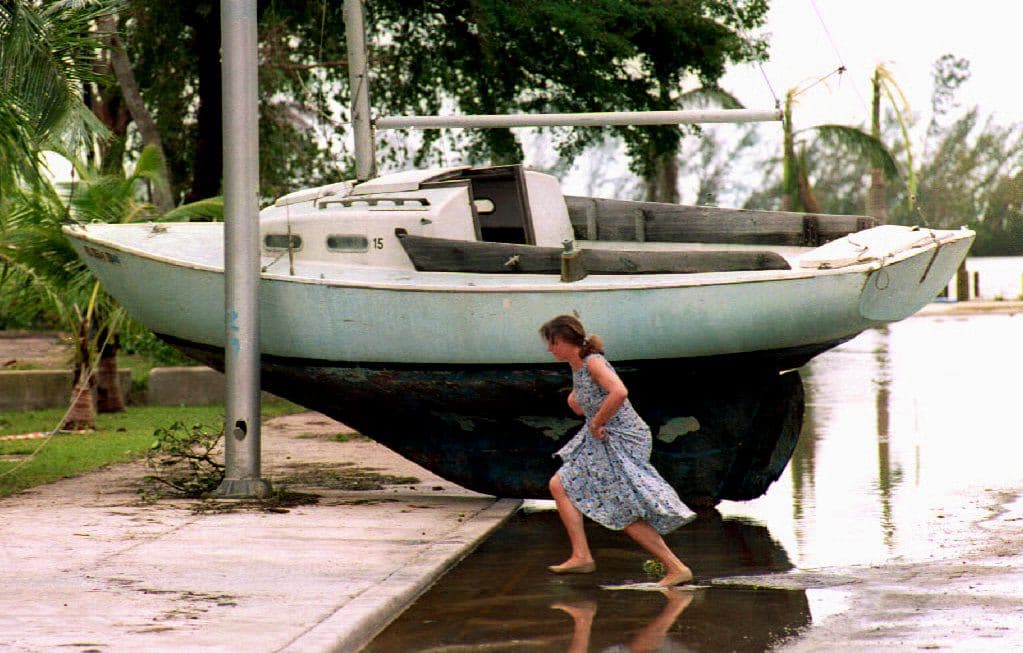
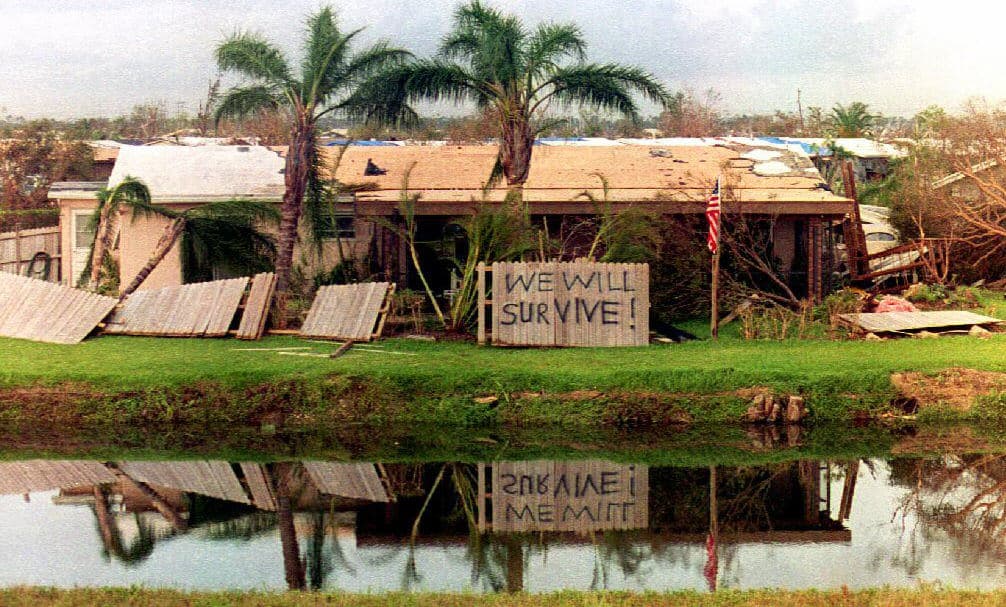
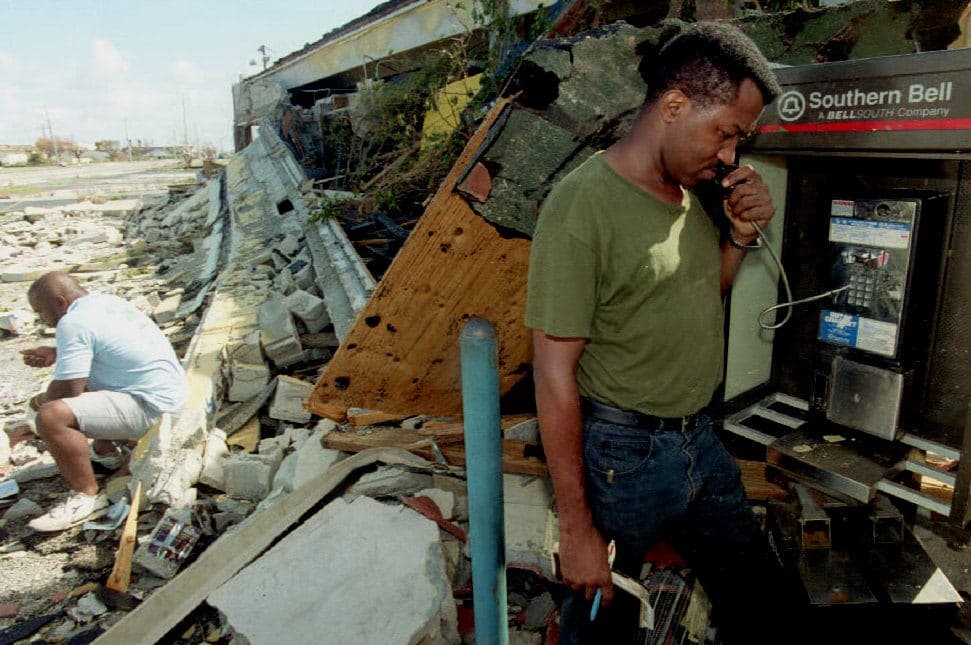
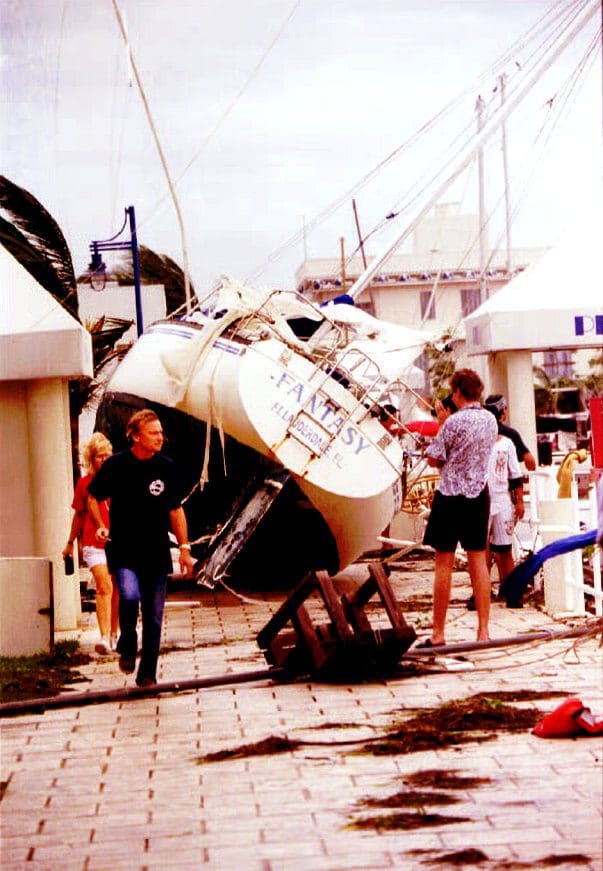
During the most intense four hours of the hurricane, we were laying atop a staircase with a mattress over our heads. The wind was blowing so hard that it ripped off part of the roof, and the windows exploded through the house, the tiles ripping off neighboring homes. I was 10-years-old and had come from Venezuela two days earlier to visit my family in Kendall, in South Miami. In the years since then, the experience has defined my life and the way I relate to uncertainty.
Andrew made landfall in Florida as a category 4 storm, on August 24, 1992. If you lived it, you can't forget it. Now, as we wait for Irma – the most powerful hurricane that has ever formed in the Atlantic – Andrew is being used as a reference by meteorologists and regular citizens, especially those that lived through it. Its name is mentioned again and again to describe the gravity of what's coming. That's scary.
Irma could be much worse than Andrew. And Florida Gov. Rick Scott has repeatedly warned about that possibility, urging residents in coastal zones to evacuate their homes as soon as possible. “If you're in an evacuation zone, don't wait. Leave now!” Scott repeated Saturday morning, just hours before Irma's arrival.
On the left, Hurricane Andrew (1992).
— Eric Holthaus (@EricHolthaus) September 7, 2017
On the right, Hurricane Irma (today).
(images to scale) pic.twitter.com/JCdxuP0tqm
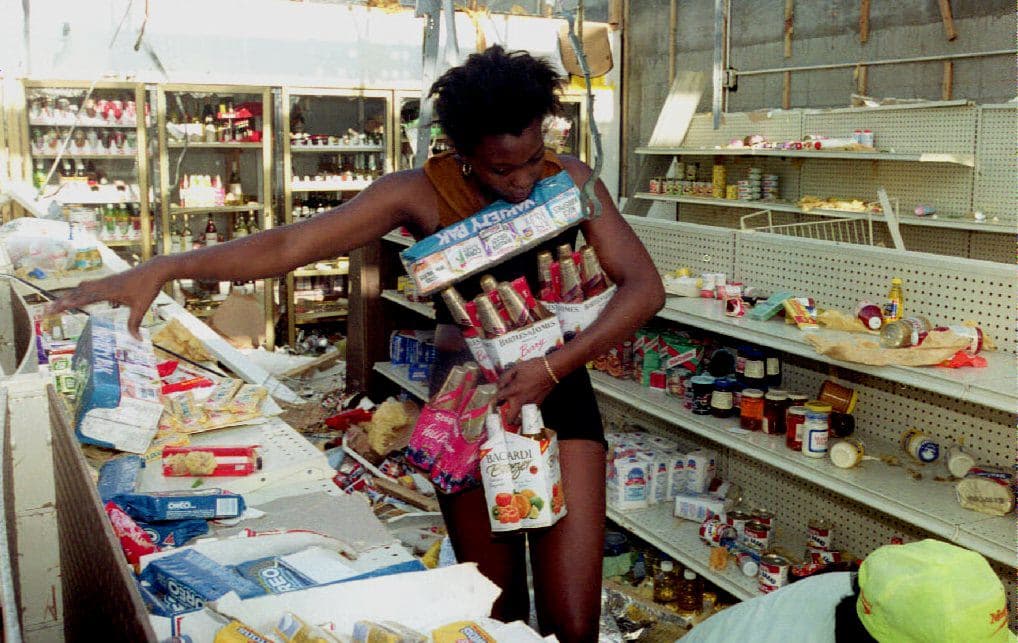
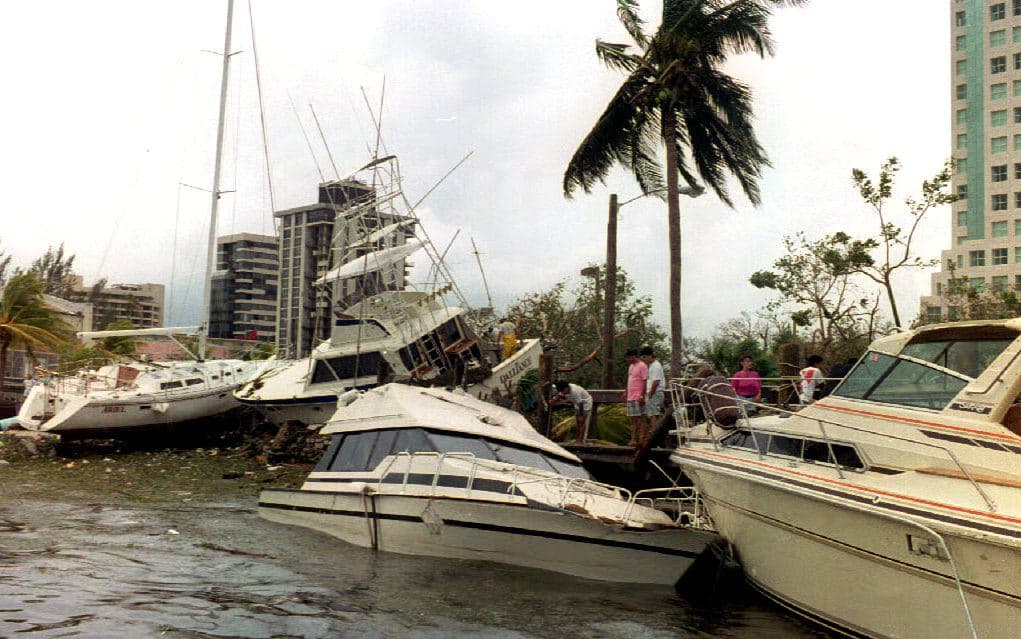
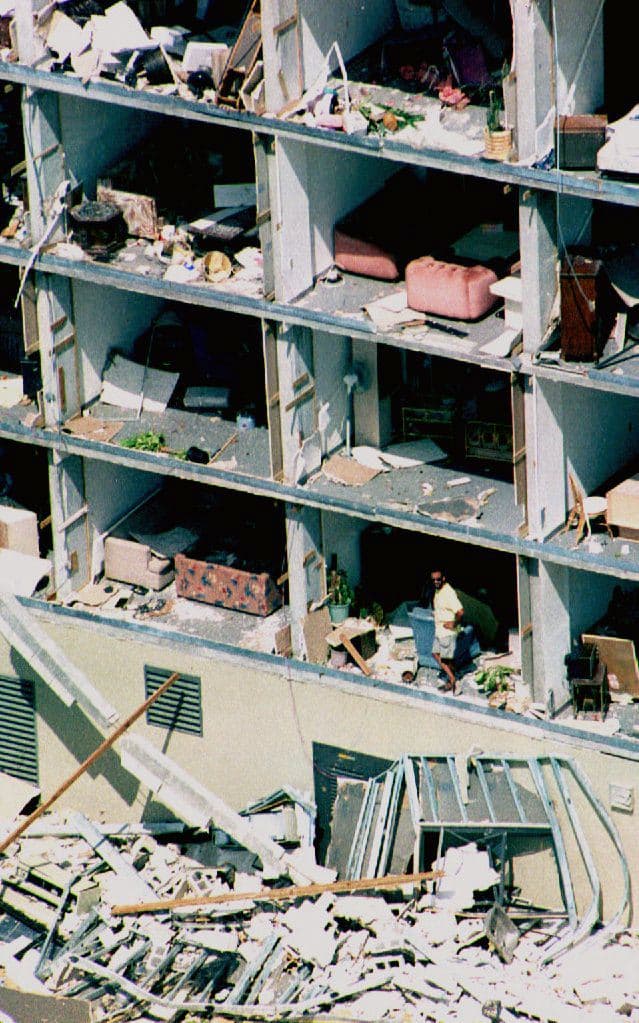
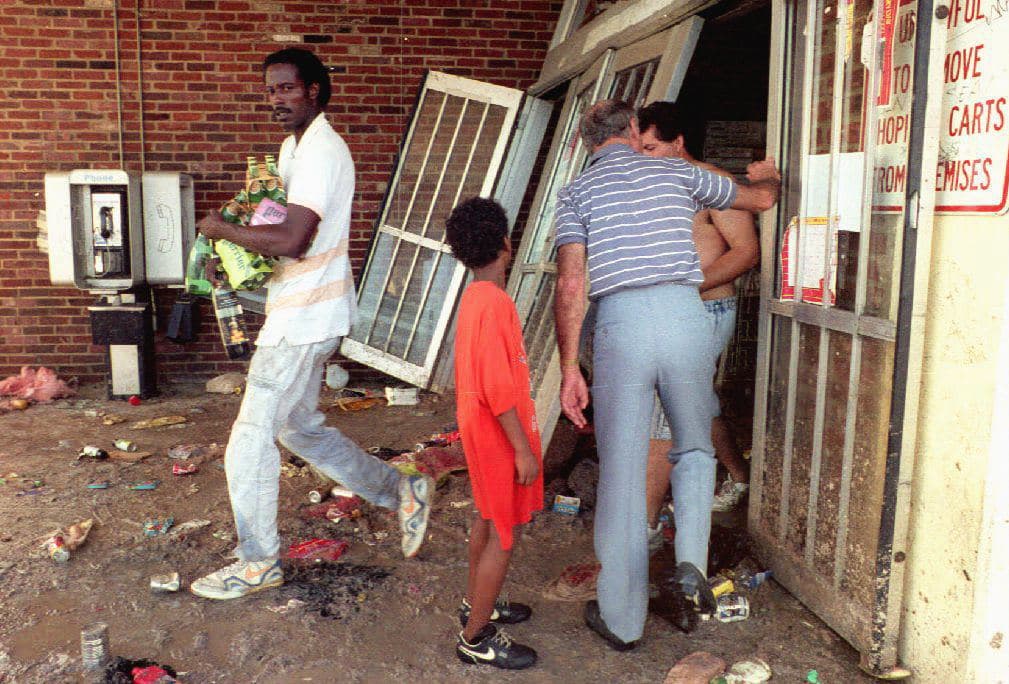
Two Andrews could fit into Irma. Experts have been comparing their sizes since the system began to form a week ago. Until Friday night, September 8, the storm had a diameter of about 650 miles; Andrew's was 400 miles. The amount of rain that Irma will bring with her is another point of comparison: Andrew is remembered as a "dry" hurricane and the destruction he left behind – 65 dead, plus 63,000 homes destroyed – was caused by wind.
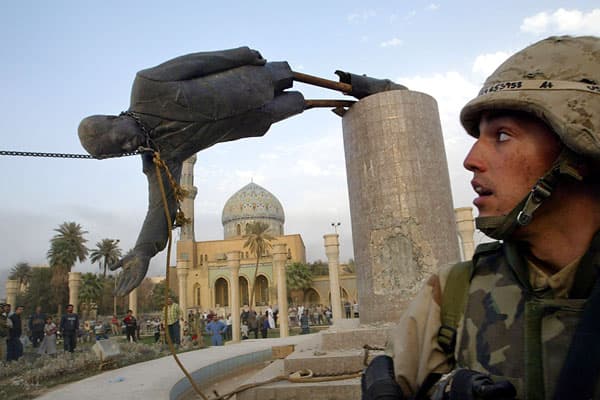
Despite a near universal desire for an end to Venezuela’s manmade disaster, sending in U.S forces to take out the Maduro regime would be counter-productive. It should be categorically rejected by interim president Juan Guaidó, not to mention the Trump administration.
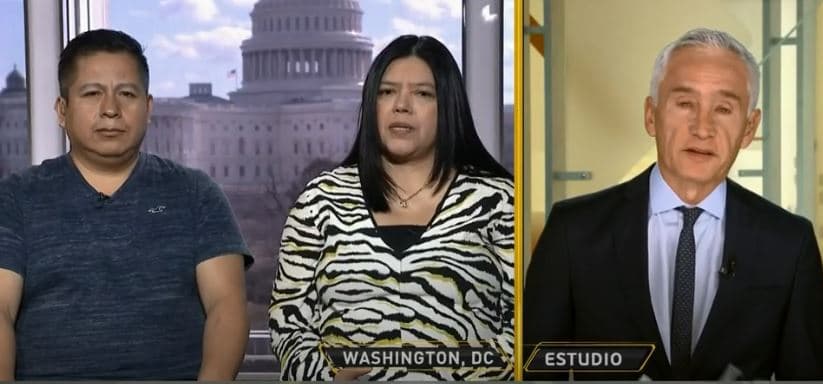
The firing of undocumented workers at Trump's golf clubs just shows how the practice of employing immigrants without legal work papers is much more common than we might imagine. Such is life in the United States.
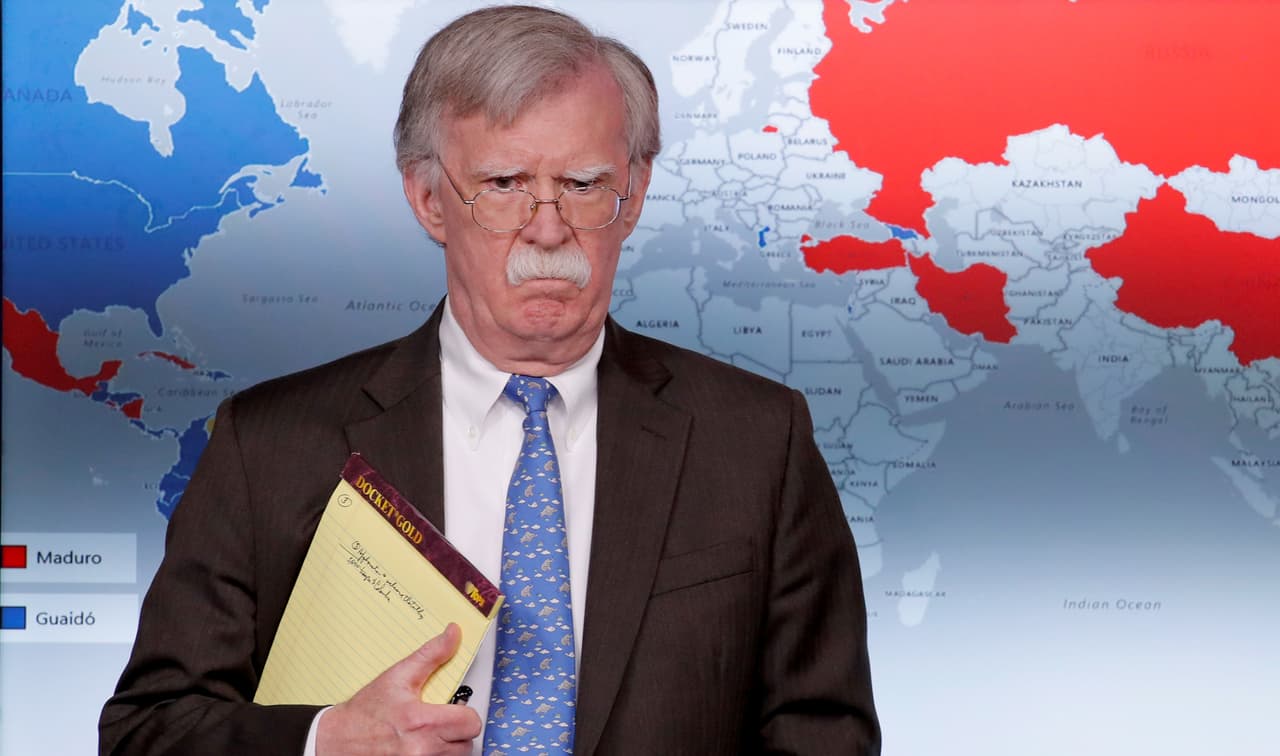
The Trump administration should be wary of fueling fake news predictions about an imminent American invasion which unrealistically raises expectations about Maduro's removal.
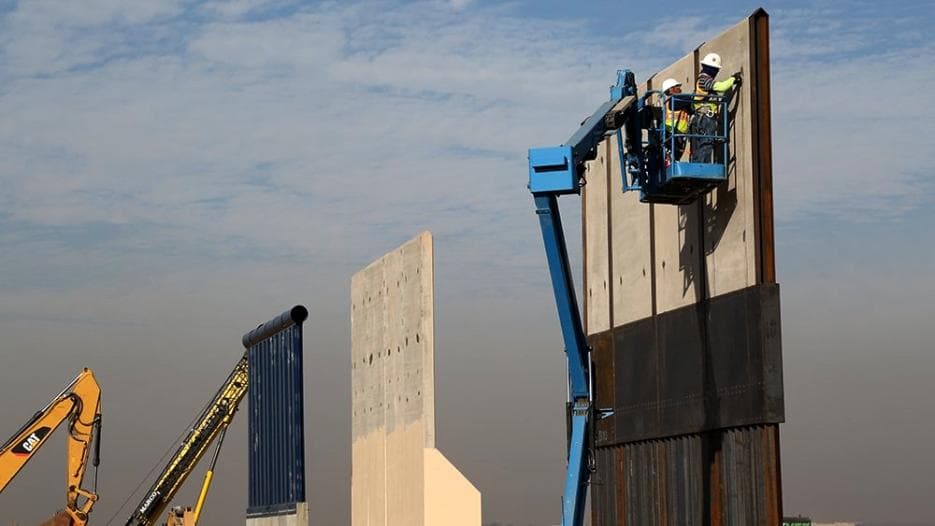
At some point we will have to accept the fact that the border between Mexico and the United States is nothing more than an invention.

The United States has had a major role in the evolving drama of the fight for democracy in Venezuela and Nicaragua. And so far, it’s been surprisingly coordinated, a veritable model of multilateralism.
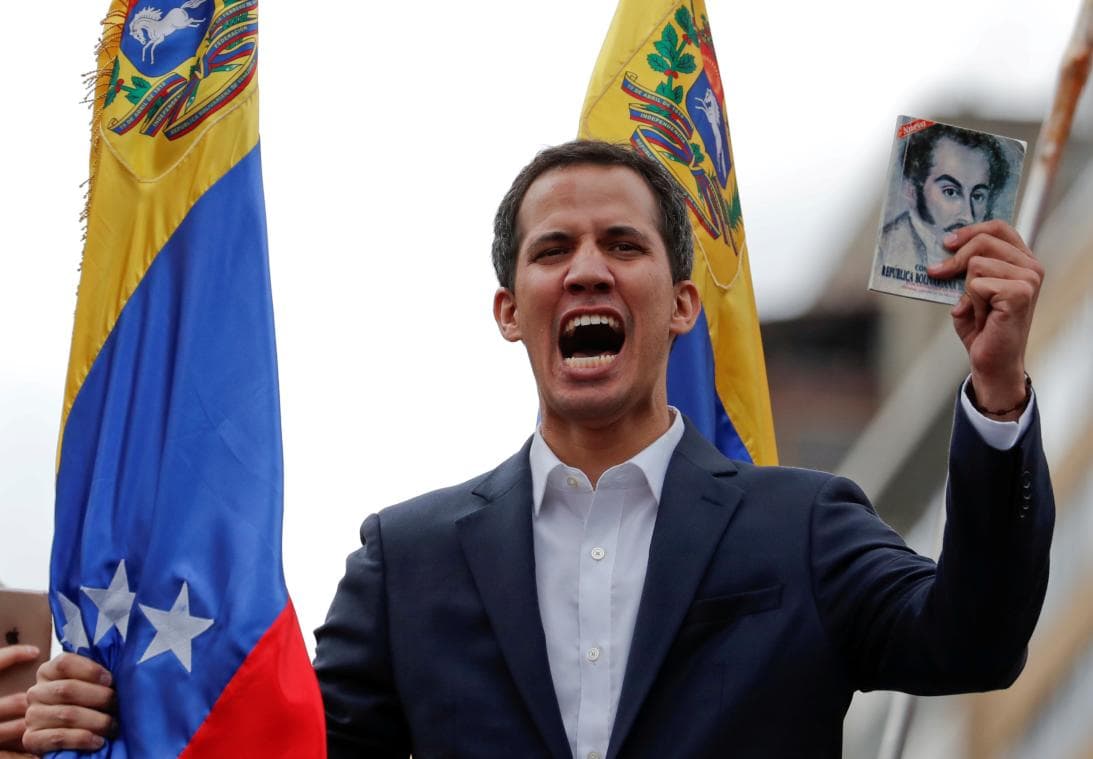
Has the Maduro regime reached breaking point? It remains hard to say, but tomorrow is another - more hopeful - day for the restoration of democracy in the South American nation.
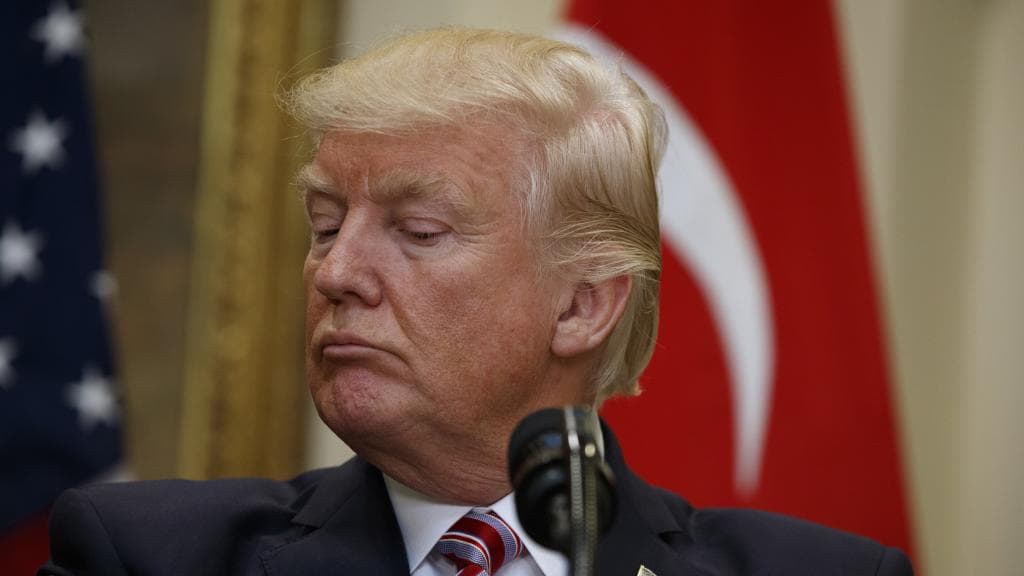
It’s impossible to get into Trump’s head but what comes out of his mouth are racist remarks. But, saddest of all are the millions who tolerate his views, cheer him on and emulate his behavior.
The time is well past due for the U.S. government to conduct a thorough review of leaders and their senior colleagues before they leave office to determine if they merit visas.
The paths of both systems are very different. Andrew entered Florida through Homestead and crossed the peninsula from east to west, which took four hours.
After passing the coast of Cuba Saturday morning, Irma continued to move from the south to the north towards Florida. It is estimated that she could remain in the state of Florida for more than 24 hours. The most recent forecasts indicate that she will move up the west coast, hitting cities like Naples and Tampa.
Of all potentially catastrophic natural phenomena, the hurricane is the only one that gives warning. Radars show the crimson eye approaching, the speeds increasing, how it changes direction slightly and approaches or moves further away. Here it comes, here it comes.
In the face of uncertainty, some decide to heed the warnings to take refuge, while the non-believers take risks and think that everything will be fine.
On the 20th anniversary of Andrew I wrote on BBC Mundo about how my Venezuelan family, who had never experienced such a phenomenon, was not prepared: we decided not to evacuate even though our house was in a vulnerable area, very close to one of the shelters provided by authorities. Now that I live in South Florida, no longer in the south but along the coast, my first reaction was to prepare my house for strong winds and a possible flood and to get out of there.
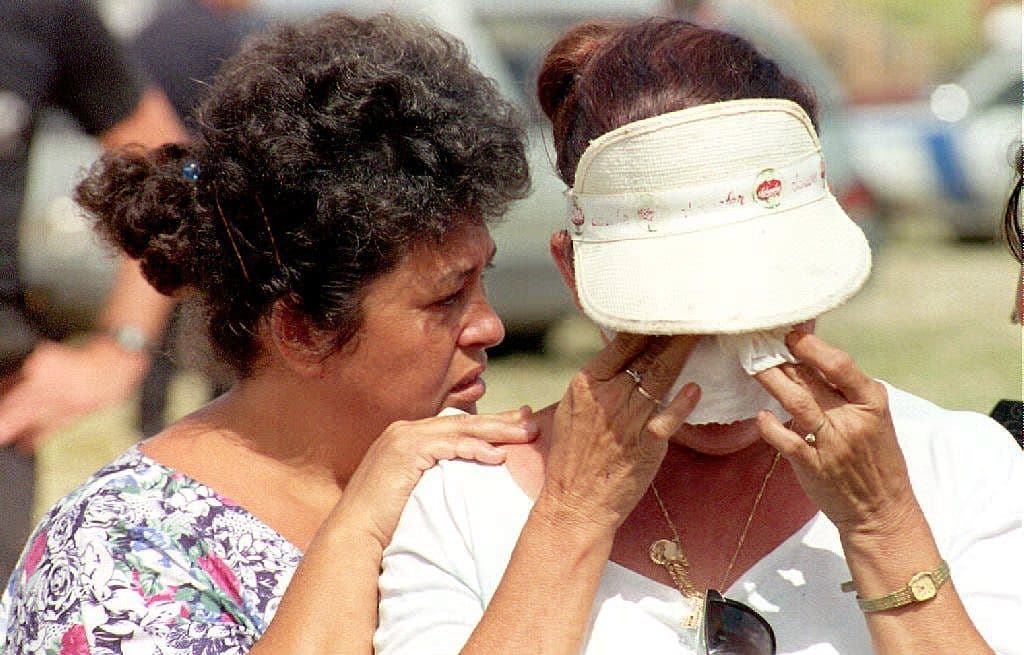
It wasn't just me: Floridians, in general, took the warning more seriously than they did 25 years ago. The evacuation for Irma is the largest known evacuation in United States history: more than 7 million people left the state from Tuesday to Saturday, jamming the roads north.
The latest forecasts are more encouraging. After completing her tour of the Caribbean, Irma went from being a category 5 hurricane to a category 3 hurricane, but is still the largest that the state has ever known in its long history of meteorological phenomena.
Andrew caused so much destruction that meteorologists decided to remove his name permanently from the list: there will never be another hurricane by that name.
If a similar hurricane were to hit today at the same point, it would be far more catastrophic. Damages would exceed 100 billion, according to a recent analysis by insurance firm Swiss Re. That calculation takes into account that the area has reinforced building codes. But now there are not only more buildings, there are many more people.
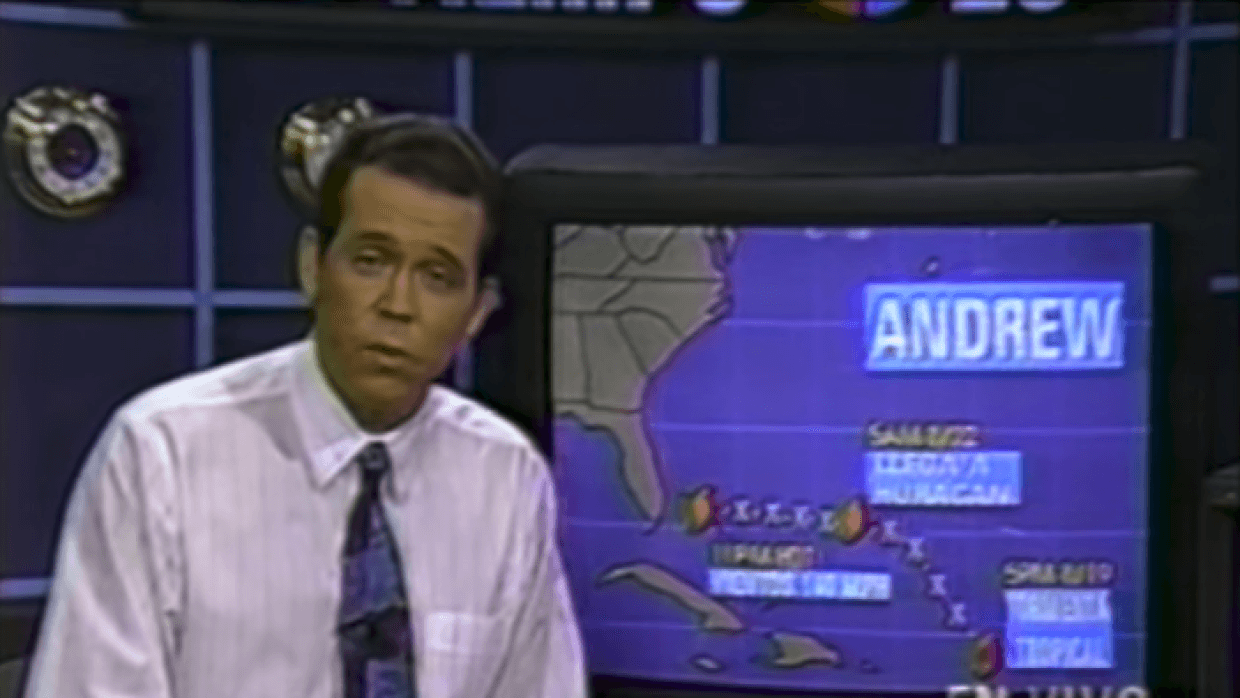
On Friday night, I watched meteorologist John Morales report for Miami's channel 6. "Irma is an enormous hurricane (...) You all know I'm not alarmist, but this is serious," he explained.
Memories rushed back. I pictured him 25 years earlier, on local Univision channel 23, without gray hair and didactic as always, explaining how Andrew was heading towards us.
"When we're safe, I'll be the first to tell you," he said Friday. "I'm still worried. I need to see when it's going to make the northbound turn."
This time I listened.