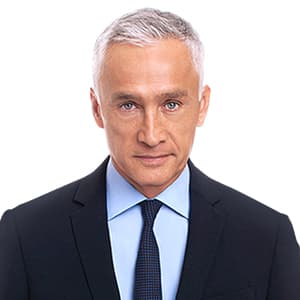
JACKSONVILLE, Fla. — The brain is pulsating in front of me — I never imagined that the brain could pulsate as the heart does. It’s beige, almost light brown. Purple veins and arteries sprawl like a spider web.
Dr. Q’s Hands
"Dr. Alfredo Quiñones is a living legend. At 49, he has performed some 2,500 brain surgeries. But the most riveting story is how he managed to become one of the world’s most talented neurosurgeons."

Dr. Alfredo Quiñones-Hinojosa arrived to the U.S. from Mexico at age 18.
Imagen Keith Weller / EFE
I can’t turn my eyes away. If the soul exists, it resides here.
The brain is in plain sight. A little over an hour ago, the surgeon started the complicated procedure of shaving the patient’s head, cutting the skin and skull, and lifting the “dura mater” — a fitting name for a membrane that protects the brain in such motherly fashion.
A 2-inch square segment of bone was cut with a special saw and set aside like a Lego piece. I watch that brain and am amazed not only with the way the organ functions, but also with the doctors who opened up the patient’s skull.
What I get to see is extraordinary. Throughout the surgery, the patient is awake. He’s mildly sedated and given local anesthetics to eliminate pain, but he’s chatting with the doctors and answering their questions. Why is he awake? To be sure that the cuts of the scalpel in his brain won’t affect his speech, his memory, or any other function.
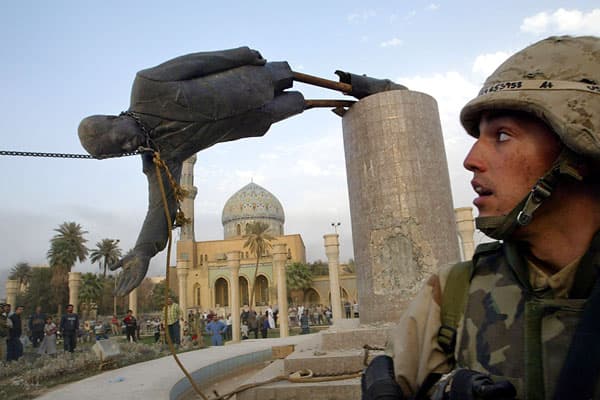
Despite a near universal desire for an end to Venezuela’s manmade disaster, sending in U.S forces to take out the Maduro regime would be counter-productive. It should be categorically rejected by interim president Juan Guaidó, not to mention the Trump administration.
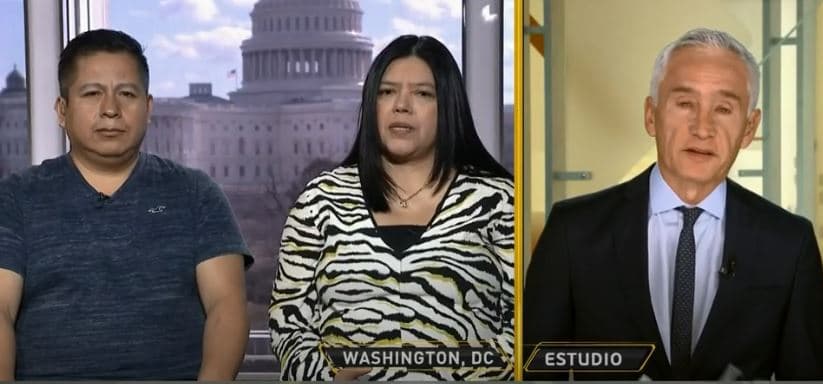
The firing of undocumented workers at Trump's golf clubs just shows how the practice of employing immigrants without legal work papers is much more common than we might imagine. Such is life in the United States.
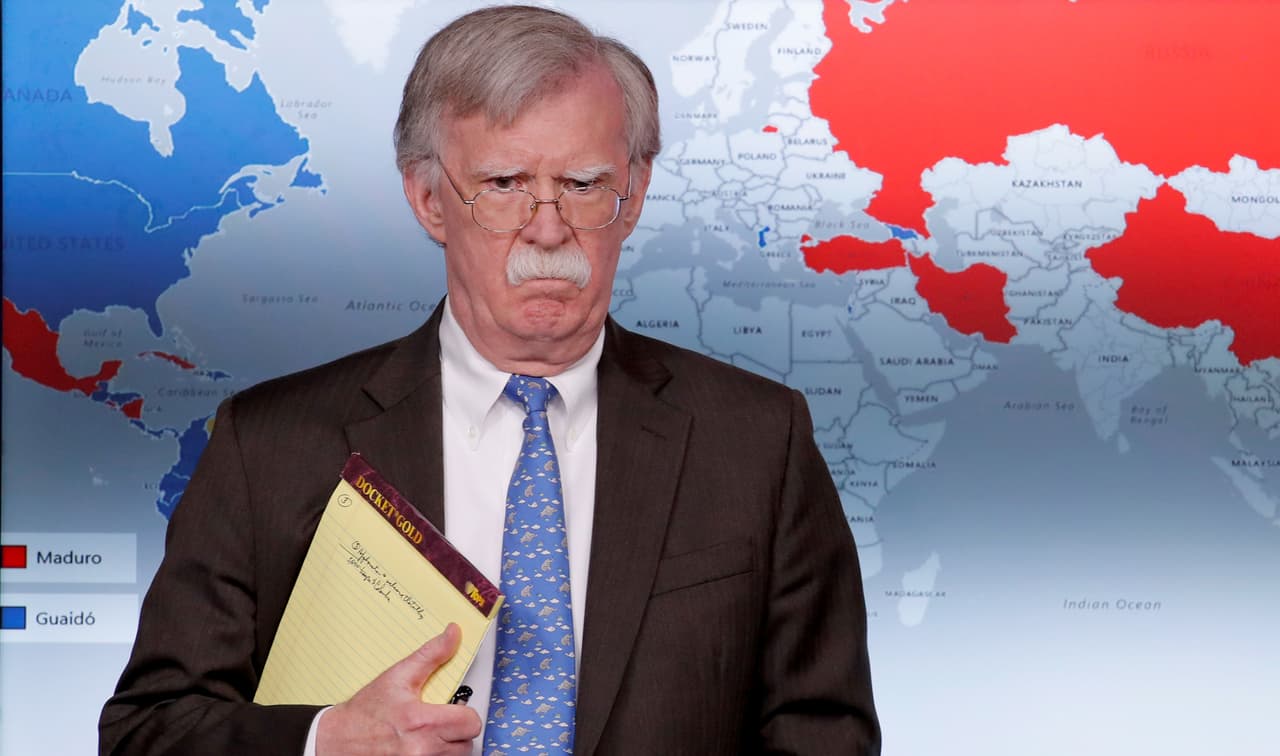
The Trump administration should be wary of fueling fake news predictions about an imminent American invasion which unrealistically raises expectations about Maduro's removal.
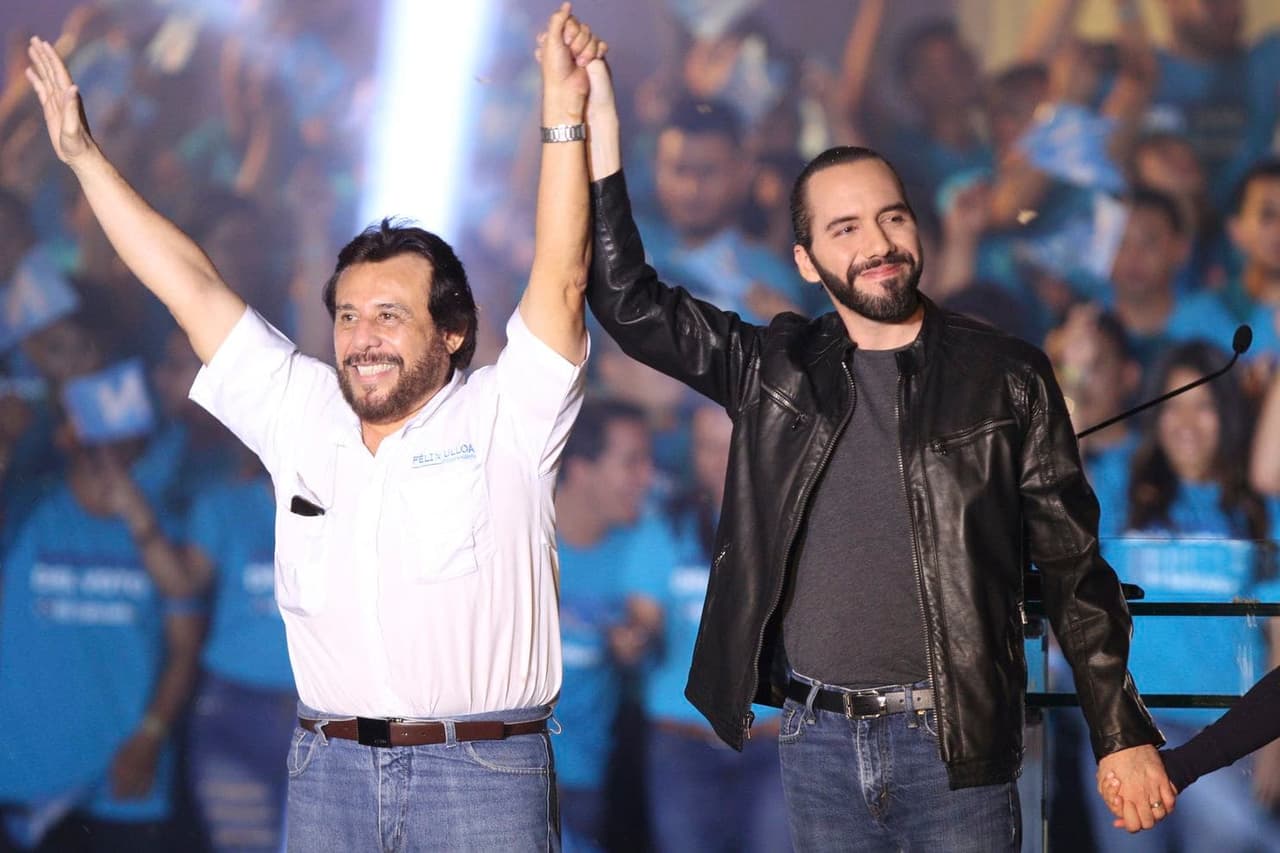

At some point we will have to accept the fact that the border between Mexico and the United States is nothing more than an invention.

The United States has had a major role in the evolving drama of the fight for democracy in Venezuela and Nicaragua. And so far, it’s been surprisingly coordinated, a veritable model of multilateralism.
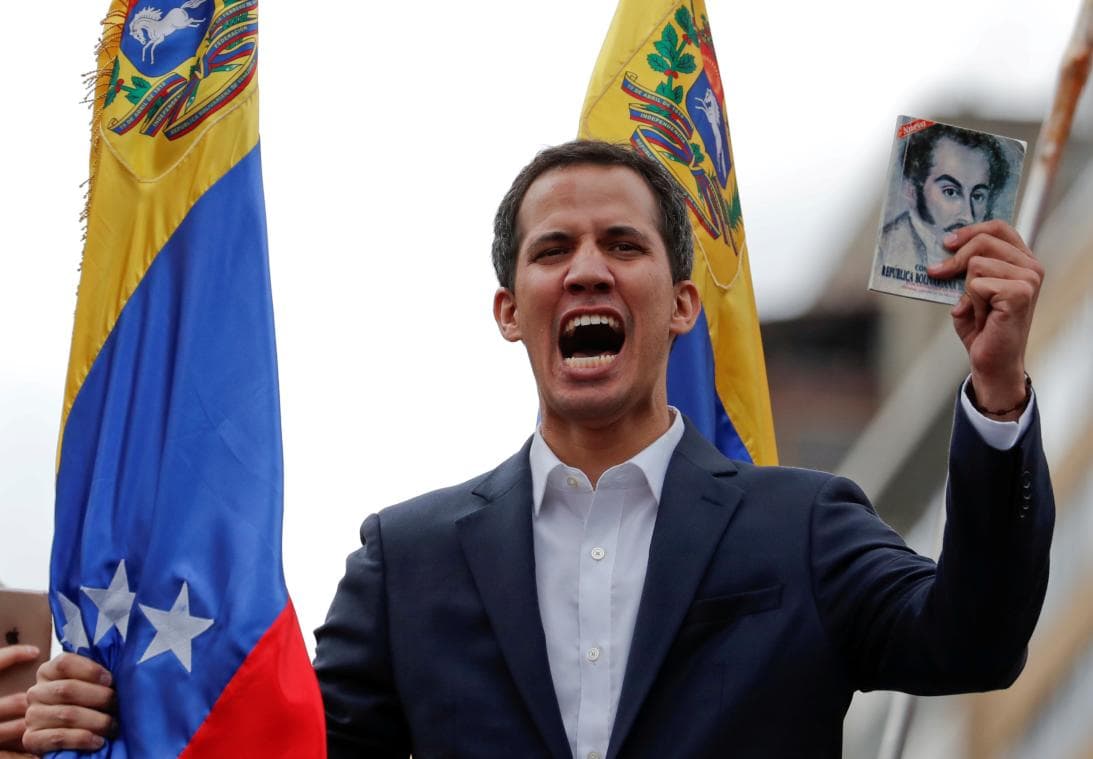
Has the Maduro regime reached breaking point? It remains hard to say, but tomorrow is another - more hopeful - day for the restoration of democracy in the South American nation.
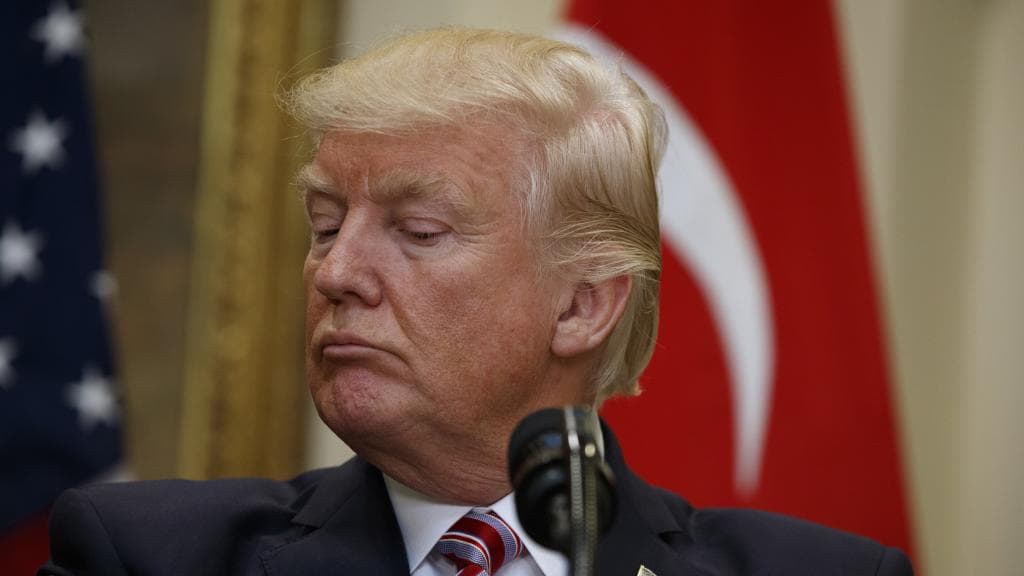
It’s impossible to get into Trump’s head but what comes out of his mouth are racist remarks. But, saddest of all are the millions who tolerate his views, cheer him on and emulate his behavior.
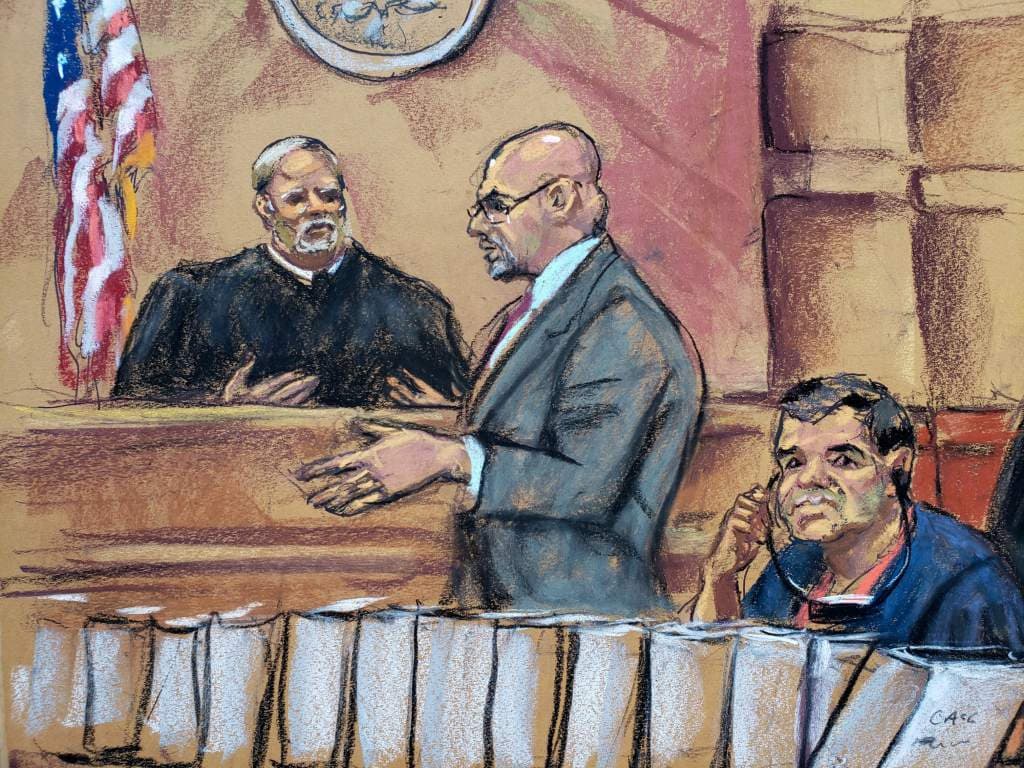
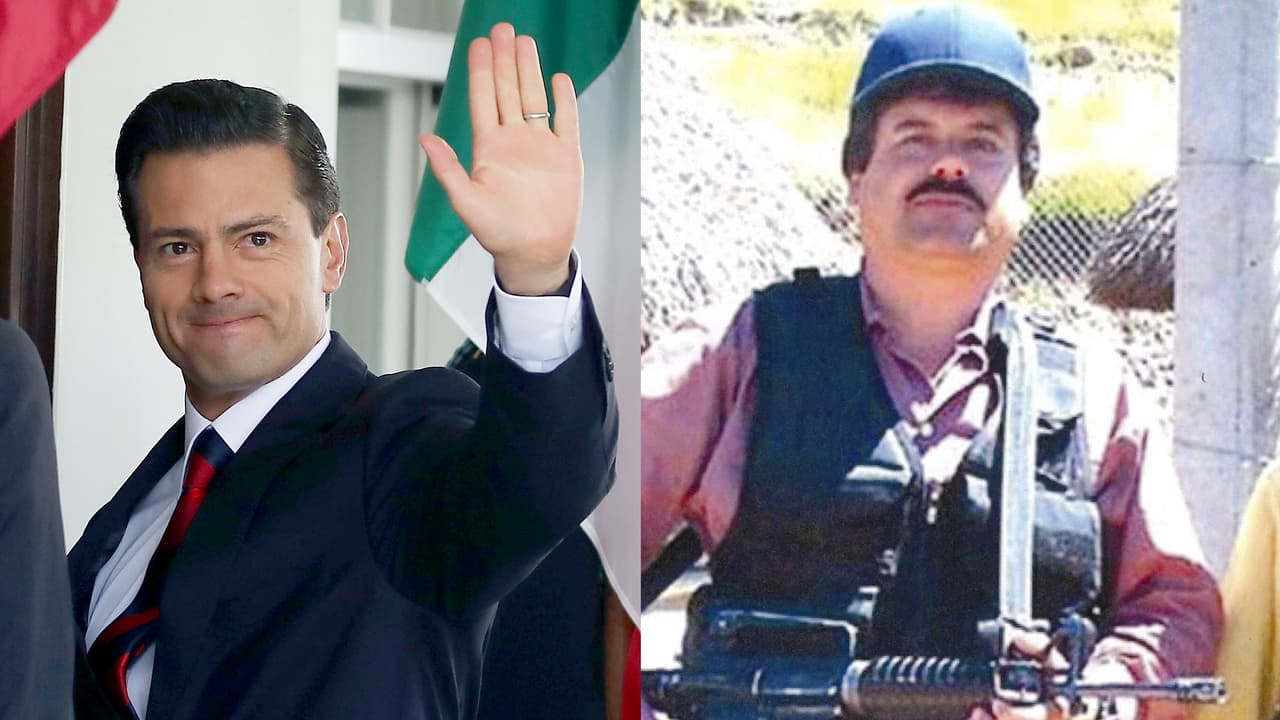
The time is well past due for the U.S. government to conduct a thorough review of leaders and their senior colleagues before they leave office to determine if they merit visas.
The patient, who we’ll call M, is a 29-year-old who had a brain tumor. He allowed me and my television crew to record the procedure. M put his faith and his brain in the hands of Dr. Alfredo Quiñones and the experts at the Mayo Clinic in Jacksonville, Florida. I would have done the same.
Dr. Q is a living legend. At 49, he has performed some 2,500 brain surgeries. But the most riveting story is how he managed to become one of the world’s most talented neurosurgeons.
Quiñones was an undocumented immigrant in the United States. Nothing has been easy for him. His sister died of colitis when she was 3. At age 5 he started working at a gas station his father owned in Mexicali, Baja California. The station eventually failed, and Quiñones, at age 19, decided to jump the border into the United States. He was caught and sent back the first time, but that same day he tried again and succeeded.
After that, he was a farmworker in California’s San Joaquin Valley, and then a welder for a railroad company. One family member had told him he would never escape from the fields. But Quiñones attended a community college to learn English, legalized his immigrant status and later was accepted at the University of California, Berkeley, not far from where he used to pick herbs, fruit and vegetables. Then he went to Harvard Medical School.
Dr. Q likes to say that the same hands that picked tomatoes now are saving lives. He’s not exaggerating.
On weekends he practices boxing, putting up those strong, steady hands that have been washed a million times. In an era when we highlight the things that set us apart, talking to a neurosurgeon is humbling. “We all look alike inside,” Dr. Q told me. No matter the skin color, country of origin or beliefs, the brain unifies us.
Through his Mission: BRAIN foundation, Dr. Q and his team make an annual pilgrimage to Guadalajara and Mexico City to operate on people who cannot afford to pay for operations.
Now Dr. Q has a new goal: to cure brain cancer. He showed me his laboratory, with all its state-of-the-art technology designed to learn how to stop cancer cells that migrate to other parts of the body. (When I learned about John McCain’s brain cancer, Dr. Q was the first person who came to mind.) And it shouldn’t come as a surprise that Dr. Q works with many immigrants just like him, from all around the globe. “We are going to change the world” is his favorite phrase, and he proves it with every surgery.
But let’s go back to the operating room.
M is still awake. With the aid of a powerful microscope, Dr. Q reaches the tumor — and it looks benign. The brain is supremely fragile. Dr. Q digs in it as if it were jelly, with what resembles an ice cream spoon.
The doctor stands up from the operating chair, walks around the table, grabs the patient’s hand and gives it a squeeze. “It’s all right,” Dr. Q says to M. “Everything’s all right.”
Meanwhile, the brain keeps pulsating.
Relacionados: